Everything About Car LPG Gas Kit Parts and Accessories
Car LPG gas kit parts are the essential components that convert your vehicle to run on liquefied petroleum gas. This guide covers every part from the LPG tank to the ECU, helping you understand what makes a quality conversion system. Whether you are planning an installation or just curious about autogas technology, you will find practical advice, expert tips, and clear explanations that make the topic easy to understand.
Have you ever wondered what makes a car run on both petrol and gas? The answer lies in a clever setup of components known as a car LPG gas kit parts system. These parts work together to let your engine switch between fuels effortlessly. Whether you want to save money on fuel or reduce your environmental footprint, understanding these components is the first step.
LPG, or liquefied petroleum gas, has been powering vehicles around the world for decades. In many countries, autogas is a popular alternative to petrol because it costs less and burns cleaner. But the magic happens inside the engine bay, where a collection of carefully designed parts handle the gas safely and efficiently. Each component plays a specific role, and together they form a complete LPG conversion system that transforms how your car uses fuel.
This guide will walk you through every major part of a car LPG gas kit parts setup. We will explain what each piece does, how to choose the right ones, and how to keep them in great shape. By the end, you will have a solid understanding of autogas technology and feel confident about your next steps.
Key Takeaways
- Understanding the core components: A car LPG gas kit parts setup includes the tank, reducer, injectors, filters, and ECU that work together seamlessly.
- Choosing the right kit matters: Matching your LPG system to your engine type and vehicle model ensures peak performance and fuel efficiency.
- Professional installation is recommended: Proper fitting of car LPG gas kit parts reduces the risk of leaks and engine damage.
- Regular maintenance extends the life of your system: Cleaning filters, checking valves, and inspecting lines keeps your autogas system running smoothly.
- Cost savings are significant: Running on LPG can cut your fuel expenses by up to 50% compared to petrol.
- Environmental benefits are real: LPG burns cleaner than gasoline, reducing harmful emissions from your vehicle.
- Quality parts prevent problems: Investing in branded, certified components saves money on repairs and replacements down the road.
📑 Table of Contents
- What Are Car LPG Gas Kit Parts?
- Key Components of an LPG Gas Kit
- How to Choose the Right Car LPG Gas Kit Parts
- Installation Tips for Car LPG Gas Kit Parts
- Maintenance and Care for LPG Kit Components
- Benefits of Installing Car LPG Gas Kit Parts
- Common Mistakes When Buying Car LPG Gas Kit Parts
- Quick Tips for Car LPG Gas Kit Parts Owners
- Expert Insights on Car LPG Gas Kit Parts
- Conclusion
What Are Car LPG Gas Kit Parts?
A car LPG gas kit parts set is a collection of components designed to let a petrol vehicle run on liquefied petroleum gas. Think of it as a second fuel system that sits inside your engine bay. The kit includes everything from the gas tank to the small valves that control fuel flow.
Every autogas fuel system shares the same basic goal. It stores gas safely, reduces its pressure, filters it, and delivers it to the engine in the right amount at the right time. The LPG conversion kit works alongside your existing petrol system, allowing you to switch between fuels with the push of a button.
Modern sequential LPG systems are especially popular. They inject gas into each cylinder in a specific sequence, just like a petrol injector would. This approach gives you smooth power and better fuel economy. Older systems used a simpler method, but today’s technology makes car LPG gas kit parts more reliable and efficient than ever before.
Why Do People Convert to LPG?
There are several good reasons to install a gas kit. The biggest draw is cost. LPG fuel cost is typically much lower than petrol, which means real savings at the pump. For people who drive a lot each day, those savings add up fast.
Another reason is the environment. LPG emissions are cleaner than petrol fumes. Burning gas produces fewer harmful substances like carbon monoxide and nitrogen oxides. If you care about your vehicle’s environmental impact, a conversion kit is a smart move.
Some drivers also value engine longevity. Because LPG burns cleaner than petrol, it causes less buildup inside the engine. Over time, this can reduce wear and tear on key components like pistons and valves. Your engine may last longer with gas as a regular fuel source.
Key Components of an LPG Gas Kit
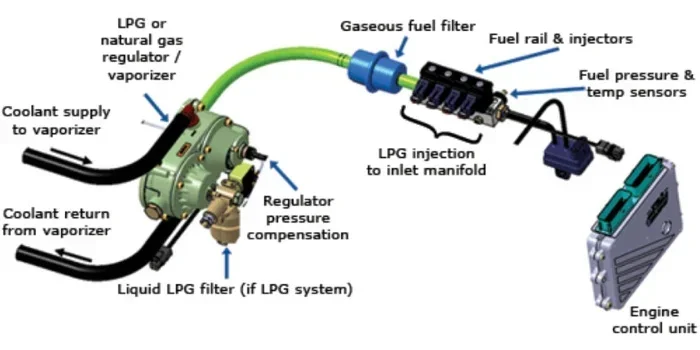
Now let us break down the individual car LPG gas kit parts one by one. Each part has a specific job, and understanding them helps you make smarter buying and maintenance decisions.
LPG Tank
The LPG tank is the most visible part of the system. It stores the gas in liquid form under pressure. Most tanks are made from strong steel or lightweight aluminium. You will usually find the tank in the spare wheel well of a sedan or in the cargo area of an SUV.
Tanks come in different sizes. A larger tank means more driving range on gas, but it also takes up more space. The LPG cylinder must meet safety standards and be inspected regularly. Always choose a tank that fits your vehicle and driving needs.
Reducer or Pressure Regulator
The LPG pressure regulator is sometimes called a reducer. Its job is to lower the gas pressure from the tank to a level the engine can use. Gas comes out of the tank at high pressure, and the reducer brings it down to a safe working level.
Without a properly functioning reducer, your engine would not run well on gas. This is one of the most important car LPG gas kit parts to get right. A good regulator ensures steady gas flow and smooth engine performance across all driving conditions.
LPG Injectors
LPG injectors spray gas into the engine’s intake manifold or directly into the cylinders. They work much like petrol injectors but are designed specifically for gas. The injector nozzle must be precise to deliver the correct amount of fuel.
In a sequential LPG system, each injector fires at the exact right moment for each cylinder. This timing is controlled by the ECU. High-quality injectors improve fuel atomisation, which leads to better combustion and more power from your engine.
Vaporiser
Liquefied petroleum gas needs to be in vapour form before it enters the engine. The LPG vaporiser handles this conversion. It uses engine heat or a separate heat source to turn liquid gas into gas vapour.
In cold weather, vaporisers can struggle. Some systems include a water jacket heater to help. If you live in a cold climate, pay extra attention to the vaporiser when choosing your car LPG gas kit parts. A good vaporiser ensures reliable starts and smooth running even on chilly mornings.
Fuel Filter and Solenoid Valve
Two small but vital parts protect your engine. The LPG filter removes impurities from the gas before it reaches the injectors. Clean fuel means less wear and better performance. You should replace this filter regularly as part of your LPG system maintenance routine.
The LPG solenoid valve controls the flow of gas. When you switch from petrol to LPG, this valve opens to let gas through. When you switch back, it closes tightly. A faulty solenoid valve can cause leaks or poor engine performance, so never skip inspections.
ECU and Wiring
The LPG ECU is the brain of the system. It controls gas injection timing, pressure, and the switch between petrol and gas. The ECU receives signals from sensors and makes real-time adjustments to keep your engine running smoothly.
ECU tuning is a crucial step during installation. A well-tuned ECU ensures your dual fuel vehicle gets the best of both worlds. The wiring harness connects all the parts together, and quality cables prevent signal loss and electrical problems.
How to Choose the Right Car LPG Gas Kit Parts
Selecting the right components for your vehicle can feel overwhelming. But with a few key considerations, the process becomes much simpler. Here is what to keep in mind when shopping for car LPG gas kit parts.
Match the Kit to Your Engine
Not all kits work the same way. Your engine size, fuel injection type, and vehicle model all matter. A kit designed for a small petrol engine will not perform the same way on a larger engine. Always check compatibility before buying.
Look for kits that list your specific vehicle make and model. Brands like BRC, Prins, and Stag offer systems tailored to different engines. Choosing the right autogas conversion kit from the start saves you time and money on adjustments later.
Consider Sequential vs. Vapor Injection
Sequential LPG systems are the most advanced option. They inject gas directly into each cylinder with precise timing. This gives you the closest experience to running on petrol alone.
Vapor injection systems are simpler and more affordable. They mix gas vapour with air before it enters the intake manifold. While they work well, they are less precise than sequential systems. Your budget and driving needs should guide this choice.
Check for Certifications
Always buy car LPG gas kit parts that carry recognised safety certifications. Look for approvals from organisations like ECE, ADR, or ISO standards. Certified parts have been tested for safety and reliability.
Cheap, uncertified parts may seem tempting, but they can cause serious problems. A poorly made LPG tank or regulator can lead to leaks or even dangerous situations. Safety should always come first when dealing with gas systems.
Brand Reputation and Warranty
Stick with well-known brands in the autogas accessories market. Established brands invest in research, testing, and quality control. They also offer warranties that protect your investment.
Read reviews and ask your installer for recommendations. A car LPG gas kit parts set from a trusted brand gives you peace of mind and better long-term performance. Do not cut corners on quality when it comes to gas systems.
Installation Tips for Car LPG Gas Kit Parts
Installing a gas kit is a job best left to professionals. However, understanding the process helps you communicate with your installer and spot potential issues early.
Finding a Qualified Installer
Look for installers who are certified and experienced with LPG kit installation. Ask about their experience with your specific vehicle model. A skilled installer knows how to route gas lines safely and tune the ECU correctly.
A good installer will also test the system thoroughly before handing over the keys. They check for leaks, verify gas pressure, and ensure smooth switching between fuels. Never let anyone who is not qualified install your car LPG gas kit parts.
Common Installation Mistakes to Avoid
One common mistake is placing the tank too close to heat sources. The LPG cylinder should be away from exhaust pipes and engine heat. Another error is using the wrong size injector for your engine. This leads to poor performance and wasted gas.
Some installers skip proper ECU mapping. This is a big mistake. Without correct tuning, your engine may run lean or rich on gas, causing damage over time. Always ask your installer about their tuning process and what ECU tuning steps they follow.
Post-Installation Checks
After installation, run through a checklist. Verify that the solenoid valve opens and closes properly. Check all connections for leaks using a soapy water solution. Test both petrol and gas modes to ensure smooth transitions.
Your installer should also show you how to read the LPG gauge on your dashboard. This gauge tells you how much gas remains in the tank. Checking it regularly helps you avoid running out unexpectedly.
Maintenance and Care for LPG Kit Components
Keeping your car LPG gas kit parts in top condition is not hard, but it does require regular attention. A well-maintained system runs better, lasts longer, and keeps you safe on the road.
Regular Filter Replacement
The LPG filter catches dirt and debris that can clog your injectors. Over time, the filter becomes saturated and needs replacement. Most experts recommend changing it every 10,000 to 15,000 kilometres.
A clogged filter reduces gas flow and engine performance. You may notice rough idling or hesitation when accelerating. Replacing the filter is a small cost that prevents expensive repairs to your injectors and engine.
Inspecting Gas Lines and Connections
Check your LPG fuel lines and connections every few months. Look for cracks, loose fittings, or signs of wear. Gas lines run close to hot engine parts, so they can degrade faster than other components.
Use soapy water to test for leaks at every connection point. Bubbles forming on a joint mean gas is escaping. Tighten the fitting or replace the O-ring immediately. Never ignore a leak, no matter how small it seems.
Reducer and Vaporiser Care
The LPG reducer and vaporiser need periodic inspection. Check the reducer diaphragm for wear and tear. In cold climates, make sure the vaporiser heater is working properly.
Some systems have a water filter on the vaporiser that needs draining. This prevents water buildup that can cause freezing in winter. Ask your installer to show you how to maintain these parts during routine LPG system maintenance visits.
ECU and Sensor Checks
The LPG ECU and its sensors should be checked during regular service appointments. Faulty sensors can cause the system to inject too much or too little gas. This affects fuel economy and engine performance.
Keep your wiring harness clean and secure. Vibration from driving can loosen connections over time. A quick visual check during oil changes goes a long way in keeping your autogas fuel system running at its best.
Benefits of Installing Car LPG Gas Kit Parts
The advantages of converting your vehicle to LPG go beyond just saving money. Let us look at the full picture of what a quality car LPG gas kit parts setup can offer.
Significant Fuel Savings
LPG costs considerably less than petrol in most markets. Many drivers report saving 40 to 50 percent on fuel costs after switching to gas. For high-mileage drivers, these savings can offset the cost of the conversion kit within one to two years.
Over the lifetime of your vehicle, the savings can reach thousands of dollars. Even with the upfront cost of car LPG gas kit parts and installation, the long-term financial benefit is hard to ignore.
Reduced Engine Wear
LPG burns cleaner than petrol, which means less carbon buildup inside your engine. Your spark plugs stay cleaner longer, and your oil lasts more between changes. Over thousands of kilometres, this cleaner burn reduces wear on pistons, rings, and valves.
Many drivers find that their engines run more smoothly after conversion. The dual fuel vehicle benefits from the gentler combustion that gas provides. This is one of the hidden advantages that many people overlook.
Lower Emissions
Switching to LPG emissions that are significantly lower than petrol fumes. Gas produces fewer hydrocarbons, carbon monoxide, and particulate matter. If you care about air quality and your personal environmental footprint, LPG is a meaningful step forward.
In some regions, LPG vehicles qualify for reduced road taxes or access to low-emission zones. These perks add to the overall value of your conversion. It is good for your wallet and good for the planet.
Extended Driving Range
With a properly sized LPG tank, you can extend your total driving range significantly. Many vehicles carry both a petrol tank and an LPG tank, giving you the flexibility to choose whichever fuel is available or economical at the time.
This dual-tank setup is especially useful for long road trips. You can use petrol in areas where gas stations are scarce and switch to LPG in urban areas where it is cheaper and more available. The autogas accessories in your kit make this switching seamless and effortless.
Common Mistakes When Buying Car LPG Gas Kit Parts
Even informed buyers sometimes make mistakes. Knowing what to avoid saves you money, time, and frustration.
Buying the Cheapest Kit
The lowest-priced car LPG gas kit parts often use inferior materials. Cheap injectors may not atomise fuel properly. A weak reducer may fail under pressure. These shortcuts lead to poor performance and costly repairs.
Invest in a mid-range or premium kit from a reputable brand. The upfront cost is higher, but you save money on repairs and replacements in the long run. Quality LPG conversion kit components are worth every penny.
Ignoring Compatibility
Not every kit fits every vehicle. Some kits are designed for specific engine types or fuel injection systems. Buying a generic kit without checking compatibility is a recipe for problems.
Always confirm that the autogas conversion kit matches your vehicle’s specifications. Your installer can help with this. Taking the time to verify compatibility before buying prevents headaches down the road.
Skipping Regular Maintenance
Some owners install a gas kit and forget about it. This is a mistake. LPG system maintenance is essential for safety and performance. Neglecting filter changes and inspections can lead to expensive damage.
Set a reminder to check your system every 10,000 kilometres. A few minutes of attention keeps everything running smoothly and ensures your car LPG gas kit parts last for many years of trouble-free driving.
Quick Tips for Car LPG Gas Kit Parts Owners
- Always use the recommended grade of LPG for your system to avoid injector damage.
- Keep your gas tank at least one-quarter full to prevent moisture buildup inside the cylinder.
- Switch to petrol for the first few kilometres of each trip to warm up the engine and vaporiser in cold weather.
- Store spare O-rings and seals in your glovebox for quick repairs on the road.
- Log your service intervals for filter changes, reducer checks, and ECU diagnostics.
- Listen for unusual sounds like hissing or knocking, which can signal a problem with your gas system.
- Keep your installer’s contact handy for quick advice when something seems off with your LPG fuel system.
Expert Insights on Car LPG Gas Kit Parts
Industry professionals agree that the quality of your car LPG gas kit parts determines everything. A top-tier reducer, precision-matched injectors, and a well-calibrated ECU make all the difference between a smooth conversion and a frustrating one.
Experienced installers emphasise the importance of proper ECU tuning. They say that even the best parts will underperform if the mapping is not done correctly. Take the time to find an installer who understands your specific vehicle and engine type.
Another expert tip is to invest in a quality LPG gauge and monitoring system. These tools give you real-time data on gas pressure, fuel levels, and system health. Catching small issues early prevents major repairs later.
Conclusion
Car LPG gas kit parts are the building blocks of a smart, economical, and environmentally friendly way to fuel your vehicle. From the LPG tank and reducer to the injectors, ECU, and filters, every component plays a vital role in delivering clean, efficient gas power to your engine.
By choosing quality parts, working with a qualified installer, and staying on top of maintenance, you can enjoy years of reliable service from your autogas system. The savings on fuel, the reduced engine wear, and the lower emissions make this investment well worth it.
Whether you are planning a full conversion or simply exploring your options, understanding car LPG gas kit parts puts you in control. Take what you have learned here, ask the right questions, and make confident decisions about your vehicle’s fuel future.
Frequently Asked Questions
What are the main car LPG gas kit parts I need for a conversion?
The essential car LPG gas kit parts include the LPG tank, reducer or pressure regulator, vaporiser, injectors, fuel filter, solenoid valve, ECU, and wiring harness. Each part plays a specific role in storing, processing, and delivering gas to your engine safely and efficiently.
How much does it cost to install a complete LPG gas kit?
The cost varies depending on your vehicle and the quality of the autogas conversion kit. A basic vapor injection system may cost less, while a full sequential LPG system with premium components runs higher. Most owners spend between $1,500 and $3,500 for parts and professional installation combined.
Is it safe to drive with a car LPG gas kit installed?
Yes, when installed correctly and maintained regularly, an LPG conversion system is very safe. Modern kits include multiple safety features like shut-off valves, pressure relief devices, and leak detection sensors. Always use certified parts and a qualified installer for peace of mind.
How often do I need to replace car LPG gas kit parts?
Most car LPG gas kit parts last a long time with proper care. The LPG filter should be replaced every 10,000 to 15,000 kilometres. The reducer diaphragm may need replacement after 50,000 kilometres. Regular inspections help you catch worn parts before they cause problems.
Can I switch between petrol and LPG while driving?
Yes, most modern systems allow you to switch fuels while driving. You simply press a dashboard button or switch to toggle between petrol and gas. The LPG ECU handles the transition smoothly, and your engine continues to run without interruption.
Will installing LPG gas kit parts void my vehicle warranty?
This depends on your manufacturer and region. Some warranties cover LPG conversions if done by certified installers with approved parts. Always check your warranty terms before proceeding. Using certified car LPG gas kit parts and a reputable installer gives you the best protection.