Heres Why Your Car Wont Turn Over but Has Power
When your car won’t turn over but has power, it can be frustrating and confusing. This guide covers the most common reasons — from a weak car battery and faulty starter motor to fuel pump problems — and gives you practical steps to diagnose and fix the issue fast.
Key Takeaways
- Check the battery first: Even with power, a weak battery can prevent your engine from cranking properly.
- Starter motor issues are common: A bad starter is one of the top reasons your car won’t turn over.
- Fuel system problems matter: A failed fuel pump or clogged filter can stop your engine from starting.
- Ignition system checks help: Faulty spark plugs or ignition coils can cause engine not starting symptoms.
- Know when to call a pro: Some problems need professional diagnostics and tools.
- Regular maintenance prevents surprises: Simple upkeep keeps your car from leaving you stranded.
- Don’t ignore warning signs: Slow cranking or dim lights often signal bigger issues ahead.
📑 Table of Contents
Why Your Car Won’t Turn Over but Has Power
Few things in life are more annoying than turning your key or pressing the start button only to hear silence — or maybe a faint click — even though your car has power. The lights come on. The radio plays. But the engine just won’t turn over. It’s a situation every driver dreads, and it can happen at the worst possible time.
When your car won’t turn over but has power, the problem usually sits somewhere between your battery and the engine. It could be something simple like a loose connection. Or it could be a failing starter motor. The good news? Most of these issues are fixable. And you can often figure out what’s going on with a few simple checks.
In this guide, we’ll walk you through the most common reasons your engine won’t crank, how to diagnose the problem step by step, and what you can do to fix it — whether you’re in your driveway or on the side of the road.
What Does It Mean When Your Car Won’t Turn Over but Has Power?
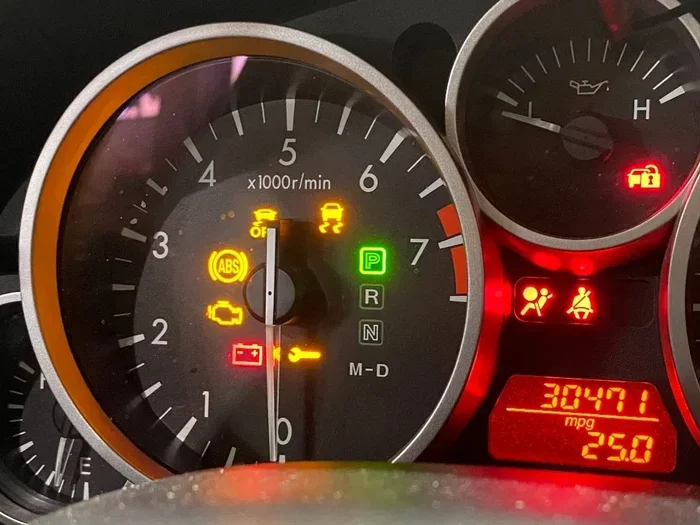
Let’s break this down first. When we say your car “has power,” we usually mean your electrical system is working. Your headlights shine bright. Your dashboard lights up. Your phone charges fine. But when you turn the key, the engine doesn’t fire up.
This tells you something important. Your car battery isn’t completely dead. It still sends electricity to your car’s accessories. But something is stopping it from delivering enough energy to the engine. That “something” could be a handful of things.
How Your Car’s Starting System Works
Understanding the basics helps a lot. Here’s a simple look at how your car starts:
- You turn the key or press the start button.
- The battery sends electricity to the starter motor.
- The starter motor spins the engine.
- The engine draws in air and fuel.
- The ignition system creates a spark to ignite the fuel.
- The engine fires and runs on its own.
Break any link in that chain, and your engine won’t start. Since your accessories still work, the battery is partly doing its job. The issue likely lives further down the line.
Common Causes of Car Not Turning Over
Now let’s get into the real stuff. These are the most frequent reasons your engine won’t start even though you have electrical power.
1. Weak or Failing Car Battery
Your battery might show “power,” but that doesn’t mean it’s strong enough to do its job. A battery can keep your lights on and still lack the juice to crank an engine. Car battery issues are the number one reason drivers face this problem.
Over time, batteries lose their charge. Cold weather makes it worse. So does leaving your headlights on overnight. Even a battery that’s just a few years old can weaken without you noticing.
Signs of a weak battery include:
- Dim headlights when you turn the key.
- A slow or sluggish engine crank.
- Clicking sounds instead of a full turnover.
- Dashboard warning lights that flicker.
2. Faulty Starter Motor
The starter motor is a small but mighty component. It takes all that electrical energy from your battery and uses it to physically spin your engine. When it fails, you’re stuck.
A bad starter often gives you specific clues. You might hear a single click when you turn the key. Or you might hear a grinding noise. Either way, the engine doesn’t catch. Starter motor problems are especially common in older vehicles or cars that sit for long periods.
Here’s a quick way to test your starter. Have someone turn the key while you tap the starter gently with a wrench. If the engine suddenly fires up, your starter is likely the problem. But don’t make this a habit — it’s a temporary test only.
3. Bad Starter Relay
Your starter relay acts like a switch. It sends power from the battery to the starter motor. If the relay goes bad, the signal never reaches the starter. You’ll hear a click, but nothing happens.
Replacing a starter relay is usually cheap and easy. It’s often found in the fuse box under your dashboard or hood. Check your car’s manual to locate it.
4. Fuel Pump Failure
Here’s one many people overlook. Your engine needs fuel to run. If your fuel pump stops working, the engine gets nothing — even though everything else seems fine.
When you turn the key to the “on” position (before cranking), listen closely near the back of your car. You should hear a brief humming sound from the fuel pump. No sound? That’s a red flag. A failed fuel pump can leave you with a car that has full power but absolutely won’t start.
5. Clogged Fuel Filter
Related to the fuel pump, a clogged fuel filter restricts the flow of gasoline to your engine. Over time, dirt and debris build up. Eventually, enough fuel can’t get through to start the car.
Regular fuel filter changes prevent this. Most mechanics recommend swapping it every 30,000 to 40,000 miles. Check your vehicle’s maintenance schedule to stay on track.
6. Spark Plug or Ignition Coil Problems
Your ignition system creates the spark that lights your fuel. If your spark plugs are worn or fouled, that spark either doesn’t happen or is too weak. The engine cranks but never catches.
Ignition coils can fail too. A bad coil means no spark reaches one or more cylinders. You might notice your car misfires or struggles to start before it refuses completely. Replacing spark plugs is one of the most affordable fixes in car maintenance.
7. Immobilizer or Key Fob Issues
If you drive a newer car, your key fob talks to your car’s computer. The immobilizer system checks that the key is legitimate before allowing the engine to start. A weak key fob battery or a glitch in this system can block the startup entirely.
Try replacing the small battery inside your key fob. You’d be surprised how often that solves the problem. Some drivers also find that holding the key fob closer to the start button helps when the car won’t recognize it.
8. Neutral Safety Switch Malfunction
This small switch prevents your car from starting unless it’s in Park or Neutral. If it malfunctions, your car might think it’s still in gear. That blocks the engine from turning over — even with a fully charged battery.
Try shifting into Neutral and starting the car. If it works, the switch is likely the culprit. This repair is usually straightforward and inexpensive.
How to Diagnose the Problem Step by Step
Now that you know the common causes, let’s talk about car troubleshooting. Follow these steps to narrow down what’s going on.
Step 1: Listen Carefully
When you turn the key, what exactly do you hear? This matters a lot.
- Nothing at all: Points to a starter motor issue, bad relay, or immobilizer problem.
- A single click: Often means the starter motor or starter relay is failing.
- Rapid clicking: Usually signals a weak battery.
- Engine cranks but won’t fire: Likely a fuel or ignition system problem.
Step 2: Check Your Battery Voltage
Grab a multimeter if you have one. Touch the red probe to the positive terminal and the black probe to the negative terminal. Your battery should read at least 12.4 to 12.6 volts. If it drops below 12.0 volts, it likely doesn’t have enough power to crank the engine.
Also inspect the battery terminals. Look for corrosion — that white or greenish crusty buildup. Clean it off with a wire brush and see if that helps. Loose or corroded connections can block power flow even when the battery is fine.
Step 3: Test the Starter Motor
Have someone turn the key while you listen near the starter. A working starter hums and engages smoothly. If you hear grinding, the motor’s gear might be worn. If you hear nothing, test the electrical connections to the starter. A voltage drop test here can confirm if the starter needs replacing.
Step 4: Check for Fuel Delivery
Turn the key to the “on” position without cranking. Listen for the fuel pump hum near the fuel tank. No hum? Check your fuel pump fuse and relay first. If those are fine, the pump itself may need replacing. You can also try spraying a small amount of starting fluid into the throttle body. If the engine fires briefly, it confirms a fuel delivery issue.
Step 5: Inspect the Ignition System
Pull out a spark plug and check its condition. A wet or blackened plug suggests a fuel problem. A dry, carbon-covered plug points to an ignition issue. Testing a spark plug is easy and takes just a few minutes. A compression test can also tell you if your engine’s cylinders are sealing properly.
Quick Fixes You Can Try at Home
Before you call for car towing or take your vehicle to a shop, try these simple fixes. They solve the problem more often than you’d think.
Jump Start Your Car
Even though your car has power, a jump start can give the battery enough boost to turn over the engine. Use quality jumper cables and a good second battery or jump box. Connect positive to positive, negative to a metal part of the engine block, and try starting. Always follow proper safety steps.
Clean Battery Terminals
Corrosion on your battery terminals is a sneaky problem. A wire brush, baking soda, and water can clean them up in minutes. Tighten the connections securely afterward. This simple fix restores electrical flow and solves starting problems surprisingly often.
Replace the Key Fob Battery
This takes about two minutes. Swap in a fresh CR2025 or CR2032 battery (check your manual). Then try starting your car. Many drivers are shocked at how effective this tiny change can be.
Shift to Neutral
As mentioned earlier, try starting in Neutral. It bypasses a faulty neutral safety switch. If this works, schedule a repair soon — but at least you’re not stranded.
Check Your Fuses
Inspect the fuse box for blown fuses related to the starter, fuel pump, or ignition system. Replacing a blown fuse costs almost nothing and can save you a lot of headache.
When to See a Mechanic
Some problems need professional help. Don’t push it if you notice any of these situations:
- The engine cranks normally but never fires, even with starting fluid.
- You hear grinding or grinding-metal sounds from the starter area.
- Your battery tests fine but the car still won’t start.
- You need a compression test to check engine health.
- The fuel pump has been tested and confirmed dead.
- Your car’s computer shows error codes you can’t interpret.
A qualified mechanic has diagnostic tools that read your car’s computer codes. They can pinpoint problems in minutes. Spending a little on diagnostics now can save you from bigger repairs later. Trust your instincts. If something feels off, get professional help.
Preventing Future Starting Problems
The best car troubleshooting is the kind you never need. Regular maintenance keeps your starting system in great shape.
Keep Your Battery in Good Shape
Test your battery every six months, especially before winter. Clean the terminals regularly. Replace your battery every three to five years. Don’t wait for it to die unexpectedly.
Follow Your Maintenance Schedule
Change your spark plugs on time. Swap the fuel filter as recommended. Use quality fuel from trusted stations. These small habits protect your entire fuel and ignition system.
Don’t Let Your Car Sit Too Long
Cars that sit for weeks or months develop battery drain and fuel system issues. If you have a vehicle you rarely drive, use a battery maintainer. Drive it for at least 20 to 30 minutes weekly to keep things charged and lubricated.
Pay Attention to Warning Signs
Slow cranking. Dim lights. Clicking sounds. These are your car begging for help. Address them early. Ignoring engine not starting warning signs often leads to full breakdowns at the worst times.
Conclusion
Dealing with a situation where your car won’t turn over but has power is stressful. But now you know what to look for. We’ve covered the most common causes — from weak batteries and bad starter motors to fuel pump failures and ignition problems. You also have a step-by-step diagnostic plan and some quick fixes you can try yourself.
Not every problem needs a professional. Sometimes it’s as simple as cleaning a battery terminal or replacing a key fob battery. Other times, you’ll need a mechanic’s expertise. Either way, you now have the knowledge to handle the situation with confidence.
Keep up with regular maintenance. Listen to what your car tells you. And don’t ignore those early warning signs. Your car works hard for you every day. Give it the attention it deserves, and it’ll keep you on the road for years to come.
Frequently Asked Questions
Why does my car have power but won’t start?
Several reasons cause this. The most common include a weak battery that can’t crank the engine, a faulty starter motor, a failed fuel pump, or ignition system problems. Your accessories still work, but the engine needs more energy or a different system to start.
Can a bad starter motor cause a car not to turn over?
Yes, absolutely. A bad starter motor is one of the top reasons your engine won’t crank. You’ll often hear a single click or grinding sound instead of the engine turning over. Replacing the starter usually fixes the problem completely.
How do I know if my fuel pump is dead?
Turn the key to the “on” position and listen near the back of your car for a brief humming sound. No noise from the fuel tank area is a strong sign your fuel pump has failed. You can also try spraying starting fluid into the throttle. If the engine fires briefly, it confirms a fuel delivery problem.
Will jumping my car help if it won’t turn over?
It might help if your battery is weak but not completely dead. A jump start gives the battery extra power to crank the engine. If the problem is a bad starter, fuel pump, or ignition issue, jumping won’t fix it. Always diagnose the root cause after a successful jump start.
Can a key fob prevent my car from starting?
Yes. Newer cars use an immobilizer system that communicates with your key fob. A dead battery inside the fob or a signal interference issue can block the engine from starting. Try replacing the fob battery or holding the fob closer to the start button.
How much does it cost to fix a car that won’t turn over?
It depends on the problem. Cleaning battery terminals costs almost nothing. A jump start is free if you have cables. Replacing a starter motor typically costs between $200 and $500 including parts and labor. Fuel pump replacement runs $300 to $800. A mechanic’s diagnostic fee usually runs $50 to $100.