Common Toyota 4Runner Problems and How to Fix Them
Toyota 4Runners are tough SUVs, but they still face common issues over time. From engine and transmission hiccups to rust and electrical gremlins, knowing these problems early saves you money and headaches. This guide breaks down the most frequent common Toyota 4Runner problems and gives you clear, step-by-step fixes for each one.
The Toyota 4Runner has been a favorite SUV for decades. It is rugged, reliable, and built to last. But even the best vehicles face common Toyota 4Runner problems over time. Whether you own a 2005 model or a brand-new 2024, issues can pop up. The good news is that most of these problems have simple fixes.
In this guide, we will walk through every major issue owners report. We will also give you practical solutions you can use right away. If you want to keep your 4Runner running strong for years, this article is for you.
Key Takeaways
- Engine and transmission issues are the most reported Toyota 4Runner problems, especially in older models.
- Rust and body damage can become serious if not caught early, particularly in cold or coastal areas.
- Electrical gremlins like faulty sensors and AC failures are common and often easy to address.
- Regular maintenance is the best way to prevent most common Toyota 4Runner problems before they start.
- DIY repairs can save hundreds of dollars on simple fixes like air filters, spark plugs, and fluid changes.
- Knowing your model year helps you anticipate specific issues tied to that generation of the 4Runner.
📑 Table of Contents
- Common Toyota 4Runner Engine and Transmission Problems
- Electrical and Cooling System Issues
- Rust and Body Damage Concerns
- Suspension and Drivetrain Problems
- Brake and Safety System Issues
- How to Prevent and Fix Common Toyota 4Runner Problems
- Toyota 4Runner Repair Costs by Problem
- Common Toyota 4Runner Problems by Model Year
- Final Thoughts on Common Toyota 4Runner Problems
Common Toyota 4Runner Engine and Transmission Problems
The engine and transmission are the heart of any vehicle. When something goes wrong, you feel it fast. Toyota 4Runner engine problems are some of the most searched topics online. Let us break down the most frequent ones.
Engine Oil Consumption and Burning Oil
Many 4Runner owners report excess oil burning. This is especially true for older models with the 4.0-liter V6 engine. You might notice blue smoke from the exhaust. Or you may need to add oil between changes. This happens because valve seals wear out over time. Piston rings can also get weak. Both let oil slip into the combustion chamber.
The fix? Start with regular oil checks. Use the right weight oil recommended by Toyota. If the problem gets worse, a mechanic can replace valve seals. In bad cases, piston ring replacement may be needed. But catching it early keeps costs low.
Transmission Slipping and Rough Shifting
Transmission issues are among the most serious common Toyota 4Runner problems. Owners of older models sometimes feel the transmission slip between gears. You might notice a delay when shifting from park to drive. Some drivers report rough or jerky shifts.
Low transmission fluid is the number one cause. Check your fluid level often. Look for dark or burnt-smelling fluid. That means it is time for a change. Toyota recommends changing transmission fluid every 60,000 miles. For older 4Runners, a full fluid and filter swap can work wonders. If slipping continues, the transmission solenoid may need replacement. A trusted mechanic can diagnose this quickly.
Check Engine Light and Sensor Failures
Nothing scares a driver more than a flashing check engine light. The 4Runner has many sensors that monitor engine performance. When one fails, the light comes on. Common culprits include the oxygen sensor, mass airflow sensor, and catalytic converter. Each one triggers a specific error code.
Do not ignore the light. Use an OBD-II scanner to read the code. Many auto parts stores will do this for free. Once you know the code, you can fix the exact problem. Often, it is a simple sensor replacement. Replacing sensors early prevents bigger damage to the engine.
Electrical and Cooling System Issues
Modern vehicles rely heavily on electronics. The 4Runner is no different. Electrical and cooling problems can be annoying but are usually manageable.
AC and Heater Malfunctions
Your 4Runner’s AC system can fail for several reasons. The most common cause is a refrigerant leak. You might notice warm air blowing from the vents. The compressor may also stop working. This often happens due to a faulty relay or worn clutch.
Start by checking the refrigerant level. If it is low, a recharge kit from an auto store can help. For leaks, a UV dye test can find the source. Replacing the compressor or relay is straightforward for most mechanics. In winter, heater problems often come from a broken heater core. Coolant leaks under the dashboard are a telltale sign.
Cooling System Overheating
An overheating engine is never good. The 4Runner cooling system can develop leaks in the radiator, hoses, or water pump. A stuck thermostat is another frequent cause. When the thermostat fails, coolant does not flow properly. The engine heats up fast.
Watch your temperature gauge closely. If it climbs into the red zone, pull over safely. Let the engine cool before opening the hood. Check the coolant level and look for visible leaks. Replacing a thermostat is inexpensive and easy. A failing water pump will need professional attention. Always use the correct coolant type for your 4Runner model.
Electrical Gremlins and Wiring Issues
Older 4Runners are known for electrical quirks. Power windows may stop working. The radio might flicker. Dashboard lights can behave strangely. These issues often trace back to corroded wiring or loose connections.
Start by checking the fuse box. A blown fuse is an easy and cheap fix. For wiring issues, inspect connectors under the dashboard. Corrosion builds up over time, especially in humid climates. Cleaning terminals with a wire brush often solves the problem. If electrical issues persist, a full wiring harness inspection is worth the cost.
Rust and Body Damage Concerns
Rust is one of the biggest enemies of any truck or SUV. The 4Runner is built strong, but its body is not immune to corrosion.
Where Rust Appears Most Often
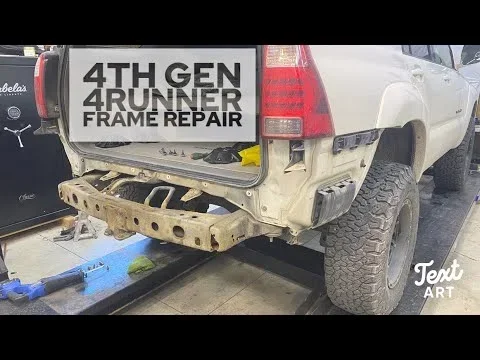
Rust tends to show up in specific areas on the 4Runner. The wheel wells are a prime spot. Rockers and side panels are also vulnerable. The undercarriage takes a beating from road salt and debris. Tailgate edges and door seams can trap moisture and start to rust.
If you live near the coast or use salt on roads in winter, your risk is higher. Salt accelerates rust formation dramatically. Regular washing, especially the undercarriage, helps a lot. Apply a rust inhibitor or undercoating every year or two.
Preventing and Fixing Rust
Prevention is always better than repair. Wash your 4Runner regularly. Apply wax to the paint at least twice a year. Check hidden areas like inside the wheel wells and under the doors. Use a flashlight to look for early signs of bubbling paint. That is rust starting.
For small rust spots, sanding and touch-up paint can stop the spread. Larger rust areas need professional repair. A body shop can weld in new metal panels. The cost varies widely. Small patches might cost a few hundred dollars. Full rust repair on a rocker panel can run over a thousand. The key is to act fast before the damage spreads.
Suspension and Drivetrain Problems
The 4Runner is a body-on-frame SUV built for off-road adventures. That tough build comes with suspension and drivetrain wear over time.
Suspension Wear and Noise
Worn suspension parts are among the most common Toyota 4Runner reliability concerns. You might hear clunking noises over bumps. The vehicle may pull to one side. Ride quality can get rough and uncomfortable.
Shock absorbers and struts wear out with mileage. Control arms and bushings also degrade over time. Ball joints and tie rod ends are common failure points. Replacing these parts restores a smooth, safe ride. Most suspension repairs cost between $200 and $800 per component. Getting them checked during every oil change is a smart habit.
Drivetrain and Transfer Case Issues
The 4Runner’s transfer case sends power to all four wheels. Over time, it can develop problems. You might hear grinding noises when switching between two-wheel and four-wheel drive. Fluid leaks around the transfer case are a red flag.
Low fluid causes internal wear. Check the transfer case fluid level regularly. Change it according to Toyota’s maintenance schedule. For older models, a transfer case rebuild may be necessary. The cost is usually between $1,500 and $2,500. But it keeps your 4Runner capable on and off the road.
Brake and Safety System Issues
Your 4Runner’s brakes and safety systems keep you and your family safe. Problems here should never be ignored.
Brake Wear and Brake Noise
Brake pads wear out over time. Squealing or grinding noises are the first signs. The 4Runner is a heavy vehicle. That means brakes wear faster than on lighter cars. Rotors can warp or develop grooves. This causes vibration when you press the brake pedal.
Replace brake pads every 30,000 to 50,000 miles. Check rotors at the same time. Warped rotors need resurfacing or replacement. Brake fluid should be flushed every two years. Old fluid absorbs moisture and reduces braking power. These simple steps keep your 4Runner stopping safely.
Recall Information and Safety Notices
Toyota issues recalls from time to time. Some affect the 4Runner specifically. Recalls can cover anything from airbag defects to fuel pump failures. Always check the NHTSA website for your specific model year. Enter your vehicle identification number to see if any recalls apply to your truck.
Dealers fix recall issues for free. Never ignore a recall notice. Even if your 4Runner seems fine, the fix ensures long-term safety. Keeping up with recalls is one of the easiest ways to maintain Toyota 4Runner reliability.
How to Prevent and Fix Common Toyota 4Runner Problems
Prevention is the best medicine. A well-maintained 4Runner can run for 300,000 miles or more. Here are the best habits to avoid common Toyota 4Runner problems.
Stick to a Regular Maintenance Schedule
Toyota provides a clear maintenance schedule for every 4Runner model year. Follow it closely. Oil changes, fluid flushes, and filter replacements keep everything running smooth. Do not skip scheduled services. Each one addresses a potential problem before it grows.
Keep a maintenance log. Write down every service and repair. This record helps you spot patterns. It also boosts resale value if you ever sell the truck.
Address Small Problems Before They Grow
A small noise today can become a big repair tomorrow. If something sounds or feels off, get it checked. Ignoring warning signs is the biggest mistake 4Runner owners make. A $50 fix today can save you $1,500 tomorrow.
Pay attention to dashboard warning lights. They are your vehicle’s way of talking to you. Learn what each light means. Take action quickly when something lights up.
Choose Quality Parts and Trusted Mechanics
When it is time for repairs, choose quality parts. OEM Toyota parts are designed specifically for your 4Runner. Aftermarket parts vary widely in quality. Stick with reputable brands. Find a mechanic who knows Toyota vehicles well. A specialist will diagnose problems faster and fix them right.
Building a relationship with a trusted shop pays off. They know your 4Runner’s history. They can spot developing issues before they become expensive repairs. Ask other 4Runner owners in your area for recommendations.
Protect Your 4Runner from the Elements
Weather takes a toll on any vehicle. Park in a garage whenever possible. If you do not have a garage, use a quality car cover. Wash your 4Runner regularly, especially after driving on salt roads or through mud. Apply a ceramic coating or wax for extra paint protection. These simple steps prevent rust, corrosion, and body damage.
Toyota 4Runner Repair Costs by Problem
Understanding repair costs helps you budget and plan. Here is a quick look at common fixes and their price ranges.
- Oil change and filter: $50 to $100
- Brake pad replacement: $150 to $350 per axle
- Oxygen sensor replacement: $100 to $250
- Thermostat replacement: $150 to $300
- Transmission fluid change: $100 to $250
- Shock absorber replacement: $200 to $800 per unit
- Transfer case rebuild: $1,500 to $2,500
- Rust repair (small patch): $200 to $500
- AC compressor replacement: $500 to $1,000
- Water pump replacement: $300 to $700
These are average costs and can vary by region and model year. Always get a detailed quote before approving major repairs. Shopping around can save you hundreds of dollars.
Common Toyota 4Runner Problems by Model Year
Different generations of the 4Runner have their own quirks. Here is a quick breakdown of issues tied to specific model years.
- 2003-2009 models: Prone to oil consumption, AC compressor failures, and rear differential issues. Rust is also common on older examples.
- 2010-2023 models: Fewer major problems. Owners report occasional transmission hesitation and electrical glitches with the infotainment system.
- 2024 and newer models: Still too new for long-term issues. Early reports mention software updates needed for the hybrid system in the new 4Runner.
Knowing your model year helps you prepare for what might come. It also helps you buy a used 4Runner with confidence.
Final Thoughts on Common Toyota 4Runner Problems
The Toyota 4Runner remains one of the best SUVs on the road. It is tough, capable, and built to last. But every vehicle faces its share of common Toyota 4Runner problems. Engine oil consumption, transmission hiccups, rust, electrical gremlins, and suspension wear are all part of ownership. The good news is that most of these issues have clear, affordable fixes.
Stay proactive with maintenance. Listen to your truck. Address small issues before they become big ones. With proper care, your 4Runner will reward you with years of reliable service. Whether you use it for daily commuting or weekend off-roading, a well-maintained 4Runner is a joy to own.
Take the time to learn your specific model’s quirks. Follow the maintenance schedule. Build a relationship with a good mechanic. These habits make all the difference. Your 4Runner is built to go the distance. Give it the care it deserves, and it will keep rolling strong for miles and miles to come.
Frequently Asked Questions
What are the most common Toyota 4Runner problems?
The most frequent issues include engine oil consumption, transmission slipping, rust on the body, AC and heater failures, and suspension wear. Electrical gremlins like faulty sensors and flickering lights are also common, especially in older models. Regular maintenance helps prevent most of these problems.
How do I fix oil burning in my Toyota 4Runner?
Start by checking your oil level regularly and using the correct oil weight. If the problem persists, worn valve seals or piston rings are usually the cause. A mechanic can perform a leak-down test to pinpoint the issue. Replacing valve seals is a common fix. In severe cases, piston ring replacement may be needed.
Are Toyota 4Runners reliable for long-term ownership?
Yes, the 4Runner has a strong reputation for reliability. Many owners reach 200,000 to 300,000 miles with proper care. Common Toyota 4Runner problems can be managed through regular maintenance and timely repairs. Choosing quality parts and a trusted mechanic extends the vehicle’s lifespan significantly.
How much does it cost to fix common 4Runner problems?
Costs vary widely depending on the issue. Simple fixes like sensor replacements or fluid changes cost $100 to $300. Major repairs like transmission work or rust repair can range from $1,000 to $2,500. Always get multiple quotes and ask for a detailed breakdown before approving repairs.
What model years of the 4Runner have the most problems?
Older models from 2003 to 2009 tend to have more reported issues, especially with oil consumption and rust. Later models from 2010 onward are generally more refined and reliable. Every 4Runner has its quirks, so research your specific model year before buying used.
Can I prevent common Toyota 4Runner problems myself?
Absolutely. Many issues are preventable with regular DIY maintenance. Change your oil on schedule, check fluid levels monthly, and inspect brakes and suspension regularly. Washing the undercarriage prevents rust. Using an OBD-II scanner to read warning codes helps you catch problems early before they become expensive repairs.
=== CONCLUSION ===
Common Toyota 4Runner problems are manageable when you know what to look for. From engine and transmission issues to rust and electrical gremlins, every 4Runner owner faces challenges. The key is staying proactive. Follow the maintenance schedule. Address small problems early. Use quality parts and trusted mechanics. With the right care, your 4Runner will deliver decades of dependable service. Keep this guide handy and share it with fellow 4Runner fans. A well-informed owner is the best defense against any vehicle problem.