Do I Have to Use Subaru Coolant or Are Other Coolants Okay
Using the right coolant keeps your Subaru engine running cool and protected. You do not always have to use genuine Subaru coolant, but you must match the correct specifications. Aftermarket coolants can work if they meet the required standards. Using the wrong type may cause overheating, corrosion, or expensive repairs.
Do I have to use Subaru coolant, or can I swap in something else from the auto parts store? This is a question many Subaru owners ask, especially when they are trying to save money or find a quick fix. The short answer is that you do not have to use only genuine Subaru coolant, but you do need to use a coolant that meets the right specifications.
Your Subaru engine runs hot. The cooling system works hard to keep temperatures in check. Using the wrong fluid can lead to overheating, corrosion, or even engine damage. That is why understanding what goes into your coolant system matters so much.
In this guide, we will break down everything you need to know about Subaru coolant. We will cover what makes Subaru coolant different, whether aftermarket options are safe, and how to pick the right one for your vehicle. By the end, you will feel confident about your choice.
Key Takeaways
- Subaru recommends specific coolant types: Check your owner manual for the exact specification your engine needs.
- Aftermarket coolants can be compatible: Many third-party coolants meet or exceed Subaru requirements when chosen correctly.
- Mixing coolants is risky: Combining different coolant types can cause chemical reactions that harm your cooling system.
- Coolant color does not always indicate compatibility: Do not assume a coolant is right for your Subaru just because of its color.
- Regular coolant flushes matter: Sticking to a proper flush schedule prevents buildup and keeps your engine healthy.
- DIY coolant changes save money: You can do it yourself if you follow the right steps and use the correct fluid.
- Watch for warning signs: Overheating, leaks, or a coolant warning light mean you need to act fast.
📑 Table of Contents
- What Is Subaru Coolant and Why Does It Matter?
- Do You Have to Use Genuine Subaru Coolant?
- Can You Mix Different Coolants?
- How to Choose the Right Coolant for Your Subaru
- How Often Should You Change Subaru Coolant?
- Can You Use Other Types of Engine Fluid Instead?
- Common Subaru Coolant Mistakes to Avoid
- Final Thoughts on Subaru Coolant Choices
What Is Subaru Coolant and Why Does It Matter?
Subaru coolant is a specially formulated fluid designed to work with Subaru engines. It does more than just keep your engine from freezing in winter or boiling in summer. It also prevents corrosion, lubricates the water pump, and helps maintain the right pH balance inside the cooling system.
Subaru uses specific coolant formulations that match the materials in their engines. Subaru engines use a mix of metals, plastics, and rubber seals. The coolant must be compatible with all of these materials. If it is not, it can cause leaks, degradation, or buildup over time.
The factory-recommended coolant for most Subaru models is a high-quality ethylene glycol-based coolant. It typically comes in a blue or pinkish color, depending on the model year. This coolant meets the Subaru specification for long-lasting protection and performance.
Why Coolant Type Matters for Your Engine
Not all coolants are created equal. Different manufacturers use different additive packages. These additives determine how well the coolant protects against corrosion, how long it lasts, and how it interacts with other fluids in your system.
Using the wrong coolant can cause several problems:
- Corrosion inside the engine block and radiator
- Reduced cooling efficiency, leading to overheating
- Damage to water pumps and hoses
- Sludge buildup that clogs the cooling system
- Voided warranty if you are still covered
This is why many owners wonder about alternatives. The good news is that you have options, as long as you choose wisely.
Do You Have to Use Genuine Subaru Coolant?
Here is the truth: you do not have to use genuine Subaru coolant. However, you do need to use a coolant that meets the same specifications. Subaru does not hold a patent on their coolant formula. What they do specify is the performance standard the coolant must meet.
Most Subaru models require a coolant that meets the JIS K2234 standard or an equivalent specification. This standard ensures the coolant provides the right level of protection for Subaru engines. As long as your aftermarket coolant meets this standard, it should work fine.
When I was shopping for coolant for my own Subaru, I found that several brands offered compatible options. The key was checking the label for the specification it meets. I never just grabbed the cheapest bottle off the shelf. Instead, I looked for the right specification number and matched it to what my owner manual recommended.
Genuine vs. Aftermarket Coolant
Let us compare the two options so you can make an informed decision:
| Feature | Genuine Subaru Coolant | Aftermarket Coolant |
|---|---|---|
| Price | Higher | Lower to moderate |
| Specification | Meets Subaru standard | Varies by brand |
| Availability | Dealer only | Auto parts stores, online |
| Warranty coverage | Fully covered | May or may not be covered |
| Performance | Optimized for Subaru | Good if spec matches |
| Shelf life | Long-lasting | Depends on brand quality |
As you can see, aftermarket coolant can be a great value. But you need to do your homework first. Not every aftermarket coolant is created equal, and some are much better than others.
Can You Mix Different Coolants?
This is one of the most common questions I see online. The short answer is no, you should not mix different coolants unless you are sure they are compatible.
Coolants use different additive packages. Some use organic acid technology (OAT), while others use inorganic acid technology (IAT) or a hybrid blend. When you mix incompatible coolants, the additives can react with each other. This reaction can create sludge, reduce cooling efficiency, and even clog your radiator.
If you are unsure what coolant is currently in your system, it is best to flush the entire system before adding new coolant. This ensures a clean slate and prevents any chemical reactions.
What Happens If You Mix Coolants by Accident?
Accidental mixing happens. Maybe you topped off your reservoir with a different coolant at a gas station. What should you do?
One small top-off is unlikely to cause immediate damage. But you should plan a full coolant flush soon. Here is what can happen if mixing continues over time:
- Gel-like substances form in the cooling system
- Flow restrictions develop in the hoses and radiator
- Corrosion accelerates on internal engine parts
- Cooling efficiency drops, increasing the risk of overheating
- Water pump wear increases due to poor lubrication
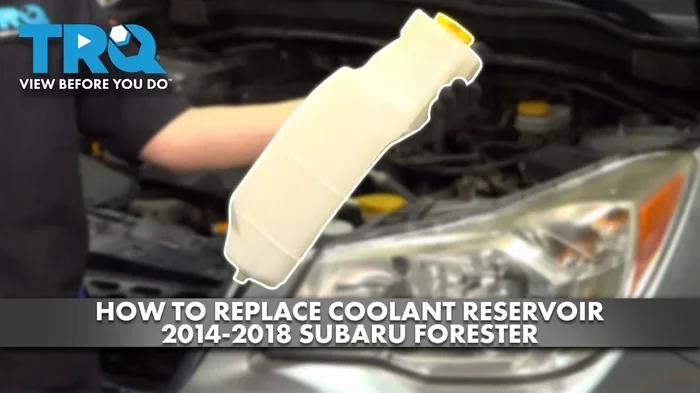
If you notice any of these issues, get your cooling system checked right away. You can also do your own car diagnostics at home to check for overheating signs before the problem gets worse.
How to Choose the Right Coolant for Your Subaru
Choosing the right coolant does not have to be confusing. Follow these steps to make sure you pick the best option for your Subaru.
First, check your owner manual. This is the ultimate guide for your specific model. It will tell you the exact coolant specification, capacity, and recommended change intervals. If you do not have the manual, you can often find a digital version on the Subaru website.
Second, look for the specification on the coolant bottle. The label should clearly state what standards the coolant meets. For Subaru, look for JIS K2234 or an equivalent standard. Some aftermarket brands clearly state “compatible with Subaru” on the packaging.
Third, consider the type of coolant. Most modern Subarus use long-life coolant that can last between 60,000 and 100,000 miles. Traditional coolants may need to be changed every 30,000 miles. Choosing the right type helps you stick to a maintenance schedule that makes sense.
Quick Tips for Choosing Coolant
- Always check the specification on the bottle before buying
- Buy from reputable brands like Prestone, Zerex, or Peak
- Do not rely on color alone to determine compatibility
- Pre-mixed coolants are easier to use if you do not want to measure water
- Check the expiration date on the coolant bottle
When I changed the coolant in my Subaru, I spent a few extra minutes reading labels at the store. It was worth it. I found a high-quality aftermarket coolant that met the exact specification my car needed, and I saved about 40 percent compared to the dealer price.
How Often Should You Change Subaru Coolant?
Coolant does not last forever. Over time, the additives break down and lose their effectiveness. Old coolant can become acidic, which leads to corrosion and scale buildup inside the cooling system.
Most Subaru manufacturers recommend changing the coolant every 60,000 miles or every 4 to 5 years, whichever comes first. Some newer models with long-life coolant can go up to 100,000 miles. Always check your owner manual for the specific recommendation for your model.
Here are some signs that your coolant may need changing:
- The coolant looks dark or rusty
- You notice a sweet smell coming from under the hood
- The temperature gauge reads higher than normal
- You see coolant leaks under your car
- The coolant reservoir has visible sediment
If you are comfortable doing it yourself, you can learn to handle basic coolant maintenance and other DIY tasks. Just make sure you dispose of old coolant properly, as it is toxic to animals and the environment.
The Cost of Ignoring Coolant Changes
Skipping coolant changes might save you a little time now, but it can cost you a lot later. Old coolant loses its ability to prevent corrosion. This can lead to radiator leaks, water pump failure, and even engine warping from overheating.
A coolant flush and refill typically costs between $100 and $200 at a shop. Compare that to the cost of replacing a radiator, which can run $300 to $800 or more. The math is clear. Staying on top of your coolant changes is one of the cheapest ways to protect your engine.
Can You Use Other Types of Engine Fluid Instead?
Some owners wonder if they can substitute other fluids for coolant in an emergency. This is a dangerous idea. Water, for example, does not have the same protective properties as coolant. It boils at a lower temperature and freezes more easily. It also does not prevent corrosion.
In a pinch, you can add distilled water to your coolant system to top it off. But this should be temporary. You should flush the system and refill with proper coolant as soon as possible.
Similarly, do not use fuel additives or other engine fluids as a substitute for coolant. These products are formulated for completely different purposes and can cause serious damage to your cooling system.
Understanding Coolant Colors and What They Mean
Coolant color can be confusing. Different brands use different dyes, and color does not always indicate the type of coolant. Here is a quick guide:
- Blue or pink often indicates traditional IAT coolant, though some Subaru OEM coolants are blue
- Green is commonly used for traditional IAT coolants
- Orange or red often indicates OAT or HOAT coolants
- Purple is sometimes used for hybrid coolants
The color alone does not tell you if the coolant is right for your Subaru. Always check the specification on the label. When in doubt, consult your owner manual or ask a trusted mechanic.
Common Subaru Coolant Mistakes to Avoid
Even experienced car owners make mistakes when it comes to coolant. Here are some common errors you should avoid:
1. Assuming all blue coolants are the same. Just because a coolant is blue does not mean it meets Subaru specifications. Always verify the standard it meets.
2. Topping off with the wrong fluid. If you are low on coolant, add the same type you already have. Mixing different types is a recipe for trouble.
3. Ignoring coolant leaks. A small drip today can become a major problem tomorrow. If you see any coolant under your car, get it checked immediately.
4. Forgetting to bleed the system. After a coolant change, air pockets can form in the system. These pockets can cause overheating. Make sure you bleed the system properly after any coolant work.
5. Using tap water to mix coolant. Tap water contains minerals that can cause buildup in your cooling system. Always use distilled water when mixing coolant.
When to See a Professional
Some coolant tasks are best left to the professionals. If you notice persistent overheating, a sweet smell that does not go away, or a coolant warning light on your dashboard, it is time to see a mechanic. These could be signs of a serious issue like a head gasket leak or a cracked radiator.
Also, if you are not comfortable doing a coolant flush yourself, there is no shame in visiting a shop. A professional can also check for any underlying issues while they are working on your cooling system.
Final Thoughts on Subaru Coolant Choices
So, do you have to use Subaru coolant? The answer is no, but with a big caveat. You must use a coolant that meets the correct specifications for your engine. Genuine Subaru coolant is a safe and reliable choice, but it is not your only option.
Aftermarket coolants can work just as well, as long as you pick the right one. Take the time to read labels, check your owner manual, and choose a coolant that matches your Subaru’s requirements. Your engine will thank you with years of reliable performance.
Taking care of your coolant is one of the simplest ways to protect your Subaru. It is a small maintenance task that can save you from expensive repairs down the road. Stay on top of your coolant changes, watch for warning signs, and always use the right fluid. Your Subaru will keep running smoothly for miles to come.
Remember, if you ever feel unsure about what to use, your Subaru dealer or a trusted mechanic can always guide you in the right direction. Do not guess when it comes to your engine. Make the informed choice and keep your Subaru cool.
Frequently Asked Questions
Can I use universal coolant in my Subaru?
Yes, you can use universal coolant in your Subaru as long as it meets the required specifications. Check the label to confirm it is compatible with Subaru engines. Universal coolants are designed to work with multiple vehicle types, but always verify the standard before purchasing.
What happens if I use the wrong coolant in my Subaru?
Using the wrong coolant can cause corrosion, overheating, and damage to internal components. It may also void your warranty if your vehicle is still covered. Always match the coolant to the specification listed in your owner manual.
How do I know what coolant my Subaru needs?
Your owner manual is the best source for coolant specifications. You can also check the coolant reservoir cap for the recommended type. If you are unsure, ask a Subaru dealer or mechanic for guidance.
Is Subaru coolant better than aftermarket coolant?
Subaru coolant is formulated specifically for Subaru engines, but aftermarket coolants can perform just as well if they meet the same specifications. The key is to check the standard on the bottle, not just the brand name.
Can I drive my Subaru with low coolant?
Driving with low coolant is risky and can lead to engine overheating. If your coolant level is low, top it off with the correct type as soon as possible. If you notice a persistent drop, check for leaks and get the system inspected.
How long does Subaru coolant last?
Most Subaru coolants last between 60,000 and 100,000 miles, depending on the type and driving conditions. Check your owner manual for the recommended change interval. Regular testing can also help you determine when it is time for a flush.
=== CONCLUSION ===
You do not have to use only genuine Subaru coolant, but you must use the right type. Whether you choose OEM or aftermarket, the most important thing is that the coolant meets your Subaru’s specifications. Taking a few extra minutes to choose the right fluid can save you from costly repairs and keep your engine running strong for years to come.