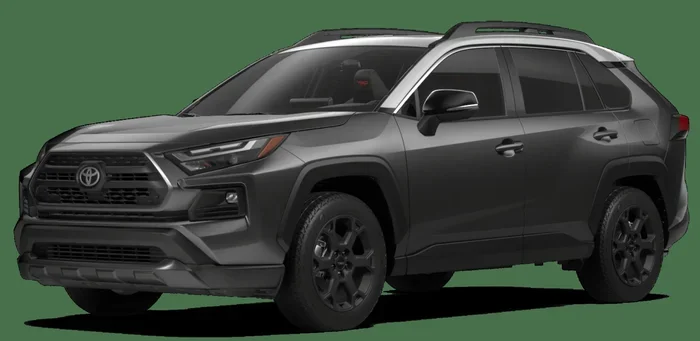
Do Toyota Dealerships Negotiate on New Car Prices Today
Do Toyota dealerships negotiate? The short answer is yes, but the process is different than it used to be. Toyota dealerships have shifted their pricing strategies, and understanding how they set prices can save you thousands. This guide reveals exactly how Toyota negotiation works in today’s market and gives you the tools to get the best deal.
Buying a new Toyota is exciting. Whether you want a sleek Camry, a rugged Tacoma, or a family-friendly Highlander, the dream of driving off the lot in a brand-new ride is real. But then comes the part nobody loves — the negotiation. You sit down with a salesperson, they quote you a number, and your stomach drops. Do Toyota dealerships actually negotiate on new car prices? The truth might surprise you.
The car buying landscape has changed dramatically over the past decade. Toyota dealerships today use sophisticated pricing tools, online configurators, and data-driven strategies that make traditional haggling feel almost outdated. But that does not mean you are powerless. Far from it. Understanding how Toyota pricing works gives you the upper hand. You can still save hundreds — sometimes thousands — of dollars on your next purchase.
In this guide, we break down everything you need to know about Toyota dealership negotiation. We cover how they set prices, what tricks they use, and exactly what you can do to get the best deal. By the end, you will feel confident walking into any Toyota dealership ready to negotiate like a pro.
Key Takeaways
- Toyota dealerships do negotiate, but they often use fixed or semi-fixed pricing models that limit room for haggling.
- Knowing the invoice price and MSRP gives you a major advantage when sitting across from a sales manager.
- Online pricing tools and research can help you determine a fair price before you ever step foot on a lot.
- Timing matters — end of month, end of year, and holiday weekends often bring the best deals.
- Doing your own car diagnostics and research at home puts you in a stronger position before negotiations begin.
- Toyota incentives and rebates can act as built-in negotiation leverage even when the sticker price seems firm.
- Being willing to walk away is the single most powerful negotiation tactic any buyer can use.
📑 Table of Contents
- How Toyota Dealerships Set Prices Today
- Do Toyota Dealerships Negotiate on New Car Prices?
- Proven Strategies to Negotiate Better Toyota Prices
- Toyota Incentives and Rebates That Help You Save
- Common Mistakes Buyers Make When Negotiating at Toyota Dealerships
- Quick Tips for Getting the Best Toyota Deal
- What the Future of Toyota Pricing Looks Like
- Final Thoughts: Do Toyota Dealerships Negotiate?
How Toyota Dealerships Set Prices Today
Toyota dealerships no longer operate the way they did twenty years ago. Back then, haggling was the norm. You would start at the sticker price and work your way down through several rounds of back-and-forth. Today, the process is more structured — and sometimes more confusing.
The Role of MSRP and Invoice Price
Every new Toyota comes with a Manufacturer Suggested Retail Price, commonly known as MSRP. This is the price listed on the window sticker. But the MSRP is not what the dealership paid for the vehicle. That lower number is the invoice price. The gap between MSRP and invoice price is where profit lives for the dealer.
Here is the thing many buyers do not realize. Toyota has been tightening its grip on dealership pricing. They use programs like Toyota Certified Pricing that recommend or even enforce retail prices. This means the days of massive markups are fading — but so is the room to negotiate on some models.
Online Pricing Tools and Market Competition
Websites like Cars.com, Edmunds, and Kelley Blue Book have changed the game. Buyers now know the fair market value of a Toyota before they visit a dealership. This transparency forces dealers to be more honest with their pricing.
Some Toyota dealerships have adopted no-haggle pricing models. These dealerships list a single price that they are not willing to move on. It sounds frustrating, but it actually works in your favor in many cases. The price is often already discounted below MSRP because the dealer knows they cannot negotiate it further.
Before visiting any dealer, I strongly recommend doing your homework. You can do your own car diagnostics and research the fair price range for any Toyota model online. Walking in with knowledge is your best negotiation tool.
Do Toyota Dealerships Negotiate on New Car Prices?
The answer is yes, but with limits. Toyota dealerships can negotiate, but the extent depends on several factors. Let us look at what influences their willingness to haggle.
Factors That Affect Negotiation Room
Several key factors determine how much a Toyota dealer can or will negotiate:
- Model popularity: High-demand models like the Toyota RAV4 or Tacoma often have less negotiation room because they sell fast.
- Inventory levels: If a dealership has too many of a certain model sitting on the lot, they are more willing to negotiate.
- Time of year: End-of-quarter and end-of-year periods create pressure on dealers to hit sales targets.
- Toyota incentive programs: Manufacturer rebates and incentives can function like built-in discounts that do not require negotiation.
- Dealer type: Franchise Toyota dealers may have different pricing flexibility than independent used car lots selling Toyotas.
Models Where Negotiation Is Easier
Not all Toyotas are created equal when it comes to negotiation. Some models are much easier to haggle on than others. Here is a quick look at where you might find more flexibility:
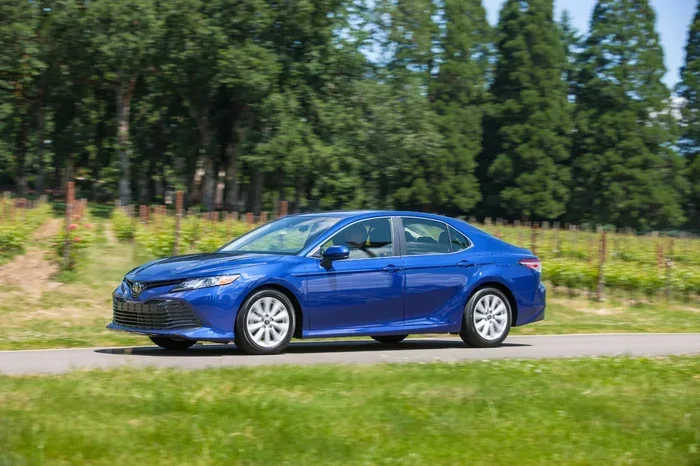
- Toyota Camry: Mid-size sedans often have stable demand and moderate inventory, giving you room to negotiate.
- Toyota Corolla: As one of the best-selling cars in America, Corollas sometimes come with manufacturer incentives that reduce the need for haggling.
- Toyota Avalon: This discontinued model still lingers in some dealer lots, and those remaining units often come with steep discounts.
- Toyota C-HR: Lower-demand compact SUVs can offer more wiggle room on price.
On the flip side, hot models like the Toyota Tacoma and Toyota 4Runner are notoriously hard to negotiate on. Dealers know buyers will pay close to or above MSRP for these trucks and SUVs.
Proven Strategies to Negotiate Better Toyota Prices
Now for the part you really want to know — how to actually negotiate a better price on a Toyota. These strategies work whether the dealer uses haggle pricing or no-haggle pricing.
Step 1: Research the Fair Price Before You Go
Knowledge is power. Before you visit any Toyota dealership, research the fair transaction price for the exact model, trim, and options you want. Use resources like Edmunds True Market Value, Kelley Blue Book, and Consumer Reports.
Write down the price range you find. When the salesperson quotes you a number, you will know immediately if it is fair or inflated. This alone puts you ahead of most buyers.
Step 2: Get Pre-Approved Financing
One of the smartest moves you can make is getting pre-approved auto financing from your bank or credit union before visiting the dealership. When you arrive with your own financing, the dealer cannot use the financing as a negotiation lever.
Dealers often make money on the financing side of the deal through something called dealer markup on interest rates. If you already have your own loan at a competitive rate, you remove that profit center and keep the negotiation focused on the vehicle price.
Step 3: Start Below Your Target Price
When the negotiation begins, always start with a number lower than what you are actually willing to pay. This gives you room to meet in the middle. For example, if the fair price for a Toyota RAV4 is $32,000, start your offer at $30,500.
Be polite but firm. Explain that you have researched the market and that your offer is based on competitive pricing data. Dealers respect buyers who come prepared.
Step 4: Use Competitor Quotes as Leverage
Toyota dealerships compete with each other. If you can show a salesperson that another dealer offered you a lower price, it creates urgency. Call or visit a competing Toyota dealer and ask for a quote. Then bring that quote to your preferred dealer.
This tactic works especially well for models that are not selling as quickly. The dealer would rather give you a small discount than lose the sale entirely.
Step 5: Negotiate the Total Price, Not the Monthly Payment
This is one of the most common mistakes buyers make. When a salesperson asks, “What monthly payment are you looking for?” they are trying to steer the conversation away from the total vehicle price. Focusing on monthly payments allows them to extend the loan term or hide fees.
Always negotiate the out-the-door price — the total cost of the vehicle including all taxes, fees, and charges. Once you agree on that number, the monthly payment becomes a simple math calculation. If the salesperson insists on discussing monthly payments, politely redirect the conversation back to the total price.
Step 6: Be Ready to Walk Away
This might be the most important tip of all. Being willing to walk away gives you incredible negotiating power. When a dealer senses you are ready to leave, they often become more flexible.
Do not be aggressive about it. Simply thank the salesperson for their time and let them know you need to think about it. Then visit another dealer. Often, the first dealer will call you back with a better offer.
Toyota Incentives and Rebates That Help You Save
Toyota offers a variety of manufacturer incentives that can reduce the price of a new vehicle without any negotiation at all. Understanding these programs is essential for any smart buyer.
Current Toyota Incentive Programs
Toyota runs several types of incentive programs throughout the year. Here are the most common ones you should know about:
- Cash-back rebates: These are direct discounts off the price. Toyota frequently offers $500 to $2,500 cash-back incentives on popular models.
- Low APR financing: Toyota sometimes offers 0% APR or low-interest financing for qualified buyers. This can save you thousands in interest over the life of the loan.
- Lease specials: If you prefer leasing, Toyota often runs attractive lease deals with low monthly payments and minimal down payments.
- College student discounts: Current college students and recent graduates may qualify for special pricing through Toyota’s college program.
- Military appreciation offers: Active military personnel and veterans can access exclusive discounts through Toyota’s military program.
- Conquest rebates: These are offered to owners of competing brands who are trading in their current vehicle for a Toyota.
The key is to combine these incentives with your negotiation skills. Even when a dealer cannot move the sticker price, stacking multiple incentives can deliver significant savings.
Common Mistakes Buyers Make When Negotiating at Toyota Dealerships
Even with the best intentions, many buyers sabotage their own negotiations. Avoid these common pitfalls to stay on track.
Mistake 1: Revealing Your Trade-In Too Early
Never discuss your trade-in vehicle until you have settled on the new car price. Dealers will try to use your trade-in as a distraction while they adjust the new car price upward. Keep the two negotiations separate.
Mistake 2: Falling in Love with a Car Before Negotiating
It is easy to get emotionally attached to a vehicle. But the moment you show excitement, the dealer knows you are less likely to walk away. Stay calm and detached. Remember, there are other Toyota dealerships and other vehicles available.
Mistake 3: Skipping the Test Drive
Some buyers skip the test drive to “save time” during the negotiation. This is a mistake. A test drive gives you confidence in the vehicle and also provides a natural break in the negotiation process. Use it to your advantage.
Mistake 4: Not Reading the Fine Print
Dealers sometimes add hidden fees and extras to the contract. These can include document fees, dealer preparation charges, and add-on products like extended warranties or paint protection. Review every line of the contract carefully before signing.
Quick Tips for Getting the Best Toyota Deal
Here are some quick, actionable tips you can use right away:
- Shop on weekdays: Dealerships are less crowded on Tuesdays and Wednesdays, giving salespeople more time to focus on you.
- Visit at the end of the month: Salespeople are under quota pressure at month-end and are more willing to make deals.
- Bring a friend: Having a second person with you can help you stay focused and provide moral support during tough negotiations.
- Use email quotes: Many Toyota dealerships now offer online quote systems. Getting quotes from multiple dealers creates competition.
- Check for Toyota Certified Pre-Owned options: If a new Toyota is too expensive, a certified pre-owned model can offer similar quality at a lower price.
What the Future of Toyota Pricing Looks Like
The car industry is evolving rapidly. Toyota dealerships are adapting to new technologies, changing consumer expectations, and increased competition from online car retailers. Here is what the future looks like for Toyota pricing and negotiation.
More Toyota dealers are moving toward transparent pricing models. This means listing the final price online so buyers know exactly what to expect. Some dealers have even started offering home delivery and online purchasing options that eliminate the traditional negotiation entirely.
However, the fundamentals of smart car buying remain the same. Research your target price, understand the market, get pre-approved financing, and always be willing to walk away. These timeless strategies will serve you well regardless of how the dealership industry changes.
If you want to stay ahead of the curve, continue doing your own research at home. Whether you are checking Toyota pricing guides or running basic car diagnostics on your current vehicle, staying informed is your greatest asset. You can even learn how to perform your own car diagnostics to better understand your vehicle’s condition before any negotiation begins.
Final Thoughts: Do Toyota Dealerships Negotiate?
So, do Toyota dealerships negotiate? The answer is a clear yes, but the negotiation looks different today than it did in the past. Toyota has moved toward more structured, data-driven pricing that limits the traditional haggling experience. However, savvy buyers who do their homework, use proven negotiation strategies, and leverage manufacturer incentives can still secure excellent deals.
The key is preparation. Know your numbers, understand the market, and never be afraid to walk away. Toyota dealerships want your business, and they will work to keep you — if you give them a reason to.
Remember, buying a Toyota should be an exciting experience, not a stressful one. Armed with the knowledge in this guide, you are now equipped to navigate the negotiation process with confidence. Go out there and get the best deal on your next Toyota.
Toyota dealership negotiation is not about being aggressive or confrontational. It is about being informed, patient, and strategic. When you approach the process with the right mindset, you walk away with a great vehicle at a fair price — and that is the best outcome for everyone.
Frequently Asked Questions
Do all Toyota dealerships negotiate on new car prices?
Not all Toyota dealerships negotiate the same way. Some use traditional haggle pricing, while others have adopted no-haggle or transparent pricing models. The willingness to negotiate also depends on the model, inventory levels, and current demand. High-demand models like the Tacoma are harder to negotiate on than slower-selling models.
How much can you really save by negotiating at a Toyota dealership?
Savings vary depending on the model, location, and timing. On average, buyers who negotiate effectively save between $500 and $2,000 off the MSRP. Some buyers save even more by combining negotiation with manufacturer rebates and incentives. The key is doing your research before you visit the dealership.
Is it better to buy a Toyota at the end of the month?
Yes, buying at the end of the month is generally a smart strategy. Salespeople are under quota pressure to close deals, which makes them more flexible on pricing. End-of-year and holiday weekends can also offer additional savings as dealers try to clear out inventory.
Can you negotiate Toyota financing rates at the dealership?
You can try, but the best approach is to secure your own financing beforehand. Getting pre-approved from a bank or credit union removes the dealer’s ability to mark up your interest rate. When you arrive with your own loan, the negotiation stays focused on the vehicle price rather than the financing terms.
What is the difference between MSRP and invoice price for a Toyota?
The MSRP is the price the manufacturer suggests the dealer sell the vehicle for. The invoice price is what the dealer actually paid the manufacturer. The difference between these two numbers is the dealer’s potential profit margin. Knowing both figures helps you determine a fair negotiation starting point.
Should you ever pay full MSRP for a Toyota?
Paying full MSRP should be a last resort, not a default choice. In today’s market, most buyers can find a Toyota at or below MSRP by using online tools, comparing dealer quotes, and leveraging manufacturer incentives. Only pay full MSRP if the vehicle is in extremely high demand and you are unwilling to wait for a better deal.