Does Chrysler Own Maserati Everything You Need to Know
Yes, Chrysler has owned Maserati at various points in history. The Italian luxury automaker went through several ownership changes, including a period under Fiat Chrysler Automobiles. Today, Maserati is part of the Stellantis family, which merged from the old FCA structure. Understanding this timeline helps car fans and buyers alike make informed decisions about luxury vehicle ownership.
Does Chrysler Own Maserati? Everything You Need to Know
So, does Chrysler own Maserati? The short answer is yes, but the full story is way more interesting than a simple yes or no. The relationship between Chrysler and Maserati has gone through many twists and turns over the past few decades. From Italian origins to American ownership and back again, the journey of Maserati under the Chrysler umbrella is a fascinating tale of luxury car brands, corporate mergers, and big business moves.
If you are a car enthusiast or someone considering buying a Maserati, understanding this ownership history matters. It affects everything from how the cars are built to what kind of maintenance and service you can expect. In this article, we will break down every chapter of this story. You will learn how Chrysler first got involved with Maserati, what happened when Fiat stepped in, and where things stand today under the Stellantis umbrella.
Let us dive right into the history and find out what really happened between these two iconic brands.
The Early Days of Maserati
Maserati was founded in 1914 in Bologna, Italy. The Maserati brothers built the company with one goal in mind. They wanted to create fast, beautiful, and powerful cars. For decades, Maserati earned a reputation as a maker of premium Italian sports cars that competed with Ferrari and Lamborghini.
Through the mid-20th century, Maserati raced on some of the most famous tracks in the world. The company won numerous competitions and built a loyal following. However, financial troubles started creeping in during the 1970s and 1980s. Like many Italian luxury brands, Maserati struggled to stay profitable on its own.
This financial pressure set the stage for some big changes. The company changed hands several times during this period. Each new owner brought different ideas about how to grow the brand. These early ownership shifts laid the groundwork for what would eventually become the Chrysler connection.
Chrysler’s First Move into Maserati
Chrysler first got involved with Maserati in the late 1980s. The American automaker saw an opportunity to boost its luxury car credentials. At the time, Chrysler was working on improving its image and expanding its lineup. Adding a prestigious Italian brand made a lot of sense from a business perspective.
In 1989, Chrysler bought a controlling stake in Maserati. This was a big deal in the automotive world. Suddenly, Chrysler had access to Maserati’s engineering expertise and brand prestige. The partnership led to some interesting models in the early 1990s.
However, the relationship was not without its challenges. Chrysler struggled to integrate Maserati into its operations. The two companies had very different corporate cultures and manufacturing approaches. Maserati was used to hand-building luxury cars in Italy. Chrysler was focused on mass production in the United States.
The Fiat Era and the Chrysler Group
Things got even more complicated when Fiat stepped into the picture. Fiat acquired Maserati in 1993, taking it away from Chrysler’s direct control. But here is where the story gets really interesting. Fiat and Chrysler later formed a partnership that would reshape the entire automotive landscape.
By 2009, Fiat had taken a major stake in Chrysler itself. This was after Chrysler went through bankruptcy proceedings. The merger created what was known as Chrysler Group LLC. Under this new structure, Maserati fell back into the Chrysler orbit.
Fiat Chrysler Automobiles (FCA) was officially formed in 2014. This new entity brought together Fiat, Chrysler, and all of their subsidiaries. Maserati became one of the premium brands under the FCA umbrella. Alongside Alfa Romeo, Maserati represented the luxury side of the Fiat Chrysler family.
How Maserati Operates Under FCA and Stellantis
Under FCA, Maserati had a clear role. It was the luxury performance brand that sat above the mainstream Chrysler, Dodge, and Jeep lines. The company developed new models and updated existing ones. Maserati released several popular vehicles during this period.
The Maserati Ghibli, for example, became a strong seller. The Levante SUV also helped the brand reach new customers. These models showed that Maserati could compete in the luxury SUV market while still offering sporty sedan options.
In January 2021, FCA merged with PSA Group to form Stellantis. This was one of the biggest automotive mergers in history. Today, Maserati sits alongside brands like Peugeot, Citroën, and Ram under the Stellantis umbrella. The merger gave Maserati access to new platforms and technology that it could not have developed on its own.
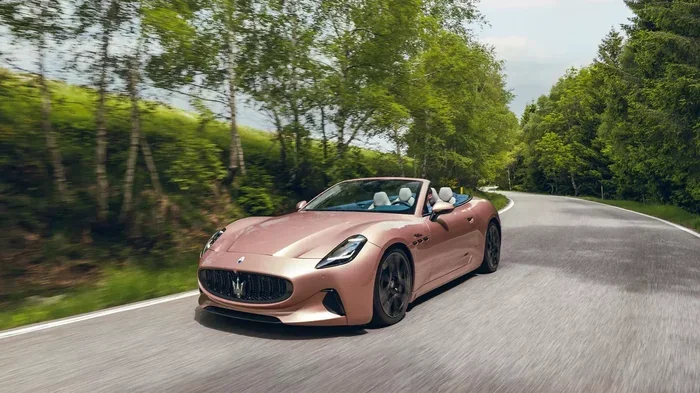
Stellantis has big plans for Maserati’s future. The company is investing heavily in electric and hybrid vehicles. This is a major shift for a brand that has traditionally focused on powerful gasoline engines. The Maserati Folgore electric lineup represents the brand’s first step into the EV market.
Does Sharing a Parent Company Affect Maserati?
One question that many car buyers ask is whether sharing a parent company affects Maserati’s identity. The answer is both yes and no. On one hand, Maserati benefits from shared technology and engineering resources. Platforms and components developed for other Stellantis brands can help reduce costs.
On the other hand, Maserati has worked hard to maintain its distinct Italian character. The design, engineering, and final assembly still carry the Maserati signature. The brand’s DNA of speed, elegance, and Italian craftsmanship remains at the core of every vehicle.
Some purists argue that being part of a large conglomerate dilutes the brand. Others believe it gives Maserati the financial stability it needs to compete with BMW, Mercedes-Benz, and Audi. The truth probably lies somewhere in between. Maserati has access to more resources now than it did when it was independent. At the same time, it must balance its luxury identity with the practical needs of a global corporation.
If you are curious about how modern car technology works across brands, you might enjoy learning about doing your own car diagnostics. It is a great way to understand the systems that power vehicles like Maserati on a deeper level.
The Future of Maserati Under Stellantis
The future looks exciting for Maserati. Stellantis has committed to an electrified future for the brand. By 2025, Maserati plans to offer only hybrid or fully electric vehicles. This is a bold move that shows the brand is serious about staying relevant in a rapidly changing market.
The Maserati Grecia, set to debut soon, will be one of the first fully electric models. It represents a new era for the brand. The company is also working on advanced driver assistance systems and cutting-edge infotainment technology.
Sustainability is another key focus. Maserati is exploring eco-friendly materials and manufacturing processes. This shift toward sustainability shows that even luxury brands must adapt to global environmental standards.
The brand’s identity is also evolving. Maserati is expanding beyond its traditional sports car roots. The Levante and Grecia show that the brand can compete in the luxury SUV and sedan segments. This broader approach helps Maserati reach new customers around the world.
If you are interested in how hybrid technology works in luxury vehicles, check out when a hybrid switches to gas to understand the mechanics behind these advanced powertrains.
Common Challenges Maserati Faces Today
Despite its exciting future, Maserati faces real challenges today. The luxury car market is more competitive than ever. Brands like BMW, Mercedes-Benz, Audi, and Lexus all compete for the same customers. Maserati must find ways to stand out.
Reliability concerns have also affected the brand’s reputation. Some Maserati models have had quality control issues over the years. This is something the company is actively working to improve. Better build quality and more reliable components are high priorities.
Pricing is another factor. Maserati vehicles tend to be less expensive than their German rivals. This can be an advantage for budget-conscious luxury buyers. However, it can also create a perception problem. Some buyers associate lower prices with lower quality.
The brand also needs to build a stronger dealer network and service infrastructure. In some markets, finding a qualified Maserati mechanic can be difficult. This is especially true for older models or cars that are far from authorized service centers.
Tips for Prospective Maserati Buyers
If you are thinking about buying a Maserati, here are some helpful tips to keep in mind. First, do your research on the specific model you are interested in. Each Maserati has its own strengths and weaknesses. Read expert reviews and owner feedback before making a decision.
Second, consider the long-term ownership costs. Luxury cars typically cost more to maintain than mainstream vehicles. Parts can be expensive, and specialized labor is often required. Budget for regular service and unexpected repairs.
Third, explore your financing options carefully. Maserati offers lease and loan programs that can make ownership more accessible. Compare rates from multiple lenders to find the best deal.
Fourth, think about insurance costs. Luxury vehicles often have higher insurance premiums. Get quotes before you commit to a purchase.
Finally, consider the resale value. Maseratis tend to depreciate faster than some German competitors. This can work in your favor if you buy used. Just make sure to get a thorough pre-purchase inspection from a qualified mechanic.
Owning a Maserati is a unique experience. The car turns heads wherever you go. The sound of the engine, the quality of the interior, and the overall driving experience are hard to match. For many owners, the emotional connection to the brand is worth the extra cost of ownership.
Key Takeaways
The relationship between Chrysler and Maserati has evolved significantly over the past three decades. What started as a bold acquisition in the 1980s grew into a complex corporate structure under FCA and now Stellantis. Maserati has benefited from shared resources and technology. At the same time, it has worked to preserve its Italian luxury identity.
Today, Maserati stands at a crossroads. The brand is transitioning to electric and hybrid powertrains. It faces tough competition from established German luxury makers. But it also has new opportunities in emerging markets and among younger buyers who value style and performance.
Understanding the ownership history of Maserati gives you valuable context. Whether you are a car enthusiast, a potential buyer, or just curious about the automotive industry, the Chrysler-Maserati story is a compelling one. It shows how brands evolve, adapt, and find their place in a constantly changing market.
The journey from Italian independence to American ownership and back to a global conglomerate is far from over. Maserati’s next chapter promises to be just as exciting as its past.
Key Takeaways
- Chrysler and Maserati share a long ownership history that dates back to the late 1980s and early 1990s.
- Fiat Chrysler Automobiles (FCA) brought Maserati under the same corporate umbrella as Dodge, Jeep, and Ram.
- Stellantis now owns Maserati following the 2021 merger of FCA and PSA Group.
- Maserati remains a premium Italian luxury brand even though it shares resources with other automakers.
- Understanding car ownership history helps buyers make smarter purchasing decisions.
- Hybrid and electric technology is shaping Maserati’s future model lineup.
- Regular maintenance and diagnostics are essential for keeping a Maserati running at its best.
Frequently Asked Questions
Did Chrysler originally create Maserati?
No, Chrysler did not create Maserati. Maserati was founded in Italy in 1914 by the Maserati brothers. Chrysler first acquired a stake in the company in 1989 and later became part of the Fiat Chrysler family through a series of mergers and partnerships.
What is Maserati’s current parent company?
Maserati is currently owned by Stellantis, which was formed in 2021 through the merger of Fiat Chrysler Automobiles (FCA) and the PSA Group. Stellantis is one of the largest automotive conglomerates in the world.
Are Maserati cars reliable?
Maserati reliability varies by model and year. Some owners report excellent experiences while others have faced mechanical issues. Regular maintenance and proper care go a long way in keeping a Maserati running smoothly and reliably over the years.
Is Maserati considered a luxury brand?
Yes, Maserati is widely regarded as a luxury Italian car brand. It competes with brands like BMW, Mercedes-Benz, and Audi in the premium segment. Maserati emphasizes style, performance, and Italian craftsmanship in every vehicle it produces.
Will Maserati go fully electric?
Stellantis has announced plans for Maserati to offer only hybrid or electric vehicles by 2025. The Maserati Folgore lineup represents the brand’s first fully electric models, signaling a major shift in the company’s powertrain strategy.
Can I work on a Maserati myself?
While some basic maintenance tasks can be done at home, Maseratis are complex machines that generally require professional service. If you are interested in learning more about handling your own vehicle diagnostics, there are resources available that can help you understand the systems better before you start working on your car.
=== CONCLUSION ===
So, does Chrysler own Maserati? The answer is a resounding yes, with some important historical context. Maserati has been part of the Chrysler family in various forms since the late 1980s. It has passed through Fiat’s control and now sits under the Stellantis umbrella. Each ownership change brought new opportunities and challenges for the Italian luxury brand.
Today, Maserati is poised for an exciting future. The shift toward electric vehicles, the commitment to Italian design excellence, and the backing of a global automotive giant all point toward bright things ahead. Whether you are a longtime Maserati fan or a curious observer, there has never been a better time to pay attention to this iconic brand.
Understanding the ownership story of Maserati helps you appreciate the car more. It also gives you valuable insights into how the global automotive industry works. Brands rise, fall, merge, and evolve. Maserati’s journey through Chrysler and beyond is a perfect example of how luxury car manufacturing adapts to changing times.
If you are considering a Maserati purchase or just love learning about cars, keep following the latest developments. The next chapter of this story is still being written, and it promises to be one of the most exciting chapters yet.