Does Insurance Cover Car Break-Ins And Vehicle Theft
Yes, most auto insurance policies cover car break-ins and vehicle theft — but only if you have comprehensive coverage. Understanding what your policy includes can save you thousands of dollars in unexpected losses. This guide breaks down exactly how car insurance handles break-in claims, what to do after a theft, and how to avoid common mistakes that lead to denied payouts.
This is a comprehensive guide about Does Insurance Cover Car Break-Ins?.
Key Takeaways
- Comprehensive coverage is essential: It’s the only part of most auto insurance policies that covers break-ins and theft.
- Act quickly after a break-in: File a police report and contact your insurer within 24 hours for the best results.
- Deductibles apply: You will pay your deductible amount before your insurer covers the rest.
- Personal belongings may not be covered: Car insurance typically does not cover items stolen from your vehicle — that’s where renters or homeowners insurance comes in.
- Anti-theft devices can lower premiums: Installing car alarms and tracking systems may reduce your insurance costs.
- Document everything: Photos, receipts, and police reports strengthen your claim significantly.
- Gap insurance helps with loans: If you owe more than your car is worth, gap insurance covers the difference after a theft claim.
[FEATURED_IMAGE_PLACEHOLDER]
Your car gets broken into. Windows shattered. Belongings gone. And then the scary question hits you — does insurance cover car break-ins? You are not alone. Thousands of car owners face this situation every year, and many are left confused about what their policy actually pays for.
The short answer is yes, but with important conditions. Your auto insurance policy needs to include comprehensive coverage, which is the specific part of your plan that handles theft and break-in damage. Without it, you are likely paying out of pocket for everything from broken windows to stolen electronics.
This article will walk you through everything you need to know. We will cover how car insurance coverage works for break-ins, what steps to take after a theft, how to file a successful claim, and how to protect your vehicle from future incidents. Whether you are dealing with an active claim or just want to be prepared, this guide has you covered.
Let us get into it. Understanding your vehicle protection options could save you a lot of stress — and money — when things go wrong.
What Does Car Insurance Cover For Break-Ins?
When it comes to car break-ins and vehicle theft, most people assume their regular car insurance will kick in. That is not always the case. The coverage you receive depends entirely on the type of policy you hold and the specific details of the incident.
Here is the key distinction. Liability insurance covers damage you cause to other people or their property. It does not cover damage to your own car. If someone breaks into your vehicle and damages the door, window, or ignition, liability insurance will not help you.
So what does? That is where comprehensive coverage comes in. This optional add-on to your standard auto policy covers damage from events that are not collisions. Think of it as protection against the unexpected things life throws at your car.
What Comprehensive Coverage Includes
Comprehensive coverage typically pays for the following when your car is broken into or stolen:
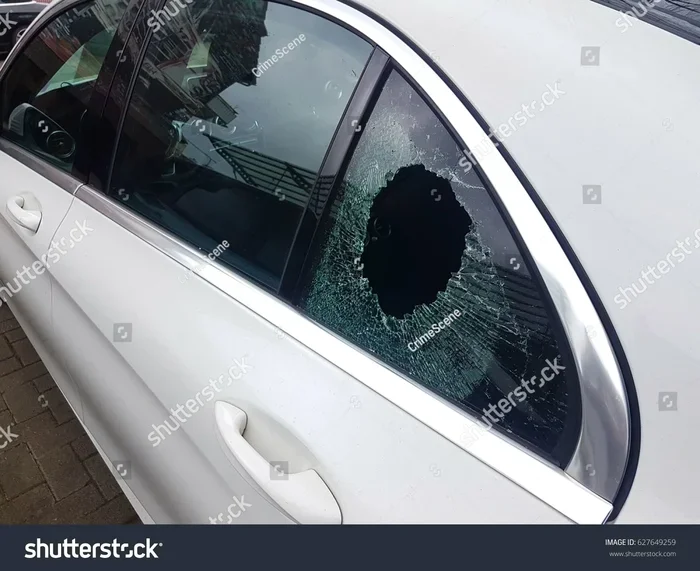
- Broken windows and glass damage from forced entry
- Damaged locks, ignitions, and steering columns after a break-in attempt
- Stolen vehicle reimbursement if your car is never recovered
- Vandalism damage such as scratches, dents, or graffiti
- Replacement parts needed to restore your vehicle to working condition
It is important to note that comprehensive coverage pays up to the actual cash value of your vehicle. This means your insurer will not pay what you originally paid or what you owe on a loan. They pay what the car is worth at the time of the incident. If your car is older and has low market value, the payout might not be very high.
What Comprehensive Coverage Does Not Cover
Even with comprehensive auto insurance, there are gaps. Your policy generally will not cover:
- Personal belongings stolen from your car — like laptops, phones, or bags
- Rental car costs while your vehicle is being repaired (unless you have rental reimbursement coverage)
- Mechanical failures that existed before the break-in
- Damage caused by excluded items listed in your policy
For personal items, you would typically need renters insurance or homeowners insurance to file a claim. This is a common point of confusion for many car owners. Always check with your insurer to understand exactly what is and is not included in your policy limits.
How To File A Break-In Insurance Claim
Filing a claim after a car break-in can feel overwhelming, especially when you are already stressed. But following the right steps makes the process much smoother and increases your chances of a successful payout.
Step 1: Secure Your Vehicle And Document Everything
As soon as you discover the break-in, do not touch anything inside the car. You want to preserve the scene for evidence. Take clear photos of all damage — shattered windows, broken locks, pried doors, and any items that were taken.
If you have a car security system with cameras or a dashcam, save that footage immediately. This evidence is incredibly valuable during the claims process.
Step 2: File A Police Report
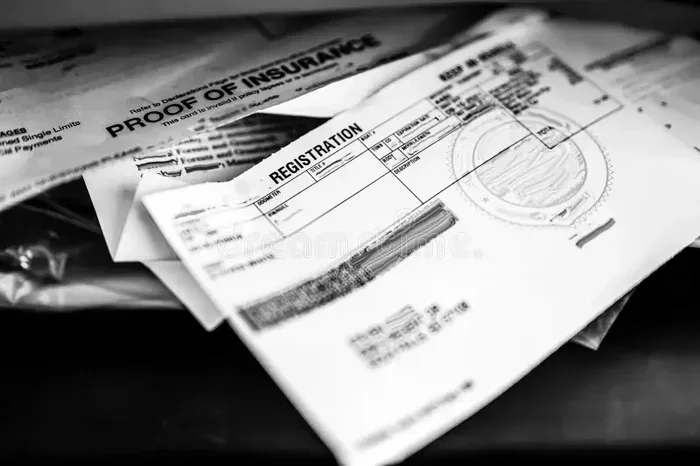
You must file a police report. This is non-negotiable. Your auto insurance company will almost always require a copy of the police report before they process your claim. Go to the nearest station or file online, depending on your local jurisdiction.
Make sure the police report includes a detailed description of the damage and any items stolen. The more specific you are, the better. Write down the report number and keep a copy for your records.
Step 3: Contact Your Insurance Provider
Call your insurer as soon as possible — ideally within 24 hours of discovering the break-in. Most policies have a time requirement for reporting claims. Delaying too long can lead to a denied claim.
When you contact them, have the following ready:
- Your policy number
- The police report number
- Photos and videos of the damage
- A list of damaged items and stolen property
- Estimates for repair costs from a licensed mechanic
If you are unsure about your insurance claim process, ask your agent to walk you through each step. A good insurer will guide you clearly and answer all your questions.
Step 4: Get Repair Estimates
Your insurer may require you to get repair estimates from authorized shops or approved mechanics. Get at least two or three written estimates. This helps establish the cost of repairs and supports your claim.
Some insurers have direct repair programs where they work directly with specific shops. Others let you choose your own mechanic. Ask your agent which option is available under your comprehensive coverage plan.
Step 5: Pay Your Deductible And Wait For The Payout
Every comprehensive deductible has a set amount you must pay before your insurance kicks in. Common deductibles range from $250 to $1,000. The higher your deductible, the lower your insurance premium usually is.
Once you pay your deductible, your insurer will cover the remaining approved costs up to your policy limits. The payout process typically takes a few weeks, but complex claims can take longer.
Factors That Affect Your Break-In Claim
Not all break-in claims are treated the same way. Several factors determine whether your claim is approved and how much you receive.
Your Coverage Type
This is the biggest factor. If you only have liability coverage and no comprehensive coverage, your claim will be denied. You must have comprehensive auto insurance for break-in and theft-related damage to be covered.
The Age And Value Of Your Vehicle
Older vehicles with low market value may not be worth repairing after a break-in. In these cases, your insurer might declare the car a total loss and pay you the actual cash value rather than covering full repair costs.
If you still owe money on a car loan and the payout is less than what you owe, you could be stuck with a payment gap. This is where gap insurance becomes valuable. It covers the difference between what you owe and what your insurer pays.
Your Claims History
Insurers look at your claims history when processing a new claim. If you have filed multiple claims in a short period, it could affect your premium rates or even lead to a policy non-renewal. However, a single break-in claim is usually not a major red flag.
Anti-Theft Devices And Security Measures
Here is some good news. If you have car alarm systems, steering wheel locks, or GPS tracking devices installed, your insurer may view you as a lower risk. This can lead to lower premiums and a smoother claims process.
Some insurers even offer discounts for vehicles equipped with certified anti-theft devices. If you are shopping for a new policy or reviewing your current one, ask about these savings.
Common Mistakes To Avoid After A Car Break-In
Making mistakes after a break-in can cost you money and delay your claim. Here are the most common errors car owners make — and how to avoid them.
Mistake 1: Waiting Too Long To Report
Delaying your claim report is one of the fastest ways to get denied. Insurers expect prompt reporting. If you wait days or weeks, they may question the legitimacy of your claim.
Always report a break-in as soon as you discover it. Set a reminder to call your agent within the first 24 hours.
Mistake 2: Not Getting A Police Report
Skipping the police report is a huge mistake. Without it, your insurer has no official record of the incident. This almost guarantees a denied claim.
Even if the break-in seems minor, file the report. It costs nothing and protects your rights.
Mistake 3: Failing To Document Damage Properly
Vague or incomplete documentation weakens your claim. Take plenty of photos from multiple angles. Write down a detailed list of everything that was damaged or stolen.
If you had expensive electronics or personal items in the car, list them with their approximate values and original purchase receipts if you have them.
Mistake 4: Repairing Damage Before Getting Approved
Do not start repairs before your insurer approves the claim and provides authorization. Paying for repairs out of your own pocket before approval can lead to disputes and reduced payouts.
Wait for the green light from your auto insurance company before handing over your keys to a mechanic.
Mistake 5: Assuming Personal Belongings Are Covered
This is probably the most widespread misunderstanding. Car insurance covers the vehicle, not what is inside it. If your laptop, camera, or jewelry was stolen from your car, you need to file a separate claim under renters or homeowners insurance.
Check your personal property coverage limits to make sure they are sufficient. A 12v car charger socket or other car accessory might be covered under vehicle damage, but the items plugged into it usually are not.
How To Protect Your Car From Future Break-Ins
Prevention is always better than dealing with a claim. Here are practical steps you can take to reduce the risk of a future break-in.
Install A Reliable Car Alarm System
A loud car alarm is one of the simplest and most effective deterrents. Modern systems include motion sensors, glass-break detectors, and remote alerts that notify you instantly if someone tries to tamper with your vehicle.
Some advanced systems also include car diagnostics features that can detect unusual activity even when the car is parked. You can even download an app to start your car remotely and monitor its status from your phone, adding an extra layer of security.
Use Physical Anti-Theft Devices
Steering wheel locks, brake pedal locks, and wheel clamps are highly visible deterrents. They make your car a harder target compared to vehicles with no visible protection.
Many insurance companies offer discounts for these devices because they reduce the likelihood of a successful theft.
Park In Well-Lit, Secure Areas
Where you park matters more than you might think. Dark, isolated parking spots attract criminals. Choose well-lit areas, garages, or spots with visible security cameras whenever possible.
Keep Valuables Out Of Sight
Never leave bags, electronics, or other valuables visible in your car. Break-ins often happen because a thief sees something worth stealing through a window. Put items in the trunk or take them with you.
Consider GPS Tracking Devices
If your car is stolen, a GPS tracking device dramatically increases your chances of recovery. Many modern vehicles come with built-in tracking, but aftermarket devices are affordable and easy to install.
Some tracking systems also send real-time alerts if your car moves unexpectedly, giving you an early warning of a potential theft.
Does Insurance Cover Car Break-Ins For Specific Situations?
Different break-in scenarios can lead to different outcomes with your claim. Let us look at a few common situations and how auto insurance typically handles them.
Break-In With No Visible Damage
If someone broke into your car without causing visible damage — for example, they used a copied key — your comprehensive coverage should still cover stolen items from the vehicle itself (like the radio or built-in navigation system). However, personal belongings you had inside the car are generally not covered.
Break-In During A Storm Or Natural Disaster
Sometimes break-ins happen because a storm or natural disaster left your car unattended or a window cracked. In these cases, comprehensive coverage typically covers both the storm damage and the break-in damage, since both fall under non-collision events.
Break-In At A Parking Lot Or Dealership
Where the break-in happened does not usually affect your claim. Whether it occurred at your home, a shopping mall parking lot, or a dealership service area, comprehensive coverage applies the same way. The key is having the proper documentation and a police report.
Break-In After You Left The Keys Inside
If you left your keys inside the car and someone broke in, your claim should still be covered under comprehensive auto insurance. However, some insurers may view this as negligence. In most cases, it does not affect the payout, but it is always worth reviewing your specific policy details.
Understanding Your Deductible And Premium Trade-Off
Choosing the right deductible is an important part of managing your insurance premium and ensuring you are not overpaying for coverage you do not need.
A higher deductible means you pay more out of pocket if a claim occurs, but your monthly premium is lower. A lower deductible means you pay less when a claim happens, but your premium is higher. For most car owners, a deductible between $500 and $1,000 strikes the right balance.
If you live in an area with high crime rates or frequent break-ins, consider opting for a lower deductible. The peace of mind and lower out-of-pocket cost during a claim can be well worth the slightly higher premium.
On the other hand, if you live in a safe neighborhood and your vehicle has a low market value, you might decide that comprehensive coverage is not cost-effective. In that case, you can discuss dropping it with your agent. Just be aware that without comprehensive coverage, you will have no protection against break-ins or theft.
Always compare quotes from multiple insurers to find the best car insurance coverage at a price that fits your budget. Small differences in premiums can add up to significant savings over time.
Conclusion
So, does insurance cover car break-ins and vehicle theft? Yes — as long as you have comprehensive coverage on your auto insurance policy. This coverage handles damage from forced entry, stolen vehicle reimbursement, and vandalism repairs. It is one of the most valuable parts of any auto insurance policy, especially for car owners in areas with higher crime rates.
However, comprehensive coverage does not cover everything. Personal belongings, rental car costs, and mechanical failures are typically excluded. Understanding these limits helps you set realistic expectations and avoid surprises during the claims process.
Taking quick action after a break-in — filing a police report, documenting damage, and contacting your insurer — is critical to a successful claim. Avoiding common mistakes like delaying your report or starting repairs prematurely protects both your claim and your wallet.
Finally, prevention goes a long way. Installing car alarm systems, using physical anti-theft devices, parking in secure areas, and keeping valuables out of sight all reduce your risk of becoming a victim of vehicle theft. These small steps can save you significant time, money, and stress in the long run.
Take a few minutes today to review your insurance policy and make sure your vehicle protection is adequate. A little preparation now can make all the difference if something ever goes wrong.
Frequently Asked Questions
Does full coverage car insurance cover break-ins?
Full coverage typically includes both liability and comprehensive coverage. The comprehensive portion covers break-ins, theft, and vandalism damage. However, liability alone will not pay for break-in damage to your own vehicle. Always confirm with your insurer exactly what is included in your full coverage plan.
How long does a break-in insurance claim take to process?
Most break-in claims are processed within two to four weeks. Simple claims with clear documentation move faster. Complex claims involving total loss or extensive damage may take longer. Your insurer should provide a timeline once your claim is filed.
Will my insurance premium go up after a break-in claim?
It depends on your insurer and your claims history. A single comprehensive claim for a break-in usually does not cause a significant premium increase. However, multiple claims in a short period can lead to higher rates or policy non-renewal.
Does insurance cover stolen items from my car?
Car insurance generally does not cover personal belongings stolen from your vehicle. Items like laptops, phones, and bags would need to be claimed under renters or homeowners insurance. The vehicle itself and any built-in components are covered under comprehensive coverage.
What is the deductible for comprehensive car insurance?
Comprehensive deductibles typically range from $250 to $1,000. You choose your deductible amount when you purchase the policy. A higher deductible lowers your premium, while a lower deductible means you pay less out of pocket when filing a claim.
Can I cancel my comprehensive coverage if I no longer need it?
Yes, you can cancel comprehensive coverage at any time. However, doing so means you will have no protection against theft, vandalism, or break-in damage. If your vehicle is older and has low market value, dropping comprehensive coverage might make financial sense. Discuss your options with your insurance agent before making a decision.