Does the Toyota Sienna Qualify for Tax Credits in 2024
The Toyota Sienna tax credit is a topic many buyers are researching right now. The Sienna Hybrid may qualify for the federal clean vehicle credit under specific conditions. Understanding the eligibility rules helps you save thousands on your next purchase. This guide covers everything you need to know about Sienna tax credit eligibility in 2024.
Key Takeaways
- The Sienna Hybrid may qualify for the federal clean vehicle tax credit under specific conditions.
- Income limits and battery sourcing requirements play a major role in eligibility.
- The modified adjusted gross income threshold affects whether you can claim the credit.
- Understanding the IRS requirements helps you avoid common mistakes when filing.
- The Sienna’s fuel economy and hybrid powertrain make it a strong contender for tax incentives.
- Always verify vehicle eligibility with the IRS before making a purchase decision.
- Combining the tax credit with other incentives can maximize your overall savings.
📑 Table of Contents
Understanding Toyota Sienna Tax Credit Eligibility in 2024
If you are considering the Toyota Sienna for your family, you might wonder about the Toyota Sienna tax credit. The good news is that the Sienna Hybrid variant could qualify for federal incentives. But the answer is not a simple yes or no. Several factors determine whether your specific purchase qualifies.
The federal clean vehicle credit has specific rules. These rules change every year. The IRS looks at battery sourcing, vehicle price, and your income level. Understanding these requirements helps you make a smart buying decision. Let us walk through everything you need to know.
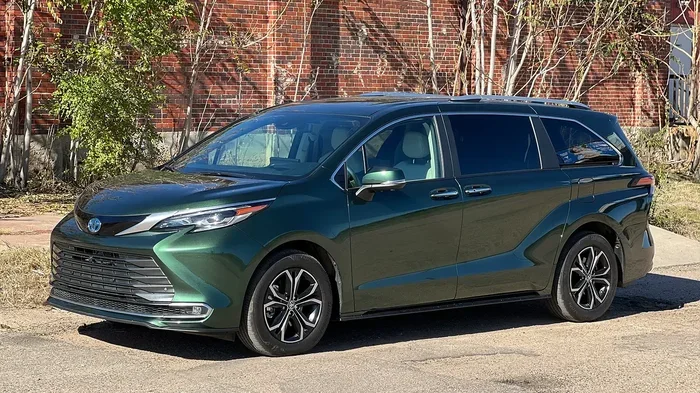
The Toyota Sienna is one of the most popular minivans on the road. Families love its spacious interior and reliable hybrid system. But beyond comfort and practicality, buyers also care about savings. The tax credit can make a meaningful difference in the final price. This is why so many people search for Sienna tax credit eligibility before visiting a dealership.
Understanding the Toyota Sienna Hybrid and Its Powertrain
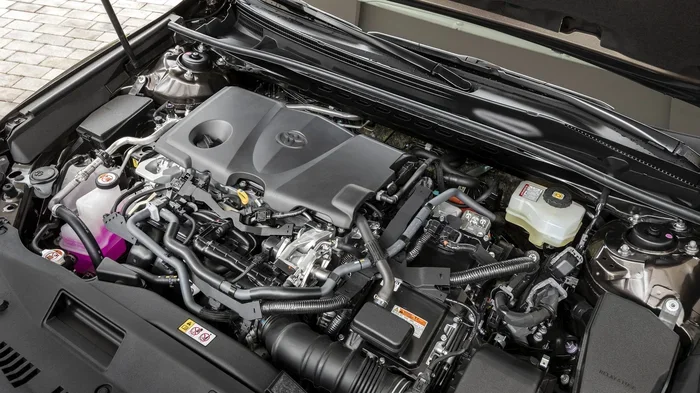
The Sienna has been a staple in the minivan segment for years. It offers a hybrid powertrain that delivers excellent fuel economy. The Sienna Hybrid combines a 2.5-liter engine with electric motors. This setup provides a smooth and efficient driving experience.
Why the Hybrid Powertrain Matters for Tax Credits
The hybrid system is key to understanding tax credit eligibility. The IRS classifies the Sienna Hybrid as an alternative fuel vehicle. This classification opens the door to potential incentives. Pure gasoline vehicles typically do not qualify for the same credits.
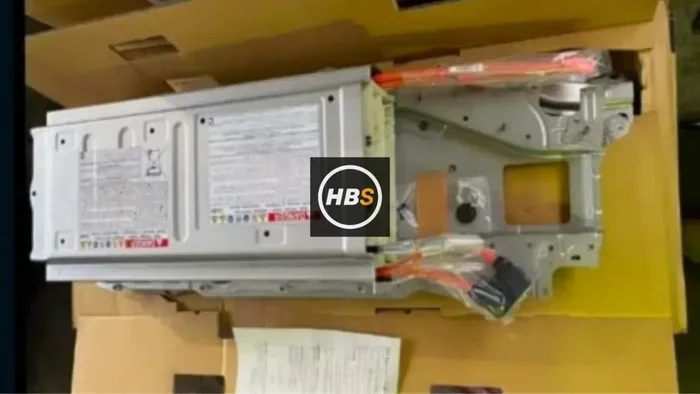
The Sienna Hybrid uses a battery pack that assists the gasoline engine. This electrified vehicle technology reduces tailpipe emissions. Lower emissions often mean better chances of qualifying for credits. The battery capacity and how the system works matter to the IRS.
Many buyers also ask whether the Sienna can handle long trips efficiently. The Sienna Hybrid performs well on both city and highway driving. If you are curious about how the hybrid system works during trips, you can explore this topic further at hybrid cars for long distance driving. The hybrid system in the Sienna is designed for versatility and daily use.
Fuel Economy Benefits of the Sienna Hybrid
The Sienna Hybrid delivers impressive fuel economy numbers. It averages around 36 miles per gallon combined. This is excellent for a vehicle of its size. Better fuel economy also means lower running costs over time. The combination of efficiency and space makes the Sienna a standout choice.
When you factor in the potential tax savings, the Sienna Hybrid becomes even more appealing. The federal tax incentive can offset a portion of the purchase price. This makes hybrid minivans more accessible to a wider range of families.
What Is the Clean Vehicle Tax Credit?
The clean vehicle credit is a federal incentive. It encourages buyers to purchase electrified vehicles. The credit can be worth up to $7,500 in some cases. However, not every vehicle qualifies for the full amount.
How the Credit Works
The credit is non-refundable in most cases. This means it can reduce your tax bill to zero but not below. If you do not owe taxes, you may not benefit from the full credit. The IRS applies the credit against your tax liability.
To claim the credit, you must purchase the vehicle new. Used vehicles do not qualify for this particular credit. The vehicle must also meet specific IRS requirements for battery sourcing and assembly. These rules are part of the Inflation Reduction Act provisions.
Many people confuse the smaller credit option with the full clean vehicle credit. The reduced credit applies to certain used or lower-priced vehicles. The Sienna Hybrid may fall into a category where a partial credit applies. Understanding the difference is important before you file your taxes. For more details on the smaller credit option, you can read about the 500 EV tax credit and how it differs from the full clean vehicle credit.
Battery Capacity and Vehicle Qualification
The IRS looks closely at battery specifications. The battery must meet a minimum capacity threshold. It also must be manufactured in a qualifying location. These requirements are part of the vehicle eligibility criteria. Toyota has been working to ensure the Sienna Hybrid meets these standards.
The battery pack in the Sienna Hybrid is relatively modest compared to full EVs. However, it still qualifies the vehicle as an electrified vehicle. This means it falls under the clean vehicle credit umbrella. Always verify the specific battery details for your model year.
Sienna Tax Credit Eligibility Requirements
Not every Toyota Sienna buyer will qualify. The IRS has set clear eligibility requirements. Let us break them down so you know exactly what to expect.
Income Limits for the Tax Credit
The modified adjusted gross income (MAGI) is a key factor. For single filers, the limit is $150,000. For married couples filing jointly, it is $300,000. Head of household filers have a limit of $225,000. If your income exceeds these thresholds, you cannot claim the credit.
These income limits apply to the tax year of purchase. You must plan ahead and understand where you stand. If you are close to the threshold, it is worth consulting a tax professional. They can help you determine your exact eligibility.
Vehicle Price Caps
The IRS also looks at the vehicle’s sticker price. For vans, the price cap is $80,000. The Toyota Sienna falls within this range for most trims. However, higher-end trims with lots of options could push the price over the limit. Always check the final negotiated price before assuming eligibility.
The base Sienna Hybrid starts at a competitive price point. But adding options like leather seating or advanced safety features can increase the cost. Keep the price cap in mind when configuring your Sienna.
Battery Sourcing and Assembly Requirements
This is where things get tricky. The vehicle must have a battery that meets sourcing requirements. A percentage of battery components must come from North America or countries with free trade agreements. The assembly of the vehicle also matters. It must be assembled in North America to qualify.
Toyota has been working to meet these requirements. However, the specific Sienna Hybrid trim and model year matter. Always check the latest IRS list of qualified vehicles before making a purchase.
Final Assembly Location
The final assembly location is another requirement. The vehicle must be assembled in the United States, Canada, or Mexico. The Toyota Sienna is assembled in the United States, which works in favor of eligibility. This is one less hurdle for Sienna buyers compared to some imported vehicles.
How to Claim the Toyota Sienna Tax Credit
If you have confirmed that your Sienna qualifies, claiming the credit is straightforward. But you need to follow specific steps to ensure everything goes smoothly.
Step-by-Step Process
- Verify your vehicle is on the IRS list of qualified vehicles.
- Confirm your income falls within the MAGI limits.
- Purchase the vehicle new from a licensed dealer.
- Keep all purchase documentation and the vehicle qualification certificate.
- File IRS Form 8936 with your tax return.
- Claim the credit amount on your federal tax return.
Each step is important. Skipping any of them could delay your credit or cause a denial. The IRS takes documentation seriously. Make sure you have everything in order before filing.
Timing and Filing Tips
You claim the credit in the tax year you take possession of the vehicle. If you bought the Sienna in 2024, you claim it on your 2024 tax return filed in 2025. Keep your bill of sale and dealer certificate handy.
Working with a tax professional can help you maximize your benefit. They understand the nuances of the federal tax incentive program. A professional can also help you identify other deductions or credits you may qualify for. Do not try to navigate this alone if you are unsure.
Common Mistakes and Expert Insights
Many buyers make avoidable mistakes when pursuing tax credits. These mistakes can cost you time and money. Being aware of them puts you in a much better position.
Common Mistakes Buyers Make with Tax Credits
- Assuming all trims qualify: Not every Sienna trim meets the credit requirements. Only specific hybrid configurations may be eligible.
- Ignoring income limits: Even if the vehicle qualifies, your income might not. Always check your MAGI first.
- Buying used: The clean vehicle credit only applies to new vehicles. Used Sienna models do not qualify.
- Missing documentation: Failing to keep your dealer certificate and purchase paperwork can delay or deny your claim.
- Not checking the IRS list: Vehicle eligibility changes. A model that qualified last year might not qualify this year.
Avoiding these mistakes saves you from frustration. Take the time to research before you buy. A little preparation goes a long way toward securing your tax savings.
Expert Insights on the Toyota Sienna Tax Credit
Tax professionals and automotive experts agree on a few key points. The Sienna Hybrid is a strong candidate for the clean vehicle credit. But the final decision depends on your personal situation.
“Buyers should always verify eligibility before making a purchase,” says a leading tax advisor. “The rules change frequently, and what qualified last year may not qualify this year. Do your homework.”
Experts also recommend comparing the Sienna with other hybrid minivans. The tax credit landscape is competitive. Other manufacturers may offer similar incentives. Comparing options ensures you get the best deal overall.
If you are exploring other 7 seater cars for sale, it is worth comparing tax credit eligibility across different brands. Some vehicles may qualify for credits that others do not. The Sienna holds its own, but it is always good to check the alternatives. For larger families, you might also want to explore 10 seater car for travelling options that might offer different tax incentive opportunities.
The Sienna also works well for those considering a hybrid vehicle for daily commuting. If you want to understand how the hybrid system performs on longer journeys, check out at what point does a hybrid switch to gas to learn more about how the Sienna Hybrid transitions between power sources during extended drives.
Conclusion
The Toyota Sienna tax credit story is encouraging for many buyers. The Sienna Hybrid has strong potential to qualify for the federal clean vehicle credit. However, eligibility depends on several factors. Your income, the specific trim, and the model year all play a role.
Take the time to research before you buy. Check the IRS list of qualified vehicles. Confirm your income falls within the limits. Work with a tax professional if you are unsure about any step. The tax savings can be significant, and they make the Sienna an even more compelling choice for families.
The Toyota Sienna remains one of the best minivans you can buy. It combines reliability, comfort, and efficiency. Add in the potential for a federal tax incentive, and the value proposition becomes even stronger. Whether you are buying for the family or as a daily commuter, the Sienna Hybrid deserves serious consideration.
Remember, the vehicle eligibility rules change. What qualifies today might not qualify tomorrow. Stay informed and act quickly if you want to take advantage of the Toyota Sienna tax credit in 2024. Start your research today, visit your local dealer, and make a confident decision. The savings could make a real difference in your budget. And with the Sienna’s proven track record, you get a great vehicle regardless of the credit outcome.
Frequently Asked Questions
Can I get a tax credit for a used Toyota Sienna?
No, the clean vehicle tax credit only applies to new vehicle purchases. Used Sienna models, including certified pre-owned units, do not qualify for this federal credit. However, some states offer separate incentives for used electrified vehicles that you should explore.
What is the maximum Toyota Sienna tax credit amount?
The federal clean vehicle credit can be worth up to $7,500. However, the actual amount you receive depends on battery capacity and whether the vehicle meets all sourcing requirements. The Sienna Hybrid may qualify for a partial credit in some cases.
Does the Toyota Sienna XLE qualify for the tax credit?
It depends on the specific configuration and model year. Not every Sienna trim qualifies. You need to check the IRS list of eligible vehicles for the exact trim and model year you are considering. Hybrid variants have a better chance of qualifying than gasoline-only models.
What income level disqualifies you from the Sienna tax credit?
If your modified adjusted gross income exceeds $150,000 for single filers, $300,000 for married filing jointly, or $225,000 for head of household, you are ineligible. These limits are strict and apply to the tax year of your vehicle purchase.
How long does it take to process the Sienna tax credit?
The credit is claimed on your annual tax return, so processing time depends on your normal tax filing timeline. Most refunds are processed within 21 days if you file electronically. Keep your Form 8936 and purchase documents ready when you file.
Will the Toyota Sienna tax credit apply in future years?
Tax credit rules can change from year to year. The Inflation Reduction Act provisions are set to expire after 2032. Future eligibility depends on congressional action and IRS updates. Always check the latest guidance before making a purchase decision.