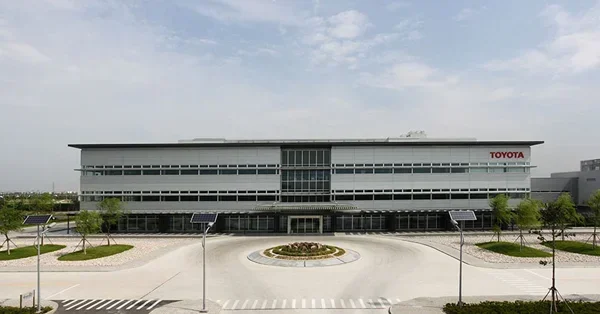
Does Toyota Have Factories in China Here Is the Answer
Yes, Toyota has a significant manufacturing presence in China through joint ventures and assembly plants. Toyota operates multiple factories across China to produce vehicles for the local market. Understanding Toyota’s China operations reveals a complex partnership strategy that has shaped its success in one of the world’s largest auto markets.
Does Toyota have factories in China? The short answer is yes. But the full story is much more interesting than a simple yes or no. Toyota has built a massive manufacturing footprint in China over several decades. The company operates multiple plants through joint ventures with Chinese partners. These facilities produce millions of vehicles every year for the Chinese market and beyond.
If you are curious about how a Japanese automaker ended up with such a strong presence in China, you are in the right place. This article breaks down everything you need to know. We will cover Toyota’s history in China, its joint ventures, the models produced, and what the future holds. Let us dive in.
Key Takeaways
- Toyota operates multiple factories in China through joint ventures with local automakers like FAW and GAC.
- Toyota’s China presence dates back decades, with manufacturing facilities spread across several provinces.
- Joint ventures are the backbone of Toyota’s production strategy in China, allowing local partnerships.
- Toyota produces popular models in China that are tailored specifically for the Chinese consumer market.
- Toyota’s investment in China continues to grow, with new facilities and expanded production capacity planned.
- Toyota hybrid technology plays a growing role in its China manufacturing strategy.
- Toyota’s China operations impact global supply chains and influence production decisions worldwide.
📑 Table of Contents
Toyota Manufacturing Presence in China
Toyota Motor Corporation has been operating in China since the 1990s. The company quickly recognized China as one of the most important auto markets in the world. Instead of building standalone factories, Toyota chose a partnership approach. This meant teaming up with established Chinese automakers through joint ventures.
Today, Toyota has several production bases across China. These facilities are spread in different provinces. Each plant focuses on specific models and engine types. The scale of Toyota’s China operations is enormous. The company produces vehicles that range from compact sedans to SUVs and commercial vans.
Key Joint Venture Partnerships
Toyota’s success in China relies heavily on joint ventures. A joint venture is when two companies come together to create a new business entity. For Toyota, these partnerships allow access to local expertise, supply chains, and government support.
The two most important joint ventures for Toyota in China are:
- FAW Toyota – A partnership with First Automobile Works (FAW). This joint venture produces several Toyota models for the Chinese market.
- GAC Toyota – A partnership with Guangzhou Automobile Corporation (GAC). This venture focuses on producing Toyota vehicles in southern China.
These joint ventures are not just assembly operations. They involve research and development, design work, and local sourcing. Toyota benefits from lower production costs and better market knowledge. Chinese partners gain access to Toyota’s proven technology and brand reputation.
Where Are Toyota’s Factories Located?
Toyota’s manufacturing facilities in China are spread across multiple regions. The exact locations have evolved over time as the company expanded its operations.
Some of the key locations include:
- Tianjin – Home to one of Toyota’s largest joint venture plants in northern China.
- Guangzhou – Hosts GAC Toyota facilities that serve the southern Chinese market.
- Changchun – A major hub connected to the FAW Toyota partnership.
- Chengdu – A newer production base that helps Toyota serve western China.
Each location was chosen for specific strategic reasons. Tianjin offers proximity to ports for exporting vehicles. Guangzhou provides access to a large consumer base in southern China. Chengdu helps Toyota reach the growing western market. This distributed approach ensures Toyota can serve customers across all regions of China efficiently.
Models Produced by Toyota in China
Toyota manufactures a wide range of vehicles in China. These models are designed to meet the specific needs and preferences of Chinese consumers. Some models are exclusive to the Chinese market, while others are sold globally.
Popular Toyota models produced in China include:
- Corolla – One of the best-selling sedans in China. Toyota produces it at multiple plants.
- Camry – A mid-size sedan that is very popular among Chinese families.
- RAV4 – A compact SUV that has gained strong sales in the Chinese market.
- Hilux – A pickup truck that serves commercial and personal users.
- Various local models – Some models are developed specifically for China through the joint ventures.
Toyota also produces engines and powertrains at its China facilities. This local production capability helps the company keep costs competitive. It also allows Toyota to respond quickly to changes in market demand. When a particular model sells well, Toyota can increase production at its China plants without relying on imports.
Toyota’s investment in local production extends to its engine lineup. The company produces both traditional combustion engines and hybrid powertrains in China. This local manufacturing of engines supports Toyota’s broader strategy of offering efficient and environmentally friendly vehicles to Chinese buyers.
Toyota’s Hybrid Strategy in China
Toyota is globally recognized for its hybrid technology. The company pioneered the hybrid car with the original Toyota Prius. In China, Toyota’s hybrid strategy has evolved to meet local preferences and government regulations.
China has been pushing hard for cleaner vehicles. The government offers incentives for hybrid and electric cars. Toyota has responded by expanding its hybrid lineup in China. Many of the models produced at Toyota’s China factories now come with hybrid options.
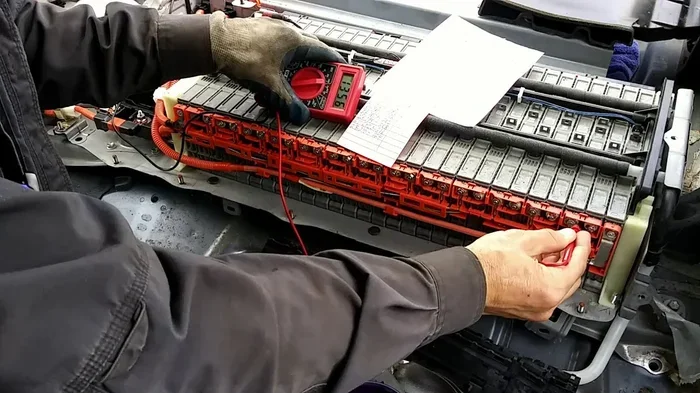
When does a hybrid switch to gas? Toyota’s hybrid systems are designed to seamlessly switch between electric and gasoline power. The system uses a battery for low-speed driving and switches to the gas engine when more power is needed. This technology is now widely available in Toyota models built in China.
Toyota’s hybrid production in China includes:
- Local assembly of hybrid components – Toyota sources parts from both Japanese and Chinese suppliers.
- Hybrid versions of popular models – The Corolla, Camry, and RAV4 now have hybrid variants made in China.
- Growing market share – Toyota’s hybrid sales in China have been increasing steadily.
The hybrid strategy is a key part of Toyota’s long-term plan for China. By offering hybrid vehicles built locally, Toyota positions itself well for stricter emissions regulations in the future. This approach also helps the company stay competitive against Chinese EV makers.
Toyota’s Investment and Expansion Plans
Toyota has not slowed down its investment in China. The company continues to expand its production capacity. New facilities and upgraded plants are part of Toyota’s long-term vision for the Chinese market.
In recent years, Toyota has announced several major investments in China. These include:
- New production lines – Adding capacity for hybrid and electric vehicles.
- Technology upgrades – Modernizing existing plants with the latest manufacturing technology.
- Research centers – Establishing R&D facilities in China to develop China-specific models.
- Supply chain investments – Working with Chinese suppliers to build a robust local supply chain.
Toyota’s commitment to China goes beyond just building cars. The company invests in communities, education, and environmental programs. This broader approach helps Toyota maintain strong relationships with Chinese partners and government officials.
Toyota also produces engines in China that are used in its global lineup. The company’s 3-cylinder and 4-cylinder engines are manufactured at its China facilities. These engines power vehicles sold not only in China but also in other markets. Toyota’s local engine production helps reduce costs and improves supply chain resilience.
Challenges and Competition in China
Operating in China is not without challenges. Toyota faces intense competition from both domestic and international automakers. Chinese EV startups have emerged as serious competitors in recent years.
Some of the key challenges Toyota faces include:
- Rising competition from Chinese EV makers – Companies like BYD and NIO are gaining market share rapidly.
- Regulatory changes – China frequently updates its auto industry regulations.
- Supply chain disruptions – Global events can affect the availability of parts and materials.
- Consumer preference shifts – Chinese buyers are increasingly interested in new energy vehicles.
Despite these challenges, Toyota remains a major player in China. The company’s long history, strong brand recognition, and reliable products give it a competitive edge. Toyota’s joint venture model has proven resilient through various market cycles.
Toyota also benefits from its experience in the 4-cylinder hatchback segment and other engine categories. The company’s deep expertise in engine technology gives it an advantage. Toyota’s 4-cylinder hatchback cars and 2000cc vehicles have established strong positions in various market segments, and this engineering know-how translates well to the China market.
Toyota’s Global Manufacturing Strategy
Toyota’s approach to China fits into a broader global manufacturing strategy. The company operates factories in many countries around the world. Each location serves a specific purpose in Toyota’s global network.
Toyota’s global manufacturing footprint includes:
- Japan – The company’s home base with multiple production facilities.
- United States – Several plants that serve the North American market.
- Thailand – A major manufacturing hub for Southeast Asia.
- China – The largest single auto market where Toyota produces vehicles locally.
- Other markets – Facilities in India, Indonesia, South Africa, and more.
China holds a special place in Toyota’s global strategy. The country is the world’s largest auto market. Producing vehicles locally in China gives Toyota a significant cost advantage. It also helps the company navigate China’s complex regulatory environment.
Toyota’s approach to China also involves knowledge sharing. Technologies developed for the China market sometimes find their way into global products. This cross-pollination of ideas benefits Toyota as a whole. The company’s experience with hybrid production in China, for example, informs its hybrid strategy in other markets.
Key Takeaways
- Toyota operates multiple factories in China through joint ventures with FAW and GAC, producing millions of vehicles annually.
- The company’s manufacturing presence spans several provinces, including Tianjin, Guangzhou, Changchun, and Chengdu.
- Toyota produces popular models in China such as the Corolla, Camry, RAV4, and Hilux, along with hybrid variants.
- Toyota’s hybrid strategy is growing in China, with local production of hybrid powertrains to meet government incentives and regulations.
- The company continues to invest heavily in China, with new production lines, R&D centers, and supply chain development.
- Toyota faces competition from Chinese EV makers but maintains a strong position through its proven technology and brand trust.
- Toyota’s China operations feed into its global strategy, with engines and technologies developed in China used worldwide.
Conclusion
So, does Toyota have factories in China? Absolutely. Toyota has built a significant manufacturing presence in China through strategic joint ventures and local partnerships. The company operates multiple plants that produce a wide range of vehicles for the Chinese market. From compact sedans to SUVs and hybrid models, Toyota’s China factories cover a broad product lineup.
Toyota’s investment in China reflects the company’s long-term commitment to this massive market. The company continues to expand its production capacity and develop new models for Chinese consumers. Toyota’s hybrid technology, engine expertise, and proven manufacturing processes give it a strong competitive position.
Understanding Toyota’s China operations gives us insight into how global automakers navigate complex international markets. The joint venture model has proven effective for Toyota, allowing it to combine Japanese engineering with Chinese market knowledge. As the auto industry evolves, Toyota’s China strategy will continue to adapt and grow.
Whether you are a Toyota fan, a China market observer, or just curious about global manufacturing, Toyota’s presence in China is a fascinating story. The company’s decades-long commitment to the Chinese market shows no signs of slowing down. Toyota’s factories in China will remain a key part of its global operations for years to come.
Frequently Asked Questions
Why did Toyota choose joint ventures instead of building its own factories in China?
Toyota chose joint ventures because they provide access to local expertise, government support, and established supply chains. Building a factory alone in China would be complex and risky. Joint ventures allow Toyota to share costs and risks with Chinese partners. This approach has proven successful for decades.
What percentage of Toyota vehicles sold in China are made locally?
The vast majority of Toyota vehicles sold in China are manufactured locally. Toyota’s joint ventures produce most models at its China plants. This local production helps keep costs competitive and avoids import tariffs. Only a small number of Toyota models in China are imported from Japan or other countries.
Does Toyota make hybrid cars in China?
Yes, Toyota manufactures hybrid vehicles at its China factories. The company has expanded its hybrid lineup significantly in the Chinese market. Models like the Corolla Hybrid, Camry Hybrid, and RAV4 Hybrid are produced locally. Toyota’s hybrid production in China continues to grow as demand increases.
How does Toyota’s China production compare to its other global factories?
China is one of Toyota’s largest production markets globally. The company’s China operations rival its Japanese and American plants in terms of volume. Toyota’s China factories produce a diverse range of models for both domestic and regional markets. The scale and strategic importance of Toyota’s China operations continue to grow.
Are there any Toyota models exclusive to the Chinese market?
Yes, some Toyota models are developed specifically for China through its joint ventures. These China-exclusive models cater to local preferences in terms of size, features, and styling. They are not sold in other markets. This approach allows Toyota to better serve the unique demands of Chinese consumers.
What does the future look like for Toyota factories in China?
Toyota plans to continue expanding its manufacturing presence in China. The company is investing in new production lines for hybrid and electric vehicles. Toyota also aims to strengthen its supply chain and R&D capabilities in China. The company views China as a critical market for its long-term growth strategy.