How Do I Check My Remaining Warranty and Stay Protected
Checking your remaining warranty is simple once you know where to look. Whether you have a manufacturer warranty or an extended warranty, this guide walks you through every step. You will learn how to verify your warranty coverage, find your warranty status online, and avoid costly surprises before your warranty expires.
Have you ever wondered if your car still has warranty coverage? Maybe you bought it used and are not sure what is still protected. Or perhaps you just want to know how much time is left on your manufacturer warranty. Either way, checking your remaining warranty does not have to be complicated. In this guide, we will show you exactly how to find your warranty status in just a few minutes.
Knowing your warranty coverage saves you money and stress. Imagine needing a major repair only to find out your warranty period has already ended. That is a frustrating and expensive surprise. But with the right approach, you can stay ahead of the game. We will cover every method you can use, from online lookup tools to calling the dealership. By the end, you will feel confident about your vehicle warranty and what it covers.
Let us get started. You will learn the easiest ways to check your warranty status, what documents you need, and how to make the most of your coverage. We will also share practical tips to help you avoid common mistakes. Whether you are a car owner or just curious, this guide has you covered.
Key Takeaways
- Check your warranty online or by phone: Most manufacturers offer free tools to look up your warranty status instantly.
- Keep your documents safe: Your warranty paperwork, purchase receipt, and VIN number are essential for verification.
- Act before expiration: Knowing your warranty end date helps you plan repairs, file claims, or consider an extended warranty.
- DIY checks are easy: You do not need a mechanic to find your remaining warranty information.
- Understand your coverage: Not all parts are covered equally. Read your warranty terms carefully to know what is included.
- Don’t miss deadlines: Filing a warranty claim on time ensures you get the repairs or replacement you deserve.
📑 Table of Contents
- Why Checking Your Remaining Warranty Matters
- How to Check Your Remaining Warranty Step by Step
- What Does Your Warranty Typically Cover?
- Common Mistakes People Make With Their Warranty
- How to Extend Your Warranty Protection
- Quick Tips to Stay on Top of Your Warranty
- Final Thoughts on Checking Your Remaining Warranty
Why Checking Your Remaining Warranty Matters
Your car warranty is one of the most valuable protections you own. It acts like an insurance policy for repairs. But unlike insurance, it only lasts for a set period or mileage. Once it ends, you pay for everything out of pocket. That is why checking your warranty expiration date early is so important.
Here are a few reasons why this matters:
- Budget planning: Knowing your warranty end date helps you plan for future repair costs.
- Peace of mind: You will not worry about unexpected breakdowns if your coverage is still active.
- Smart selling: If you plan to sell your car, a valid warranty increases its value.
- Avoid missed claims: Many people forget to file warranty claims before their coverage lapses.
Think of your warranty like a subscription. It has a start date and an end date. Checking it regularly keeps you informed. You would not ignore a bill that could save you thousands of dollars. So why ignore your warranty status?
How to Check Your Remaining Warranty Step by Step
There are several ways to find your warranty information. Some methods take just a few minutes. Others might require a quick phone call. Let us walk through each one so you can pick what works best for you.
Method 1: Use the Manufacturer’s Online Warranty Lookup Tool
Most car manufacturers offer a free online tool. You simply enter your vehicle identification number (VIN) and your contact details. The system pulls up your warranty coverage instantly. This is the fastest and easiest method available.
Here is what you need to do:
- Find your VIN. It is usually on the driver’s side dashboard or door frame.
- Go to the manufacturer’s official website.
- Look for the “Warranty” or “Vehicle Lookup” section.
- Enter your VIN and other required details.
- Review your warranty status and coverage details on screen.
This method works for most brands. If you are unsure about your warranty terms, the online tool usually provides a summary. You can also check if any extended warranty options are available for your vehicle.
Method 2: Call Your Dealership or Manufacturer
Not comfortable with online tools? No problem. You can call your dealership directly. Have your VIN ready. The service team can look up your remaining warranty in their system within minutes.
Here is a quick tip: call during off-peak hours. Early mornings or late afternoons usually have shorter wait times. When you reach a representative, ask them to confirm your warranty coverage and warranty expiration date. Write everything down for your records.
If you bought your car from a third-party dealer, you might need to contact the manufacturer directly. They maintain the central database for all warranty claims and coverage details.
Method 3: Check Your Warranty Documents
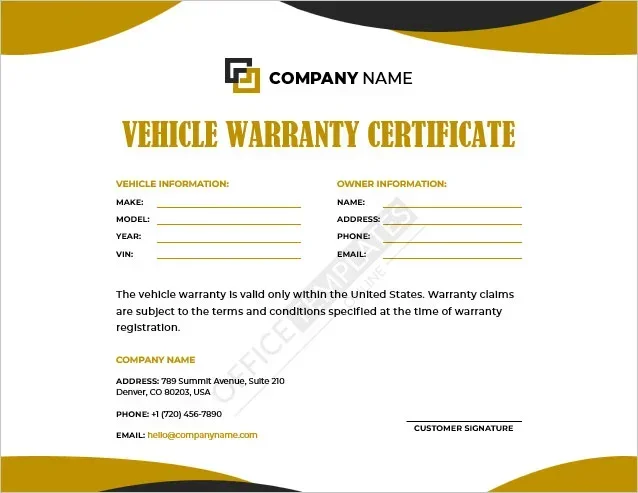
When you bought your car, you should have received a warranty booklet or certificate. This document contains all the details about your warranty period and what is covered. If you still have it, this is a great place to start.
Look for these key pieces of information:
- Start date: When does the warranty begin?
- End date or mileage cap: When does it expire?
- Coverage details: Which parts and systems are included?
- Claim process: How do you file a warranty claim?
- Transferability: Can the warranty be transferred to a new owner?
If you cannot find your documents, do not worry. The online lookup and phone methods work without them. But keeping your warranty documents in a safe place is always a smart move.
Method 4: Use Your Car’s Infotainment System
Many modern vehicles have built-in systems that store warranty information. You can access this through your car’s infotainment screen. Navigate to the settings or vehicle information section. Look for a “Warranty” or “Service” option.
This feature is not available on every model. But if your car supports it, it is a convenient way to check your warranty status without using a computer or making a call. Some systems even send reminders when your warranty period is nearing its end.
What Does Your Warranty Typically Cover?
Understanding your warranty coverage is just as important as knowing how long it lasts. Not every repair is covered. Let us break down what a standard manufacturer warranty usually includes.
Powertrain Warranty
This is the most common type of warranty coverage. It covers the major components that make your car move. Think of the engine, transmission, and drivetrain. Most powertrain warranties last longer than other coverage types, often up to 10 years or 100,000 miles.
Bumper-to-Bumper Warranty
This is the broadest coverage. It includes almost everything except normal wear and tear items like brake pads and windshield wipers. Bumper-to-bumper warranties typically last 3 to 5 years or 36,000 to 60,000 miles. This is the first warranty to expire for most vehicles.
Corrosion and Rust Warranty
This covers damage from rust and corrosion. It usually lasts longer than other warranties, sometimes up to 7 years. However, it only covers structural rust, not surface scratches or cosmetic issues.
Roadside Assistance Warranty
Some manufacturers include free roadside help for a set period. This covers towing, flat tire changes, and lockout services. It is a great perk but usually expires after 3 to 5 years.
Common Mistakes People Make With Their Warranty
Avoiding these mistakes can save you time, money, and frustration. Many car owners unknowingly void their warranty coverage or miss important deadlines.
Skipping Regular Maintenance
Your warranty often requires you to follow the manufacturer’s maintenance schedule. Skipping oil changes or other services can give the manufacturer a reason to deny your warranty claim. Keep all your service records safe.
Not Reading the Fine Print
Every warranty document has terms and conditions. Some parts are excluded from coverage. Some repairs require you to visit authorized dealers only. Reading the fine print prevents surprises when you need help the most.
Ignoring Warning Signs
If something feels wrong with your car, do not ignore it. Addressing issues early can prevent bigger problems. It also strengthens your position if you ever need to file a warranty claim. Think of it like your health — early detection always helps.
Waiting Too Long to Act
Once your warranty period ends, you lose your coverage. Many people do not check their remaining warranty until a repair is needed. By then, it might be too late. Make it a habit to review your warranty status at least once a year.
How to Extend Your Warranty Protection
If your manufacturer warranty is about to expire, you still have options. An extended warranty can keep you protected long after the original coverage ends. Think of it as a safety net for your wallet.
Here are a few things to consider when looking at extended warranty options:
- Coverage levels: Some plans cover everything. Others cover only specific systems. Choose what fits your needs.
- Cost vs. benefit: Compare the price of the plan with potential repair costs. A good plan saves you money in the long run.
- Provider reputation: Look for reviews and ratings. A trustworthy provider makes the warranty claim process smooth.
- Deductibles: Understand what you will pay out of pocket for each claim.
- Transferability: If you sell the car, can the warranty transfer to the new owner?
You can also explore DIY car maintenance options to keep your vehicle in good shape. For instance, if you are handy, you might want to learn how to do your own car diagnostics to catch small issues early. Staying proactive with your car’s health reduces the chances of needing expensive repairs covered by any warranty.
Another great tip is to keep your car well-maintained between services. Simple steps like checking your tire pressure and fluid levels go a long way. If you are interested in protecting your car’s exterior, you might also enjoy learning how to install splash guards yourself — a small but effective way to prevent undercarriage damage.
Quick Tips to Stay on Top of Your Warranty
Staying organized with your warranty does not take much effort. A few simple habits can keep you fully protected. Here are some quick tips to follow:
- Set a calendar reminder to check your warranty status every six months.
- Save digital copies of all your warranty documents and service records.
- Keep your VIN number stored in your phone for quick access.
- Ask your dealer to explain any terms you do not understand.
- Never assume your coverage is the same as someone else’s. Always verify your own warranty terms.
These small steps make a big difference. They keep you informed and in control of your vehicle warranty. You will never have to wonder if you are still protected.
Final Thoughts on Checking Your Remaining Warranty
Checking your remaining warranty is one of the smartest things you can do as a car owner. It takes only a few minutes and can save you hundreds or even thousands of dollars. Whether you use an online tool, call your dealer, or review your paperwork, the key is to stay proactive.
Do not wait until something breaks to find out your warranty has expired. Take charge today. Know your coverage, understand your warranty terms, and plan ahead. A little effort now protects you from big expenses later.
If you are ever unsure about what your warranty covers, reach out to your manufacturer or dealer. They are there to help. And remember, staying informed is the best way to stay protected. Your car is a big investment. Your warranty is there to help you protect it.
So go ahead and check your warranty status today. You will be glad you did. It is one of those simple tasks that pays off big time. Stay protected, stay informed, and enjoy the peace of mind that comes with knowing your vehicle warranty is working for you.
Frequently Asked Questions
How do I find my VIN number?
Your VIN is located on the driver’s side dashboard, visible through the windshield. You can also find it on the driver’s side door frame or on your car’s registration and insurance documents. It is a unique 17-character code that identifies your vehicle.
Can I check my warranty online for free?
Yes, most car manufacturers offer free online warranty lookup tools. You simply enter your VIN and a few details to access your warranty status. This is the quickest and easiest way to check your remaining warranty from home.
What happens if my warranty has expired?
If your warranty period has ended, you will need to pay for repairs out of pocket. However, you can consider purchasing an extended warranty to regain coverage. It is always good to check your warranty expiration date before it lapses so you can plan ahead.
Does a used car still have warranty coverage?
It depends. Some manufacturer warranties are transferable to new owners. If you bought a used car, check with the manufacturer or dealer to see if any warranty coverage is still active. Your VIN will help you verify this.
How often should I check my warranty status?
You should check your warranty status at least once a year. It is also a good idea to review it before any major repairs or before the warranty expiration date approaches. Staying on top of this helps you avoid missed coverage opportunities.
Can I file a warranty claim myself?
Yes, most warranty claims can be filed by the vehicle owner. You typically need your VIN, warranty documents, and a description of the issue. Contact your dealer or manufacturer to start the warranty claim process. Acting early ensures you do not miss any deadlines.