How Do You Adjust to a Time Change Fast and Simple
Adjusting to a time change doesn’t have to be hard. Whether you are dealing with daylight saving time or a new time zone for a road trip, small steps make a big difference. This guide covers simple sleep tips, driving safety advice, and proven methods to reset your body clock quickly. You will learn how to stay alert behind the wheel and feel your best after any clock shift.
This is a comprehensive guide about How Do You Adjust to a Time Change?.
Key Takeaways
- Gradual Shifts Work Best: Adjust your sleep schedule by 15 to 30 minutes each day before the time change hits.
- Light Is Your Best Friend: Morning light exposure helps reset your circadian rhythm fast and naturally.
- Driving Safety Matters: Time changes increase the risk of drowsy driving, so plan rest stops and stay alert.
- Avoid Common Mistakes: Skipping sleep, overloading caffeine, and ignoring your body clock will slow your adjustment.
- Quick Fixes Exist: Short power naps, hydration, and a consistent morning routine can speed up recovery.
- Automotive Relevance: Long road trips across time zones require extra planning to stay safe and focused.
[FEATURED_IMAGE_PLACEHOLDER]
Have you ever felt completely wrecked after a time change? Maybe you lost an hour in spring or gained one in fall. Or perhaps you just drove across three time zones on a weekend road trip. Either way, the feeling is the same. Your body feels off. Your sleep is thrown off. And your energy levels crash at the worst possible times. How do you adjust to a time change without losing your mind? The good news is that you do not need to suffer through it. With a few smart strategies, you can bounce back faster than you think. This article breaks down the fastest and simplest ways to handle any time shift. We will also look at how this connects to driving safety and road trip planning. Let us get into it.
Dealing with a time zone change or a seasonal clock change is more than just an inconvenience. It affects your sleep schedule, your mood, and even your physical health. Studies show that driver fatigue spikes after time shifts. Car accidents go up in the days following daylight saving time. So learning how to adjust is not just about feeling good. It is also about staying safe on the road. Whether you are a daily commuter or a weekend road tripper, these tips will help you power through any time transition.
Understanding How Your Body Clock Works
Before we dive into the fixes, let us talk about why time changes mess with us so much. Your body has an internal body clock called the circadian rhythm. This rhythm controls when you feel awake and when you feel sleepy. It runs on a roughly 24-hour cycle. Light is the biggest signal that keeps it on track. When the clocks shift, your body clock gets confused. It takes time to catch up. This is basically the same thing as jet lag. Your body does not know it is supposed to be awake at a different hour.
What Happens When You Lose or Gain an Hour
Springing forward is harder for most people. You lose an hour of sleep. Your body wakes up before it is ready. Falling back feels easier at first because you gain an hour. But it can still throw off your routine. Both directions disrupt your sleep hygiene. Sleep deprivation is a real concern after any time change. Even one hour of lost sleep can affect your focus and reaction time. For drivers, this is a serious issue.
The Science Behind the Adjustment Period
Your body adjusts at its own pace. Most people need about one day per hour of shift. That means if you cross three time zones, expect roughly three days to feel normal again. Some people adjust faster than others. Age, lifestyle, and existing sleep habits all play a role. The key is to work with your body, not against it. Giving yourself grace during the adjustment period makes a huge difference.
How Do You Adjust to a Time Change Before It Happens
The best time to start adjusting is before the change actually occurs. Waiting until the last minute makes everything harder. Planning ahead is the simplest way to reduce the impact. Here is how to prepare your body in advance.
Shift Your Sleep Schedule Gradually
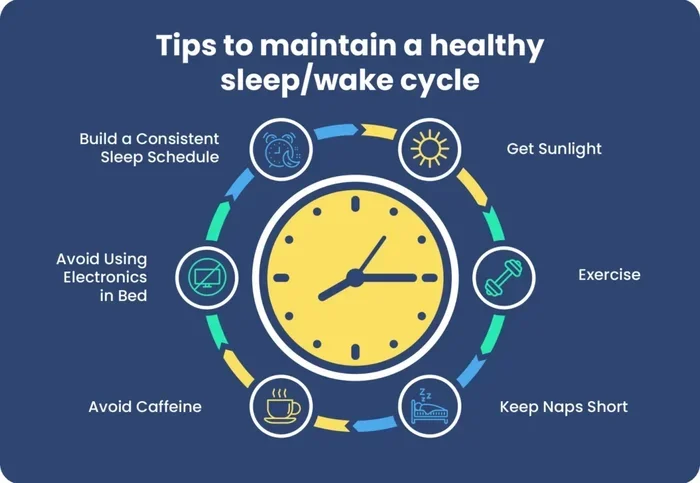
Start moving your bedtime by 15 to 30 minutes a few days before the shift. If you are springing forward, go to bed 15 minutes earlier each night. If you are falling back, push it back a little. This gradual shift is much easier than a sudden one-hour jump. Your body clock will not be shocked. You will wake up feeling more prepared.
Plan Ahead for Road Trips
If you are driving across time zones, map out your trip in advance. Know when you will cross into a new zone. Plan your departure time so you are not driving during your usual sleep hours. Travel tips like this save you from extreme fatigue on the road. A well-planned trip is a safer trip.
Set Clocks and Alarms Early
Do not wait until Sunday morning to change your clocks. Update them the night before. Set your phone, car clock, and alarm the right way. This small step removes one source of morning confusion. It also helps your brain start processing the new schedule.
Tips to Adjust Faster After the Time Change
Once the time change hits, your actions matter a lot. These practical tips help you reset quickly and feel back to normal sooner.
Get Morning Light Exposure
Light is the number one tool for resetting your circadian rhythm. Go outside within 30 minutes of waking up. Even 10 to 15 minutes of natural light helps. Sunlight tells your brain that it is time to be awake. On cloudy days, bright indoor light works too. This is one of the simplest and most effective time change strategies out there.
Stick to a Consistent Morning Routine
Routines signal your body that the day has started. Wake up at the same time every day. Eat breakfast at a regular hour. Even small habits like brushing your teeth or stretching help. Consistency is the backbone of good sleep hygiene. After a time zone change, routine becomes even more important.
Use Caffeine Smartly
A morning coffee is fine and can help you feel alert. But avoid caffeine after 2 p.m. It stays in your system for hours and can wreck your sleep later. Too much caffeine also leads to a crash. Keep your intake moderate and timed early in the day. This keeps your energy steady without harming your rest.
Take Strategic Power Naps
If you feel drained after a clock change, a short nap can help. Keep it to 15 to 20 minutes. Longer naps make it harder to sleep at night. The best time for a power nap is early afternoon. Set an alarm so you do not oversleep. A quick nap boosts alertness without messing up your sleep schedule.
Stay Hydrated and Eat Well
Water and nutrition play a bigger role than most people think. Dehydration makes fatigue worse. Eat balanced meals with protein and whole grains. Avoid heavy meals close to bedtime. Your melatonin production works better when your body is well-nourished and hydrated. Simple food choices support a smoother adjustment period.
Driving Safety After a Time Change
This is where the automotive connection becomes critical. Time changes directly affect how safe you are on the road. Drowsy driving is a leading cause of accidents. A disrupted sleep schedule makes it worse. Understanding the risks helps you take action.
Why Drowsy Driving Spikes After Clock Shifts
When you lose an hour of sleep, your reaction time slows. Your attention drifts. You may not even realize how tired you are. Studies from the National Highway Traffic Safety Administration show a clear link between daylight saving time and increased crashes. The Monday after springing forward is especially risky. Drivers who are normally fine can become dangerously drowsy.
Warning Signs of Driver Fatigue
Know the signs before you get behind the wheel. Yawning frequently is a red flag. Heavy eyelids and difficulty focusing mean you need rest. Drifting between lanes is a serious warning. Missing exits or forgetting the last few miles driven is another sign. If you notice any of these, pull over safely. No destination is worth the risk.
Smart Driving Tips for Time Change Days
Plan your drives carefully around time shifts. Avoid driving during your usual sleep window if possible. Take a break every two hours on long trips. Share driving duties if you have a passenger. Keep the cabin cool and well-ventilated. These car safety habits keep you sharp and focused. A little planning goes a long way in preventing accidents.
The Role of Melatonin After Time Changes
Melatonin is the hormone that tells your body it is time to sleep. After a time zone change, your melatonin production may be off schedule. You might feel sleepy at odd hours or wide awake when you should be resting. Some people use melatonin supplements to help reset their rhythm. Talk to a doctor before starting any supplement. Natural light exposure is still the best and safest way to regulate melatonin.
Common Mistakes People Make When Adjusting to a Time Change
Many of us make avoidable mistakes that slow down our recovery. Knowing what not to do is just as important as knowing what to do.
Skipping Sleep to Compensate
Some people think staying up later will help them adjust faster. It does not. Skipping sleep only deepens sleep deprivation. Your body needs consistent rest to reset. Prioritize your sleep above all else during the adjustment period.
Relying Too Much on Caffeine
Drinking extra coffee to push through fatigue backfires. It masks the tiredness without fixing the root problem. You end up more exhausted later. Caffeine also disrupts sleep hygiene if consumed too late in the day. Use it sparingly and strategically.
Ignoring Your Body Clock Signals
Your body gives you clear signals about when it is tired and when it is alert. Ignoring those signals makes adjustment harder. If you feel sleepy, rest. If you feel alert, stay active. Fighting your natural circadian rhythm always leads to more problems.
Not Planning for Road Trips
Jumping in the car without a plan after a time change is risky. Fatigue hits suddenly and without warning. Always map out rest stops and driving times before a long trip. Road trip safety depends on preparation and awareness.
Quick Tips to Remember
Here is a fast reference guide you can use anytime a time change hits.
- Shift early: Start adjusting your sleep 3 to 4 days before the change.
- Get light: Seek natural light within 30 minutes of waking up.
- Stay consistent: Keep the same wake-up time every day, even on weekends.
- Nap smart: Limit naps to 20 minutes and take them early in the afternoon.
- Hydrate: Drink plenty of water throughout the day.
- Drive safe: Pull over if you feel drowsy. Do not push through fatigue.
- Eat light at night: Heavy meals close to bedtime disrupt sleep quality.
- Avoid screens: Put your phone and tablet away 30 minutes before bed.
Conclusion
How do you adjust to a time change quickly and easily? The answer lies in preparation, consistency, and smart habits. You do not need to fight your body. Instead, work with it. Shift your sleep gradually, get morning light, stay hydrated, and keep a steady routine. These simple steps make a huge difference. For drivers, the stakes are even higher. A disrupted sleep schedule leads to driver fatigue, which puts everyone at risk. Take car safety seriously during any time transition. Plan your trips, watch for warning signs of drowsiness, and never push yourself too hard. With the right approach, you can handle any time zone change or seasonal clock change without missing a beat. Start small, stay consistent, and give your body the time it needs. You will feel back to normal faster than you expected.
How Do You Adjust to a Time Change When Traveling Across Multiple Zones?
Start shifting your sleep schedule a few days before your trip. Move your bedtime earlier or later by 15 to 30 minutes each night to match your destination time zone. Once you arrive, get outside in natural light right away. Light exposure is the fastest way to reset your body clock and reduce the effects of jet lag.
How Long Does It Take to Adjust to a Time Change?
Most people need about one day per hour of time shift. So if you cross three time zones, expect roughly three days. However, individual factors like age, sleep hygiene, and overall health can speed up or slow down the adjustment period.
Does Daylight Saving Time Really Affect Driving Safety?
Yes, it does. Studies show that driving fatigue increases after the spring time shift. Losing even one hour of sleep slows reaction time and reduces alertness. This is why road trip safety and general car safety should be a priority in the days following any clock change.
What Is the Best Way to Reset Your Body Clock After a Time Change?
The most effective method is consistent morning light exposure. Natural sunlight tells your brain to stop producing melatonin and start the wake cycle. Combine this with a fixed wake-up time and a healthy diet for the fastest reset.
Can Power Naps Help With Time Change Fatigue?
Absolutely. Short naps of 15 to 20 minutes boost alertness without interfering with nighttime sleep. Avoid napping longer than 30 minutes or napping too late in the day. Properly timed power naps are a great tool during the adjustment period after a time change.
Should You Use Melatonin Supplements After a Time Change?
Melatonin can help regulate your sleep schedule after a time zone change, but it is best to consult a doctor first. Natural methods like light exposure and consistent routines are safer and often just as effective. Supplements should be a backup, not a first resort.
Frequently Asked Questions
What is How Do You Adjust to a Time Change??
How Do You Adjust to a Time Change? is an important topic with many practical applications.