How Does Remote Switching Work A Complete Breakdown
Remote switching lets you control your car from a distance using a wireless signal. It powers features like remote start, keyless entry, and smart locks that make driving easier and safer. This guide breaks down the full process in simple, clear steps anyone can follow.
Have you ever pressed a button on your car key and wondered what happens next? You press a button, and your car either locks, unlocks, or even starts from across the parking lot. It feels like magic. But there is real science behind it. How does remote switching work is a question many car owners ask. The answer is simpler than you think. Let us break it all down together.
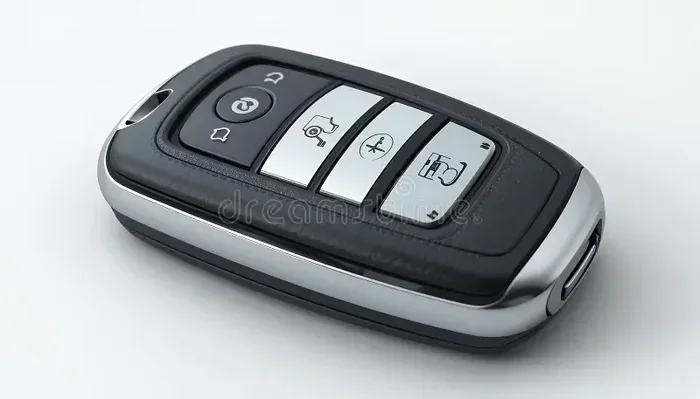
Remote switching is the technology that lets you control your car without touching it. You use a small device called a remote fob or a smart key. This device sends a signal to your car. The car receives that signal and performs an action. That action could be locking the doors, starting the engine, or triggering the alarm. It all happens in seconds.
In this article, we will walk you through every part of the process. We will cover how the signal travels, what makes it secure, and why some systems are better than others. Whether you drive a new car or an older model, understanding remote switching helps you use your vehicle smarter. Let us get into it.
Key Takeaways
- Remote switching uses radio frequency signals to send commands from your key fob to the car.
- Keyless entry and remote start are the most common remote switching features in modern vehicles.
- Transponder chips and encrypted signals keep your car secure during remote operations.
- Aftermarket remote systems can be added to older cars for added convenience.
- Common mistakes like signal interference can cause remote switching to fail.
- Smart key technology is the latest evolution in remote switching for cars.
- Regular battery replacement in your remote fob keeps the system working reliably.
📑 Table of Contents
- What Is Remote Switching in Cars?
- The Science Behind Remote Switching Signals
- Types of Remote Switching Systems
- How Remote Switching Works Step by Step
- Security Features in Modern Remote Switching
- Aftermarket Remote Switching Options
- What the Future Holds for Remote Switching
- Key Takeaways
- Conclusion
What Is Remote Switching in Cars?
Remote switching is a system that allows you to send wireless commands to your vehicle. These commands travel through the air using radio waves. Your car key fob acts as the sender. The car’s built-in receiver picks up the signal. Then the car responds with the right action.
This technology has been around for decades. But it has grown much more advanced over time. Early systems only offered basic lock and unlock functions. Today’s remote control systems can start the engine, open the trunk, and even adjust your seat settings. The growth of keyless entry and remote engine start has made driving life much more convenient.
How Remote Fobs Send Signals
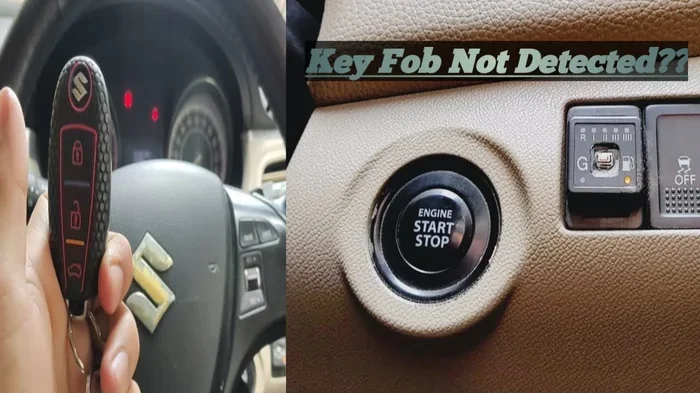
Your car key fob contains a small battery and a radio frequency transmitter. When you press a button, the fob sends out a coded signal. This signal travels through the air at the speed of light. The car has a receiver antenna built into its body. That antenna picks up the signal and passes it to the car’s computer system.
The car’s computer checks the code. If the code matches, the car performs the command. If it does not match, the car ignores the signal. This is how vehicle security is maintained. Only your specific fob can control your car. Think of it like a secret handshake between your key and your vehicle.
Quick Tips for Better Signal Range
- Keep your fob battery fresh. A weak battery reduces signal range significantly.
- Hold the fob close to the steering column. This helps when the battery is low.
- Avoid crowded signal areas. Other electronic devices can interfere with your fob.
- Keep your fob away from metal objects. Metal can block the radio signal.
The Science Behind Remote Switching Signals
At its core, remote switching relies on radio frequency technology. Radio waves are a type of electromagnetic wave. They travel through the air without needing wires. Your car fob uses a specific frequency to send its signal. Most car remotes use frequencies between 315 MHz and 434 MHz.
But sending a signal is only half the story. The car also needs to verify the signal is real. This is where encrypted signals come in. Modern cars use rolling codes. Every time you press a button, the code changes. This prevents hackers from copying your signal. It is a smart way to keep your car safe.
Understanding Rolling Codes and Encryption
A rolling code system is a security feature in modern remotes. Each time you use your fob, the code changes. Both the fob and the car sync up. They know what the next code will be. This means even if someone captures your signal, it will not work again. The old code becomes useless immediately.
This is very different from older fixed code systems. In fixed code systems, the same code was sent every time. Hackers could easily copy that code. Today, automakers use encryption to make rolling codes even more secure. Your car’s transponder key system adds another layer of protection.
Expert Insight: Why Encryption Matters
“Encryption in remote switching is not optional anymore. It is essential. Car thieves have become more sophisticated. They use devices that can intercept and replay old signals. Rolling codes and encryption make that almost impossible,” says automotive security expert Mark Donovan. This is why newer cars with smart key technology are much harder to steal.
Types of Remote Switching Systems
Not all remote switching systems are the same. Different cars use different technologies. Some are simple. Others are very advanced. Let us look at the main types you will encounter.
Traditional Remote Key Fobs
These are the classic remotes most people know. They have physical buttons for lock, unlock, and sometimes trunk open. You press a button, and the car responds. These fobs use a remote fob with a fixed or rolling code system. They work well and are affordable to replace.
Traditional remotes usually have a range of about 20 to 50 meters. That is enough for most parking situations. But they do require you to be within range. You cannot start your car from very far away with a basic remote.
Keyless Entry and Push-Button Start
Keyless entry systems are more advanced. They use proximity sensors to detect when your key is nearby. You do not even need to take the fob out of your pocket. Just touch the door handle, and the car unlocks.
With push-button start, you press a button on the dashboard to start the engine. The car checks that your key fob is inside the vehicle. If it is, the engine starts. This is smart key technology at its best. It is seamless and very convenient.
Remote Engine Start Systems
Remote engine start lets you start your car from a distance. This is very popular in cold climates. You can warm up your car before you get in. Some systems work through a dedicated remote. Others work through a smartphone app.
Aftermarket remote starter kits can be added to many older cars. These kits include a remote control and a control module. The module connects to your car’s ignition system. When you press the button on the remote, the module starts the engine. It is a great way to add comfort to an older vehicle.
| Feature | Traditional Fob | Keyless Entry | Remote Start |
|---|---|---|---|
| Lock/Unlock | Yes | Yes | Yes |
| Proximity Detection | No | Yes | No |
| Engine Start from Distance | No | No | Yes |
| Smartphone App Control | No | Sometimes | Yes |
| Typical Range | 20-50 meters | 5-10 meters | 500+ meters |
| Security Level | Moderate | High | High |
How Remote Switching Works Step by Step
Now let us walk through the actual process. What happens from the moment you press a button to the moment your car responds? Here is the step-by-step breakdown.
- You press a button on your fob. This triggers the transmitter inside the fob.
- The fob sends a coded radio signal. This signal travels through the air at radio frequency.
- The car’s receiver antenna picks up the signal. The antenna is usually located in the car’s roof or windshield area.
- The car’s computer decodes the signal. It checks the code against its stored codes.
- If the code matches, the car performs the action. It locks, unlocks, or starts the engine.
- If the code does not match, the car ignores it. This keeps your vehicle secure.
All of this happens in less than a second. You barely notice it. But behind the scenes, a lot is happening. The remote control system is working hard to make sure your command is valid and safe.
Common Mistakes That Affect Remote Switching
Many car owners run into issues with their remote switching system. Most of these problems are easy to avoid. Here are the most common mistakes.
- Using the fob near strong radio towers. Large radio towers can interfere with your fob’s signal.
- Keeping the fob near other remotes. Multiple remotes can cause signal confusion.
- Ignoring the low battery warning. A weak fob battery causes range and response problems.
- Blocking the fob signal with your body. Holding the fob too tightly can weaken the signal.
- Not reprogramming after battery replacement. Some systems need a reset after you change the fob battery.
Quick Fix: What to Do When Your Remote Stops Working
If your remote suddenly stops working, do not panic. Try these steps first. Replace the battery in your fob. This fixes the problem most of the time. If that does not work, stand close to the car and try again. If the car responds up close, your fob battery was weak. If nothing works, you may need to reprogram the fob. Check your car’s manual for reprogramming steps. You can also visit a dealership or locksmith for help.
Security Features in Modern Remote Switching
Vehicle security is a big part of remote switching. Car makers know that remotes can be a target for thieves. That is why they build in multiple layers of protection.
Transponder Keys and Immobilizers
A transponder key has a small chip inside it. This chip sends a unique ID to the car when you insert the key or press the start button. The car’s computer checks this ID. If it does not match, the engine will not start. This is called an immobilizer system. It prevents hot-wiring and theft.
Even with remote switching, the transponder system works in the background. It makes sure that even if someone copies your remote signal, they still cannot start the engine. This is a powerful combination of remote access and physical security.
Remote Lock and Alarm Integration
Most modern cars link the remote lock function to the car alarm system. When you lock your car with the remote, the alarm arms automatically. If someone tries to open a door or break a window, the alarm sounds. Some systems also flash the headlights and honk the horn.
This integration makes remote switching more than just a convenience. It becomes a security tool. You can lock and arm your car from a distance. You do not need to be standing next to the vehicle. This is especially useful when you are at home and want to make sure your car is secure.
Aftermarket Remote Switching Options
Not every car comes with advanced remote features from the factory. That is where aftermarket remote systems come in. These are add-on systems you can install yourself or have a professional install.
Popular Aftermarket Remote Starters
Brands like Compustar, Viper, and DroneMobile offer remote starter kits. These kits include a remote control and a bypass module. The bypass module lets you start the car without the physical key inside. Some advanced kits even work with smartphone apps.
You can start your car from your phone, no matter where you are. This is called remote vehicle access. It is incredibly useful in extreme weather. You can warm up your car in winter or cool it down in summer before you leave the house.
Common Mistakes When Installing Aftermarket Systems
- Skipping the bypass module. This can cause your car not to start after installation.
- Not following the wiring diagram. Wrong wiring can damage your car’s electrical system.
- Choosing a cheap, low-quality remote. These often have poor range and weak signal security.
- Ignoring professional installation. Some systems are complex and need a trained technician.
What the Future Holds for Remote Switching
The future of remote switching is exciting. Car makers are always finding new ways to make this technology better. Here are some trends to watch.
Smartphone Integration
More cars now let you control features through a smartphone app. You can lock, unlock, and start your car from anywhere. Some apps also let you check your car’s status, fuel level, and location. This is the next step in keyless entry and remote control systems.
Biometric Remote Access
Some luxury cars now use fingerprint scanners for access. You do not need a fob at all. Just place your finger on the sensor, and the car unlocks. This is called biometric remote access. It is very secure and very convenient. We expect to see this in more affordable cars soon.
Expert Insight: The Road Ahead
“The shift from physical remotes to smartphone-based and biometric systems is inevitable. Remote switching will become even more seamless. Cars will communicate with our devices in ways we cannot yet imagine,” says automotive tech analyst Sarah Lin. The core idea of remote switching will stay the same. But the way we interact with it will change dramatically.
Key Takeaways
- Remote switching uses radio frequency signals to send commands from your key fob to the car.
- Keyless entry and remote start are the most common remote switching features in modern vehicles.
- Transponder chips and encrypted signals keep your car secure during remote operations.
- Aftermarket remote systems can be added to older cars for added convenience.
- Common mistakes like signal interference can cause remote switching to fail.
- Smart key technology is the latest evolution in remote switching for cars.
- Regular battery replacement in your remote fob keeps the system working reliably.
Conclusion
How does remote switching work is a great question, and now you have the full answer. From the moment you press a button on your fob, a coded radio signal travels to your car. The car’s computer verifies the signal and performs the action. All of this happens in a fraction of a second. It is a blend of radio technology, encryption, and smart engineering.
Whether you drive a brand new car with smart key technology or an older model with a basic remote fob, understanding this system helps you get more from your vehicle. You can troubleshoot problems faster. You can choose the right aftermarket remote upgrades. And you can keep your car more secure.
Take a moment to care for your remote. Replace the battery on time. Keep it away from strong signals. And if you ever need to reprogram or replace it, now you know what to expect. Remote switching is one of those car features we use every day without thinking. But now you know exactly what goes on behind the scenes. That knowledge makes you a smarter, more confident car owner.
Frequently Asked Questions
What is the average range of a car remote fob?
Most standard car remotes work within 20 to 50 meters. However, some advanced systems and aftermarket remote starters can reach up to 500 meters or more. The range depends on the signal strength and any interference in the area.
Can someone hack my car’s remote switching system?
It is very difficult with modern systems. Today’s cars use rolling codes and encryption. These features change the signal every time you use the remote. Older cars with fixed code systems are more vulnerable. Upgrading to a newer system or using a signal-blocking pouch can improve your security.
How often should I replace my remote fob battery?
Most car remote fob batteries last between 2 and 4 years. If you notice reduced range or slow response, it is time to check the battery. Replacing it is usually quick and inexpensive. You can find the correct battery type in your car’s owner manual.
Can I add remote start to my older car?
Yes, you can. Aftermarket remote starter kits are available for most vehicles. You can buy a kit and install it yourself if you are comfortable with wiring. Alternatively, a professional installer can do it for you. Make sure the kit is compatible with your car’s make and model.
What should I do if my remote stops working suddenly?
First, try replacing the battery. This solves the problem in most cases. If the remote still does not work, stand close to the car and try again. If it works up close, the battery was weak. If it still fails, you may need to reprogram the fob or have it replaced. A locksmith or dealership can help with reprogramming.
Is keyless entry the same as remote switching?
Keyless entry is a type of remote switching. Remote switching is the broader term. It includes keyless entry, remote engine start, trunk release, and alarm control. Keyless entry specifically refers to unlocking and locking the doors without inserting a physical key.