How Haval Handles Different Terrain on Every Surface
Learn how Haval SUVs conquer every surface with smart drivetrain tech, terrain response modes, and rugged build quality. From rocky trails to icy roads, Haval vehicles use advanced systems to adapt and deliver confidence. This guide breaks down the engineering, features, and real-world performance that make Haval a strong choice for off-road and on-road drivers alike.
When you think about how Haval handles different terrain, you start to see a brand that takes off-road performance seriously. Haval has built a reputation for making SUVs that can go anywhere while still feeling comfortable on your daily commute. Whether you are tackling a muddy trail or driving through a snowy parking lot, Haval vehicles come with the right tools for the job.
But what exactly makes these vehicles so capable? It comes down to a mix of smart engineering, advanced drivetrain systems, and real-world testing. Haval engineers design every model with terrain in mind. The result is a lineup of SUVs that can handle sand dunes, rocky paths, wet roads, and steep hills without breaking a sweat.
In this article, we will explore the technology behind Haval’s off-road performance. We will look at how different models tackle various surfaces. You will also learn practical tips for getting the most out of your Haval in any condition. Let us dive into what makes Haval terrain handling so impressive.
Key Takeaways
- Smart Terrain Response: Haval vehicles adjust settings automatically for sand, mud, snow, and gravel.
- Advanced 4WD Systems: All-wheel drive and electronic differential locks give Haval SUVs serious off-road muscle.
- High Ground Clearance: Purpose-built design gives Haval models excellent approach and departure angles.
- Real-World Tested: Haval SUVs have proven themselves in desert rallies, mountain trails, and snowy commutes.
- Affordable Off-Roading: Haval delivers rugged capability at a price point that undercuts many competitors.
- Daily Comfort Meets Adventure: You get off-road toughness without sacrificing on-road ride quality and modern tech.
📑 Table of Contents
- Understanding How Haval Handles Different Terrain
- How Haval Performs on Sand
- How Haval Performs on Mud and Wet Surfaces
- How Haval Handles Snow and Ice
- How Haval Handles Rocky and Gravel Terrain
- Comparing Haval Models for Terrain Performance
- Maintenance Tips for Keeping Your Haval Terrain-Ready
- Common Mistakes When Driving Haval on Different Terrain
- Final Thoughts on How Haval Handles Different Terrain
Understanding How Haval Handles Different Terrain
Haval vehicles use a combination of hardware and software to adapt to different surfaces. The brand has spent years developing systems that read the terrain and adjust the vehicle’s behavior in real time. This means you do not need to be an off-road expert to handle tough conditions confidently.
At the heart of Haval’s capability is the 4WD drivetrain system. Most Haval SUVs come with all-wheel drive as standard or as an option. This system sends power to all four wheels, which gives you better grip on slippery or uneven surfaces. When one wheel starts to slip, the system redirects torque to the wheels that still have traction.
The Terrain Response System
One of the standout features in Haval SUVs is the terrain response system. This system lets you choose a driving mode that matches the surface you are on. Common modes include Normal, Sand, Mud, Snow, and sometimes a dedicated Off-Road mode. When you switch modes, the vehicle changes how the engine, transmission, brakes, and traction control work together.
For example, in Sand mode, the system lowers tire pressure slightly (if equipped with adjustable tires) and adjusts throttle response to prevent the vehicle from digging in. In Mud mode, the system increases torque delivery to keep the wheels moving forward instead of spinning in place. These smart adjustments make a huge difference when you are facing challenging surfaces.
Ground Clearance and Approach Angles
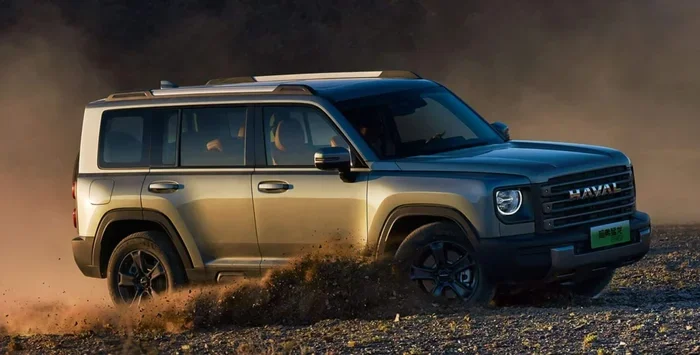
Another key factor in how Haval handles different terrain is the physical design of the vehicle. Haval SUVs like the Haval H9 and the Haval Big Dog feature high ground clearance. This means the underbody of the vehicle stays well above rocks, ruts, and uneven ground. High ground clearance reduces the risk of damage when you are driving over rough surfaces.
The approach angle and departure angle also play a big role. The approach angle is the steepest incline you can drive toward without the front bumper scraping the ground. The departure angle is the steepest incline you can drive away from without the rear scraping. Haval models are designed with generous angles so you can tackle steep hills and rocky obstacles without damage.
How Haval Performs on Sand
Sand is one of the most challenging surfaces for any vehicle. Loose sand can cause tires to sink and spin without traction. Haval SUVs are built to handle this with a combination of low-range gearing, proper tire selection, and the terrain response system.
Sand Driving Mode and Techniques
When you activate Sand mode in a Haval SUV, the vehicle adjusts several things at once. The throttle becomes smoother to prevent sudden wheel spin. The transmission holds lower gears longer, which keeps the engine in its power band. The traction control system also becomes more lenient, allowing wheels to spin slightly to maintain momentum.
Beyond the technology, there are practical tips that help. Lowering tire pressure to around 20-25 PSI increases the tire footprint on sand, giving you more grip. Always maintain momentum when driving on sand. Stopping and starting on soft sand is the hardest part, so keep a steady speed whenever possible.
Real-World Sand Performance
Haval vehicles have been tested in desert environments across multiple markets. The Haval H9 has been used in off-road rallies and expeditions where sand dunes are the main challenge. Owners consistently report that Haval SUVs handle sand dunes with confidence, thanks to the combination of 4WD, locking differentials, and the terrain response system.
The Haval Jolion and Haval Big Dog are smaller SUVs that also perform well on sand. While they may not have the same ground clearance as the H9, their lighter weight and responsive drivetrain make them agile on sandy trails. These models are a great choice for drivers who want a capable sand performer without the size of a full-size SUV.
How Haval Performs on Mud and Wet Surfaces
Mud is another surface that can quickly overwhelm a vehicle without the right setup. Thick mud creates resistance, and tires can lose all traction in seconds. Haval SUVs handle mud well because of their traction control systems, locking differentials, and dedicated Mud driving mode.
Mud Terrain Technology
When you select Mud mode, Haval’s vehicle computer changes the way power is delivered. The system allows for more wheel slip before the traction control intervenes. This lets the tires “find” grip in the mud rather than spinning uselessly on the surface. The 4WD system also works harder to distribute power evenly between the front and rear axles.
Some Haval models also come with a differential lock. This feature locks the left and right wheels on an axle together so they spin at the same speed. If one wheel loses traction in mud, the locked differential sends power to the other wheel, helping you keep moving. This is a game-changer when you are stuck in deep mud.
Tips for Mud Driving
Here are some practical tips for driving Haval SUVs in mud:
- Stay in a higher gear to avoid spinning the wheels too fast.
- Do not brake suddenly, as this can cause the tires to dig deeper.
- Use momentum to push through muddy patches rather than stopping.
- Check your tire tread depth before heading into muddy conditions.
- Use the terrain response system and let the vehicle do the work for you.
Haval owners who frequently drive in rural or rainy areas often praise the brand’s mud performance. The combination of electronic aids and mechanical hardware makes these SUVs surprisingly capable in wet and muddy conditions.
How Haval Handles Snow and Ice
Cold weather and snowy roads present a different kind of challenge. The surface is slippery, and maintaining traction is the top priority. Haval SUVs handle snow and ice effectively thanks to their all-wheel drive systems and Snow driving mode.
Snow Mode and Traction Control
Snow mode adjusts the vehicle’s throttle mapping so that acceleration is gentler. This prevents the wheels from breaking traction on icy surfaces. The traction control system works overtime in Snow mode, constantly monitoring each wheel for signs of slipping and correcting instantly.
Haval’s all-wheel drive system is especially useful on snow-covered roads. Because power is sent to all four wheels, the vehicle has a much better chance of maintaining grip compared to front-wheel drive or rear-wheel drive vehicles. This makes Haval SUVs a solid choice for drivers in colder climates who need a vehicle that can handle winter conditions daily.
Winter Tires and Additional Tips
For even better snow performance, consider fitting winter tires on your Haval SUV. Winter tires have a softer rubber compound and deeper tread patterns that bite into snow and ice. Combined with Haval’s AWD system and Snow mode, winter tires can make a huge difference in traction and braking distance.
Here are a few extra tips for winter driving with a Haval:
- Keep a safe following distance since braking distances increase on ice.
- Avoid sudden steering inputs which can cause the vehicle to slide.
- Use lower gears when descending hills to let engine braking help control speed.
- Check your battery regularly, as cold weather reduces battery performance.
How Haval Handles Rocky and Gravel Terrain
Rocky trails and gravel roads test a vehicle’s durability and suspension. Haval SUVs are built with sturdy frames and long-travel suspension systems that absorb bumps and keep the tires in contact with the ground. This is essential for maintaining traction on uneven, loose surfaces like gravel and rocky paths.
Suspension and Durability
The Haval H9 features a body-on-frame construction with a solid rear axle and independent front suspension. This setup provides excellent wheel articulation, which means the tires can move up and down independently to stay in contact with the ground over rocks and ruts. More tire contact means more traction, which means better performance on rocky terrain.
Gravel roads, while less extreme than rock crawling, still pose challenges. Loose gravel can cause the vehicle to slide, especially during turns. Haval’s electronic stability control and traction control systems help keep the vehicle on track by adjusting engine power and applying brakes to individual wheels as needed.
Off-Road Driving Modes
Many Haval models offer a dedicated Off-Road mode that combines the best settings for gravel and rocky terrain. This mode typically engages low-range gearing, adjusts the throttle response, and optimizes the traction control for maximum grip. The result is a vehicle that feels planted and confident even on rough, uneven surfaces.
If you enjoy weekend trail runs or overland adventures, Haval SUVs give you the tools to explore with confidence. The combination of strong suspension, good ground clearance, and smart drivetrain technology makes them well-suited for a wide range of off-road environments.
Comparing Haval Models for Terrain Performance
Not all Haval SUVs are created equal when it comes to handling different terrain. Some models are built for serious off-roading, while others focus more on on-road comfort with mild off-road capability. Understanding the differences helps you choose the right Haval for your needs.
Haval H9 vs Haval Big Dog vs Haval Jolion
The Haval H9 is the flagship SUV and the most capable off-roader in the lineup. It features a body-on-frame design, locking differentials, low-range transfer case, and generous ground clearance. The H9 is the go-to choice for serious off-road enthusiasts who want to tackle the toughest terrain.
The Haval Big Dog sits in the middle. It offers a rugged look with off-road DNA but uses a unibody construction. It still performs well on trails, gravel, and moderate off-road conditions. The Big Dog is a great choice for drivers who want a stylish SUV that can handle light to moderate off-roading.
The Haval Jolion is a more compact crossover. It is designed primarily for on-road driving but still offers AWD and decent ground clearance. The Jolion can handle light snow, gravel roads, and wet conditions but is not built for serious rock crawling or deep mud.
Terrain Performance Comparison Table
| Feature | Haval H9 | Haval Big Dog | Haval Jolion |
|---|---|---|---|
| Ground Clearance | High (200mm+) | Medium-High | Medium |
| 4WD System | Full-time with low range | Part-time AWD | On-demand AWD |
| Terrain Modes | Sand, Mud, Snow, Off-Road | Sand, Mud, Snow | Snow, Normal |
| Differential Lock | Yes (rear and front) | Rear lock option | No |
| Best For | Serious off-roading | Light to moderate trails | On-road and light off-road |
| Approach Angle | Excellent | Good | Fair |
| Departure Angle | Excellent | Good | Fair |
This comparison shows that Haval offers a range of options for different needs. Whether you want a full-size off-roader or a compact crossover, there is a Haval model that can handle your typical terrain with confidence.
Maintenance Tips for Keeping Your Haval Terrain-Ready
Owning a Haval SUV that can handle different terrain comes with some maintenance responsibilities. Keeping your vehicle in top shape ensures it performs well when you need it most. Here are some essential tips to keep your Haval ready for any surface.
Tire Care and Selection
Tires are the most important factor in how your Haval handles different terrain. Check your tire pressure regularly and adjust it based on the surface you will be driving on. For off-road use, slightly lower pressure gives better grip on sand and mud. For on-road use, keep pressure at the manufacturer’s recommended level for the best fuel economy and ride comfort.
Consider investing in all-terrain tires if you frequently switch between paved roads and trails. All-terrain tires offer a good balance of on-road comfort and off-road grip. They handle gravel, mud, and light snow much better than highway tires.
Drivetrain and Differential Maintenance
Your Haval’s 4WD system needs regular maintenance to perform reliably. Check the transfer case fluid and differential fluid at the intervals recommended by the manufacturer. Dirty or low fluid can lead to poor performance and premature wear of drivetrain components.
Also, inspect the drive shafts and CV joints regularly, especially if you use your Haval for off-roading. Rocks and debris can damage these components, and catching issues early prevents bigger problems down the road.
Brake System Checks
Off-road driving puts extra stress on your brakes. Dust, mud, and moisture can affect brake performance. Have your brake pads and rotors checked regularly, especially after heavy off-road use. Clean your brake components if you have been driving in muddy or sandy conditions to prevent corrosion and ensure reliable stopping power.
Common Mistakes When Driving Haval on Different Terrain
Even with advanced technology, drivers can make mistakes that reduce their Haval’s off-road capability. Avoiding these common errors will help you get the most out of your vehicle and stay safe on any surface.
Mistake 1: Ignoring the Terrain Response System
Many drivers stick with Normal mode all the time, even when the surface changes. Using the right terrain mode makes a significant difference in traction and control. Take a moment to select the appropriate mode before you hit a challenging surface.
Mistake 2: Overloading the Vehicle
Carrying too much weight affects how your Haval handles terrain. Excess weight raises the center of gravity, increases stopping distances, and puts extra strain on the drivetrain. Always stay within the manufacturer’s recommended load limits.
Mistake 3: Not Planning Your Route
Even the most capable Haval SUV can get into trouble if you do not plan ahead. Study the terrain before you go, check weather conditions, and let someone know your route. Preparation prevents most off-road problems.
Mistake 4: Skipping Recovery Gear
If you venture into remote areas, always carry basic recovery gear. A tow strap, shovel, traction boards, and a tire deflator can save you from getting stuck. Being prepared for the worst means you can enjoy the adventure without worry.
Final Thoughts on How Haval Handles Different Terrain
Haval has built a lineup of SUVs that truly excel at handling different terrain. From the flagship H9 to the compact Jolion, each model brings its own strengths to the table. The combination of advanced 4WD systems, terrain response technology, and solid build quality makes Haval vehicles capable companions for any adventure.
Whether you are driving through sand dunes, navigating muddy trails, cruising on snowy roads, or exploring rocky paths, Haval has the tools to get the job done. The brand has proven itself in real-world conditions across multiple markets, earning a reputation for reliable off-road performance at an accessible price point.
If you are considering a Haval SUV, you are making a smart choice for versatility and capability. Haval’s commitment to terrain handling means you get a vehicle that can go anywhere you want to go. Keep your vehicle well-maintained, understand your terrain modes, and enjoy the confidence that comes with a well-engineered SUV.
The road ahead is full of different surfaces and challenges. With a Haval by your side, you are ready for all of them. Drive confidently, explore boldly, and let your Haval handle whatever terrain comes your way.
Frequently Asked Questions
Can a Haval SUV handle extreme off-road conditions?
Yes, models like the Haval H9 are designed for extreme off-road conditions. They feature body-on-frame construction, locking differentials, low-range gearing, and high ground clearance. These features make them capable of handling rock crawling, deep mud, and steep sand dunes with confidence.
Which Haval model is best for snow driving?
The Haval H9 and Haval Big Dog are excellent choices for snow driving. They come with all-wheel drive, a dedicated Snow mode, and traction control systems that help maintain grip on icy roads. Adding winter tires further improves their snow performance significantly.
Do I need to modify my Haval for off-roading?
Haval SUVs are capable off-road vehicles right from the factory. However, adding all-terrain tires, a lift kit, or skid plates can enhance their off-road performance. These modifications are optional but can make a noticeable difference in capability and protection.
How does Haval’s terrain response system work?
The terrain response system adjusts engine output, transmission behavior, throttle mapping, and traction control based on the selected mode. When you choose Sand, Mud, Snow, or Off-Road mode, the vehicle’s computer changes settings to optimize performance for that specific surface.
Is the Haval Jolion capable of off-roading?
The Haval Jolion can handle light off-road conditions such as gravel roads, wet grass, and light snow. It is not designed for serious rock crawling or deep mud, but it offers more capability than most standard city crossovers in its class.
What maintenance does a Haval need for off-road use?
Regular maintenance is essential for off-road use. Check tire pressure and condition frequently, service the transfer case and differentials on schedule, inspect brake components, and carry recovery gear on trips. Keeping up with these tasks ensures your Haval stays reliable on any terrain.
=== CONCLUSION ===
Understanding how Haval handles different terrain helps you appreciate the engineering and thought behind every Haval SUV. From smart terrain modes to rugged mechanical hardware, Haval has built vehicles that adapt to almost any surface you encounter. Whether you are a daily commuter or an weekend adventurer, Haval offers the capability and comfort you need.
Take care of your vehicle, use the right driving modes, and explore with confidence. The world is full of different surfaces, and your Haval is ready for all of them.