How Hot Does a Car Engine Get and What You Should Know
A car engine can reach temperatures between 195°F and 220°F under normal conditions, but can spike well above 250°F when things go wrong. Understanding your engine’s heat range helps you catch problems early and avoid costly repairs. This guide covers everything from normal operating temperatures to warning signs and cooling system basics.
Your car engine is a marvel of engineering. It converts fuel into motion through thousands of tiny explosions every single minute. But all that power comes with a price: extreme heat. Understanding how hot a car engine gets is one of the most important things every driver should know.
Most people ignore their temperature gauge until something goes wrong. By then, it might be too late. A well-maintained engine runs smoothly and stays within a safe temperature range. But when that range is exceeded, serious damage can follow. Let us walk you through exactly what happens inside your engine and how to keep it in good shape.
Whether you drive a daily commuter or a weekend cruiser, this guide will help you understand your engine’s thermal limits. We will cover normal temperatures, what causes overheating, how the cooling system works, and simple steps you can take to prevent problems. Think of it as your friendly guide to keeping your engine cool under pressure.
Key Takeaways
- Normal engine temperature: Most cars run between 195°F and 220°F during regular driving.
- Overheating is serious: Temperatures above 230°F can cause engine damage if not addressed quickly.
- Cooling system components matter: The radiator, water pump, thermostat, and cooling fan all work together to manage heat.
- Warning signs are easy to spot: Steam from the hood, a rising temperature gauge, and strange smells all signal trouble.
- Prevention is simple: Regular maintenance, checking coolant levels, and watching your gauges can keep your engine healthy.
- DIY diagnostics help: You can learn to read your car’s signals and take action before a small problem becomes a big one.
📑 Table of Contents
- How Hot Does a Car Engine Get During Normal Operation
- What Temperature Is Too Hot for a Car Engine
- How the Cooling System Keeps Your Engine at a Safe Temperature
- Warning Signs Your Engine Is Running Too Hot
- Tips to Prevent Engine Overheating
- What to Do If Your Engine Overheats
- How Hot Does the Oil Get Compared to the Coolant
- Seasonal Considerations for Engine Heat
- Final Thoughts on Engine Heat Management
How Hot Does a Car Engine Get During Normal Operation
When your engine is running at a steady pace, it operates within a specific temperature window. This window is not random. Engineers design every engine to run best within a narrow range. For most vehicles, that range falls between 195°F and 220°F (90°C to 104°C).
At these temperatures, your engine oil flows properly, combustion happens efficiently, and all moving parts stay lubricated. Too cold and the engine wastes fuel. Too hot and components start to fail. The thermostat plays a key role here. It opens and closes to let coolant flow through the engine block and maintain the ideal temperature.
What Happens When the Engine Warms Up
When you first start your car, the engine is cold. The thermostat stays closed to help the engine warm up quickly. Once it reaches about 195°F, the thermostat opens and allows coolant to circulate. This process usually takes about 5 to 10 minutes depending on the weather and your vehicle type.
During cold mornings, you might notice the temperature gauge sitting lower for a while. That is completely normal. The engine needs time to reach its optimal operating temperature. Driving gently during this warm-up period helps reduce wear and tear on engine components.
Temperature Differences Between Engine Types
Not all engines run at exactly the same temperature. Diesel engines often run cooler than gasoline engines because of how they combust fuel. Hybrid vehicles add another layer to this conversation. When a hybrid switches to gas, the combustion engine kicks in and generates heat that the electric motor alone would not produce. This means hybrid drivers should pay extra attention to their temperature gauges when the gas engine engages.
Turbocharged engines also run hotter than naturally aspirated ones. The extra compression generates more heat, which means the cooling system works harder. If you drive a turbocharged car, keeping an eye on coolant levels and airflow becomes even more important.
What Temperature Is Too Hot for a Car Engine
So how do you know when your engine is running too hot? The answer depends on a few factors, but generally speaking, temperatures above 230°F are cause for concern. Above 245°F, you are in the danger zone. At these temperatures, engine oil starts to break down, metal parts expand beyond their tolerances, and serious mechanical damage can occur.
The temperature gauge on your dashboard is your best friend. Most modern cars have a gauge with a normal range marked in green or blue. If the needle starts moving into the red zone, pull over safely and turn off the engine.
Common Causes of Engine Overheating
Several issues can push your engine past safe temperatures. Here are the most common culprits:
- Low coolant levels: Coolant absorbs heat from the engine. When levels drop, there is not enough fluid to carry heat away.
- Thermostat failure: A stuck thermostat cannot open to let coolant circulate through the radiator.
- Radiator problems: A clogged or damaged radiator cannot dissipate heat effectively.
- Water pump failure: The water pump moves coolant through the system. When it fails, circulation stops.
- Cooling fan malfunction: The fan pulls air through the radiator at low speeds. If it stops working, heat builds up.
- Head gasket leaks: A blown head gasket lets combustion gases into the cooling system, reducing its efficiency.
- Blocked hoses: Old coolant can leave deposits that restrict flow through hoses and passages.
Each of these problems can cause your engine to overheat within minutes. The key is catching the issue early before permanent damage sets in.
What Overheating Does to Your Engine
When an engine overheats, the damage can be widespread. Here is what can happen at extreme temperatures:
- Warped cylinder heads: The aluminum head expands unevenly and can warp, leading to compression leaks.
- Blown head gasket: The gasket between the engine block and head fails, allowing coolant and oil to mix.
- Cracked engine block: In severe cases, the block itself can crack, requiring a full engine replacement.
- Pistons and rings damage: Excessive heat causes pistons to seize or rings to burn, reducing engine power.
- Oil breakdown: Engine oil loses its lubricating properties at high temperatures, increasing friction and wear.
The cost of repairing these issues can range from a few hundred dollars to several thousand. This is why understanding your engine’s heat limits and responding quickly to warning signs is so important.
How the Cooling System Keeps Your Engine at a Safe Temperature
Your car’s cooling system is a carefully engineered network of components. Each part plays a specific role in managing engine heat. Let us break down how the system works and why every component matters.
The Role of Coolant
Coolant, also called antifreeze, is the lifeblood of your cooling system. It flows through passages in the engine block and absorbs heat from the combustion chambers. The heated coolant then travels to the radiator, where it releases that heat into the air. A 50/50 mix of coolant and water is standard for most vehicles, though some modern cars use pre-mixed formulas.
Coolant does more than just absorb heat. It also prevents the water in the system from freezing in cold weather and boiling in hot weather. This dual protection keeps your cooling system working year-round.
The Water Pump and Thermostat
The water pump is the heart of the cooling system. It uses an impeller to push coolant through hoses, the engine block, and the radiator. Most water pumps are driven by a belt connected to the engine. When the belt wears or the pump fails, coolant stops moving and heat builds up fast.
The thermostat acts as a gatekeeper. It stays closed when the engine is cold, allowing it to warm up quickly. Once the engine reaches operating temperature, the thermostat opens and lets coolant flow to the radiator. A malfunctioning thermostat is one of the most common reasons for overheating or running too cold.
The Radiator and Cooling Fan
The radiator is a heat exchanger. Hot coolant flows through thin tubes surrounded by fins. Air passes through the radiator and carries heat away from the fluid. The cooling fan kicks in when the car is moving slowly or idling, when there is not enough natural airflow to cool the radiator on its own.
If your fan motor goes bad or the fan relay fails, your engine can overheat even on mild days. This is especially common in stop-and-go traffic on hot summer days. Checking your fan operation during regular car maintenance can help you catch this problem early.
Hoses and Connections
The hoses that connect the engine to the radiator and water pump are often overlooked. Rubber hoses degrade over time from heat and chemical exposure. A cracked hose can leak coolant and cause sudden overheating. Inspecting hoses during routine checks is a simple step that can save you from a roadside breakdown.
Warning Signs Your Engine Is Running Too Hot
Your car gives you plenty of warning before a serious overheating event. Learning to recognize these signs can save you from expensive repairs and dangerous breakdowns.
The Temperature Gauge
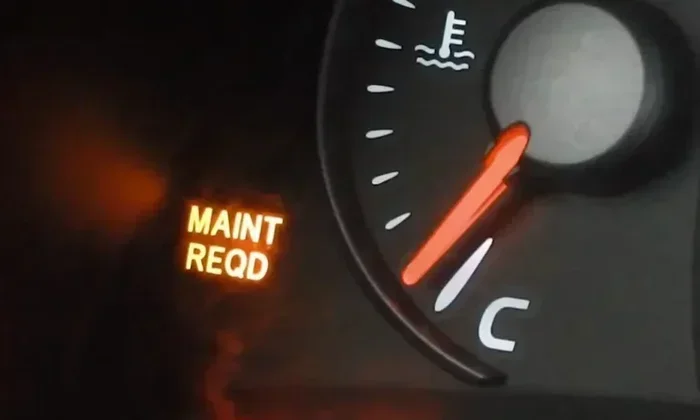
Your dashboard temperature gauge is the most direct indicator of engine heat. If the needle rises above the normal range, pay attention immediately. Some cars have a warning light that illuminates when the engine reaches a critical temperature. Do not ignore either signal.
Steam or Smoke from the Hood
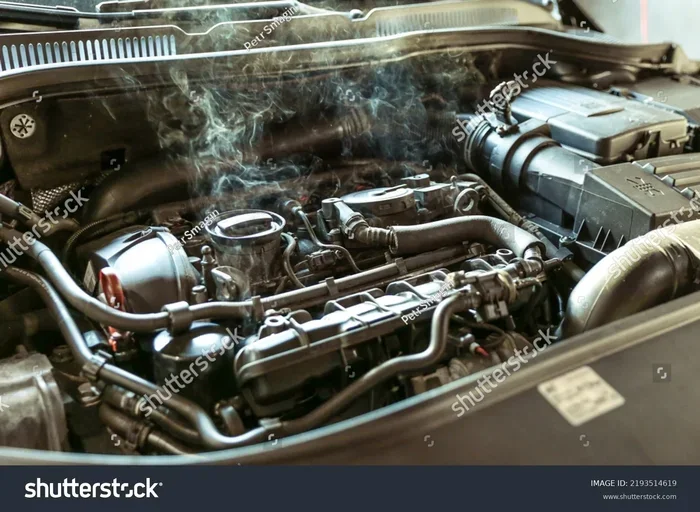
Seeing steam or smoke coming from under the hood is one of the most obvious signs of overheating. This usually means coolant has reached boiling point and is turning to steam. If you see this, pull over safely, turn off the engine, and wait at least 15 minutes before opening the hood. Opening it too soon can cause burns from pressurized steam and hot coolant.
Unusual Smells
A sweet smell inside or outside the car often signals a coolant leak. A burning or oil-like smell might mean engine oil is breaking down from excessive heat. Either way, a strange smell coming from your engine bay deserves immediate attention.
Loss of Power or Strange Noises
An overheating engine may lose power, run rough, or make knocking sounds. These are signs that internal components are struggling under extreme heat. Continuing to drive in this condition can turn a minor repair into a major engine replacement.
Tips to Prevent Engine Overheating
Preventing engine overheating does not require advanced mechanical skills. A few simple habits can keep your engine running at a safe temperature all year long.
Check Coolant Levels Regularly
Make it a habit to check your coolant reservoir at least once a month. The reservoir has minimum and maximum markers that make it easy to see if levels are low. If you notice the level dropping frequently, that could indicate a leak that needs professional attention.
Watch Your Temperature Gauge While Driving
Many drivers never look at their temperature gauge until something is wrong. Get into the habit of glancing at it during your drive, especially on long trips or in hot weather. Catching a slow temperature rise early gives you time to react before it becomes a problem.
Perform Regular Maintenance
Regular maintenance keeps your cooling system in top shape. This includes flushing and replacing coolant according to your vehicle’s service schedule, inspecting hoses and belts, and checking the radiator for debris or damage. If you are handy with basic car tasks, you can even learn to perform your own car diagnostics at home with a simple OBD-II scanner.
Be Careful with Heavy Loads
Carrying too much weight in your car puts extra stress on the engine. The engine works harder, generates more heat, and relies on the cooling system to keep up. If you are hauling heavy cargo or towing a trailer, give your engine extra attention and consider adding an auxiliary cooling fan if your vehicle allows it.
Address Small Problems Quickly
A small coolant leak or a slightly faulty thermostat might not seem urgent. But these small issues can escalate quickly, especially in hot weather or during heavy driving. Addressing minor problems early is always cheaper and easier than dealing with a full engine repair.
Keep Your Radiator Clean
Debris like leaves, bugs, and dirt can block airflow through the radiator. Over time, this reduces the radiator’s ability to cool the coolant effectively. A simple rinse with a garden hose during your regular car wash can help keep the radiator fins clear and airflow unrestricted.
What to Do If Your Engine Overheats
Despite your best efforts, overheating can still happen. Here is what you should do if your temperature gauge starts climbing into the danger zone:
- Turn off the air conditioning: The AC puts extra load on the engine. Turning it off reduces heat generation immediately.
- Turn on the heater: This may feel counterintuitive, but the heater core acts as a secondary radiator and helps pull heat from the engine.
- Pull over safely: Find a safe spot and turn off the engine. Do not continue driving with an overheating engine.
- Wait before opening the hood: Pressurized coolant can cause severe burns. Wait at least 15 to 20 minutes before opening the hood.
- Check coolant levels: Once the engine has cooled, check the coolant reservoir. If it is empty or low, you may have a leak.
- Call for help if needed: If you cannot identify the problem or the engine temperature remains high, call a tow truck. Driving a severely overheated engine can cause catastrophic damage.
Never try to open the radiator cap while the engine is hot. The pressurized system can spray boiling coolant and cause serious injuries. Always wait for the engine to cool completely before touching any part of the cooling system.
How Hot Does the Oil Get Compared to the Coolant
Engine oil and coolant both deal with heat, but they serve different purposes and operate at different temperature ranges. While coolant typically stays between 195°F and 220°F, engine oil can reach temperatures of 250°F to 300°F or even higher in some conditions.
Oil lubricates the moving parts inside the engine. It reduces friction and carries away heat from components that coolant cannot reach, such as the inside of the cylinder walls and the bearings. When oil breaks down from excessive heat, it becomes less effective at lubricating and starts to form harmful deposits.
This is why regular oil changes are so important. Fresh oil handles heat better and keeps your engine protected. If you frequently drive in hot climates or under heavy loads, you might benefit from a higher-quality synthetic oil that withstands extreme temperatures better than conventional options.
Seasonal Considerations for Engine Heat
Engine heat management changes with the seasons. In summer, high ambient temperatures make it harder for the cooling system to dump heat into the air. In winter, the opposite is true, but cold starts can cause extra wear if the engine does not reach operating temperature quickly enough.
During summer months, keep an extra bottle of coolant in your trunk. Monitor your temperature gauge more closely during long drives, especially in stop-and-go traffic. In winter, make sure your coolant mixture is correct for the temperatures you will face. A 50/50 mix typically protects down to about -34°F.
Seasonal changes are also a great time to inspect your cooling system components. A quick check of hoses, belts, and coolant levels at the start of each season can prevent surprises when the weather turns extreme.
Final Thoughts on Engine Heat Management
Your car engine gets hot, and that is by design. The real question is whether you are keeping it within safe limits. Understanding your engine’s normal temperature range, knowing the warning signs of overheating, and staying on top of basic maintenance are the best ways to protect your investment.
Do not wait for the temperature gauge to spike into the red before you pay attention. Make cooling system maintenance a regular part of your car care routine. Check your coolant, inspect your hoses, and listen to what your car is telling you. A few minutes of attention today can save you from a major engine repair tomorrow.
Your engine works hard for you every day. Returning the favor by keeping it cool and well-maintained is the least you can do. Stay informed, stay proactive, and your engine will reward you with years of reliable service.
Frequently Asked Questions
What is the normal temperature range for a car engine?
Most car engines operate between 195°F and 220°F under normal driving conditions. This range allows the engine to run efficiently while keeping all components properly lubricated. If your temperature gauge consistently reads outside this range, it is worth getting your cooling system checked.
Can driving with a hot engine cause permanent damage?
Yes, prolonged driving with an overheated engine can cause permanent damage. Warped cylinder heads, blown head gaskets, and cracked engine blocks are all possible outcomes of sustained overheating. If your engine temperature rises into the red zone, pull over and turn off the engine immediately to prevent serious harm.
How often should I check my coolant level?
Checking your coolant level once a month is a good habit. You should also inspect it before long road trips and at the start of each season. If you notice the level dropping frequently between checks, there may be a leak that needs professional attention.
What should I do if I see steam coming from my hood?
If you see steam coming from under the hood, pull over safely and turn off the engine immediately. Do not open the hood for at least 15 to 20 minutes to allow the engine to cool and avoid burns from pressurized steam. Once cooled, check your coolant level and look for visible leaks before calling for assistance.
Does carrying heavy cargo increase engine heat?
Yes, carrying heavy loads makes your engine work harder and generate more heat. This puts additional stress on your cooling system. If you regularly haul heavy cargo or tow trailers, consider having your cooling system inspected more frequently to ensure it can handle the extra demand.
Can I use water instead of coolant in an emergency?
Water can work as a temporary substitute in an emergency, but it is not a long-term solution. Water lacks the anti-freeze and anti-boil properties of proper coolant and can cause corrosion inside the cooling system. If you top off with water, have your system flushed and refilled with the correct coolant mixture as soon as possible.
=== CONCLUSION ===
Your car engine reaches impressive temperatures during everyday operation, and understanding those temperatures is the first step toward smarter car ownership. From the normal operating range of 195°F to 220°F to the danger zone above 230°F, knowing what your engine should feel like helps you catch problems before they become expensive repairs.
The cooling system is your engine’s best defense against heat. The radiator, water pump, thermostat, and coolant all work together to keep everything running smoothly. Regular maintenance, attentive driving habits, and quick responses to warning signs go a long way toward extending your engine’s life.
Take the time to learn your vehicle’s specific needs. Check your coolant, watch your temperature gauge, and never ignore the signs of overheating. Your engine will keep you moving safely for miles to come. For more tips on keeping your car in top shape, explore our other maintenance guides and stay ahead of potential problems before they start.