How Long Does a Buick Enclave Last and What Affects It
A Buick Enclave can last between 200,000 and 250,000 miles with proper care. The Buick Enclave lifespan depends heavily on maintenance habits, driving conditions, and model year. Regular oil changes, timely repairs, and gentle driving habits play a huge role in how many miles you get out of this reliable SUV.
When you buy a Buick Enclave, one of the first questions that comes to mind is simple: how long will it last? The Buick Enclave lifespan is a topic that matters a lot to buyers, especially those looking for a long-term family SUV. This full-size three-row SUV has earned a solid reputation over the years. But the truth is, the answer depends on several factors that go beyond just the mileage number.
Most owners report getting between 200,000 and 250,000 miles out of their Enclave. That is a serious number for any vehicle. But what makes the difference between an Enclave that hits 150,000 miles and one that pushes past 250,000? The answer lies in a mix of maintenance, driving style, model year, and even how much the vehicle weighs. The Enclave is a heavy SUV, and that heft puts extra stress on components like the suspension, brakes, and engine over time.
In this article, we will break down everything you need to know about the how long does a Buick Enclave last question. We will cover common problems, maintenance tips, the best and worst model years, and what you can do to get the most miles out of your investment. Whether you already own one or are thinking about buying one, this guide has you covered.
Key Takeaways
- Average Lifespan: A well-maintained Buick Enclave can easily reach 200,000 to 250,000 miles.
- Maintenance Matters: Staying on top of oil changes, transmission fluid, and brake jobs dramatically extends your Enclave’s life.
- Model Year Differences: Some years have known issues that can shorten or lengthen your ownership experience.
- Driving Habits Count: Highway driving is easier on the vehicle than constant stop-and-go city driving.
- Repair Costs Rise with Age: Budget for higher maintenance costs once the vehicle passes the 100,000-mile mark.
- Resale Value Holds Well: The Enclave retains value better than many competitors in the full-size SUV segment.
- Weight and Build Quality: The Enclave is a heavy vehicle, and its substantial weight affects wear and tear over time.
📑 Table of Contents
- How Long Does a Buick Enclave Last on Average
- What Affects the Lifespan of a Buick Enclave
- Common Buick Enclave Problems by Mileage
- Maintenance Tips to Extend Your Buick Enclave Life
- Best and Worst Model Years for the Buick Enclave
- Is a Used Buick Enclave Worth Buying
- Final Thoughts on Buick Enclave Longevity
How Long Does a Buick Enclave Last on Average
The average Buick Enclave lifespan is impressive for a family SUV. Most well-cared-for Enclaves reach 200,000 miles without major issues. Some dedicated owners have even pushed their vehicles past 250,000 miles. These numbers put the Enclave in a strong position compared to many competitors in the full-size SUV market.
But average numbers do not tell the whole story. Your personal experience will depend on how you treat the vehicle. A Buick Enclave that gets regular oil changes and timely repairs will far outlast one that is neglected. The difference can be 50,000 miles or more. That is a huge gap, and it all comes down to basic care.
The Enclave uses a 3.6-liter V6 engine that is known for durability. This engine has been in use for many years and has proven itself in multiple GM vehicles. When properly maintained, the V6 engine can easily handle 200,000 miles before needing major work. The transmission, a 9-speed automatic, also holds up well under normal driving conditions.
What the Numbers Look Like by Mileage
Here is a realistic breakdown of what to expect at different mileage points:
- 0 to 50,000 miles: This is the trouble-free honeymoon phase. Most Enclaves run smoothly with only routine maintenance needed.
- 50,000 to 100,000 miles: Minor issues may start appearing. Brake pads, tires, and suspension components may need replacement. Regular fluid changes are critical during this range.
- 100,000 to 150,000 miles: This is where maintenance costs start to rise. The transmission fluid, spark plugs, and various seals may need attention. The engine and transmission are still strong at this point.
- 150,000 to 200,000 miles: With consistent care, the Enclave can keep going strong. Some owners report needing suspension repairs or exhaust work in this range.
- 200,000+ miles: This is the elite territory. Only the most well-maintained Enclaves reach this milestone. At this point, major components may need rebuilding or replacement.
The Enclave is a substantial vehicle, and its weight plays a role in how quickly parts wear out. In fact, the Enclave is 000 lbs heavy for a car, which means every component works harder than it would in a lighter vehicle. This extra weight accelerates wear on brakes, suspension, and tires, so keep that in mind when planning maintenance schedules.
What Affects the Lifespan of a Buick Enclave
Several key factors determine how long your Enclave will last. Understanding these factors helps you take control of your vehicle’s future. Some things you can control, and others are simply part of owning this particular model.
Maintenance Habits
This is the biggest factor. A Buick Enclave that gets regular oil changes every 5,000 to 7,500 miles will last significantly longer than one that skips services. Here are the maintenance items that matter most:
- Oil and filter changes: The lifeblood of your engine. Do not skip these.
- Transmission fluid: Change it every 60,000 to 80,000 miles to prevent transmission wear.
- Coolant flushes: Keep the engine at the right temperature and prevent corrosion.
- Brake fluid: Replace it every two years to maintain braking performance.
- Spark plugs: Replace them at the recommended intervals for smooth engine operation.
Owners who follow the maintenance schedule to the letter consistently report better long-term results. It is not glamorous work, but it pays off in miles.
Driving Conditions and Habits
How and where you drive matters a lot. Highway driving at steady speeds is much easier on the engine and transmission than constant city stop-and-go traffic. Here is a quick comparison:
- Highway driving: Less stress on brakes, more consistent engine temperatures, and better fuel economy.
- City driving: More braking, more idling, and more wear on transmission and brakes.
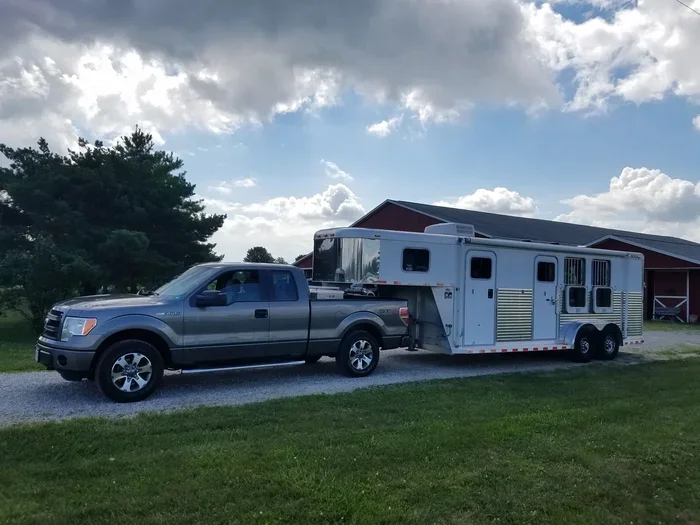
- Towing or hauling: Adds significant stress to the engine, transmission, and suspension components.
- Short trips: Can cause moisture buildup in the engine oil, leading to faster wear.
If you live in a hot climate, that also affects your Enclave’s longevity. Extreme heat accelerates fluid breakdown and puts extra strain on the cooling system. Cold climates bring their own challenges, like thicker oil and increased wear during cold starts.
Model Year and Generation
Not all Enclaves are created equal. Different model years have different strengths and weaknesses. The first generation (2008-2017) and the second generation (2018-present) each have their own characteristics. Some years had known issues that affected long-term reliability, while others were nearly problem-free.
The Enclave is a large and heavy SUV, and its weight affects how different components age over time. The heavier the vehicle, the more stress on every moving part. This is something to keep in mind when evaluating older models or high-mileage examples.
Common Buick Enclave Problems by Mileage
Every vehicle has its quirks, and the Enclave is no exception. Knowing what to expect at different mileage points helps you stay ahead of problems before they become expensive repairs.
50,000 to 80,000 Mile Issues
At this mileage range, some Enclave owners report issues with the transmission. The 9-speed automatic can sometimes show hesitation or rough shifting. A transmission fluid change at around 60,000 miles can help prevent this. Another common issue in this range is brake wear. The Enclave is a heavy vehicle, and the brakes work hard to stop all that weight.
100,000 to 150,000 Mile Issues
This is the range where more significant repairs can appear. The water pump, alternator, and various suspension components may need replacement. Some owners report issues with the electrical system, including sensor failures and infotainment glitches. The exhaust manifold can also develop cracks in older models.
One thing to watch for is the condition of the engine mounts. On a vehicle that weighs so much, worn engine mounts create noticeable vibrations and can lead to other drivetrain issues. Replacing them early prevents cascading problems.
150,000 Miles and Beyond
At this stage, the Enclave needs more attentive care. The transmission may need a rebuild or replacement. The suspension system takes a beating from years of use, and components like control arms, ball joints, and shocks wear out. The body itself may start showing signs of rust, especially in areas that see road salt or harsh weather.
Despite these potential issues, many Enclaves continue to run well at high mileage. The key is addressing small problems before they become big ones. Catching a small oil leak early saves you from a much bigger repair bill down the road.
Maintenance Tips to Extend Your Buick Enclave Life
Want to get the most miles out of your Enclave? Follow these practical tips that real owners and mechanics swear by.
Stay on Top of Fluid Changes
Fluids are the lifeblood of any vehicle, and the Enclave is no exception. Engine oil, transmission fluid, coolant, brake fluid, and power steering fluid all need regular attention. Do not rely on “lifetime” fill claims for transmission fluid. Changing it at 60,000 miles can add years to your transmission life.
Address Small Problems Immediately
A small rattling noise today can become a broken component tomorrow. The Enclave is a complex machine with many interconnected systems. Ignoring a minor issue often leads to secondary damage that costs much more to fix.
Keep It Clean
Wash the undercarriage regularly, especially if you live in an area that uses road salt. Rust is one of the biggest enemies of long-term vehicle longevity. Clean wheels, undercarriage, and body panels help prevent corrosion and keep the Enclave looking and running its best.
Drive with Care
Avoid aggressive acceleration and hard braking whenever possible. Smooth driving reduces stress on the engine, transmission, brakes, and suspension. This does not mean driving slowly all the time, but rather being gentle with the controls.
Use Quality Parts and Fluids
Cheap fluids and aftermarket parts may save money in the short term, but they often lead to premature wear. Use OEM or high-quality equivalent parts for repairs and maintenance. The Enclave is a premium SUV, and it deserves premium care.
Best and Worst Model Years for the Buick Enclave
Not every model year of the Enclave is created equal. Some years have known issues that affect reliability and longevity. Here is a quick look at what to expect from different generations.
| Generation | Years | Overall Reliability | Known Issues |
|---|---|---|---|
| First Generation | 2008-2017 | Good with some quirks | Transmission hesitation, exhaust manifold cracks, electrical gremlins |
| Second Generation | 2018-Present | Very Good | Minor infotainment issues, brake wear on heavy models |
The second-generation Enclave (2018 and newer) is generally considered more refined and reliable. GM addressed many of the first-generation issues. However, every vehicle is different, and maintenance history matters more than the model year alone.
The Enclave has always been a heavy vehicle, and its substantial weight affects how different years age. When shopping for a used Enclave, always get a pre-purchase inspection. A thorough check by a qualified mechanic can reveal hidden issues that may affect the vehicle’s remaining lifespan.
Is a Used Buick Enclave Worth Buying
The short answer is yes, with caveats. A used Buick Enclave can be an excellent value, especially models from the 2018 generation or newer. The Enclave offers a spacious interior, comfortable ride, and strong V6 engine that holds up well over time. But buying used means you are inheriting whatever maintenance (or lack thereof) the previous owner provided.
When considering a used Enclave, pay close attention to the maintenance records. A vehicle with documented service history is far more reliable than one with unknown past. Look for signs of regular oil changes, fluid flushes, and timely repairs.
The Enclave’s weight means that suspension and brake components wear faster than they would in a lighter vehicle. Factor in potential replacement costs when budgeting for a used purchase. A well-maintained Enclave with 100,000 miles can easily last another 100,000 miles with proper care. That is a great return on investment for a family SUV.
Because the Enclave is 000 lbs heavy for a car, you want to make sure the previous owner took care of the brakes, suspension, and drivetrain. These components wear faster on a heavy vehicle and can be expensive to replace if neglected.
Final Thoughts on Buick Enclave Longevity
The Buick Enclave lifespan is genuinely impressive for a family SUV. With proper care and attention, you can expect 200,000 to 250,000 miles or more from your Enclave. The key is consistent maintenance, gentle driving habits, and addressing issues before they grow into major problems.
The Enclave is a heavy vehicle, and that weight affects every system over time. But it is also what gives the Enclave its solid, planted feel on the road. The trade-off between weight and longevity is manageable with the right care routine.
If you are already an Enclave owner, commit to the maintenance schedule and enjoy the miles. If you are shopping for one, look for well-documented service history and get a pre-purchase inspection. The Enclave rewards careful owners with years of reliable service. It is a vehicle that can comfortably serve a family for a decade or more, making it one of the better choices in the full-size SUV segment.
Remember, the answer to how long does a Buick Enclave last is ultimately in your hands. Every oil change, every repair done on time, and every gentle driving decision adds miles to your Enclave’s life. Treat it well, and it will treat you well for a very long time.
Frequently Asked Questions
What is the average lifespan of a Buick Enclave?
A well-maintained Buick Enclave typically lasts between 200,000 and 250,000 miles. Some owners have pushed their vehicles past 250,000 miles with consistent care. Regular maintenance is the single biggest factor in reaching these high mileage numbers.
What are the most common Buick Enclave problems?
The most reported issues include transmission hesitation, exhaust manifold cracks, and electrical gremlins. Brake wear is also common because the Enclave is a heavy vehicle. Staying on top of maintenance helps prevent most of these problems from becoming serious.
Is the Buick Enclave reliable for long-term ownership?
Yes, the Enclave is generally reliable for long-term ownership. The 3.6-liter V6 engine and 9-speed transmission are proven components that handle high mileage well. Owners who follow the maintenance schedule consistently report the best long-term results.
How many miles can a Buick Enclave engine last?
The Enclave’s 3.6-liter V6 engine can last well over 200,000 miles with proper care. Regular oil changes and timely repairs are essential. The engine is known for durability and has been used in many GM vehicles over the years.
Which Buick Enclave model year is the most reliable?
The 2018 and newer second-generation Enclaves are generally considered the most reliable. GM addressed many issues from the first generation. However, maintenance history matters more than the model year when evaluating any used vehicle.
How can I make my Buick Enclave last longer?
Follow the maintenance schedule strictly, change fluids on time, address small problems immediately, and drive gently. Regular washing and undercarriage cleaning also help prevent rust. Smooth driving habits reduce stress on all vehicle components.