How Long Is Full Synthetic Oil Good For?
Full synthetic oil typically lasts between 7,500 and 15,000 miles or about 12 months, making it one of the longest-lasting engine oils available. Unlike conventional oil, full synthetic oil resists thermal breakdown and oxidation, so your engine stays protected for extended intervals. Understanding how long full synthetic oil is good for helps you save money on unnecessary oil changes while keeping your vehicle running at peak performance.
How Long Is Full Synthetic Oil Good For?
You just got your car back from the shop with a fresh bottle of full synthetic oil in the engine. Great news, right? But then a question hits you: how long does this stuff actually last? You’ve probably heard different answers from friends, online forums, and even your mechanic. Some say 5,000 miles. Others push it to 15,000 miles or more. The truth is, the lifespan of full synthetic oil depends on several factors that every car owner should understand.
This guide breaks down everything you need to know about synthetic motor oil lifespan. We’ll cover what full synthetic oil is, how long it typically lasts, what shortens or extends its life, and how to spot the warning signs that it’s time for a change. Whether you drive a daily commuter or a weekend warrior, you’ll walk away with practical advice you can use right away.
Let’s get into it, because your engine deserves the right care at the right time.
Key Takeaways
- Full synthetic oil lasts: 7,500 to 15,000 miles or 12 months, whichever comes first.
- Check your owner’s manual: Manufacturer-specific intervals should always guide your oil change schedule.
- Extreme driving shortens oil life: Heat, dust, and stop-and-go traffic reduce protection faster.
- Never mix oil types: Avoid combining synthetic oil with conventional oil during emergency top-ups.
- Track mileage and dates: Staying on schedule ensures your engine receives consistent protection.
- Fresh oil boosts performance: Quality synthetic oil improves engine power and fuel efficiency over time.
- Dispose responsibly: Recycle used oil at certified centers or trusted auto shops.
📑 Table of Contents
- What Is Full Synthetic Oil and Why Does It Matter?
- How Long Does Full Synthetic Oil Last Under Normal Conditions?
- Factors That Shorten or Extend Synthetic Oil Life
- Signs Your Full Synthetic Oil Needs Changing
- How to Get the Most Out of Your Full Synthetic Oil
- Common Mistakes That Shorten Synthetic Oil Life
- The Bottom Line on Full Synthetic Oil Lifespan
What Is Full Synthetic Oil and Why Does It Matter?
Full synthetic oil is a type of engine lubricant made entirely from chemically engineered base oils. Unlike conventional oil, which comes directly from crude petroleum, synthetic oil is built in a lab. The result is a cleaner, more consistent product that performs better under extreme conditions. Every car owner should understand what goes into their engine, because the oil you choose directly affects how well your engine runs over time.
The Science Behind Synthetic Oil
Full synthetic oil starts with a base oil that has uniform molecules. This uniformity matters a lot. When oil molecules are all roughly the same size, the oil flows more smoothly and protects engine parts more evenly. Synthetic motor oil also contains a carefully balanced additive package. These additives boost anti-wear protection, improve thermal stability, and help prevent oil sludge buildup inside your engine.
Here’s what makes full synthetic oil stand out compared to other types:
- Conventional oil: Refined from crude oil. Good for basic driving but breaks down faster under heat and stress.
- Synthetic blend: A mix of conventional and synthetic oils. Offers better protection than conventional but falls short of full synthetic.
- Full synthetic oil: Purely engineered for maximum engine protection, thermal resistance, and longevity.
The viscosity of full synthetic oil also plays a big role. Viscosity refers to how thick or thin the oil is at different temperatures. Full synthetic oils maintain their oil viscosity better across a wide temperature range. This means better cold starts in winter and stronger film strength during hot summer drives.
How Long Does Full Synthetic Oil Last Under Normal Conditions?
Under ideal driving conditions, full synthetic oil can last between 7,500 and 15,000 miles before needing a change. Some manufacturers even claim intervals of up to 20,000 miles for certain vehicles using specific synthetic formulations. But here’s the catch: “normal conditions” means a lot of things, and your real-world driving might not fit that definition.
Manufacturer Recommendations vs. Real-World Reality
Most car makers recommend an oil change interval of every 7,500 to 10,000 miles for vehicles using full synthetic oil. Always check your owner’s manual first. The manufacturer knows your engine best and designs the oil change schedule around specific testing conditions.
However, real-world driving rarely matches those perfect test conditions. Your actual engine oil lifespan depends on how you drive, where you drive, and what your car carries. A synthetic oil change interval of 10,000 miles on paper might drop to 5,000 miles in practice if you frequently haul heavy loads or drive in stop-and-go traffic.
Here’s a quick comparison of typical oil change intervals by oil type:
| Oil Type | Typical Change Interval | Best For |
|---|---|---|
| Conventional Oil | 3,000 – 5,000 miles | Older vehicles, basic commuting |
| Synthetic Blend | 5,000 – 7,500 miles | Moderate driving conditions |
| Full Synthetic Oil | 7,500 – 15,000 miles | Performance driving, extreme temperatures |
| Synthetic with Extended Drain | 15,000 – 20,000 miles | Newer vehicles, ideal conditions |
Notice how full synthetic oil sits at the top for longevity. That extra protection comes from the refined base stock and advanced additives that resist oil degradation longer than conventional options.
Factors That Shorten or Extend Synthetic Oil Life
This is where things get interesting. The lifespan of your synthetic motor oil isn’t set in stone. Several factors can either shorten or extend the oil change interval significantly. Understanding these factors helps you make smarter decisions about when to change your oil.
Driving Conditions That Matter Most
Not all miles are created equal. The way you drive and where you drive directly impacts how quickly your full synthetic oil breaks down. Here are the key conditions that affect engine oil lifespan:
- Short trips under 5 miles: The engine never reaches full operating temperature. Moisture and fuel contaminate the oil faster, reducing its effectiveness.
- Stop-and-go city driving: Frequent idling and low-speed driving create more oil sludge and carbon deposits than steady highway cruising.
- Highway driving at steady speeds: This is the ideal scenario. The engine stays at a consistent temperature, and the oil circulates cleanly.
- Extreme heat or cold: Both temperature extremes accelerate oil breakdown. Hot weather thins the oil faster, while cold weather makes it work harder during startup.
- Towing or hauling heavy loads: Extra weight puts more stress on the engine and the oil. Think about how much strain extra weight creates, similar to the impact of heavy loads on a vehicle’s overall performance.
If you regularly drive long distances at steady speeds, you might find that your full synthetic oil lasts closer to the upper end of the recommended interval. This is especially true if you also drive a hybrid car for long-distance trips, since the electric motor assists the engine and reduces overall wear.
Vehicle-Specific Factors
Your car itself plays a role in determining how long the oil lasts. Vehicle weight, engine design, and age all factor in. Heavier vehicles put more demand on the lubrication system. The engine works harder to move extra weight, which increases oil temperature and accelerates the breakdown of the additive package.
Turbocharged engines also deserve special attention. The higher operating temperatures in a turbocharged engine can degrade synthetic oil faster than in a naturally aspirated engine. If your car has a turbo, consider shortening your oil change interval by 1,000 to 2,000 miles as a safety margin.
Signs Your Full Synthetic Oil Needs Changing
Even if you haven’t hit the mileage mark, your oil might still need replacing. Knowing the warning signs saves your engine from premature wear. Don’t wait for the dashboard oil light to come on. By then, damage may already be starting.
Visual and Physical Warning Signs
Here are the most common signs that your synthetic motor oil has reached the end of its useful life:
- Dark, gritty oil on the dipstick: Fresh synthetic oil is amber or golden in color. As it ages, it darkens. But if it looks black and gritty, the oil filter has been doing its job trapping contaminants, and the oil itself is breaking down.
- Burning smell inside the cabin: Old oil can start to degrade and produce a burnt odor. This often signals that the oil has lost its thermal stability and is beginning to oil breakdown at the molecular level.
- Reduced engine performance: Sluggish acceleration or rough idling can point to poor lubrication. When full synthetic oil loses its protective film, metal parts experience more friction, which reduces engine performance.
- Unusual engine noises: Knocking or ticking sounds may mean the oil is too thin or too contaminated to properly cushion moving parts.
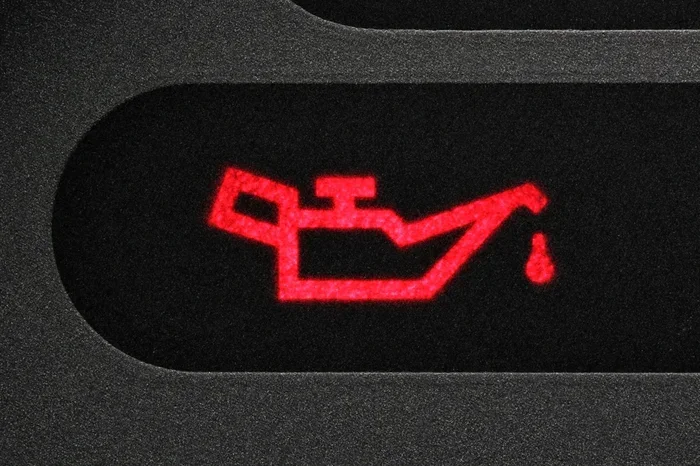
- Oil pressure warning light: This is the most urgent sign. Low oil pressure means insufficient lubrication, which can cause serious engine damage within minutes.
Using Oil Analysis Kits
For a more scientific approach, consider purchasing an oil analysis kit. These kits let you send a sample of your used oil to a lab. The lab tests for metal particles, contamination levels, and oil degradation markers. This method gives you a clear picture of your oil’s actual condition rather than relying on mileage estimates alone.
How to Get the Most Out of Your Full Synthetic Oil
You’ve invested in premium full synthetic oil. Now it’s time to protect that investment and get the longest possible engine oil lifespan out of every change. These practical tips help you squeeze maximum value from each oil change.
Change Your Oil Filter Every Time
Never reuse an old oil filter. The filter captures dirt, metal particles, and oil sludge that accumulate during driving. A clogged filter forces dirty oil back through the engine, which defeats the purpose of using premium synthetic motor oil. Always pair a fresh oil change with a new filter. It costs just a few dollars and makes a big difference.
Stick to the Recommended Oil Viscosity
Your owner’s manual specifies the right oil viscosity for your engine. Using the wrong viscosity, even if it’s full synthetic, can reduce protection and shorten the oil’s effective life. Thinner oil flows faster but may not maintain a strong enough film under high heat. Thicker oil protects better at high temperatures but may flow too slowly during cold starts.
Follow a Consistent Oil Change Schedule
Consistency matters more than pushing every mile to the absolute limit. Even if your full synthetic oil could technically last 15,000 miles, changing it every 7,500 miles gives you a built-in safety buffer. Think of it like changing your car’s air filter or checking tire pressure. Regular maintenance prevents bigger problems down the road.
Monitor Your Driving Habits
Be honest about your driving style. If most of your trips are short errands in heavy traffic, your full synthetic oil works harder than someone who drives a single long highway commute each day. Adjust your oil change schedule accordingly. Short-trip drivers should lean toward the shorter end of the recommended interval.
Quick Tips for Maximum Oil Life
- Let your engine warm up for 30 seconds before driving hard.
- Avoid revving the engine cold.
- Check your oil level monthly with the dipstick.
- Keep a log of every oil change with the date and mileage.
- Use the same brand and grade of oil for consistency.
- Store oil bottles in a cool, dry place if you keep spares.
Common Mistakes That Shorten Synthetic Oil Life
Even with the best full synthetic oil, simple mistakes can cut its lifespan in half. Avoid these common errors to protect your engine and your wallet.
Overlooking the “Severe Service” Driving Definition
Many car makers define “severe service” driving conditions. These include frequent short trips, towing, driving in extreme heat, and stop-and-go traffic. If any of these apply to you, you fall into the severe service category. In that case, your oil change interval should be shorter than the standard recommendation. Most manufacturers suggest halving the normal interval for severe service driving.
Ignoring Oil Quality Over Time
Not all synthetic oils are created equal. Cheap synthetic oils may use lower-quality base stocks and fewer additives. They degrade faster and provide less engine protection over time. Invest in reputable brands with proven track records. The small extra cost pays for itself in extended engine life.
Waiting for the Oil Light Instead of Following a Schedule
Some modern cars have oil life monitoring systems that calculate when to change the oil based on driving patterns. These systems are helpful but not perfect. They can sometimes underestimate oil degradation, especially if you drive in challenging conditions. Use the monitor as a guide, but also follow a fixed mileage schedule as a backup.
Skipping Oil Changes Because the Oil “Looks Fine”
Oil can look perfectly clean on the dipstick while already losing its protective properties at the molecular level. The additive package depletes over time, and the base oil undergoes thermal breakdown even if it appears dark but smooth. Never judge oil quality by appearance alone. Stick to your mileage-based schedule.
The Bottom Line on Full Synthetic Oil Lifespan
Full synthetic oil offers the best protection and longest lifespan of any engine oil on the market. Under normal driving conditions, expect full synthetic oil to last between 7,500 and 15,000 miles. Under ideal conditions with steady highway driving, it can push toward the upper end of that range. Under severe conditions, you may need to change it every 5,000 miles or less.
The key takeaway is simple: know your driving habits, follow your manufacturer’s recommendations, and pay attention to the warning signs. Your engine works hard every time you turn the key. Treating it with quality synthetic motor oil and a consistent oil change schedule is one of the easiest and most cost-effective things you can do as a car owner.
Don’t wait for problems to appear. Check your oil regularly, stick to your oil change interval, and enjoy the confidence that comes from knowing your engine is properly protected. A little attention to full synthetic oil maintenance today saves you from expensive repairs tomorrow.
Frequently Asked Questions
What is How Long Is Full Synthetic Oil Good For??
How Long Is Full Synthetic Oil Good For? is an important topic with many practical applications and benefits.
How can How Long Is Full Synthetic Oil Good For? help me?
Understanding How Long Is Full Synthetic Oil Good For? can improve your knowledge and provide practical solutions.