Ever Wondered How Many Amp Hours Is a Tesla Battery
A Tesla battery typically ranges from about 50 to 100 amp hours depending on the model and configuration. Understanding amp hours helps you grasp how much energy your Tesla stores and how far it can travel. Whether you own a Model 3, Model S, Model X, or Model Y, knowing your battery capacity empowers smarter charging and driving habits.
Electric vehicles are changing the way we think about driving. Tesla leads this revolution with sleek designs, impressive range, and cutting-edge battery technology. But one question keeps popping up among new and curious EV owners: how many amp hours is a Tesla battery?
The answer is not as simple as you might think. Tesla builds several models, each with different battery sizes and configurations. A Tesla battery amp hour rating depends on the model year, trim level, and battery variant. In this guide, we break it all down in plain language. You will learn what amp hours mean, how they compare to kilowatt hours, and why they matter for your daily driving.
We also cover practical tips to get the most out of your Tesla battery. Whether you are shopping for a new Tesla or already own one, this article gives you the knowledge to make informed decisions. Let us dive right in.
Key Takeaways
- Tesla batteries vary widely: amp hour ratings depend on the specific model, trim level, and battery configuration you choose.
- Amp hours and kilowatt hours are different: kWh measures total energy, while amp hours measure current flow over time. Both matter for range and performance.
- Lithium-ion cells power every Tesla: These cells offer high energy density, long cycle life, and fast charging capability.
- Battery weight impacts performance: A Tesla battery pack can weigh several hundred pounds, which connects to overall vehicle heft like 000 Lbs Heavy For A Car considerations.
- Simple habits extend battery life: Avoid deep discharges, limit supercharging frequency, and manage temperature exposure for longevity.
- Future Tesla batteries are even better: New cell chemistry and structural pack designs continue improving energy density and efficiency.
📑 Table of Contents
- What Are Amp Hours and Why Do They Matter?
- Tesla Battery Specs by Model
- How Amp Hours Compare to Kilowatt Hours
- Factors That Affect Tesla Battery Capacity
- Tips to Maximize Your Tesla Battery Life
- Common Mistakes Tesla Owners Make with Battery Care
- Expert Insights on Tesla Battery Technology
- Key Takeaways
What Are Amp Hours and Why Do They Matter?
Understanding the Basics of Amp Hours
An amp hour, often written as Ah, measures how much electrical current a battery can deliver over one hour. Think of it like water in a tank. A larger tank holds more water. A battery with higher amp hours holds more electrical charge. This directly affects how far your car can travel on a single charge.
For example, a battery rated at 50 amp hours can theoretically supply 50 amps for one hour. Or it can supply 25 amps for two hours. In real-world driving, the actual performance varies based on speed, temperature, terrain, and driving style.
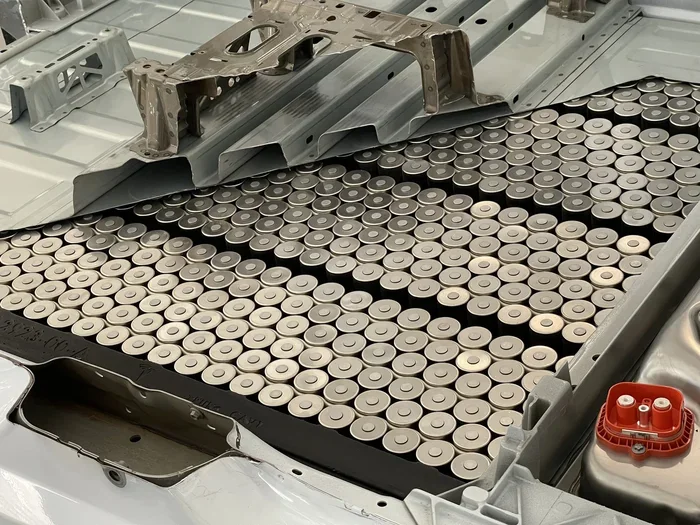
Tesla uses lithium-ion battery cells in every vehicle. These cells are lightweight, energy-dense, and built to handle thousands of charge cycles. The amp hour rating tells you the capacity of the entire pack, not just one cell. Tesla assembles thousands of small cells into modules, and then modules into a full battery pack.
Why Amp Hours Are Important for Electric Vehicles
When you know the amp hour rating, you understand your vehicle’s energy storage better. This knowledge helps you:
- Predict range more accurately. Higher amp hours generally mean more miles per charge.
- Plan charging stops. You can estimate how long a charge will take at different power levels.
- Compare battery options. Different trim levels may offer different pack sizes.
- Estimate battery degradation. Tracking capacity over time helps you spot potential issues early.
Most people also look at kWh ratings when comparing batteries. We will explore that comparison in detail shortly. But for now, remember that amp hours are a foundational metric for understanding any battery, including your Tesla.
Tesla Battery Specs by Model
Tesla offers several models, and each one comes with different battery options. Here is a closer look at the amp hour ranges you can expect across the lineup.
Model 3 Battery Amp Hours
The Model 3 is Tesla’s most popular sedan. It comes in several variants, including Standard Range Plus, Long Range, and Performance. The Model 3 battery typically ranges from about 50 to 82 amp hours depending on the version.
- Standard Range: Around 50 to 60 amp hours. Great for daily commutes and city driving.
- Long Range: Around 75 to 82 amp hours. Offers the best balance of range and value.
- Performance: Similar capacity to Long Range but tuned for acceleration and power delivery.
The Model 3 uses either a 2170 cell format or the newer 4680 cell format in newer builds. The 4680 cells are larger and offer improved energy density. This means more amp hours in a lighter, more compact package.
Model S Battery Amp Hours
The Model S is Tesla’s flagship sedan. It offers the highest capacity batteries in the lineup. The Model S battery can reach up to 100 amp hours or more in the Plaid and Long Range variants.
- Standard Range: Around 90 to 95 amp hours.
- Long Range: Around 95 to 100 amp hours.
- Plaid: Similar capacity but optimized for extreme performance output.
The Model S uses 18650 cells in older builds and 4680 cells in newer production runs. Either way, the pack is large and powerful. This sedan can travel over 400 miles on a full charge in the best configurations.
Model X and Model Y Battery Amp Hours
The Model X is Tesla’s SUV, and the Model Y is its compact SUV. Both share similar battery architectures with the Model 3 and Model S.
The Model Y battery typically ranges from 60 to 80 amp hours depending on the variant. The Model X battery sits in a similar range but may be slightly higher in the Plaid version due to the larger vehicle size and weight.
If you are curious about how much weight these battery packs add to the vehicle, consider that a heavy battery contributes to overall vehicle mass. This is similar to the concept explored in 000 Lbs Heavy For A Car, where weight plays a major role in vehicle performance and efficiency.
How Amp Hours Compare to Kilowatt Hours
You will see Tesla batteries described in both amp hours and kilowatt hours. These are related but different measurements. Understanding both gives you a complete picture of your battery.
What Is a Kilowatt Hour?
A kilowatt hour, or kWh, measures total energy. It tells you how much power the battery can deliver over one hour at a given rate. Tesla primarily uses kWh in its marketing and spec sheets because it is easier for consumers to understand.
For example, a Tesla Model 3 Long Range might have a 75 kWh battery pack. This means it stores 75 kilowatt hours of usable energy. The amp hour rating gives you additional detail about current capacity.
The Relationship Between Amp Hours and kWh
The formula connecting these two is simple:
kWh = (Amp Hours × Voltage) ÷ 1000
Tesla battery packs operate at high voltage, typically around 350 to 400 volts. So a 50 amp hour battery at 400 volts stores about 20 kWh of energy. A 100 amp hour battery at 400 volts stores about 40 kWh.
Here is a quick comparison table to make this clearer:
- Model 3 Standard Range: ~50 Ah, ~60 kWh
- Model 3 Long Range: ~82 Ah, ~75 kWh
- Model S Long Range: ~100 Ah, ~100 kWh
- Model Y Long Range: ~80 Ah, ~75 kWh
- Model X Plaid: ~100 Ah, ~100 kWh
As you can see, higher amp hours generally align with higher kWh ratings. But voltage also plays a role. Two batteries with the same amp hours can store different amounts of energy if their voltage differs.
Factors That Affect Tesla Battery Capacity
Not all Tesla batteries perform identically. Several factors influence the actual amp hours and usable capacity you experience in daily driving.
Temperature and Climate
Lithium-ion batteries are sensitive to temperature. Cold weather reduces chemical activity inside the cells. This temporarily lowers the available amp hours. In winter, you might notice your Tesla losing 10 to 20 percent of its expected range.
Hot weather has its own challenges. Prolonged exposure to high heat accelerates battery degradation over time. Tesla includes a thermal management system to keep the battery in an optimal temperature range. But extreme conditions still take a toll.
Driving Habits and Style
How you drive affects how much of the battery you use. Aggressive acceleration and high speeds drain the pack faster. Smooth, steady driving preserves amp hours and extends range. Regenerative braking also helps recover energy during deceleration.
Here are some simple tips to conserve battery:
- Drive at moderate speeds on highways.
- Use cruise control on flat roads.
- Avoid rapid acceleration when possible.
- Precondition the cabin while still plugged in.
- Use seat heaters instead of full cabin heating when safe.
Battery Age and Degradation
All batteries lose capacity over time. Tesla batteries are designed to retain about 90 percent of their original capacity after 200,000 miles. This means a brand-new Model 3 with 82 amp hours might read closer to 74 amp hours after many years of use.
Tesla tracks battery health through software updates. You can check your battery health in the vehicle settings or through the Tesla mobile app. If you notice a significant drop in range, it may be time to inspect the battery or consult a Tesla service center.
Charging Habits
How you charge your Tesla also matters. Frequently charging to 100 percent or draining to 0 percent stresses the battery. Tesla recommends keeping the charge between 20 and 80 percent for daily use. This simple habit can significantly extend battery life and maintain healthy amp hour ratings over the years.
Tips to Maximize Your Tesla Battery Life
You do not need to be a technician to care for your Tesla battery. A few straightforward practices go a long way in preserving capacity and performance.
1. Charge Smart, Not Fast
Supercharging is convenient for road trips. But relying on Superchargers every day generates more heat and stress on the cells. For daily driving, use a Level 2 home charger. It is slower but gentler on the battery. Think of it like exercise: moderate, consistent activity beats extreme bursts every time.
2. Manage Preconditioning
Tesla lets you precondition the battery before driving. This warms the cells in cold weather and improves efficiency. You can set this through the Tesla app. It ensures the battery operates at its best amp hour capacity from the moment you start driving.
3. Keep Software Updated
Tesla pushes over-the-air updates that improve battery management algorithms. These updates sometimes unlock additional range or optimize charging curves. Always keep your vehicle software up to date for the best battery performance.
4. Park in Shade When Possible
Extreme heat degrades lithium-ion cells faster. Parking in a garage or shaded area reduces thermal stress. In very hot climates, this small habit can add years of healthy battery life to your Tesla.
Common Mistakes Tesla Owners Make with Battery Care
Even well-meaning Tesla owners can make habits that hurt battery longevity. Here are a few to watch out for.
- Charging to 100 percent every night: This keeps the battery at maximum stress. Charge to 90 percent for daily use unless you need the full range for a trip.
- Leaving the car at zero charge: Deep discharges damage lithium-ion cells. If the car sits unused, keep it above 20 percent.
- Ignoring temperature warnings: If your Tesla alerts you about battery temperature, take it seriously. Pull over and let the system cool down.
- Skipping scheduled maintenance: Tesla does not require oil changes, but battery inspections are still important. Follow the service schedule in your owner’s manual.
Avoiding these mistakes keeps your battery healthy and your amp hour ratings closer to their original spec for longer.
Expert Insights on Tesla Battery Technology
Tesla continues to push the boundaries of battery innovation. The company invests heavily in research and development to improve energy density, charging speed, and longevity.
The 4680 cell is one of the most exciting developments. These cells are larger than previous formats and eliminate the need for individual cell tabs. This reduces resistance and heat, allowing for faster charging and more efficient energy delivery. The 4680 cell also simplifies manufacturing, which helps reduce costs and improve quality control.
Tesla also uses structural battery pack design in newer vehicles. The battery pack itself becomes part of the car’s structural frame. This reduces overall weight and improves rigidity. A lighter vehicle needs less energy to move, which effectively increases the usable amp hours for driving.
Elon Musk has stated that Tesla aims to produce a battery that lasts over 1 million miles. While that goal is still in development, current Tesla batteries already outperform most consumer expectations. The combination of smart software, efficient thermal management, and advanced cell chemistry makes Tesla batteries among the best in the electric vehicle market.
Looking ahead, solid-state battery technology could be the next big leap. Solid-state batteries use a solid electrolyte instead of liquid. This promises even higher energy density, faster charging, and improved safety. Tesla is actively researching this technology, and it could reshape the EV industry within the next decade.
Key Takeaways
- A Tesla battery amp hour rating varies by model: expect roughly 50 to 100 Ah depending on the vehicle.
- Amp hours and kWh work together: both describe energy storage from different angles.
- Temperature, driving style, and charging habits all affect real-world capacity.
- Proper care extends battery life significantly: simple routines make a big difference over time.
- Tesla is investing in next-generation battery tech: the 4680 cell and structural packs represent the future.
- Knowledge is power: understanding your battery helps you drive smarter and save money.
Frequently Asked Questions
How many amp hours does a Tesla Model 3 have?
The Tesla Model 3 battery typically ranges from about 50 to 82 amp hours depending on the variant. The Standard Range model sits around 50 to 60 amp hours, while the Long Range version reaches closer to 82 amp hours. Always check your specific model year for the exact rating.
Can I increase the amp hours in my Tesla battery?
No, you cannot physically increase the amp hours of a factory-installed Tesla battery. The capacity is determined by the number and type of cells in the pack. However, you can maximize usable capacity through smart charging habits and proper battery care.
What does amp hour mean in a Tesla battery?
An amp hour measures how much current a battery can deliver over one hour. In a Tesla, this number reflects the total charge stored in the battery pack. Higher amp hours generally mean more range and longer driving capability on a single charge.
Do Tesla batteries lose amp hours over time?
Yes, all batteries experience some degree of capacity loss over time. Tesla batteries are designed to retain about 90 percent of their original capacity after 200,000 miles. Factors like temperature, charging habits, and driving style influence the rate of degradation.
How is amp hours different from kilowatt hours in a Tesla?
Amp hours measure current capacity, while kilowatt hours measure total energy. The two are connected through voltage. Tesla uses kWh in its official specs because it gives a clearer picture of usable energy for consumers. Amp hours provide additional detail for those who want to understand current flow.
What is the best amp hour rating for a Tesla if I drive long distances?
If you drive long distances regularly, aim for a Tesla model with the highest amp hour rating available. The Model S Long Range and Model X Plaid offer the largest packs, often exceeding 100 amp hours. These configurations provide the best range for highway driving and road trips.
=== CONCLUSION ===
So how many amp hours is a Tesla battery? The answer depends on your specific model, trim level, and battery configuration. From the compact Model 3 to the powerful Model S Plaid, Tesla offers a wide range of battery capacities to suit different needs and budgets.
Understanding amp hours gives you a deeper appreciation for what makes your Tesla tick. It helps you plan trips, manage charging, and care for your battery properly. Combined with knowledge of kWh ratings, temperature effects, and driving habits, you become a more informed and efficient EV owner.
Tesla continues to innovate at a remarkable pace. New cell formats, structural pack designs, and software improvements make each generation better than the last. Whether you are considering your first Tesla or have been driving one for years, staying curious about battery technology pays off in the long run.
Take what you have learned here and apply it. Check your battery health regularly, adopt smart charging habits, and enjoy the incredible experience that a Tesla provides. The road ahead is electric, and your battery is the heart of the journey.