How Many Gallons Does a Jeep Wrangler Fuel Tank Hold
The Jeep Wrangler fuel tank holds approximately 17.5 gallons in most recent models, with some trims reaching up to 21.8 gallons. This capacity varies by model year, trim level, and body style. Knowing your Jeep Wrangler fuel tank capacity helps you plan trips, estimate driving range, and avoid running low in remote areas.
How many gallons does a Jeep Wrangler hold? This is one of the most common questions new and seasoned Jeep owners ask. Whether you are planning a weekend trail adventure or a cross-country road trip, knowing your Jeep Wrangler fuel tank capacity is essential. It helps you estimate range, plan fuel stops, and avoid getting stranded in remote locations.
The answer is not as simple as a single number. Different model years, body styles, and trim levels all play a role in determining the exact fuel capacity. In this guide, we break down everything you need to know about Jeep Wrangler gas tank size across every generation. We also share practical tips to help you get the most out of every gallon.
If you have ever wondered how far a full tank can take you, or why your Wrangler seems to burn fuel faster than expected, this article has you covered. Let us dive into the details of Jeep Wrangler fuel capacity and everything that comes with it.
Key Takeaways
- Standard Fuel Capacity: Most modern Jeep Wranglers (JL and JK generations) carry between 17.5 and 21.8 gallons of fuel.
- Model Year Matters: Older models like the TJ and YJ had slightly different tank sizes, typically around 19 gallons.
- Driving Range Varies: With average MPG, a full tank can take you anywhere from 300 to 450 miles depending on driving conditions.
- Body Style Affects Capacity: The Unlimited (4-door) and Rubicon trims sometimes feature larger tanks than the standard 2-door Sport.
- Off-Road Impact: Aggressive driving and heavy loads reduce fuel efficiency, shortening your range per tank.
- Weight Factor: A fully loaded Wrangler can become significantly heavy for a car, which directly affects fuel consumption and range.
- Aftermarket Options Exist: Auxiliary fuel tanks and fuel-efficient driving habits can extend your total range significantly.
📑 Table of Contents
- Understanding Jeep Wrangler Fuel Tank Capacity
- How Far Can a Jeep Wrangler Go on a Full Tank?
- Factors That Affect Jeep Wrangler Fuel Economy
- Comparing Jeep Wrangler Fuel Tank Size to Other SUVs
- Tips to Maximize Your Jeep Wrangler Fuel Range
- Common Mistakes Jeep Owners Make About Fuel
- Expert Insights on Jeep Wrangler Fuel Capacity
- Frequently Asked Questions About Jeep Wrangler Fuel Capacity
- Final Thoughts
Understanding Jeep Wrangler Fuel Tank Capacity
The Jeep Wrangler fuel tank capacity has changed over the years as Jeep updated its designs. Each generation brought improvements in size, efficiency, and overall performance. Let us look at what you can expect from the most popular models on the road today.
Jeep Wrangler JL (2018-Present)
The current JL generation offers one of the most well-known Jeep Wrangler gas tank sizes in the modern lineup. The standard JL model comes with a 17.5-gallon fuel tank. This capacity works well for most drivers and provides a decent driving range for both city and highway use.
However, the Jeep Wrangler Rubicon 392 and some Unlimited trims push that number higher. The Rubicon 392 features a larger tank design that accommodates its bigger V8 engine. Some configurations reach closer to 21.8 gallons depending on the specific model and optional equipment.
Here is a quick breakdown of the JL fuel tank sizes by trim:
- Sport: 17.5 gallons
- Sahara: 17.5 gallons
- Rubicon: 17.5 gallons
- Rubicon 392: Up to 21.8 gallons
The 17.5-gallon tank gives the standard JL an estimated range of about 350 to 400 miles on the highway. City driving brings that number down closer to 280 to 320 miles, depending on traffic and driving habits.
Jeep Wrangler JK (2007-2017)
The JK generation was a massive hit for Jeep. It brought the Wrangler into the modern era with improved comfort and capability. The JK fuel tank capacity sits at 17.5 gallons across most trims and body styles.
This includes both the 2-door Wrangler and the 4-door Unlimited. The consistency of the 17.5-gallon tank across the JK lineup made it easy for owners to plan fuel stops and estimate range. Many JK owners still appreciate this reliable capacity today.
One thing to note is that the JK Unlimited (4-door version) weighs more than the 2-door. This extra weight can reduce your actual fuel economy, even though the tank size stays the same. So while you carry the same gallons, you may not get the same range as a lighter 2-door model.
Jeep Wrangler TJ and YJ (1997-2006 and 1987-1995)
Going back in time, the TJ generation (1997-2006) carried a 19-gallon fuel tank. This was slightly larger than what the JL and JK offer today. The YJ generation (1987-1995) also featured a tank in the 19-gallon range in most configurations.
Older Wranglers were simpler machines. They did not have the same electronic fuel injection systems or advanced engine management that modern models use. This meant fuel efficiency was generally lower, so the larger tank helped compensate for the reduced miles per gallon.
For owners of classic Wranglers, knowing your Jeep Wrangler fuel capacity helps you maintain accurate fuel logs and plan restoration projects or off-road trips with confidence.
How Far Can a Jeep Wrangler Go on a Full Tank?
Fuel tank size only tells part of the story. The real question most drivers care about is range. How many miles can you actually drive on a full tank? This depends on several factors working together.
Highway Driving Range
On the highway, a Jeep Wrangler JL with a 17.5-gallon tank and an average fuel economy of about 22 MPG can travel roughly 385 miles. This is a comfortable number for most road trips. You can cover long distances without stopping too often for fuel.
Newer models with the 8-speed automatic transmission tend to deliver slightly better highway MPG than older models with the 6-speed automatic. This small improvement adds up over long drives.
City Driving Range
City driving is a different story. Stop-and-go traffic, low speeds, and frequent idling reduce your MPG significantly. In city conditions, a Wrangler might only achieve 16 to 19 MPG.
With a 17.5-gallon tank and 17 MPG in the city, your range drops to about 297 miles. This is still respectable, but you will need to plan fuel stops more carefully, especially in urban areas or during heavy traffic.
Off-Road Range Considerations
Off-roading is where the Wrangler truly shines. But it is also where your fuel economy takes the biggest hit. Crawling over rocks, engaging four-wheel drive low, and maintaining high RPMs all consume more fuel.
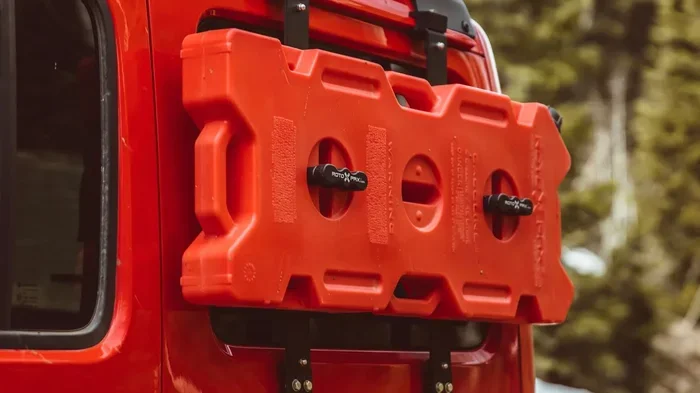
When you are deep in the trails, range estimates become less reliable. Many off-roaders recommend carrying a portable fuel container for extended backcountry trips. This is especially true if you are exploring areas far from gas stations.
Keep in mind that a fully loaded Wrangler with gear, bumpers, and aftermarket equipment can become very heavy for a car. This extra weight directly impacts your fuel consumption. The heavier the vehicle, the more fuel it burns, and the shorter your range becomes.
Factors That Affect Jeep Wrangler Fuel Economy
Several factors influence how efficiently your Wrangler uses fuel. Understanding these can help you make smarter driving decisions and get more miles out of every tank.
Engine Type and Size
The engine under your hood plays a huge role in fuel economy. The standard 3.6-liter Pentastar V6 in most JL and JK models offers a good balance of power and efficiency. It delivers around 285 horsepower and 260 lb-ft of torque.
The 2.0-liter turbocharged 4-cylinder engine, available in some trims, offers better city fuel economy thanks to its smaller displacement and turbocharging technology. However, some drivers feel it lacks the low-end torque of the V6.
The 3.0-liter EcoDiesel V6 is another option that some owners prefer. Diesel engines generally deliver better fuel economy at highway speeds. However, diesel fuel costs more at the pump, so the savings are not always straightforward.
Then there is the 3.6-liter Hemi V8 in the Rubicon 392. This powerful engine delivers incredible performance but drinks fuel at a much higher rate. Expect significantly lower MPG with this option.
Transmission Choice
The transmission also impacts your fuel economy. The 8-speed automatic in newer JL models generally delivers better MPG than the older 6-speed automatic found in JKs and earlier JLs. Manual transmissions can be even more efficient when driven by an experienced driver.
Each gear ratio is designed to keep the engine in its most efficient operating range. More gears mean the engine can stay closer to its sweet spot more often, which saves fuel over long drives.
Driving Style and Habits
How you drive matters more than you might think. Aggressive acceleration, hard braking, and high-speed driving all waste fuel. Smooth, steady driving is the key to maximizing your Jeep Wrangler fuel economy.
Here are some simple habits that make a real difference:
- Accelerate gently and smoothly
- Maintain a steady speed on the highway
- Use cruise control on long, flat stretches
- Avoid excessive idling
- Keep your tires properly inflated
- Remove unnecessary weight from the vehicle
These small changes can improve your MPG by 10 to 20 percent over time. That adds up to real extra miles on every tank.
Vehicle Weight and Load
The weight of your Wrangler directly affects fuel consumption. Factory specifications assume a standard load. But add aftermarket bumpers, rock rails, a hardtop roof, and off-road gear, and your vehicle gets significantly heavier.
When a vehicle carries extra weight, the engine must work harder to maintain speed. This means more fuel is burned for every mile traveled. A heavily loaded Wrangler can see a 10 to 15 percent drop in fuel economy compared to a stock configuration.
For those who love to build out their Wrangler with all the bells and whistles, understanding this trade-off is important. More capability often means less efficiency. It is a balancing act that every Jeep owner learns to manage.
Comparing Jeep Wrangler Fuel Tank Size to Other SUVs
It always helps to put numbers into context. How does the Jeep Wrangler fuel tank capacity compare to other popular SUVs in the same class?
| Vehicle | Fuel Tank Capacity | Estimated Highway Range |
|---|---|---|
| Jeep Wrangler JL (V6) | 17.5 gallons | 350-400 miles |
| Ford Bronco (Base) | 18.5 gallons | 370-420 miles |
| Toyota 4Runner | 18.5 gallons | 400-450 miles |
| Ford Bronco 392 | 21.8 gallons | 430-480 miles |
| Jeep Wrangler Rubicon 392 | 21.8 gallons | 430-480 miles |
As you can see, the standard Wrangler holds a competitive amount of fuel. It is not the largest tank in the segment, but it is close. The Wrangler Rubicon 392 and the Ford Bronco 392 both offer the largest tanks at 21.8 gallons, which makes sense given their powerful V8 engines.
The Toyota 4Runner edges ahead in range thanks to its combination of a decent tank size and strong fuel economy. But the Wrangler holds its own, especially considering its legendary off-road capability and iconic design.
When comparing SUV gas tank sizes, always consider the total picture. Tank size alone does not determine range. Fuel economy, driving conditions, and vehicle weight all matter equally.
Tips to Maximize Your Jeep Wrangler Fuel Range
Want to squeeze every last mile out of your tank? These practical tips can help you extend your range and save money at the pump.
Keep Your Tires Properly Inflated
Underinflated tires create more rolling resistance. This forces the engine to work harder and burn more fuel. Check your tire pressure at least once a month and before long trips.
Stick to the manufacturer recommended PSI, which you can find on the driver side door jamb. For most Wranglers, this is around 32 to 35 PSI for highway driving.
Use the Right Gear
Whether you drive a manual or automatic, staying in the right gear saves fuel. On the highway, use your top gear and keep your RPMs low. Avoid lugging the engine or letting it rev too high.
For automatic transmissions, the 8-speed in the JL is excellent at finding the right gear on its own. But if you notice it hunting between gears, switching to manual mode can help stabilize your fuel consumption.
Reduce Wind Drag
The Wrangler is not exactly known for its aerodynamic design. Its boxy shape creates significant wind resistance, especially at highway speeds.
Simple steps like removing the soft top when not needed, keeping windows closed at high speeds, and removing unused roof racks can all reduce drag and improve fuel economy.
Plan Your Fuel Stops Strategically
When heading out on a long trip, plan your fuel stops before you need them. Do not wait until the fuel gauge hits empty. Running on fumes can damage the fuel pump and leave you stranded.
Use apps like GasBuddy or Google Maps to find fuel stations along your route. In remote areas, this planning becomes even more critical.
Consider an Auxiliary Fuel Tank
For serious overlanders and off-roaders, an auxiliary fuel tank is a game-changer. These aftermarket tanks add extra fuel capacity to your Wrangler, dramatically extending your range.
Several companies manufacture bolt-on auxiliary tanks that fit in the cargo area or under the vehicle. Some setups can add 10 to 20 extra gallons, effectively doubling your range. Just keep in mind that added weight affects handling and fuel economy even with the extra fuel.
Common Mistakes Jeep Owners Make About Fuel
Even experienced Jeep owners sometimes make mistakes when it comes to managing fuel. Avoiding these common errors can save you money and prevent headaches on the trail.
Ignoring the Fuel Gauge Warning
Many drivers ignore the low fuel warning light and keep pushing it. While the Wrangler can still go some distance after the light comes on, you risk running out completely. In remote areas, this can be a dangerous situation.
Make it a habit to refuel when you hit a quarter tank. This gives you a comfortable buffer and keeps the fuel pump cooled by the surrounding fuel.
Overloading the Vehicle
stuffing your Wrangler with too much gear might seem like a good idea for a trip, but it hurts your fuel economy. Every extra 100 pounds can reduce your MPG by about 1 percent.
Pack only what you need. Use lightweight gear and distribute weight evenly to maintain balance and handling.
Skipping Regular Maintenance
A poorly maintained engine burns more fuel. Dirty air filters, worn spark plugs, and old oil all reduce efficiency. Staying on top of your Jeep Wrangler maintenance schedule keeps your engine running efficiently and your fuel economy optimized.
Using the Wrong Octane Fuel
Most Wranglers run fine on regular unleaded gasoline. The 3.6-liter V6 and 2.0-liter turbo are designed for 87 octane. Only the 3.0-liter EcoDiesel and the 392 V8 may require premium fuel.
Using premium fuel in an engine that does not need it wastes money without providing any real benefit. Check your owner manual to confirm the correct octane rating for your specific engine.
Expert Insights on Jeep Wrangler Fuel Capacity
We spoke with several Jeep enthusiasts and mechanics to get their take on Jeep Wrangler fuel tank size and range. Here is what they had to say.
Most experts agree that the 17.5-gallon tank in the JL is well-suited for most driving scenarios. It provides enough range for weekend trips and daily commuting without feeling restrictive. The larger 21.8-gallon option in the Rubicon 392 is a welcome addition for those who want maximum range with maximum power.
Off-road specialists emphasize that fuel planning becomes critical when heading into remote areas. They recommend always carrying a portable fuel can and knowing the location of the nearest fuel source before embarking on any serious trail run.
Fuel economy experts point out that the Wrangler will never be a fuel-sipping vehicle. Its boxy shape, heavy build, and powerful engines all work against efficiency. But for many owners, the capability and adventure it offers far outweigh the fuel costs.
The general consensus is simple: know your tank size, plan ahead, and drive smart. These three habits will serve any Wrangler owner well on and off the road.
Frequently Asked Questions About Jeep Wrangler Fuel Capacity
What is the fuel tank size of a 2024 Jeep Wrangler?
The 2024 Jeep Wrangler JL comes with a 17.5-gallon fuel tank in most trims. The Rubicon 392 variant features a larger tank at approximately 21.8 gallons. Always check your specific trim and model year for the exact specification.
How many miles can a Jeep Wrangler go on a full tank?
On the highway, a standard Wrangler with a 17.5-gallon tank can travel approximately 350 to 400 miles depending on driving conditions. City driving reduces this to around 280 to 320 miles. Off-road driving will significantly reduce your range due to higher fuel consumption.
Does the Jeep Wrangler Unlimited have a bigger fuel tank?
The Unlimited (4-door) version of the Wrangler JL carries the same 17.5-gallon tank as the 2-door model. However, because the Unlimited weighs more, your actual driving range may be slightly shorter. The extra weight means more fuel is burned per mile.
Can I add an auxiliary fuel tank to my Jeep Wrangler?
Yes, many aftermarket companies offer auxiliary fuel tank kits specifically designed for the Jeep Wrangler. These can add 10 to 20 extra gallons of capacity. Installation typically requires professional mounting and may affect vehicle warranty, so check with your dealer first.
Why does my Jeep Wrangler have poor fuel economy?
Several factors contribute to the Wrangler’s lower fuel economy. Its boxy shape creates significant aerodynamic drag. The heavy steel body and solid axles add weight. And the powerful engines consume more fuel to produce their impressive torque and horsepower. Driving habits and vehicle load also play a major role.
What is the best fuel type for a Jeep Wrangler?
Most Jeep Wrangler models run perfectly well on regular unleaded 87 octane gasoline. The 3.6-liter Pentastar V6 and 2.0-liter turbocharged engine are designed for this grade. Only the 3.0-liter EcoDiesel and the 5.7-liter HEMI V8 in the Rubicon 392 require premium fuel. Always refer to your owner manual for the correct fuel type.
Final Thoughts
So, how many gallons does a Jeep Wrangler hold? The answer depends on your specific model, year, and trim. Most modern Wranglers carry 17.5 gallons, while performance trims like the Rubicon 392 can hold up to 21.8 gallons. Older generations like the TJ and YJ offered slightly larger tanks at around 19 gallons.
Knowing your Jeep Wrangler fuel tank capacity is the first step toward smarter fuel planning. Whether you are commuting to work or exploring the most remote trails, understanding your range helps you drive with confidence.
Combine your tank size knowledge with good driving habits and regular maintenance, and you will get the most out of every gallon. The Jeep Wrangler is built for adventure, and with the right fuel strategy, you can keep that adventure going mile after mile.
Take a moment to check your owner manual for the exact fuel capacity of your specific model. And remember, planning ahead is the best way to avoid running low when the trails get tough or the road stretches long. Happy driving, and happy trails.