How Many Miles Can My Car Go on a Full Tank of Gas
Knowing how many miles your car can go on a full tank of gas helps you plan trips, avoid surprises, and save money on fuel. Your actual range depends on your fuel tank capacity, MPG rating, and driving habits. This guide walks you through the math, factors, and tips to get the most miles out of every fill-up.
Have you ever stared at your fuel gauge and wondered exactly how far you can go? Maybe you are heading out on a road trip and want to know if you can make it to the next town without stopping. Or perhaps you just want to understand your car better. Either way, the answer to how many miles your car can go on a full tank of gas is simpler than you think.
The truth is, there is no single number that fits every vehicle. A compact sedan might cruise for 400 miles on a full tank, while a large SUV could go 600 miles or more. Your driving range depends on several factors that we will break down in this guide. By the end, you will know exactly how to calculate your car’s range and what you can do to stretch every mile.
We will cover everything from fuel tank size to driving habits. You will also learn practical tips that anyone can use to improve fuel economy and save money at the pump. Let us dive in and take the guesswork out of your next fill-up.
Key Takeaways
- Calculate your range easily: Multiply your tank size by your MPG to find your true driving range.
- Highway driving beats city driving: You can gain 5 to 15 extra miles per gallon on the open road.
- Driving habits matter a lot: Smooth acceleration and steady speeds boost your fuel efficiency significantly.
- Check your fuel gauge and trip meter: These tools give you real-time data on how far you can go.
- Small changes add up: Tire pressure, AC use, and cargo weight all affect your gas mileage.
- Know your reserve fuel: Most cars have a few extra gallons past the empty light, but don’t rely on them.
📑 Table of Contents
- What Determines How Far Your Car Can Go on a Full Tank
- How to Calculate Your Car’s Driving Range
- Highway vs City Driving: Which Gives You More Range
- Tips to Maximize Your Miles Per Tank
- Understanding Your Fuel Gauge and Reserve Fuel
- How Vehicle Type Affects Your Full Tank Range
- Common Mistakes That Reduce Your Range
- Final Thoughts on Your Car’s Full Tank Range
What Determines How Far Your Car Can Go on a Full Tank
The distance your car can travel on a full tank comes down to a simple formula. You multiply your fuel tank capacity by your miles per gallon rating. But each part of that equation has its own story. Let us look at the main factors that shape your vehicle’s range.
Fuel Tank Size
Every car has a different tank size. A small car like a Honda Civic might hold around 12 gallons. A full-size truck could carry 25 gallons or more. The bigger the tank, the more fuel you carry, and the farther you can go between stops.
Here are some common fuel tank sizes you might find:
- Compact cars: 10 to 14 gallons
- Mid-size sedans: 14 to 18 gallons
- SUVs and crossovers: 16 to 24 gallons
- Full-size trucks: 22 to 36 gallons
- Luxury vehicles: 18 to 22 gallons
Knowing your tank size is the first step. You can usually find this number in your owner’s manual or by searching online for your specific make and model.
Miles Per Gallon Rating
Your MPG rating tells you how efficiently your engine uses fuel. The EPA gives every new car a fuel economy rating based on standardized testing. These numbers show up on the window sticker when you buy a car. They include both city MPG and highway MPG.
City driving usually gives lower MPG because of stop-and-go traffic. Highway driving tends to deliver better numbers because of steady speeds. A car rated at 30 MPG in the city might hit 40 MPG on the highway. That difference adds up fast over a long trip.
Driving Habits and Style
Your personal driving style plays a huge role in fuel economy. Aggressive driving, such as rapid acceleration and hard braking, wastes fuel. Smooth and steady driving helps you get the most out of every gallon.
Here are some habits that affect your range:
- Speed: Driving over 60 mph reduces fuel efficiency fast.
- Acceleration: Gentle acceleration saves more gas than jackrabbit starts.
- Idling: Sitting with the engine running burns fuel without moving you forward.
- Braking: Coasting to stops is better than braking hard at the last second.
Small changes in how you drive can improve your gas mileage by 10 to 30 percent. That is a lot of extra miles over time.
How to Calculate Your Car’s Driving Range
Now let us get to the math. Calculating your car’s range is straightforward and takes just a few seconds. Once you know the formula, you can do it anytime, anywhere.
The Simple Formula
Here is the basic calculation:
Driving Range = Fuel Tank Capacity x MPG
Let us say your car has a 15-gallon tank and gets 28 MPG on the highway. Multiply 15 by 28, and you get 420 miles. That is how far you could theoretically go on a full tank of gas under ideal highway conditions.
For city driving, the math works the same way. If your car gets 22 MPG in the city with a 15-gallon tank, you would get about 330 miles of range. The difference between highway and city range can be significant, especially on longer trips.
Using Your Trip Meter
Your car’s trip meter is one of the best tools for tracking real-world fuel economy. Reset it when you fill up your tank. Then note the number of gallons you added and the miles you drove until the next fill-up.
To calculate your actual MPG, divide the miles driven by the gallons used. For example, if you drove 350 miles and used 12.5 gallons, your real-world MPG is 28. Multiply that by your tank size, and you have your actual driving range.
This method gives you a more accurate picture than the EPA estimates. Your actual fuel consumption can vary based on your route, weather, cargo, and driving style.
Using a Gas Mileage Calculator
If math is not your strong suit, you can use an online gas mileage calculator. Many websites and apps let you enter your tank size and MPG, and they instantly show your range. Some even track your fuel costs over time. These tools are free and very easy to use.
Popular options include Fuelly, GasBuddy, and the EPA’s own fuel economy website. They can help you log your fill-ups and see trends in your driving efficiency over weeks and months.
Highway vs City Driving: Which Gives You More Range
One of the biggest factors in your driving range is the type of road you are on. Highway driving and city driving produce very different fuel economy results.
Why Highway Driving Is More Efficient
On the highway, your car maintains a steady speed. The engine works at a consistent level, which uses less fuel overall. There are no stops for traffic lights, no idling in congestion, and no repeated acceleration from a dead stop.
Most cars also use cruise control on highways, which helps maintain a constant speed. This steady state is where engines perform best and deliver the highest fuel efficiency.
Why City Driving Uses More Fuel
City driving is the opposite. You stop and go constantly. Every time you accelerate from a stoplight, your engine burns extra fuel. Idling at red lights and in traffic jams also wastes gas without moving you forward.
Short trips are especially inefficient. Your engine takes time to warm up, and on short drives, it may never reach its most efficient temperature. This means your gas mileage suffers on your daily commute through town.
A Quick Comparison
Here is a side-by-side look at how driving conditions affect range:
- Highway at 60 mph: Best fuel economy, longest range per tank
- Highway at 75 mph: Good economy, but slightly reduced range due to wind resistance
- City with light traffic: Moderate economy, decent range
- City with heavy traffic: Lowest economy, shortest range per tank
- Mixed driving: Falls somewhere in between, depending on the ratio
If you want maximum range, highway driving is the clear winner. But if you mostly drive in the city, there are still ways to improve your numbers, which we will cover next.
Tips to Maximize Your Miles Per Tank
Want to get more miles out of every fill-up? Small changes in how you drive and maintain your car can make a big difference. Here are proven tips that actually work.
Keep Your Tires Properly Inflated
Underinflated tires create more rolling resistance. This means your engine has to work harder to keep the car moving. Even a small drop in tire pressure can reduce your fuel economy by 1 to 3 percent.
Check your tire pressure at least once a month. The recommended PSI is listed on a sticker inside your driver’s door or in your owner’s manual. Keeping your tires at the right pressure is one of the easiest ways to improve your range.
Reduce Extra Weight
Every extra pound your car carries requires more fuel to move. If you have heavy items in your trunk or cargo area that you do not need, remove them. A roof rack also adds wind resistance, which can lower your MPG at highway speeds.
Studies show that carrying 100 extra pounds can reduce fuel economy by about 1 percent. Over time, that adds up to fewer miles per tank and more trips to the gas station.
Use Air Conditioning Wisely
Your car’s air conditioning system puts a load on the engine, which uses more fuel. At low speeds, rolling down the windows is a better option. At highway speeds, though, open windows create drag, which can actually hurt your fuel economy more than the AC.
The best approach is to use the AC on highway trips and keep windows down in city driving when it is safe to do so. Finding this balance helps you maintain good fuel efficiency in all conditions.
Avoid Rough Terrain and Strong Headwinds
Driving on gravel roads, steep hills, or through strong headwinds forces your engine to work harder. If you can choose a smoother route, you will use less fuel and gain extra miles per tank. This is especially true for older vehicles or those with smaller engines.
Keep Up with Maintenance
Regular maintenance keeps your engine running at its best. A dirty air filter, worn spark plugs, or old engine oil can all reduce your fuel economy. Following your car’s maintenance schedule ensures you get the best possible mileage from every gallon.
Here are key maintenance items that affect fuel economy:
- Air filter: Replace it when it looks dirty or as recommended by the manufacturer.
- Spark plugs: Worn plugs cause incomplete combustion and wasted fuel.
- Engine oil: Use the recommended grade for your engine.
- Oxygen sensor: A faulty sensor can lower MPG by up to 40 percent.
- Wheel alignment: Misaligned wheels create drag and reduce fuel efficiency.
Understanding Your Fuel Gauge and Reserve Fuel
Your fuel gauge is your best friend when you are on the road. But many drivers do not fully understand what it tells them. Let us clear up some common confusion about how your fuel gauge works and what reserve fuel really means.
What the Fuel Gauge Really Means
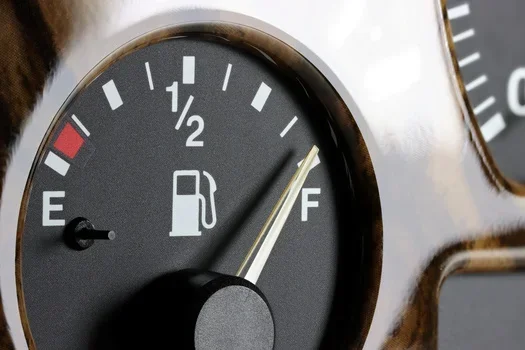
The fuel gauge on your dashboard shows you an approximate level of fuel remaining. It is not always perfectly precise. The needle may drop slowly at first, then drop faster as the tank nears empty. This is normal and happens because of the shape of most fuel tanks.
Most modern cars also have a fuel level sensor that sends data to your computer. This sensor can give you a more accurate estimate of your remaining range. Some vehicles even display an estimated number of miles you can still drive. Check your owner’s manual to see if your car has this feature.
The Reserve Fuel Myth
Many drivers believe they have several extra gallons of fuel after the low fuel light comes on. While this is partially true, it is not a reliable source of fuel. The reserve amount varies widely between vehicles. Some cars have only 1 to 2 gallons left after the light turns on.
Relying on reserve fuel is risky, especially in unfamiliar areas or bad weather. The best practice is to fill up as soon as the light comes on or when your gauge drops below a quarter tank. This ensures you always have enough fuel and avoids the stress of running low.
Using the Trip Meter to Track Your Range
Your trip meter is a simple but powerful tool. Reset it at every fill-up and note the miles shown when you need fuel again. Over time, this data helps you understand your car’s true range in real-world conditions. You will start to see patterns based on your driving habits, routes, and fuel quality.
Some drivers keep a small notebook or use a phone app to log their fill-ups. This habit takes just a few seconds and pays off by giving you a clear picture of your driving range over weeks and months.
How Vehicle Type Affects Your Full Tank Range
Different types of vehicles have very different ranges on a full tank. Your vehicle type is one of the biggest determinants of how far you can go. Let us compare some common categories.
Sedans and Compact Cars
Small and mid-size sedans typically offer excellent fuel economy. A car like a Toyota Corolla or Honda Civic can easily reach 400 to 500 miles on a full tank. Their smaller engines and lighter weight help them sip fuel rather than gulp it.
These vehicles are great choices for daily commuting and long road trips alike. They offer a good balance of range, comfort, and efficiency.
SUVs and Crossovers
SUVs are heavier and less aerodynamic than sedans, which means they generally get lower MPG. However, their larger fuel tanks often make up for this. A mid-size SUV with a 20-gallon tank and 22 MPG can go about 440 miles on a full tank.
Newer SUVs have improved their fuel economy significantly in recent years. Many now rival sedans in efficiency, especially hybrid and electric versions.
Trucks and Large Vehicles
Full-size trucks have the largest fuel tanks, sometimes 30 gallons or more. But they also have the lowest MPG ratings. A truck with a 26-gallon tank and 18 MPG can go about 468 miles. That is a solid range, but it comes with lower efficiency and higher fuel costs.
If you drive a truck, maximizing your range through good driving habits and maintenance becomes even more important.
Hybrid and Electric Vehicles
Hybrid cars combine a gas engine with an electric motor. This setup often delivers much better fuel economy than traditional vehicles. Some hybrids can go 500 to 600 miles on a single tank of gas.
Electric vehicles run entirely on battery power and do not use gas at all. Their range is measured in miles per charge rather than miles per gallon. But for drivers who want to minimize fuel costs and trips to the pump, hybrids and EVs are excellent options.
Common Mistakes That Reduce Your Range
Many drivers unknowingly waste fuel and reduce their driving range. Avoiding these common mistakes can help you get more miles out of every tank.
Ignoring the Check Engine Light
A check engine light can signal problems that hurt your fuel economy. Issues like a loose gas cap, faulty oxygen sensor, or misfiring spark plug all cause your engine to run inefficiently. Fixing these problems quickly can restore lost MPG and improve your range.
Overfilling the Tank
Some drivers try to squeeze every last drop into the tank by topping it off after the pump clicks off. This can actually cause problems. Overfilling can flood the charcoal canister, which is part of your car’s emissions system. It can also lead to fuel evaporation and wasted gas.
Driving on Underinflated Tires
We mentioned this earlier, but it is worth repeating. Underinflated tires are one of the most common and easiest-to-fix causes of poor fuel economy. A quick check once a month can save you gallons of fuel over time.
Carrying Unnecessary Cargo
That golf bag, camping gear, or old boxes in your trunk all add weight. The more weight your car carries, the more fuel it burns. Clean out your car regularly and only keep what you actually need.
Skipping Oil Changes
Old or dirty oil creates more friction inside your engine. This forces the engine to work harder and use more fuel. Staying on top of your oil changes is one of the simplest ways to maintain good fuel economy and protect your engine.
Final Thoughts on Your Car’s Full Tank Range
So, how many miles can your car go on a full tank of gas? The answer depends on your fuel tank capacity, your vehicle’s MPG rating, your driving habits, and road conditions. By using the simple formula of tank size times MPG, you can estimate your range with confidence.
But knowing the number is only half the battle. The real value comes from using this knowledge to plan better trips, save money on fuel, and drive more efficiently. Whether you are commuting to work or heading cross-country, understanding your car’s fuel range gives you peace of mind and control.
Start by checking your owner’s manual for your tank size. Track your fuel economy for a few weeks using your trip meter. Make small improvements to your driving habits and maintenance routine. Over time, you will notice fewer trips to the gas station and more miles in your pocket.
The road ahead is full of possibilities. With the right knowledge and a little effort, you can make every drop of fuel count and get the most out of your car. Safe travels and happy driving!
Frequently Asked Questions
How do I find my car’s fuel tank size?
Check your owner’s manual or look up your vehicle online by entering the make, model, and year. Many car websites list the tank size in the specifications section. You can also measure it yourself by tracking how many gallons it takes to fill the tank from empty.
Is it bad to drive on low fuel?
Driving on low fuel occasionally is not harmful, but doing it regularly can cause problems. Low fuel levels can cause the fuel pump to overheat and wear out faster. It is best to keep your tank at least a quarter full at all times.
How accurate is the range estimate on my dashboard?
Most modern cars provide a fairly accurate estimate based on your recent driving. However, it is based on averages and can change quickly if your driving conditions shift. Use it as a helpful guide, not an exact number.
Can I improve my car’s fuel economy?
Yes, you can. Simple changes like maintaining proper tire pressure, reducing extra weight, driving at steady speeds, and keeping up with maintenance all improve fuel economy. Even small improvements add up to more miles per tank over time.
Does the type of gas I use affect my range?
Using the recommended fuel grade for your car ensures optimal performance. Using a lower grade than recommended can reduce efficiency. However, using a higher grade than required usually does not improve your range or fuel economy.
How often should I fill up my tank?
There is no set rule. Fill up when it is convenient for you. Some drivers prefer to keep their tank full at all times, while others wait until the tank is half empty. The key is to avoid letting the tank get too low to protect your fuel pump.
=== CONCLUSION ===
Understanding how many miles your car can go on a full tank of gas is one of the simplest yet most useful things you can know about your vehicle. It helps you plan trips, avoid fuel anxiety, and make smarter decisions at the pump. By knowing your tank size, tracking your MPG, and adopting fuel-efficient driving habits, you can maximize your range and save money over time.
Remember, your actual range will vary based on driving conditions, habits, and vehicle maintenance. Use the tips in this guide to get the most out of every tank. Start today by checking your fuel gauge, resetting your trip meter, and seeing how far you really can go. You might be surprised by the results.