How Many Miles Will a 35 V6 Engine Last and What to Expect
A 3.5 V6 engine can last between 200,000 and 300,000 miles with proper care. The actual lifespan depends on maintenance habits, driving conditions, and the specific manufacturer. Regular oil changes, timely repairs, and smart driving habits play a huge role in how long your 3.5 V6 engine will run strong.
A 3.5 V6 engine is one of the most popular powerplants found in trucks, SUVs, and performance vehicles today. Whether you drive a Ford F-150, a Chevy Silverado, or a Toyota Tundra, the 3.5 liter V6 has earned a reputation for delivering strong performance and decent durability. But the real question most car owners ask is simple: how many miles will a 3.5 V6 engine actually last?
The answer is not a single number. It depends on many factors, including how well you maintain the engine, what kind of driving you do, and which brand and model you own. Some owners push their 3.5 V6 engines past 300,000 miles without major issues. Others see problems creep in well before the 150,000-mile mark.
In this article, we will break down everything you need to know about 3.5 V6 engine longevity. We will cover average lifespan expectations, the factors that shorten or extend engine life, common problems to watch for, and practical tips to keep your engine running strong for years to come.
Key Takeaways
- Average Lifespan: A well-maintained 3.5 V6 engine typically lasts 200,000 to 300,000 miles before major repairs are needed.
- Maintenance Is Key: Regular oil changes, coolant flushes, and spark plug replacements dramatically extend engine life.
- Driving Habits Matter: Aggressive driving, towing beyond limits, and short trips can shorten your V6 engine lifespan significantly.
- Common Problems: Timing chain issues, coolant leaks, and oil consumption are the most frequent concerns with 3.5 V6 engines.
- Brand Differences: Ford, Chevy, and Toyota 3.5 V6 engines have different reliability records and known issues.
- Rebuild vs. Replace: A rebuilt 3.5 V6 engine costs less than a full replacement but still requires significant investment.
📑 Table of Contents
- How Many Miles Does a 3.5 V6 Engine Typically Last?
- Factors That Affect 3.5 V6 Engine Lifespan
- Common Problems With 3.5 V6 Engines
- How to Extend the Life of Your 3.5 V6 Engine
- 3.5 V6 Engine Repair Costs and When to Rebuild
- Real-World Examples of High-Mileage 3.5 V6 Engines
- How to Know When Your 3.5 V6 Engine Is Nearing the End
How Many Miles Does a 3.5 V6 Engine Typically Last?
Most mechanics and automotive experts agree that a 3.5 V6 engine has a potential lifespan of 200,000 to 300,000 miles. This range assumes regular maintenance and normal driving conditions. However, the actual number can vary quite a bit depending on several key factors.
Let us look at what the data and real-world ownership tell us about V6 engine longevity.
Average Mileage Expectations by Brand
Different manufacturers build their 3.5 V6 engines with slightly different designs, materials, and tolerances. These differences affect how long each engine lasts.
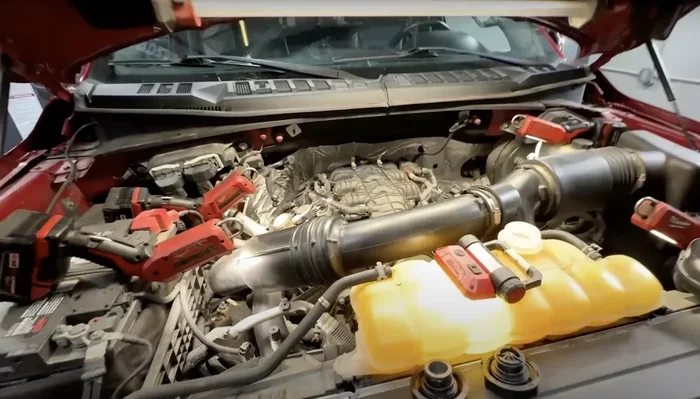
Ford 3.5 V6 (EcoBoost): The Ford 3.5 EcoBoost is a twin-turbo V6 that powers many of their trucks and SUVs. With proper maintenance, owners commonly report 250,000 to 300,000 miles. Some well-cared-for examples even exceed 300,000 miles. The EcoBoost is known for its durability, but the turbochargers and direct injection system require attention over time.
Chevrolet 3.5 V6: Chevrolet has used various 3.5 liter V6 configurations over the years. These engines generally last between 200,000 and 280,000 miles with good care. The local Chevrolet dealership can provide model-specific maintenance schedules that help owners stay on track.
Toyota 3.5 V6: Toyota engines are widely regarded for reliability. The Toyota 3.5 V6, found in models like the Tundra and Camry, often lasts 250,000 to 300,000 miles. Toyota’s reputation for building long-lasting engines gives the 3.5 V6 a strong reliability edge.
What the Numbers Mean in Real Terms
To put these numbers in perspective, consider this. The average American drives about 13,500 miles per year. At that rate, a 3.5 V6 engine that lasts 250,000 miles will serve you for roughly 18 to 19 years. That is a long time for any engine, and it shows that V6 engines are built to endure.
However, reaching those high mileage numbers is not automatic. It requires consistent effort from the owner. Skipping oil changes or ignoring warning signs will dramatically reduce your engine’s useful life.
Factors That Affect 3.5 V6 Engine Lifespan
Not all 3.5 V6 engines age the same way. Several factors determine whether your engine hits 200,000 miles or 300,000 miles. Understanding these factors helps you take control of your engine’s destiny.
Maintenance Schedule and Habits
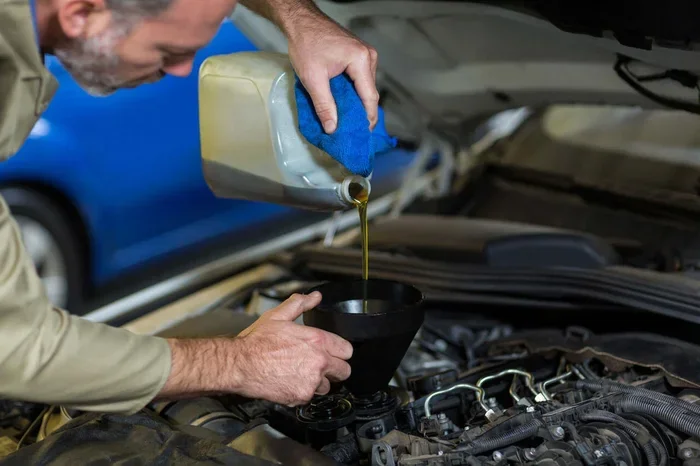
This is the single biggest factor. A 3.5 V6 engine that receives regular oil changes every 5,000 to 7,500 miles will outlast one that goes 10,000 miles between changes. Clean oil lubricates engine components, reduces friction, and carries heat away from critical parts.
Beyond oil changes, other maintenance tasks matter too:
- Coolant Flushes: Your 3.5 V6 engine relies on coolant to maintain safe operating temperatures. Old coolant loses its effectiveness and can lead to overheating.
- Spark Plug Replacement: Worn spark plugs cause incomplete combustion, which strains the engine over time.
- Air Filter Changes: A clogged air filter restricts airflow, reducing engine efficiency and potentially causing damage.
- Timing Chain Inspection: The timing chain is a critical component in V6 engines. Regular inspection helps catch wear before it becomes a major problem.
Driving Conditions and Habits
How and where you drive has a big impact on engine longevity. Highway driving is generally easier on engines than stop-and-go city driving. Here are some driving factors to consider:
- Short Trips: Frequent short trips do not allow the engine to reach full operating temperature. This causes moisture to build up in the oil, leading to sludge formation.
- Towing and Hauling: Heavy loads put extra stress on the 3.5 V6 engine. If you regularly tow near your vehicle’s maximum capacity, expect more wear over time.
- Extreme Temperatures: Both extreme heat and extreme cold stress engine components. Hot weather increases operating temperatures, while cold weather makes the oil thicker and less effective.
- Aggressive Driving: Rapid acceleration and hard braking wear out engine components faster than smooth, steady driving.
Oil Quality and Type
Not all engine oil is created equal. Synthetic oils generally provide better protection for V6 engines than conventional oils. They resist breakdown at high temperatures and flow more easily in cold conditions. For a 3.5 V6 engine, using the manufacturer-recommended oil weight and changing it on schedule is one of the simplest ways to extend engine life.
Fuel Quality
Using low-quality or contaminated fuel can cause serious problems for your 3.5 V6 engine. Bad fuel can lead to carbon buildup, reduced performance, and even internal damage over time. Always try to use fuel from reputable stations and follow the manufacturer’s recommended octane rating.
Common Problems With 3.5 V6 Engines
Even well-built engines develop issues over time. Knowing what to watch for helps you catch problems early before they become expensive repairs. Here are the most common problems reported with 3.5 V6 engines.
Timing Chain Wear
The timing chain is one of the most critical components in any V6 engine. Over time, the chain can stretch or the tensioner can fail. When this happens, you may notice a rattling noise, especially when the engine is cold. Ignoring a timing chain issue can lead to catastrophic engine failure.
Regular inspections and timely replacements can prevent this problem from becoming serious. If you hear a rattling sound from the front of your engine, get it checked immediately.
Coolant Leaks
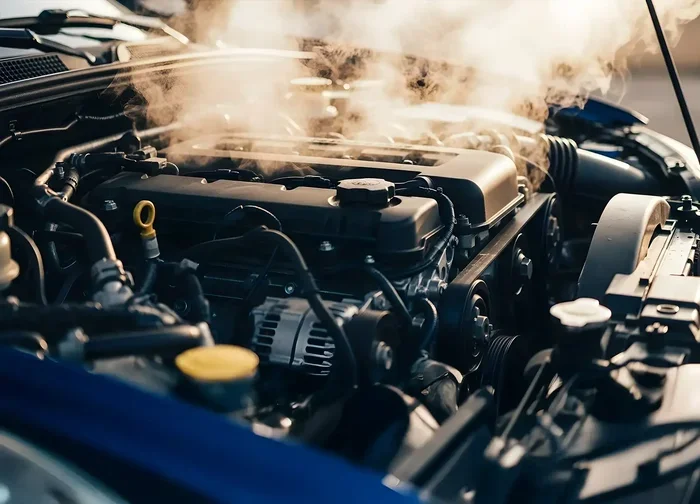
Coolant leaks are a common complaint among 3.5 V6 engine owners. Leaks can occur at the water pump, thermostat housing, or radiator hoses. Even a small leak can lead to overheating, which causes severe engine damage.
Check your coolant levels regularly. If you notice a drop, inspect underneath your vehicle for any green, orange, or pink fluid pooling on the ground.
Oil Consumption
Some 3.5 V6 engines, particularly the Ford EcoBoost variants, are known to consume more oil than expected. While burning a small amount of oil is normal, excessive consumption signals a problem. Common causes include worn piston rings, valve seal leaks, or turbo seal failures.
If you find yourself adding oil between changes, do not ignore it. Running low on oil is one of the fastest ways to destroy an engine.
Carbon Buildup
Direct injection engines, like the Ford 3.5 EcoBoost, are particularly prone to carbon buildup on the intake valves. This buildup restricts airflow and reduces engine performance over time. Symptoms include rough idling, reduced power, and poor fuel economy.
Using fuel additives or performing periodic walnut blasting of the intake valves can help manage carbon buildup.
Turbocharger Issues
For twin-turbo 3.5 V6 engines, the turbochargers are additional components that can fail over time. Turbo failures often result from oil starvation, contaminated oil, or simple wear and tear. Signs of turbo problems include unusual whining noises, excessive smoke, and loss of power.
How to Extend the Life of Your 3.5 V6 Engine
The good news is that you have more control over your engine’s lifespan than you might think. Following a few proven strategies can add tens of thousands of miles to your 3.5 V6 engine.
Follow the Manufacturer’s Maintenance Schedule
This sounds obvious, but many owners skip or delay scheduled maintenance. Your vehicle’s owner manual contains a detailed maintenance schedule designed specifically for your engine. Follow it to the letter. Every service interval exists for a reason.
If you are unsure about the maintenance schedule for your specific model, check with your dealer or a trusted mechanic. They can provide a customized maintenance plan based on your driving habits and conditions.
Monitor Your Fluid Levels Regularly
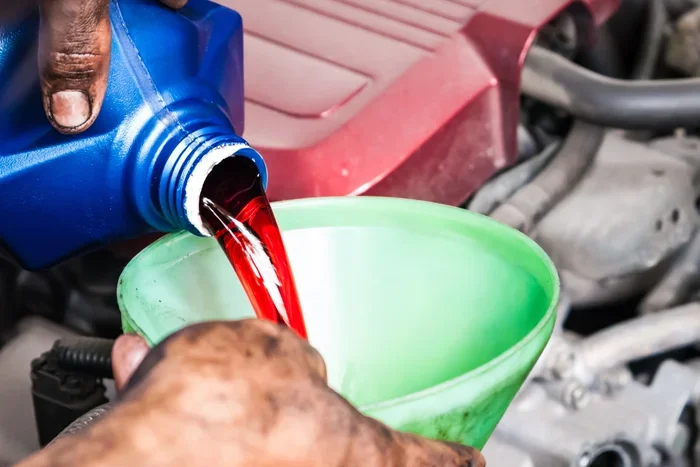
Get in the habit of checking your engine fluids at least once a month. This includes engine oil, coolant, transmission fluid, and brake fluid. Catching a low fluid level early can prevent minor issues from becoming major repairs.
Warm Up Your Engine Properly
In cold weather, give your engine a minute or two to warm up before driving. This allows the oil to circulate fully and lubricate all moving parts. Modern engines do not need long warm-up periods, but a brief pause makes a difference, especially in winter.
Address Warning Signs Immediately
Your engine will tell you when something is wrong. Check engine lights, unusual noises, vibrations, changes in performance, or fluid leaks are all warning signs. Do not ignore them. The longer you wait, the more expensive the repair becomes.
Consider an Extended Warranty or Maintenance Plan
If you plan to keep your vehicle for a long time, an extended warranty can provide peace of mind. Many engine-focused maintenance plans cover major components including the engine, transmission, and drivetrain. This can save you thousands of dollars in unexpected repair costs.
3.5 V6 Engine Repair Costs and When to Rebuild
At some point, every engine needs major work. Understanding the costs and options helps you make informed decisions about your 3.5 V6 engine.
Average Repair Costs
Common 3.5 V6 engine repairs can range widely in cost:
- Timing Chain Replacement: $1,500 to $3,000 depending on the vehicle
- Water Pump Replacement: $400 to $800
- Turbocharger Repair or Replacement: $1,500 to $4,000
- Engine Rebuild: $3,000 to $7,000
- Engine Replacement: $5,000 to $10,000 or more
Rebuild vs. Replace
When your 3.5 V6 engine has significant damage, you generally have two options: rebuild or replace. A rebuild involves disassembling the engine, inspecting all components, replacing worn parts, and reassembling it. This is usually less expensive than a full replacement.
However, a replacement engine (new or used) may be the better option if the engine block is cracked or severely damaged. A used engine from a low-mileage donor vehicle can be a cost-effective solution, often costing less than a rebuild.
Before making a decision, get multiple quotes from reputable mechanics. Consider the vehicle’s overall value and your budget. Sometimes, the cost of repairs does not justify keeping an older vehicle.
Real-World Examples of High-Mileage 3.5 V6 Engines
Real-world ownership stories provide valuable insight into what is possible with a 3.5 V6 engine. Many owners have shared their experiences online and through automotive forums.
One Ford F-150 owner reported over 280,000 miles on his original 3.5 EcoBoost engine. He attributed his success to strict adherence to the maintenance schedule and synthetic oil changes every 5,000 miles. Another Chevy Silverado owner reached 250,000 miles with only routine maintenance and no major engine repairs.
On the other hand, some owners report problems as early as 100,000 miles, particularly when maintenance was neglected or driving conditions were harsh. These stories highlight the importance of proactive care.
The takeaway is clear. A 3.5 V6 engine is capable of lasting a very long time, but only if you treat it well. Think of your engine like a partnership. The more effort you put in, the better the results.
How to Know When Your 3.5 V6 Engine Is Nearing the End
Even with the best care, engines eventually wear out. Here are signs that your 3.5 V6 engine may be approaching the end of its useful life:
- Excessive Oil Consumption: If you are adding a quart of oil every 500 miles or less, internal wear is likely occurring.
- Blue or White Exhaust Smoke: This indicates oil or coolant burning inside the combustion chamber.
- Knocking or Tapping Sounds: These sounds often signal worn bearings or internal component failure.
- Loss of Power: A significant drop in performance, especially under load, suggests serious engine wear.
- Compression Test Results: A mechanic can perform a compression test. Low compression in multiple cylinders indicates major engine wear.
If you notice several of these signs together, it is time to consult a trusted mechanic. They can perform a thorough inspection and advise you on the best course of action.
Understanding the expected lifespan of your 3.5 V6 engine helps you plan for the future. Whether you are buying a used vehicle with an unknown maintenance history or maintaining a current vehicle for the long haul, the information in this article gives you a solid foundation for making smart decisions.
Remember, the engine is the heart of your vehicle. Treat it well, and it will reward you with years of reliable service. Neglect it, and even the best-built 3.5 V6 will let you down sooner than expected.
Stay proactive with maintenance, drive responsibly, and address issues promptly. These simple habits can make the difference between an engine that lasts 150,000 miles and one that goes well beyond 300,000 miles. Your 3.5 V6 engine is a tough, durable powerplant. With your care and attention, it has every chance of serving you for a very long time.
For more information on vehicle maintenance and care, check out our guide on hybrid reliability after 100K miles to understand how different powertrain types compare in longevity.
Frequently Asked Questions
What is the average lifespan of a 3.5 V6 engine?
A well-maintained 3.5 V6 engine typically lasts between 200,000 and 300,000 miles. This range assumes regular oil changes, timely repairs, and normal driving conditions. Some owners push their engines beyond 300,000 miles with excellent care.
How often should I change the oil in my 3.5 V6 engine?
Most manufacturers recommend oil changes every 5,000 to 7,500 miles for a 3.5 V6 engine. Using synthetic oil can extend this interval slightly. Always follow the schedule in your owner manual for the best results.
What are the most common problems with the 3.5 V6 engine?
The most common issues include timing chain wear, coolant leaks, oil consumption, carbon buildup on intake valves, and turbocharger problems. Regular maintenance and prompt attention to warning signs can prevent most of these issues from becoming serious.
Can a 3.5 V6 engine last 300,000 miles?
Yes, a 3.5 V6 engine can last 300,000 miles or more with proper care. This requires consistent maintenance, quality oil, gentle driving habits, and prompt repairs when issues arise. Many real-world owners have achieved this milestone.
Is it worth rebuilding a 3.5 V6 engine?
A rebuild can be worth it if the vehicle is otherwise in good condition and the rebuild cost is significantly less than the vehicle’s value. Get a detailed quote from a trusted mechanic before deciding. Compare the rebuild cost against the cost of a replacement engine.
Does towing reduce the lifespan of a 3.5 V6 engine?
Yes, frequent towing, especially near maximum capacity, puts extra stress on the engine and can reduce its lifespan. If you tow regularly, follow a more aggressive maintenance schedule and monitor your engine’s health closely.
=== CONCLUSION ===
A 3.5 V6 engine is a durable and capable powerplant that can serve you well for 200,000 to 300,000 miles or more. The key to reaching those high mileage numbers lies in consistent maintenance, smart driving habits, and prompt attention to any warning signs. Do not underestimate the power of regular oil changes, fluid checks, and scheduled services.
Every factor we discussed, from driving conditions to fuel quality, plays a role in determining how long your engine will last. Take control of these factors, and you give your 3.5 V6 engine the best possible chance of reaching its full potential.
Whether you are buying a vehicle with a 3.5 V6 engine or already own one, the information in this guide empowers you to make smarter decisions about maintenance, repairs, and long-term ownership. Your engine is an investment. Treat it with care, and it will reward you with reliable performance for years to come.