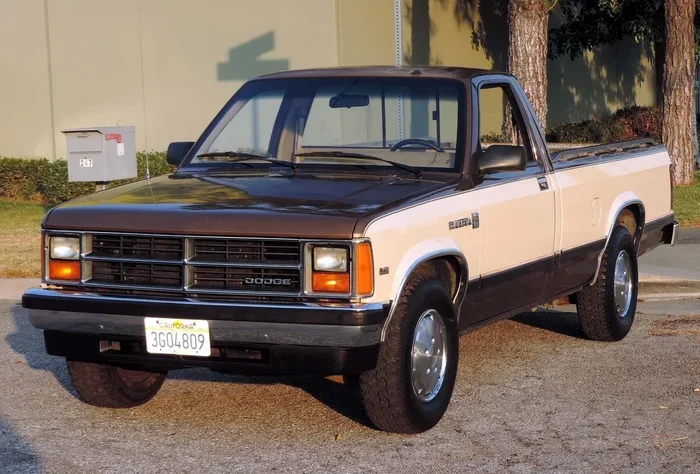
How Much Does a Dodge Ram Weigh and What You Need to Know
The weight of a Dodge Ram varies significantly depending on the model year, trim level, and configuration. A base Ram 1500 typically weighs around 4,700 to 5,400 pounds, while heavier-duty models like the Ram 3500 can exceed 7,000 pounds. Understanding your truck’s weight matters for towing, payload, fuel economy, and safety.
Have you ever wondered how much does a Dodge Ram weigh? It is a simple question, but the answer is more interesting than you might think. The weight of a Ram truck changes a lot depending on the model, the year, and the specific setup. A basic Ram 1500 weighs quite differently from a loaded-up Ram 3500. And here is the thing most people miss: knowing your truck’s weight affects everything from towing to fuel economy to safety on the road.
In this guide, we will break down the weight of every major Dodge Ram model. We will look at curb weight, payload limits, and what makes one Ram heavier than another. By the end, you will have a clear picture of what your truck actually weighs and why that number matters. Let us get into it.
Key Takeaways
- Ram 1500 weight ranges from 4,700 to 5,800 lbs depending on cab and bed size.
- Ram 2500 and 3500 models weigh significantly more, with the 3500 exceeding 7,000 lbs.
- Curb weight and gross vehicle weight rating (GVWR) are two different measurements you need to know.
- Engine type, cab style, and bed length all impact how much a Dodge Ram weighs.
- Payload and towing capacity are directly affected by the truck’s total weight.
- Newer models are lighter thanks to aluminum body construction and engineering upgrades.
- Knowing your truck’s weight helps with safety and avoiding overloading issues.
📑 Table of Contents
- Why Truck Weight Matters More Than You Think
- Dodge Ram 1500 Weight Breakdown
- Ram 2500 and Ram 3500 Weight Details
- What Factors Change a Dodge Ram’s Weight?
- Dodge Ram Weight Comparison by Model Year
- How to Find Your Dodge Ram’s Exact Weight
- Common Mistakes People Make With Truck Weight
- Expert Tips for Managing Your Ram’s Weight
- Final Thoughts
Why Truck Weight Matters More Than You Think
People often ignore truck weight until something goes wrong. Maybe your towing feels sluggish. Maybe you got a ticket for being overweight. Or maybe you just want to understand your truck better. Whatever the reason, understanding truck weight is essential for every owner.
The Difference Between Curb Weight and Gross Weight
Let us start with the basics. Curb weight is the weight of your truck with a full tank of fuel and all standard equipment. It does not include passengers or cargo. Gross vehicle weight rating (GVWR) is the maximum safe weight your truck can carry, including itself, passengers, cargo, and trailer tongue weight.
When people ask how much does a Dodge Ram weigh, they usually mean curb weight. But GVWR is the number that really matters for safety and legal compliance. Think of curb weight as your truck’s empty starting point, and GVWR as the ceiling.
How Weight Affects Towing and Payload
Your truck’s weight directly impacts what it can pull and carry. A heavier truck has more mass to move, which can reduce fuel efficiency. But it also means the frame and engine are built to handle more load. The key is finding the right balance for your needs.
Here is a quick look at how weight affects performance:
- Lighter trucks get better gas mileage and are easier to maneuver.
- Heavier trucks offer more stability when towing large loads.
- Overloading any truck strains the engine, brakes, and suspension.
Keep in mind that when a vehicle approaches 000 lbs heavy for a car territory, the dynamics change significantly. A standard sedan or SUV weighs far less than a Ram, so sharing the road with a heavy truck requires extra awareness from all drivers.
Dodge Ram 1500 Weight Breakdown
The Ram 1500 is the most popular model in the lineup. It is the half-ton truck that most people think of when they hear “Dodge Ram.” But even within the 1500 family, weight varies quite a bit.
Base Curb Weight of the Ram 1500
A base Ram 1500 with a regular cab and short bed weighs around 4,700 pounds. That is about the same as a large SUV. Step up to a crew cab with a long bed, and the weight climbs to around 5,400 pounds or more. The 2023 and newer models use a body-on-frame design with aluminum construction, which helps keep weight down compared to older steel-bodied trucks.
Here are some typical curb weights for different Ram 1500 configurations:
- Regular Cab, Short Bed: Around 4,700 to 4,900 lbs
- Club Cab, Standard Bed: Around 5,100 to 5,300 lbs
- Crew Cab, Long Bed: Around 5,400 to 5,800 lbs
These numbers shift depending on the engine you choose. The 3.6-liter V6 is the lightest option, while the 5.7-liter HEMI V8 adds significant weight. The eTorque mild-hybrid system also adds a small amount of weight due to the electric motor and battery pack.
How Trim Levels Affect Ram 1500 Weight
Higher trim levels like the Laramie, Limited, and Rubicon come with more features. More features mean more weight. Leather seats, upgraded infotainment systems, skid plates, and larger wheels all add pounds. A base Tradesman might weigh 4,700 pounds, while a fully loaded Limited could tip the scales at 5,800 pounds or more.
If you are shopping for a used Ram 1500, always check the specific curb weight for that exact configuration. Two trucks that look identical on the outside can weigh very differently based on their options.
Ram 2500 and Ram 3500 Weight Details
Moving up to the heavy-duty models, the weight increases significantly. The Ram 2500 is a three-quarter-ton truck, and the Ram 3500 is a one-ton truck. These are built for serious work and serious towing.
Ram 2500 Weight Specs
The Ram 2500 typically weighs between 6,000 and 7,000 pounds depending on the configuration. The crew cab with the 8-foot bed is on the heavier end. The 6.4-liter HEMI V8 is standard on most 2500 models and adds considerable heft compared to the smaller engines available on the 1500.
When you compare a Ram 2500 to a regular car, the difference is striking. The truck weighs more than most sedans, SUVs, and minivans combined. This is why the concept of being 000 lbs heavy for a car is so relevant when discussing heavy-duty trucks like the 2500 and 3500.
Ram 3500 Weight Specs
The Ram 3500 is the heaviest production truck in the Ram lineup. It regularly exceeds 7,000 pounds, with some configurations pushing past 8,000 pounds. The 6.7-liter Cummins turbo diesel is a popular choice for the 3500, and it adds even more weight due to the robust engine and transmission setup.
Here is a general breakdown of Ram 3500 weights:
- Regular Cab, Short Bed: Around 6,500 to 6,800 lbs
- Crew Cab, Long Bed: Around 7,200 to 7,800 lbs
- With Cummins Diesel: Adds roughly 200 to 400 lbs over the gas engine
The 3500 is a powerhouse, but all that weight means you need to be mindful of where and how you drive. Parking garages, narrow roads, and lightweight bridges can all be challenges with a truck this heavy.
What Factors Change a Dodge Ram’s Weight?
Not all Dodge Rams weigh the same. Several factors play a role in determining the final number. Let us walk through the biggest ones.
Engine Options and Their Weight Impact
The engine is one of the heaviest single components in any truck. The Ram 1500 offers several engine choices, and each one affects weight differently:
- 3.6-liter V6: The lightest option, adding roughly 400 to 450 lbs
- 5.7-liter HEMI V8: Adds about 50 to 75 lbs more than the V6
- 6.4-liter HEMI V8: Found in the 2500 and 3500, weighs even more
- 6.7-liter Cummins Diesel: The heaviest engine option, adding significant mass
Every engine choice shifts the truck’s center of gravity and changes how the vehicle handles on the road.
Cab Style and Bed Length
More cab space means more metal, more glass, and more interior materials. A regular cab is the lightest configuration. A crew cab adds weight because of the extra doors, roof structure, and rear seating area. Similarly, a longer bed adds steel or aluminum material that increases overall weight.
If you want a lighter truck for daily driving, a regular cab with a short bed is your best bet. If you need space for passengers and gear, a crew cab with a long bed will weigh more but offer more utility.
Aftermarket Add-Ons and Accessories
Aftermarket accessories can add a surprising amount of weight. Lift kits, larger tires, winches, tool boxes, and bed liners all contribute. A simple lift kit with bigger tires can add 200 to 400 pounds. A steel bed liner adds around 100 lbs. Over time, these additions can push your truck well past its stock weight.
Always factor in aftermarket weight when calculating your truck’s total load. Going over GVWR can lead to fines, insurance issues, and dangerous driving conditions.
Dodge Ram Weight Comparison by Model Year
Truck weights change from year to year as manufacturers update designs and materials. Let us look at how Ram weights have evolved.
Older Models (Pre-2013)
Older Dodge Rams used full steel bodies, which made them heavier than modern equivalents. A 2010 Ram 1500 with the 5.7-liter HEMI weighed around 5,200 to 5,600 pounds depending on the configuration. These trucks were built tough, but they lacked the lightweight benefits of newer engineering.
Current Generation (2019 and Newer)
Starting with the 2019 model year, Ram switched to a more aluminum-intensive body design. This change dropped weight by roughly 200 to 300 pounds across the lineup. The current generation Ram 1500 is one of the lightest full-size trucks available, which helps with fuel economy and handling.
The 2023 and 2024 models continue this trend. Ram has also introduced the Ram 1500 Classic, which carries some of the older weight characteristics but still benefits from updated engineering. Overall, newer Rams are lighter, more efficient, and just as strong as their predecessors.
How to Find Your Dodge Ram’s Exact Weight
Want to know the exact weight of your specific Ram truck? There are a few reliable ways to find out.
Check the Door Jamb Sticker
Every new truck comes with a certification label on the driver’s door jamb. This sticker lists the curb weight, GVWR, payload capacity, and tire pressure information. It is the most accurate source for your specific vehicle.
Use the Owner’s Manual
The owner’s manual provides detailed specs for your exact model and trim. Look in the technical specifications section for weight information. If you have lost your manual, you can usually find a digital copy on the Ram website.
Visit a Truck Scale
If you want to know exactly what your truck weighs right now, visit a truck scale. Many truck stops and commercial facilities offer public access to their scales for a small fee. Weigh your truck fully loaded and compare it to the GVWR to make sure you are within safe limits.
Online Weight Lookup Tools
Several websites and Ram dealer tools let you build your exact truck configuration online and see the estimated weight. These tools account for every option and package, giving you a very close approximation of your truck’s actual weight.
Common Mistakes People Make With Truck Weight
Even experienced truck owners sometimes get weight wrong. Here are the most common mistakes to avoid.
Confusing Curb Weight with Payload Capacity
Curb weight is not the same as payload capacity. Payload is how much weight your truck can carry in the cab and bed on top of its own curb weight. If your Ram 1500 has a curb weight of 5,200 pounds and a payload capacity of 1,500 pounds, your total loaded weight should not exceed 6,700 pounds.
Ignoring Tongue Weight When Towing
When you tow a trailer, the tongue weight counts toward your truck’s payload. A common mistake is focusing only on the total trailer weight and forgetting that the tongue adds weight directly to the truck. A good rule of thumb is that tongue weight should be about 10 to 15 percent of the total trailer weight.
Overloading the Bed
It is tempting to load up the truck bed with everything you own. But overloading the bed strains the suspension, reduces braking performance, and can cause structural damage over time. Always check your payload number before loading up.
Assuming All Models Weigh the Same
Not every Ram 1500 weighs the same. A base model weighs less than a fully loaded Laramie Longhorn. A diesel 2500 weighs more than a gas 2500. Always verify the weight for your specific configuration rather than relying on generic numbers.
Expert Tips for Managing Your Ram’s Weight
Want to get the most out of your Dodge Ram without overloading it? Here are some expert tips that really help.
Tip 1: Remove unnecessary items from your truck regularly. That golf bag, tool box, or cargo you carried last week might still be taking up space and adding weight. Every pound counts when you are close to your payload limit.
Tip 2: Choose lighter aftermarket parts when possible. Aftermarket aluminum beds, lightweight wheels, and synthetic bed liners can reduce weight without sacrificing capability.
Tip 3: Distribute weight evenly. Uneven loading affects handling and stability. Place heavy items over the axle and balance the left and right sides of the bed.
Tip 4: Check your weight before every trip. A quick weigh-in at a truck scale before a long haul can save you from getting stopped by law enforcement or damaging your truck.
Tip 5: Understand that weight affects braking distance. A heavier truck takes longer to stop. Keep this in mind when driving in traffic or on wet roads.
Final Thoughts
So how much does a Dodge Ram weigh? The answer depends on the model, the year, the engine, and the configuration. A base Ram 1500 starts around 4,700 pounds, while a loaded Ram 3500 can exceed 8,000 pounds. Every detail matters, from the cab style to the bed length to the accessories you add.
Understanding your truck’s weight is not just about numbers on a spec sheet. It is about safety, performance, and getting the most out of your investment. Whether you use your Ram for daily commuting, weekend hauling, or serious towing, knowing the weight helps you make smarter decisions on the road.
Take a moment to look up your truck’s exact weight using the door jamb sticker or an online configurator. Compare it to the GVWR and payload capacity. This simple step can save you money, prevent accidents, and help you enjoy your Ram to the fullest.
After all, your truck is a significant investment. Treat it right by understanding its limits and capabilities from the very first number: its weight.
Frequently Asked Questions
What is the curb weight of a Ram 1500?
A base Ram 1500 with a regular cab and short bed weighs around 4,700 pounds. Crew cab models with longer beds can weigh up to 5,800 pounds or more depending on the engine and trim level.
How much does a Ram 2500 weigh?
The Ram 2500 typically weighs between 6,000 and 7,000 pounds. The exact weight depends on the cab style, bed length, and engine configuration. Diesel models tend to be on the heavier end of that range.
What is the heaviest Ram model available?
The Ram 3500 is the heaviest model in the lineup. Some configurations exceed 8,000 pounds, especially those equipped with the 6.7-liter Cummins turbo diesel engine and crew cab with long bed setups.
Does the engine type affect a Ram’s weight?
Yes, absolutely. The 3.6-liter V6 is the lightest engine option, while the 6.7-liter Cummins diesel adds the most weight. Even the 5.7-liter HEMI V8 adds more mass than the base V6.
Why does truck weight matter for towing?
Truck weight affects towing capacity because the frame, suspension, and brakes are all designed to handle a specific total load. Exceeding the GVWR by towing too much can be dangerous and may damage your truck.
Can I find the exact weight of my specific Ram truck?
Yes. Check the door jamb sticker on the driver’s side, consult your owner’s manual, or use an online Ram weight lookup tool. You can also visit a truck scale for an exact current weight reading.
=== CONCLUSION ===
Understanding how much a Dodge Ram weighs is one of the most important things you can do as a truck owner. From the lightweight Ram 1500 to the heavy-duty Ram 3500, every model has its own weight profile that affects performance, safety, and capability. The numbers might seem like just statistics, but they directly impact your daily driving, towing adventures, and even your fuel costs.
Take the time to learn your specific truck’s weight. Check the curb weight, understand your payload limits, and always stay within the GVWR. These simple steps will help you get the most out of your Dodge Ram for years to come. Your truck works hard for you, and knowing its weight is the least you can do in return.