Is It OK to Leave Traction Control On All the Time
Yes, you can leave traction control on all the time for most driving situations. This system helps you stay safe by preventing wheel slip on wet, icy, or uneven roads. It works silently in the background to improve stability and reduce the risk of accidents. There are only a few specific moments when you should turn it off, like when you are stuck in snow or mud. Understanding how this system works will make you a smarter and safer driver every day.
Every time you get behind the wheel, your car has a team of safety systems working hard to keep you safe. One of the most important yet overlooked systems is traction control. Many drivers wonder whether they should leave it on or turn it off. The short answer is yes, it is OK to leave traction control on all the time for everyday driving. But there is more to the story than that simple answer.
In this guide, we will walk you through everything you need to know about this essential safety feature. We will explain how it works, when you should keep it on, and the rare times it is better to turn it off. By the end, you will feel confident about your settings and know exactly how to get the most out of your vehicle’s safety systems.
Traction control has been a standard feature in most cars for decades. Yet many drivers still do not fully understand what it does or how to use it properly. Some people turn it off thinking it will improve performance, while others leave it on without ever giving it a second thought. Both approaches have their place, but understanding the why behind each decision is what truly matters.
Key Takeaways
- Traction control is safe to leave on always: It helps maintain grip and stability on slippery surfaces without any effort from you.
- It works with your ABS and stability systems: Traction control uses the same sensors as your anti-lock braking system to detect wheel slip.
- Turn it off in specific situations: You should disable it when stuck in deep snow, mud, or sand to allow your wheels to spin and gain momentum.
- Leaving it on does not damage your car: The system only activates when it detects a loss of traction, so it does not wear out components unnecessarily.
- It can improve fuel efficiency slightly: By preventing unnecessary wheel spin, traction control helps your engine work more efficiently.
- Watch for the warning light: If the traction control light stays on, it could signal a malfunction that needs immediate attention.
- New drivers benefit the most: Keeping traction control on builds confidence and safety, especially for inexperienced drivers on challenging roads.
📑 Table of Contents
- What Does Traction Control Do?
- Is It OK to Leave Traction Control On All the Time?
- When Should You Turn Traction Control Off?
- Does Leaving Traction Control On Affect Fuel Economy?
- Common Traction Control Problems and Warning Signs
- Does Traction Control Affect Tire Wear?
- Expert Tips for Using Traction Control
- Key Takeaways
- Conclusion
- FAQs
What Does Traction Control Do?
Before we answer the big question, let us first understand what this system actually does. Traction control is an electronic safety feature designed to prevent your wheels from slipping when you accelerate. It works by monitoring the speed of each wheel using sensors. When one wheel starts spinning faster than the others, the system steps in to reduce power or apply the brakes to that specific wheel.
This process happens in milliseconds. You may never even notice it working. The system is closely linked to your anti-lock braking system, or ABS, and your electronic stability control. Together, these systems form a network of safety features that keep your car stable and predictable.
How the System Detects Wheel Slip
Your car has wheel speed sensors on each wheel. These sensors send real-time data to the onboard computer. If the computer detects that one wheel is rotating significantly faster than the others, it knows that wheel has lost grip. The system then reduces engine power or applies the brakes to slow that wheel down. This helps you maintain control during acceleration.
The entire process is automatic. You do not need to do anything. The system works quietly in the background, making tiny adjustments that keep your car planted on the road. This is especially helpful on surfaces like wet pavement, gravel, or icy roads where grip is limited.
Traction Control vs Stability Control
People often confuse traction control with stability control, but they are not the same thing. Traction control focuses on preventing wheel spin during acceleration. Stability control goes a step further by helping you maintain directional control when your car starts to slide or skid. Most modern vehicles have both systems, and they work together seamlessly.
When you leave traction control on, you are keeping one layer of protection active. When stability control is also on, you have a full safety net. These systems are designed to complement each other, not compete. Turning one off does not automatically turn the other off, though some vehicles may disable both when traction control is switched off.
Is It OK to Leave Traction Control On All the Time?
This is the question at the heart of this guide, and the answer is a clear yes for most drivers. Leaving traction control on all the time is the recommended setting for daily driving. The system is engineered to work continuously without causing any harm to your vehicle. It activates only when needed and stays dormant the rest of the time.
Automakers design these systems to run in the background at all times. They undergo extensive testing to ensure they do not cause premature wear on brakes, tires, or the engine. Leaving it on will not drain your battery or reduce the life of any components. It simply waits for a trigger, such as wheel slip, before it activates.
Why Manufacturers Recommend Keeping It On
Car manufacturers design traction control as a default safety feature. When you start your car, the system is typically on unless you manually turn it off. This is intentional. Automakers want the maximum level of safety available for every driver, regardless of skill level. Keeping the system on gives you the best chance of maintaining control in unexpected situations.
The Insurance Institute for Highway Safety has found that electronic stability and traction systems significantly reduce fatal accidents. Studies show that vehicles equipped with these systems have lower crash rates on wet and icy roads. This is one of the main reasons why regulators in many countries now require these systems on all new cars.
When You Should Keep It On
There are many situations where keeping traction control on is the smartest choice. Here are the most common scenarios:
- Driving on wet roads: Rain creates a thin layer of water on the pavement. Traction control helps prevent hydroplaning by managing wheel spin.
- Driving on ice or snow: Slippery winter roads are exactly where this system shines. It keeps your wheels from spinning uselessly on ice.
- Highway driving: Even on dry highways, sudden gusts of wind or unexpected road surface changes can cause a loss of traction.
- City driving: Stop-and-go traffic often involves accelerating on uneven surfaces, painted lines, or manhole covers that can be slippery.
- Driving with a heavy load: A loaded vehicle has different weight distribution. Traction control helps compensate for the extra mass during acceleration.
- For new or inexperienced drivers: If you are still building your driving confidence, keeping this system on gives you an extra safety buffer.
When Should You Turn Traction Control Off?
While leaving traction control on is the default best choice, there are specific situations where turning it off makes sense. Knowing when to disable the system is just as important as knowing when to keep it on. The key is understanding that this system limits wheel spin, and sometimes you actually need your wheels to spin.
Getting Stuck in Snow or Mud
This is the most common reason drivers turn off traction control. When your car is stuck in snow, mud, or sand, spinning wheels can actually help you gain momentum and free yourself. Traction control will fight against this by cutting engine power. Turning it off allows the wheels to spin freely, which can help you rock the car forward and backward until you find traction.
However, be careful. If you are stuck and you keep spinning your wheels without success, you can dig yourself deeper. Try rocking the car gently and only spin the wheels when necessary. Also, remember to turn the system back on once you are free.
Off-Road Driving
When you are driving on unpaved trails, gravel roads, or rocky terrain, traction control can sometimes work against you. On loose surfaces like deep gravel or sand, the system may constantly intervene and reduce power. This can make your vehicle feel sluggish and unresponsive. Experienced off-road drivers often turn it off to allow more natural wheel movement.
If you enjoy off-roading, learn the specific terrain you are driving on. Some trails benefit from having traction control on, especially if they include paved sections or hard-packed dirt. Others, like deep sand dunes or muddy paths, are better tackled with the system off.
Racing or Performance Driving
On a racetrack or during spirited driving, some enthusiasts prefer to turn off traction control. The system can limit acceleration out of corners and reduce your ability to drift or slide the car intentionally. Professional drivers often make this choice based on the specific track conditions and their skill level.
For everyday street driving, this is not a recommended practice. The performance gains are minimal compared to the safety benefits of keeping the system on. Only experienced drivers should consider disabling traction control, and only in controlled environments like a closed track.
Burning Out or Showing Off
Let us be honest, some people turn off traction control to do burnouts or show off. While this is technically possible, it is not a good reason to disable safety systems. Burnouts wear out your tires quickly and can damage your drivetrain. They are also illegal on public roads and can result in fines or accidents.
Keep your traction control on and save the stunts for a controlled environment with proper safety equipment. Your tires and your wallet will thank you.
Does Leaving Traction Control On Affect Fuel Economy?
Many drivers worry that keeping safety systems on will hurt their gas mileage. The good news is that traction control has a negligible effect on fuel economy. When the system is not actively intervening, it uses very little energy. It simply monitors sensor data and waits for a trigger.
In fact, traction control can indirectly improve fuel economy. By preventing unnecessary wheel spin, it helps your engine use power more efficiently. When wheels spin freely on slippery surfaces, the engine works harder without propelling the car forward. Traction control prevents this wasted energy, which means your engine does less work for the same result.
You are unlikely to notice any difference in your fuel consumption whether the system is on or off. The effect is so small that it would not show up on your trip computer. Focus on other factors like smooth acceleration, proper tire pressure, and maintaining a steady speed for better fuel economy.
Common Traction Control Problems and Warning Signs
Like any electronic system in your car, traction control can sometimes malfunction. Knowing the warning signs helps you address problems before they become safety issues. Most vehicles have a dedicated warning light on the dashboard for this system.
The Traction Control Warning Light
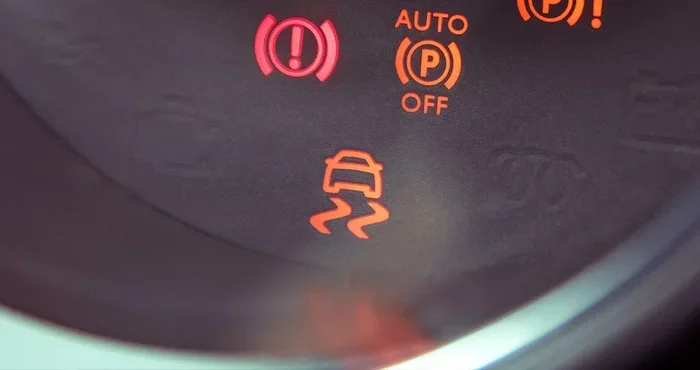
If you see the traction control light illuminated on your dashboard, it means the system has detected a problem. The light may look as a car with wavy lines beneath it, or it may simply say TRAC or ESC. A steady light usually indicates the system is turned off or there is a minor issue. A flashing light often means the system is actively working to correct a loss of traction.
However, if the light stays on constantly while you are driving normally, it could signal a malfunction. Common causes include a faulty wheel speed sensor, a problem with the ABS module, or a wiring issue. When this light comes on, have your vehicle checked by a qualified mechanic as soon as possible.
Other Warning Signs to Watch For
Beyond the dashboard light, there are other signs that your traction control system may not be working properly. If you feel wheel spin on slippery surfaces when you normally would not, the system may be disabled or malfunctioning. If the ABS light also comes on, the two systems share components and a single fault can affect both.
Unusual sounds from the wheels during acceleration can also be a clue. A grinding or buzzing noise when the system activates is not normal and should be inspected. Regular vehicle maintenance, including checking your tire condition and wheel sensors, helps keep the entire system functioning properly.
Does Traction Control Affect Tire Wear?
Another common concern is whether traction control impacts the lifespan of your tires. The short answer is no, not in any significant way. The system only applies brakes or reduces power for brief moments when wheel slip is detected. These micro-interventions do not cause enough friction to noticeably wear your tires faster.
That said, if your traction control system is malfunctioning and constantly engaging, it could lead to uneven brake pad wear. This is rare but worth noting. Keeping your system in good working order ensures it does not create unnecessary stress on your braking components.
The biggest factor in tire wear is actually your driving habits. Hard acceleration, sharp cornering, and sudden braking all wear tires faster than any electronic system. Keep your tires properly inflated, rotate them regularly, and drive smoothly. Your tires will last longer regardless of whether traction control is on or off.
Expert Tips for Using Traction Control
To get the most out of your traction control system, follow these practical tips from driving experts. These simple habits can improve your safety and help you understand how the system works in real-world conditions.
1. Know Your Vehicle
Every car is different. Read your owner manual to understand exactly how your traction control system works. Some vehicles allow you to adjust the sensitivity of the system, while others simply have an on-off toggle. Knowing the specifics of your car helps you make better decisions on the road.
2. Keep Your Tires in Good Condition
Traction control relies on your tires to do its job. Worn-out tires with little tread depth will struggle to maintain grip no matter how good the electronic systems are. Check your tire tread regularly and replace tires when they become bald. Proper tire pressure is equally important for optimal traction.
3. Do Not Rely on the System Alone
Traction control is a safety aid, not a replacement for safe driving. It cannot defy the laws of physics. If you are driving too fast for road conditions, no electronic system can save you. Always adjust your speed to match the weather and road surface. Use traction control as a backup, not a crutch.
4. Reset the System After Turning It Off
If you turn off traction control for off-road driving or getting unstuck, make sure to turn it back on when you return to normal roads. Some vehicles reset the system automatically when you restart the engine. Others require you to manually switch it back on. A quick check of the dashboard before driving on paved roads ensures the system is active.
5. Understand What the Light Means
Spend a few minutes learning what each warning light on your dashboard means. The traction control light, ABS light, and stability control light often look similar. Knowing the difference helps you respond quickly if a problem arises. If multiple lights come on at once, pull over safely and seek assistance.
Key Takeaways
- Traction control is safe to leave on always: It helps maintain grip and stability on slippery surfaces without any effort from you.
- It works with your ABS and stability systems: Traction control uses the same sensors as your anti-lock braking system to detect wheel slip.
- Turn it off in specific situations: You should disable it when stuck in deep snow, mud, or sand to allow your wheels to spin and gain momentum.
- Leaving it on does not damage your car: The system only activates when it detects a loss of traction, so it does not wear out components unnecessarily.
- It can improve fuel efficiency slightly: By preventing unnecessary wheel spin, traction control helps your engine work more efficiently.
- Watch for the warning light: If the traction control light stays on, it could signal a malfunction that needs immediate attention.
- New drivers benefit the most: Keeping traction control on builds confidence and safety, especially for inexperienced drivers on challenging roads.
Conclusion
So, is it OK to leave traction control on all the time? For the vast majority of drivers and driving situations, the answer is a resounding yes. This system is designed to work silently and continuously, keeping you safe without requiring any input from you. It prevents wheel slip, improves stability, and works alongside your other safety systems to create a comprehensive protection net.
There are specific moments when turning it off makes sense, like when you are stuck in snow or driving on loose off-road terrain. But for your daily commute, road trips, and everything in between, keeping traction control on is the smartest choice you can make. It costs nothing to keep it active, it does not harm your vehicle, and it could one day save your life.
Take a moment today to check your dashboard and make sure your traction control system is active. If the warning light is on, get it checked by a professional. Understanding your vehicle’s safety features is one of the best things you can do as a driver. Stay informed, stay safe, and always leave traction control on unless you have a specific reason not to.
FAQs
Can leaving traction control on damage my car?
No, leaving traction control on will not damage your vehicle. The system only activates when it detects wheel slip, and it uses components designed to handle that stress. Automakers test these systems extensively to ensure they are safe for continuous use.
Should I turn off traction control in the rain?
No, you should keep traction control on in the rain. Wet roads are one of the situations where this system is most helpful. It prevents wheel spin on slick surfaces and helps you maintain control during acceleration. Turning it off in the rain reduces your safety margin.
Does traction control help on icy roads?
Yes, traction control is extremely helpful on icy roads. It detects when a wheel loses grip on ice and immediately reduces power or applies the brakes to that wheel. This helps you accelerate more smoothly and maintain directional control on slippery surfaces.
Can I drive with the traction control light on?
You can drive with the light on, but you should get the system checked soon. The light means the system is either turned off or has detected a fault. Without a functioning traction control system, you lose an important layer of safety, especially on slippery roads.
Does traction control help with cornering?
Yes, traction control helps with cornering by preventing inside wheels from spinning during acceleration out of a turn. It works with your stability control system to keep your car tracking correctly through curves. This is especially useful on wet or uneven roads.
How often should I check my traction control system?
You should have the system checked during regular vehicle maintenance or whenever a warning light appears. Most mechanics will inspect the wheel speed sensors and related components during routine service. Keeping up with scheduled maintenance helps ensure the system works when you need it most.