Is My Car Overheating Here Are the Signs and Symptoms
Is my car overheating? Recognizing the early signs of an overheating engine can save you from costly repairs and dangerous breakdowns. Common overheating symptoms include steam from the hood, a rising temperature gauge, and strange smells coming from under the hood. This guide covers every warning sign, the main overheating causes, and simple steps you can take right now to protect your car.
Have you ever been driving down the road and suddenly noticed something weird coming from your car? Maybe you saw steam curling up from under the hood. Or maybe your temperature gauge shot into the red zone. Either way, one thought probably crossed your mind: is my car overheating?
If you have ever asked yourself this question, you are not alone. Overheating is one of the most common car problems drivers face. It can happen to anyone, whether you drive a brand-new sedan or a trusty old truck. The good news is that catching the signs early can save you a lot of money and stress.
In this article, we will walk you through every overheating symptom you should watch for. We will also explain what causes a car to overheat, what you should do in the moment, and how to prevent it from happening again. By the end, you will know exactly how to handle an overheating engine like a pro.
Key Takeaways
- Steam or smoke from the hood: This is the most obvious and urgent sign that your engine is too hot.
- Temperature gauge in the red: Your dashboard warning light tells you the cooling system is struggling.
- Coolant leaks and strange smells: Puddles under your car or sweet-smelling steam point to a cooling system problem.
- Common causes include low coolant, a bad thermostat, and a failing radiator: These are fixable if caught early.
- Turn off the AC and turn on the heat: This simple trick pulls heat away from the engine fast.
- Regular car maintenance prevents overheating: Check coolant levels, hoses, and belts often to stay ahead of problems.
- Never ignore overheating signs: Driving with an overheating engine can cause severe engine damage and expensive repairs.
📑 Table of Contents
- How to Tell if Your Car Is Overheating
- Common Signs of an Overheating Engine
- What Causes a Car to Overheat
- What to Do When Your Car Starts Overheating
- How to Prevent Your Car From Overheating
- When to See a Mechanic About Overheating
- Quick Tips for Handling Overheating on the Road
- Key Takeaways
- Conclusion
How to Tell if Your Car Is Overheating
Your car gives you plenty of warnings before things get serious. The trick is knowing what to look for. Many drivers ignore early signs because they do not seem important at first. But those small warnings can turn into big problems fast.
Watch Your Temperature Gauge
The temperature gauge on your dashboard is your best friend. It tells you how hot your engine coolant is at any given moment. Normal operating temperature usually sits in the middle of the gauge. If the needle starts climbing toward the hot side, pay attention.
Sometimes the gauge shoots up quickly. Other times it rises slowly over time. Both situations mean something is wrong with your cooling system. Do not wait for the needle to hit the red zone. By then, damage may already be happening.
Check for Steam or Smoke
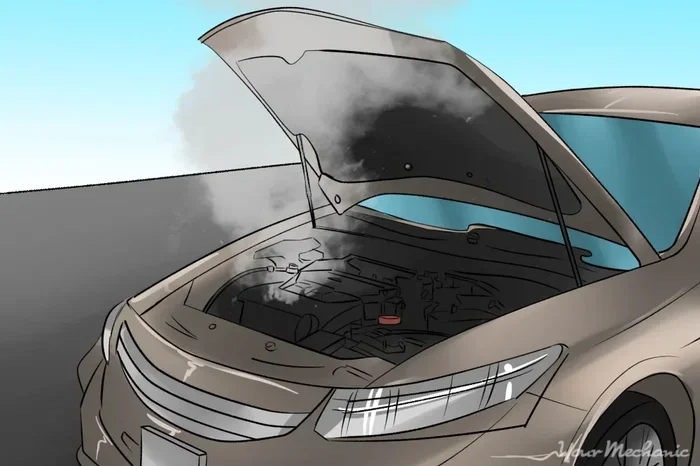
Seeing steam or smoke coming from under your hood is a clear overheating warning sign. This usually means your engine coolant has reached a boiling point. The steam escapes through the radiator cap or from small leaks in the system.
If you see steam, pull over safely as soon as possible. Do not keep driving. The overheating engine can cause serious internal damage if you keep running it. Turn off the engine and let it cool down before you open anything.
Look for Coolant Leaks
A puddle of green, orange, or pink fluid under your car is a strong clue that something is wrong. This is likely coolant leaking from the radiator, a hose, or the water pump. Low coolant means your engine cannot stay cool.
Check the ground where you park your car regularly. A small puddle might not seem like a big deal, but it can lead to engine overheating quickly. Coolant is slippery and has a slightly sweet smell. If you notice it, top off the reservoir and get the leak fixed soon.
Listen for Unusual Sounds
Your engine makes all kinds of sounds. But some sounds mean trouble. A gurgling or boiling noise coming from under the hood often means the coolant is bubbling because it is too hot. This is a direct sign of car overheating.
You might also hear a ticking or knocking sound. This happens when the engine oil gets too hot and loses its ability to lubricate parts properly. These sounds should never be ignored. They are your engine screaming for help.
Common Signs of an Overheating Engine
Now that you know what to watch for, let us break down the most common overheating symptoms in detail. Each sign tells a different story about what is happening under your hood.
Sign 1: The Temperature Warning Light Comes On
Most modern cars have a temperature warning light on the dashboard. It looks like a thermometer or a red temperature gauge. When this light comes on, your engine temperature is too high.
Do not panic, but do act fast. Pull over to a safe spot and turn off the engine. This light means the cooling system is not doing its job. It could be a simple fix like low coolant, or it could be something more serious like a broken water pump.
Sign 2: A Sweet Smell From the Engine Bay
Have you ever noticed a sweet, syrupy smell while driving? That is the smell of engine coolant leaking and hitting hot engine parts. It is one of the most overlooked overheating signs.
The smell might come and go at first. But as the leak gets worse, it becomes stronger. If you smell something sweet, check your coolant level right away. A small leak can become a big problem quickly if left alone.
Sign 3: Weak or Hot Air From the Heater
This one surprises a lot of drivers. If your heater blows cold air or weak warm air, it could mean your cooling system is low on coolant. The heater actually uses the same coolant that cools your engine.
If the heater stops working properly and your temperature gauge is rising, that is a double warning. Your car is telling you the cooling system is struggling. Get it checked before the engine overheats completely.
Sign 4: Bubbling Sounds From the Radiator
When coolant overheats, it creates air bubbles. You can sometimes hear these bubbles moving through the radiator and hoses. It sounds like a gentle boiling or gurgling.
This usually means the coolant temperature is too high or there is air trapped in the system. Air pockets block proper coolant flow and make the problem worse. Bleeding the cooling system can help, but you should also check for leaks.
Sign 5: Reduced Engine Power
An overheating car often loses power. You might notice the engine feels sluggish or struggles to accelerate. This happens because extreme heat affects how the engine burns fuel.
Some modern cars have a built-in safety feature that reduces power to protect the engine from heat damage. If your car feels weak and hot at the same time, stop driving and let it cool down.
What Causes a Car to Overheat
Knowing the signs is only half the battle. Understanding overheating causes helps you prevent problems before they start. Many drivers deal with overheating because they do not know what is going on under the hood.
Low or Leaking Coolant
The most common reason cars overheat is simply low coolant. Coolant is the fluid that carries heat away from the engine. Without enough of it, the engine cannot regulate its temperature properly.
Coolant leaks happen over time. Hoses crack, the radiator develops pinholes, and the water pump wears out. Even a small leak can drain your coolant levels fast. Checking your coolant reservoir regularly is one of the easiest ways to prevent this.
Faulty Thermostat
The thermostat controls how much coolant flows through the engine. When it opens and closes at the right temperatures, your engine stays cool. But a stuck thermostat can block coolant flow entirely.
If your thermostat gets stuck closed, the coolant cannot reach the radiator to cool down. This is a very common cause of engine overheating. Replacing a thermostat is usually inexpensive and straightforward.
Broken Water Pump
The water pump is the heart of your cooling system. It pushes coolant through the engine and radiator. When the water pump fails, coolant stops moving, and the engine heats up fast.
Water pumps wear out over time, especially in older cars. Signs of a failing water pump include coolant leaks near the front of the engine and whining noises. If you suspect your water pump is bad, get it checked right away.
Clogged Radiator
The radiator cools the hot coolant before it cycles back through the engine. But over time, dirt, rust, and debris can clog the radiator fins. This blocks airflow and reduces cooling efficiency.
A clogged radiator is one of the sneaky overheating causes that many drivers miss. Flushing the radiator during routine car maintenance can help prevent this problem. If your radiator is old and clogged, replacing it might be the best option.
Broken Cooling Fan
Your car’s cooling fan pulls air through the radiator when you are driving slowly or sitting in traffic. Without this airflow, the coolant cannot cool down properly.
A broken fan motor, faulty fan relay, or damaged fan blade can all cause engine overheating in stop-and-go traffic. If your car overheats in traffic but runs fine on the highway, the cooling fan is a likely culprit.
Blown Head Gasket
The head gasket sits between the engine block and the cylinder head. It keeps coolant and oil from mixing and keeps combustion gases where they belong. When a head gasket blows, coolant can leak into the cylinders or oil passages.
A blown head gasket is a serious and expensive problem. Signs include white smoke from the exhaust, coolant mixing with oil, and persistent engine overheating. If you notice any of these signs, stop driving and call a mechanic immediately.
What to Do When Your Car Starts Overheating
So your car is overheating right now. What should you do? Staying calm and taking the right steps can prevent further damage. Here is exactly what you should do.
- Turn off the air conditioning. The AC puts extra strain on the engine. Turning it off reduces the heat load immediately.
- Turn on the heater to full blast. This might feel uncomfortable, but it pulls heat away from the engine and into the cabin. It is a quick trick that really works.
- Pull over safely and turn off the engine. Do not keep driving. Give the engine at least 15 to 20 minutes to cool down.
- Do not open the radiator cap right away. The system is under pressure, and hot coolant can spray out and burn you. Wait until the gauge drops to normal.
- Check the coolant level once it cools. If the coolant is low, add a 50/50 mix of coolant and water to the reservoir. Do not pour cold water directly into a hot engine.
- Call for help if the problem persists. If the gauge goes back up after adding coolant, you have a bigger problem. Call a tow truck and get the car to a mechanic.
How to Prevent Your Car From Overheating
Prevention is always better than repair when it comes to engine overheating. A little regular car maintenance can keep your cooling system working strong for years.
Check Coolant Levels Regularly
Make it a habit to check your coolant level every few weeks. The coolant reservoir is easy to find under the hood. Just make sure the engine is cool before you open the cap. If the level is low, top it off with the right mix of coolant and water.
Inspect Hoses and Belts
Your cooling system relies on rubber hoses and belts to move coolant around. Over time, these parts crack, swell, and wear out. A quick visual inspection can catch problems early. Look for soft spots, cracks, or leaks at the connections.
Flush the Cooling System
Old coolant loses its effectiveness over time. Flushing the system and replacing the coolant keeps everything running smoothly. Most manufacturers recommend a coolant flush every 30,000 to 50,000 miles. Check your owner’s manual for the exact schedule.
Keep the Radiator Clean
Debris like leaves, bugs, and dirt can block airflow through the radiator. Use a soft brush or compressed air to clean the radiator fins gently. Keeping the radiator clean improves cooling efficiency and helps prevent overheating.
Do Not Ignore Small Problems
Small issues become big problems fast when it comes to the cooling system. A tiny coolant leak or a slightly stuck thermostat can lead to a blown head gasket or a cracked engine block. Fix small problems early, and you will save a lot of money in the long run.
When to See a Mechanic About Overheating
Some overheating problems are simple and cheap to fix. Others need professional attention. Knowing when to visit a mechanic can save you from a much bigger repair bill.
You should see a mechanic right away if you notice any of the following:
- The temperature gauge stays in the red even after you add coolant.
- You see white smoke coming from the exhaust pipe.
- Your coolant disappears frequently, which may point to an internal leak.
- The engine oil looks milky or frothy, which means coolant is mixing with oil.
- You hear loud knocking or pinging sounds from the engine.
- The car overheats repeatedly even after you have topped off the coolant.
These are all signs of serious cooling system problems. Driving with an overheating engine for too long can cause the engine block to crack, the head gasket to fail, or the pistons to seize. These repairs can cost thousands of dollars. Getting help early is always the smarter choice.
Quick Tips for Handling Overheating on the Road
- Keep a bottle of coolant in your trunk for emergencies.
- Know where your coolant reservoir is located before you need it.
- Never pour cold water into a hot engine. The sudden temperature change can crack the engine block.
- Drive with the heater on if you notice the temperature rising. It acts as a secondary radiator.
- Monitor your temperature gauge on every drive, not just long trips.
- Keep your phone charged so you can call for roadside assistance if needed.
- Stay calm and pull over safely. Your safety matters more than any car.
Key Takeaways
- Steam or smoke from the hood: This is the most obvious and urgent sign that your engine is too hot.
- Temperature gauge in the red: Your dashboard warning light tells you the cooling system is struggling.
- Coolant leaks and strange smells: Puddles under your car or sweet-smelling steam point to a cooling system problem.
- Common causes include low coolant, a bad thermostat, and a failing radiator: These are fixable if caught early.
- Turn off the AC and turn on the heat: This simple trick pulls heat away from the engine fast.
- Regular car maintenance prevents overheating: Check coolant levels, hoses, and belts often to stay ahead of problems.
- Never ignore overheating signs: Driving with an overheating engine can cause severe engine damage and expensive repairs.
Conclusion
So, is my car overheating? Now you know exactly what to look for. From a rising temperature gauge to steam from the hood, your car gives you many warnings before things get serious. The key is to pay attention and act quickly.
Understanding the overheating symptoms, overheating causes, and what to do in the moment puts you ahead of most drivers. You do not need to be a mechanic to handle an overheating engine. You just need to know what to watch for and how to respond.
Regular car maintenance goes a long way in preventing engine overheating. Check your coolant, inspect your hoses, and listen to what your car is telling you. A little effort today can save you from a major car engine repair tomorrow.
Take care of your cooling system, and your car will take care of you. Stay safe on the road, and never ignore the signs that say your car is overheating.
Frequently Asked Questions
What are the first signs of a car overheating?
The first signs include a rising temperature gauge on the dashboard, steam or smoke coming from under the hood, and a sweet smell from the engine bay. Some drivers also notice the heater blowing cold air or a gurgling sound from the radiator area.
Can I keep driving if my car is overheating?
No, you should not keep driving if your car is overheating. Continuing to drive can cause severe engine damage, including a cracked engine block or a blown head gasket. Pull over safely, turn off the engine, and let it cool down before taking any action.
How much does it cost to fix an overheating car?
The cost varies widely depending on the cause. A simple coolant top-off might cost under fifty dollars. But a blown head gasket or water pump replacement can range from five hundred to over two thousand dollars. Getting early help keeps costs lower.
What should I put in my car if it is overheating?
If your car is low on coolant, add a 50/50 mixture of coolant and water to the reservoir. Never pour plain water or cold water directly into a hot engine, as this can cause thermal shock and crack the engine block.
How can I prevent my car from overheating?
You can prevent overheating by checking coolant levels regularly, inspecting hoses and belts for wear, flushing the cooling system on schedule, and keeping the radiator clean. Routine car maintenance is the best way to avoid cooling system problems.
Is it safe to drive after the car cools down from overheating?
It might be safe to drive a short distance if the car has cooled down and the temperature gauge returns to normal. But if the overheating keeps coming back, you should not drive the car at all. Call a tow truck and have the vehicle inspected by a professional mechanic.