Is There a Way to Turn Off Adaptive Cruise Control Safely
Yes, you can turn off adaptive cruise control safely using your steering wheel buttons, brake pedal, or vehicle settings. Understanding how to disable ACC gives you full control when conditions demand it. This guide walks you through every method step by step.
Adaptive cruise control, often called ACC, is one of the most popular driver assistance features on modern vehicles. It uses radar sensors and cameras to keep a safe distance from the car ahead of you. But what happens when you need to turn it off? Maybe traffic clears up, or you are approaching a sharp curve. Perhaps the system is acting up and you want manual control back. Whatever the reason, knowing how to safely disable adaptive cruise control is essential for every driver.
This guide covers every method to turn off adaptive cruise control across different vehicle brands. We will also look at common mistakes, expert tips, and frequently asked questions. By the end, you will feel confident managing your cruise control system in any situation. Let us dive in.
Key Takeaways
- Multiple ways to turn it off: Steering wheel controls, brake pedal, and vehicle settings all work to disengage ACC.
- Safety first: Always reduce speed manually when turning off adaptive cruise control in heavy traffic.
- Know your car: Every vehicle brand has a slightly different method for disabling cruise control systems.
- Common mistakes exist: Drivers often confuse temporary pause with full system shutdown.
- Expert insight matters: Understanding ACC helps you use it smarter, not just turn it off.
- Legal responsibility stays with you: Even with advanced driver assistance features, you remain the driver.
📑 Table of Contents
- What Is Adaptive Cruise Control and How Does It Work?
- Why Would You Want to Turn Off Adaptive Cruise Control?
- How to Turn Off Adaptive Cruise Control Safely
- What Happens When You Turn Off Adaptive Cruise Control?
- Common Mistakes When Turning Off Adaptive Cruise Control
- Tips for Managing Adaptive Cruise Control Like a Pro
- Is It Legal to Turn Off Adaptive Cruise Control?
- How Different Brands Handle Cruise Control Shutdown
- Frequently Asked Questions About Turning Off Adaptive Cruise Control
- Final Thoughts on Turning Off Adaptive Cruise Control Safely
What Is Adaptive Cruise Control and How Does It Work?
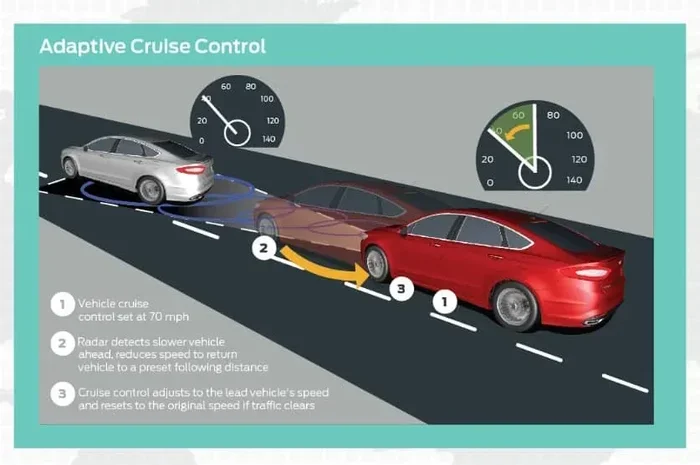
Before we talk about turning it off, let us quickly understand what adaptive cruise control actually does. Unlike traditional cruise control, which locks your car at a set speed, ACC adjusts your vehicle’s speed automatically. It reads the traffic flow ahead and slows down or speeds up as needed.
The system relies on a radar sensor mounted behind the front grille or bumper. Some newer cars also use cameras paired with the radar. Together, these components detect vehicles in your lane and maintain a safe following distance. You can usually set the distance gap using buttons on the steering wheel controls.
Here is how it works in practice:
- The radar sensor scans the road ahead continuously.
- It detects slower-moving vehicles or obstacles in your lane.
- The system gently applies the brakes or eases off the accelerator.
- When the road clears, it accelerates back to your set speed.
This technology makes highway driving much less tiring. But it is not perfect. That is why manufacturers build in easy ways to turn off adaptive cruise control. Understanding the system helps you know exactly when and how to disable it.
Why Would You Want to Turn Off Adaptive Cruise Control?
There are many valid reasons to disable adaptive cruise control. It is not about the feature being bad. It is about matching your driving tools to the road conditions. Here are the most common situations where drivers choose to turn off cruise control:
Heavy Stop-and-Go Traffic
ACC works great on open highways. But in bumper-to-bumper traffic, the constant stopping and starting can feel jerky. Some drivers prefer to control their speed manually in these conditions. The automatic braking may also react too aggressively for tight traffic situations.
Winding or Mountain Roads
ACC systems are designed for relatively straight roads. On sharp curves, the system may not detect road curvature quickly enough. Turning it off gives you full control over braking and acceleration through turns.
Bad Weather Conditions
Heavy rain, snow, or fog can interfere with the radar sensor. Ice on the sensor or debris buildup can cause inaccurate readings. In these cases, disabling the ACC system prevents unexpected behavior.
System Malfunction or Warning Lights
If your dashboard shows a collision warning or the ACC light stays on when it should not, you should turn the system off. Continuing to use a malfunctioning cruise control system can be dangerous.
Personal Driving Preference
Some drivers simply prefer full manual control. Maybe you find ACC distracting or you want to stay more engaged with the road. That is completely fine. Driver responsibility always comes first.
How to Turn Off Adaptive Cruise Control Safely
Now for the main question. Is there a way to turn off adaptive cruise control? Yes, absolutely. The method depends on your vehicle brand and model, but every car gives you at least one clear way to disengage cruise control. Let us walk through each method.
Method 1: Using the Steering Wheel Controls
This is the most common and fastest way to turn off adaptive cruise control. Almost every vehicle with ACC has a dedicated button on the steering wheel. Here is what to look for:
- Cancel button: Often labeled “Cancel” or marked with a crossed-out icon. Pressing this temporarily shuts off ACC.
- On/Off button: Some vehicles have a main toggle that turns the entire system off.
- Resume button: Pressing “Resume” after canceling reactivates ACC at the previous speed.
The Cancel method is temporary. The system remembers your last settings and can resume if you press the resume button. For a full shutdown, use the On/Off switch instead.
Quick Tip: Always press the cancel button gently. Slamming it is unnecessary and can confuse the system. A light tap does the job every time.
Method 2: Pressing the Brake Pedal
Almost every ACC system disengages automatically when you press the brake pedal. This is a built-in safety feature. It ensures that the driver always has the final say in braking decisions.
Here is how it works:
- Lift your foot off the accelerator.
- Press the brake pedal firmly but smoothly.
- The adaptive cruise control light on your dashboard will turn off.
- Your vehicle now responds to your pedal input only.
This method works across nearly all vehicle brands. Whether you drive a Toyota, Ford, BMW, or Honda, pressing the brake will turn off cruise control. It is the universal override.
Expert Insight: Some drivers accidentally press the brake too hard and activate emergency braking. Apply steady, moderate pressure instead of a sudden stomp. This keeps the transition smooth and safe.
Method 3: Using the Vehicle Settings Menu
Many modern vehicles let you disable adaptive cruise control through the infotainment system. This method provides a more permanent shutdown. Here is the general process:
- Go to your vehicle’s Settings menu on the touchscreen.
- Look for “Driver Assistance,” “Cruise Control,” or “ADAS Settings.”
- Find the toggle for adaptive cruise control.
- Switch it off.
Not all vehicles offer this option. Older models or base trims may only have the steering wheel and brake methods. Check your owner’s manual if you cannot find the setting.
Method 4: Using the On/Off Switch (If Equipped)
Some vehicles have a physical on/off switch for the cruise control system. This is usually located on the steering column, dash, or near the gear shifter. Flipping this switch completely powers down the ACC system.
When the switch is off, the system will not activate even if you press the resume button. You must flip it back on to use adaptive cruise control again. This is the most thorough way to turn off cruise control permanently until you choose to reactivate it.
What Happens When You Turn Off Adaptive Cruise Control?
Turning off adaptive cruise control changes how your vehicle behaves on the road. Here is what to expect:
- Your car no longer adjusts speed automatically. You control acceleration and braking entirely with the pedal.
- The set speed is cleared from memory. Unless you saved it separately, the system will not remember your last cruise speed.
- The dashboard light turns off. This confirms the ACC system is no longer active.
- Traditional cruise control may still work. In some vehicles, disabling ACC does not affect standard cruise control. Check your manual to confirm.
- You lose automatic following distance. The car will not slow down for vehicles ahead unless you press the brake yourself.
Understanding these changes helps you drive safely after disabling cruise control. You take on full responsibility for speed and distance management.
Common Mistakes When Turning Off Adaptive Cruise Control
Even experienced drivers make mistakes with ACC systems. Here are the most common errors and how to avoid them:
Confusing Cancel with Off
Pressing “Cancel” does not fully turn off the system. It only pauses it. The system is still active and ready to resume. Many drivers think they have fully turned off cruise control when they have only paused it. Always use the On/Off button or the vehicle settings for a complete shutdown.
Forgetting to Reactivate When Needed
After turning off adaptive cruise control, some drivers forget to turn it back on. This can leave you without a helpful feature on long highway drives. Make it a habit to check your ACC status before merging onto a highway.
Relying on the System When It Is Off
This sounds obvious, but it happens. Once ACC is off, drivers sometimes still expect the car to brake automatically. It will not. Driver responsibility is always your job. Stay alert and keep your hands on the wheel.
Not Checking the Sensor
If your radar sensor is dirty or covered in snow, ice, or mud, the ACC may not work correctly even when it is on. Before assuming the system is broken, check the sensor area. A clean sensor often fixes mysterious ACC system issues.
Tips for Managing Adaptive Cruise Control Like a Pro
You do not have to choose between using ACC or turning it off completely. Here are some tips to help you get the best of both worlds:
- Use ACC on open highways where traffic flows steadily. It reduces fatigue and keeps safe distances.
- Turn it off in heavy traffic where constant stopping makes the system less useful.
- Clean your radar sensor regularly, especially in winter or after off-road driving.
- Read your owner’s manual to learn your specific vehicle’s ACC features and limitations.
- Pair ACC with lane keeping assist for a more comfortable highway experience, but stay alert.
- Adjust the following distance to match your comfort level and road conditions.
- Practice in safe areas first if you are new to driver assistance features. Get comfortable before relying on the system in heavy traffic.
Is It Legal to Turn Off Adaptive Cruise Control?
Yes, absolutely. Turning off adaptive cruise control is completely legal in all jurisdictions. In fact, it is often recommended. No law requires you to use any driver assistance feature. You have the right to disable ACC and drive manually at all times.
Some insurance companies even view manual driving favorably in certain situations. However, keep in mind that having ACC active does not make you less responsible for accidents. Driver responsibility remains with you regardless of what technology is engaged.
The key takeaway is simple. You are always in control. The technology is there to assist you, not replace your judgment. If something feels wrong, turn off adaptive cruise control and take the wheel fully.
How Different Brands Handle Cruise Control Shutdown
Every automaker approaches the ACC system a little differently. Here is a quick look at how some popular brands handle the shutdown process:
- Toyota and Lexus: Use a Cancel button on the steering wheel and a main cruise control toggle on the steering column.
- Ford and Lincoln: The brake pedal override works universally. Some models also have a steering wheel On/Off button.
- BMW: The steering wheel controls include a dedicated Cancel button. The system resumes when you press Resume or set a new speed.
- Honda: Pressing the brake pedal or the Cancel button disables adaptive cruise control. The main toggle on the steering wheel provides a full shutdown.
- Tesla: Tesla uses a stalk-based system. Pulling the cruise control stalk toward you cancels ACC. The system also disengages when you touch the brake.
- Chevrolet and GMC: The steering wheel controls and brake pedal both work. Some models allow full system disable through the infotainment settings.
Because every vehicle is different, always refer to your specific owner’s manual for the exact steps to turn off adaptive cruise control in your car. The general principles remain the same, but button locations vary.
Frequently Asked Questions About Turning Off Adaptive Cruise Control
Can I turn off adaptive cruise control while driving?
Yes, you can turn off adaptive cruise control at any time while driving. Simply press the Cancel button, tap the brake pedal, or use the On/Off switch. The system disengages immediately and gives you full manual control. This is a built-in safety feature that works in all vehicles equipped with ACC.
Will turning off ACC affect my regular cruise control?
In most vehicles, turning off adaptive cruise control does not affect traditional cruise control. These are separate systems. However, some vehicles bundle both functions into one toggle. Check your owner’s manual to understand how your specific vehicle handles this.
Why does my adaptive cruise control keep turning off by itself?
Several reasons can cause this. A dirty radar sensor is the most common culprit. Snow, mud, or debris on the sensor can trigger automatic shutdown. Electrical issues, software glitches, or a faulty collision warning system can also cause unexpected disengagement. If the problem persists, have a certified technician inspect your ACC system.
Is it safe to drive without adaptive cruise control?
Absolutely. Adaptive cruise control is an assistance feature, not a requirement. Millions of drivers use their vehicles daily without it. In fact, some drivers prefer manual control for more precise speed management. The key is staying alert and maintaining safe following distances on your own.
Can I partially turn off adaptive cruise control but keep the speed set?
Some vehicles allow you to cancel ACC temporarily while keeping the speed setting in memory. When you press the Resume button, the system returns to your previously set speed. This is different from a full shutdown, which clears all settings. Check your vehicle’s manual for the exact behavior of your cruise control system.
How do I know if my adaptive cruise control is off?
Look at your dashboard. When adaptive cruise control is active, a green or white indicator light appears. When you turn off cruise control, that light turns off. Some vehicles also display a message on the instrument cluster confirming the system is disabled. If the light stays on after you think you have turned it off, try pressing Cancel and then the On/Off button.
Final Thoughts on Turning Off Adaptive Cruise Control Safely
The answer to “is there a way to turn off adaptive cruise control?” is a clear and confident yes. You have multiple methods at your disposal. The steering wheel Cancel button, the brake pedal, the vehicle settings menu, and the physical On/Off switch all work to disengage cruise control safely and quickly.
What matters most is that you understand your vehicle’s specific system. Every car handles ACC shutdown slightly differently. Take the time to read your manual and practice in a safe environment. This small investment pays off every time you face a road situation that demands manual control.
Remember, technology is here to assist you. It is not here to replace your judgment, your reflexes, or your attention. Turning off adaptive cruise control when conditions call for it is not a sign of weakness. It is a sign of a smart, responsible driver. Stay aware, stay in control, and enjoy the road with confidence.
Whether you use adaptive cruise control every day or only on long trips, knowing how to turn off cruise control safely is an essential skill. Drive smart, stay alert, and let the technology work for you, not the other way around.