What Actions Deactivate Cruise Control While Driving
Understanding what actions deactivate cruise control is essential for every driver who relies on this convenient feature. Several simple actions can cancel your cruise control system, including pressing the brake pedal, pulling the clutch, or hitting the cancel button on the steering wheel. Knowing these deactivation methods helps you stay safe and in full control of your vehicle at all times. This guide breaks down every way cruise control shuts off, so you never get caught off guard on the road.
Driving on a long highway stretch is one of the best moments to use cruise control. You set your speed, relax your foot, and enjoy the ride. But have you ever wondered what actions deactivate cruise control? Understanding this is more important than most drivers realize.
Cruise control is a fantastic convenience feature. It maintains your vehicle speed without you needing to press the accelerator. However, safety always comes first. Your car gives you several ways to cancel cruise control instantly. Some are obvious. Others are easy to overlook. This guide covers every method, every button, and every situation that can deactivate cruise control while driving.
Whether you drive a modern car with adaptive cruise control or an older vehicle with a basic set cruise system, this article has you covered. You will learn exactly what triggers deactivation and how to get back up to speed safely. Let us dive in.
Key Takeaways
- Braking is the #1 way to deactivate cruise control: Pressing the brake pedal instantly cancels the system on all vehicles.
- Multiple cancel methods exist: Buttons on the steering wheel, clutch pedals, and even a faulty brake light switch can shut off cruise control.
- Adaptive cruise control adds complexity: Radar and sensor systems can deactivate cruise control based on traffic conditions.
- Common mistakes cause accidental deactivation: Understanding your vehicle’s controls prevents unnecessary cruise control cancellation.
- Resuming cruise control is simple: Most vehicles let you resume your set speed after a temporary deactivation.
- Electrical issues can cause cruise control failure: A blown fuse or faulty module may stop cruise control from working entirely.
- Knowing your system builds confidence: Familiarity with cruise control functions makes highway driving safer and more enjoyable.
📑 Table of Contents
- How Cruise Control Works on Your Vehicle
- Actions That Deactivate Cruise Control While Driving
- How to Resume Cruise Control After Deactivation
- Common Mistakes That Accidentally Deactivate Cruise Control
- Troubleshooting Cruise Control That Won Stay Active
- Safety Tips for Using Cruise Control
- What Deactivates Cruise Control on Different Vehicle Types
- Expert Insights on Cruise Control Deactivation
- Frequently Asked Questions
- Conclusion
How Cruise Control Works on Your Vehicle
Before we look at what deactivates cruise control, it helps to understand how it works. The cruise control system uses your vehicle’s electronic module to manage throttle input. When you set a speed, the system tells the engine to maintain that pace. It does this by adjusting the throttle position electronically or mechanically.
Modern vehicles often use adaptive cruise control. This version adds radar sensors and cameras. These tools detect vehicles ahead and adjust your speed automatically. Even with these advanced systems, the basic deactivation rules remain the same.
The cruise control module receives input from several sources. It listens to the brake pedal, the clutch pedal, and steering wheel buttons. If any of these send a cancel signal, the system shuts off immediately. Your set cruise control speed is forgotten until you reactivate it.
The Basic Components of Cruise Control
Every cruise control system has a few key parts. The control switch lives on your steering wheel. You use it to set, resume, and cancel cruise control. The brake light switch sits near your brake pedal. It plays a big role in deactivation. The throttle actuator does the physical work of adjusting your speed. And the cruise control module acts as the brain of the entire system.
When all these parts work together, cruise control is seamless. But when one part fails, your cruise control may not work at all. Understanding each component helps you troubleshoot problems later.
Actions That Deactivate Cruise Control While Driving
This is the core of our guide. Several actions will immediately deactivate cruise control. Let us walk through each one so you know exactly what to expect.
Pressing the Brake Pedal
The brake pedal is the most common way to cancel cruise control. Every vehicle with cruise control is designed this way. When you press the brake pedal, a signal sends to the cruise control module. The system deactivates instantly. Your set speed is cleared from memory.
This design exists for safety reasons. If you need to slow down or stop quickly, you should not have to fumble for a button. Your foot goes to the brake naturally. The system respects that instinct and shuts off cruise control right away.
Some drivers worry about accidentally hitting the brake. Rest assured, this only happens when you actually press the pedal. Light touches or resting your foot near the brake usually do not trigger deactivation. But a firm press always cancels the system.
Pressing the Cancel Button
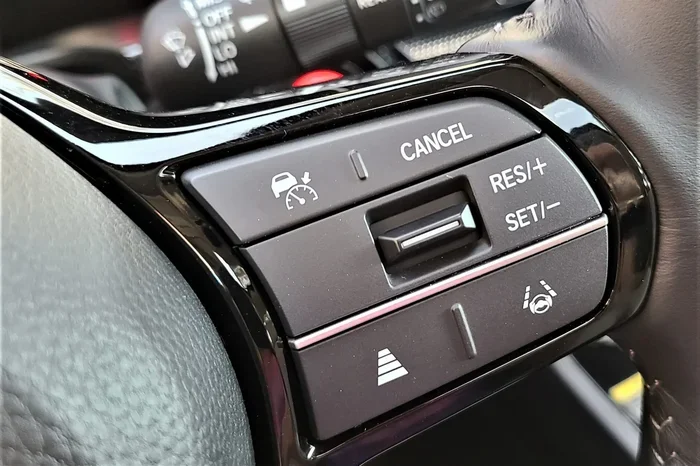
Most steering wheels have a dedicated cancel button for cruise control. This button lets you turn off cruise control without touching the brake. It is handy when you want to slow down gradually without fully stopping the system.
On many vehicles, the cancel button shares space with other cruise control buttons. You might find it near the set and resume buttons. Check your owner manual if you are unsure where yours is located. Knowing the exact position of your cancel button saves time and confusion.
Pressing the cancel button is the cleanest way to deactivate cruise control. It does not clear your set speed from memory in all vehicles. Some systems remember your last set speed even after cancel. You can resume cruise control later by pressing the resume button.
Pressing the Clutch Pedal
Drivers of manual transmission vehicles know this one well. Pressing the clutch pedal deactivates cruise control. The system is designed this way to protect the engine. If you depress the clutch while cruise control is active, the engine would rev without the wheels connected. That could cause damage.
The clutch pedal sends a cancel signal through a switch. This switch is part of the cruise control system input. When the clutch goes down, the signal goes through, and cruise control shuts off.
This is especially important for drivers who downshift on hills. If you are going downhill and need to slow down, pressing the clutch naturally deactivates cruise control. It keeps your vehicle in your control at all times.
Turning the Steering Wheel
Some vehicles deactivate cruise control when you turn the steering wheel significantly. This feature is more common in newer models with advanced cruise control systems. The idea is simple: if you are steering, you are actively driving. The system should not maintain speed automatically.
This deactivation method is subtle. You might not even notice it happening. But if you make a sharp turn or a lane change, the cruise control system may cancel. Your set speed disappears, and you take full manual control.
Not all vehicles do this. Many older cruise control systems ignore steering input entirely. It depends on your car make, model, and year. Check your owner manual to see if your vehicle uses steering input as a deactivation trigger.
Electrical and System Failures
Sometimes cruise control deactivates because of a problem. Electrical issues can cause unexpected cancellations. A blown cruise control fuse is one common culprit. If the fuse blows, the entire cruise control system loses power. It cannot maintain speed or respond to any inputs.
A faulty brake light switch is another frequent cause. This switch tells the cruise control module when you are pressing the brake. If it malfunctions, it may send a constant cancel signal. Your cruise control would never stay active, even when you want it to.
The cruise control module itself can fail over time. Water damage, wear, and electrical shorts can all cause module failure. When the module goes bad, cruise control stops working entirely. You may need professional diagnosis to fix this issue.
Adaptive Cruise Control Deactivation
Vehicles with adaptive cruise control have additional deactivation triggers. The radar sensor and camera systems can cancel cruise control based on road conditions. If the system detects a vehicle too close ahead, it will slow down or deactivate entirely.
Heavy rain, fog, or snow can interfere with the sensors. When the system cannot read the road clearly, it may deactivate adaptive cruise control as a safety precaution. This is by design. The system does not want to make decisions it cannot trust.
Some vehicles also deactivate adaptive cruise control when you signal a lane change. The turn signal input tells the system you are actively maneuvering. Cruise control steps aside to let you take full control.
How to Resume Cruise Control After Deactivation
After cruise control deactivates, getting back to your set speed is usually easy. Most vehicles have a resume button on the steering wheel. Press it, and the system returns to your last set speed. This feature works after temporary deactivations like a brake press or cancel button use.
However, there are limits. If you turn the engine off and on again, the cruise control memory may clear. You would need to set your speed again from scratch. Some vehicles also clear the memory after a long period of inactivity.
The resume function works best on highways. It is not designed for stop-and-go traffic. If you stopped completely and deactivated cruise control, you need to set the speed again. Do not try to resume from a full stop on most systems.
Steps to Resume Cruise Control
Follow these simple steps to get cruise control back after deactivation:
- Make sure your vehicle is at a safe driving speed.
- Press the resume button on the steering wheel.
- Wait for the cruise control indicator light to come on.
- Check that your vehicle has returned to the set speed.
- Adjust the speed if needed using the set or increase buttons.
These steps apply to most vehicles. Your exact process may vary slightly. Always consult your owner manual for model-specific instructions.
Common Mistakes That Accidentally Deactivate Cruise Control
Even experienced drivers sometimes accidentally cancel cruise control. These mistakes are easy to avoid once you know what to watch for.
Resting Your Foot Near the Brake Pedal
This is the most common accidental deactivation mistake. Many drivers rest their left foot near the brake pedal while driving. If the brake light switch is sensitive, even a light touch can send a cancel signal. Your cruise control turns off without you realizing it.
The fix is simple. Keep your foot off the brake pedal entirely when cruise control is active. Rest it on the floor instead. This habit prevents accidental deactivation and keeps you safe.
Hitting the Wrong Steering Wheel Button
Steering wheel cruise control buttons are close together. It is easy to hit the cancel button instead of the resume button. This happens especially when you are not looking at the controls directly.
Take a moment to learn the exact layout of your cruise control buttons. Knowing which button does what prevents frustrating accidental cancellations. Some vehicles also have a confirm or lock feature that prevents accidental presses.
Ignoring System Warnings
Your vehicle tells you when cruise control deactivates. A dashboard light usually turns off or changes. Ignoring these warnings can lead to confusion. You might think cruise control is still active when it is not.
Always glance at your instrument cluster after any pedal input or button press. Confirm that cruise control is active before you relax your foot. This small habit goes a long way toward safe driving.
Troubleshooting Cruise Control That Won Stay Active
Sometimes cruise control keeps deactivating even when you do nothing wrong. This can be frustrating and concerning. Several issues could be at play.
Check the Brake Light Switch
The brake light switch is a small but critical component. It sits above the brake pedal and activates your brake lights when you press down. If this switch is misaligned or faulty, it may send a constant cancel signal to the cruise control module.
You can test this yourself in some cases. Press the brake pedal and have someone check if the brake lights come on and go off cleanly. If the lights flicker or stay on when the pedal is released, the switch may need adjustment or replacement.
Inspect the Cruise Control Fuse
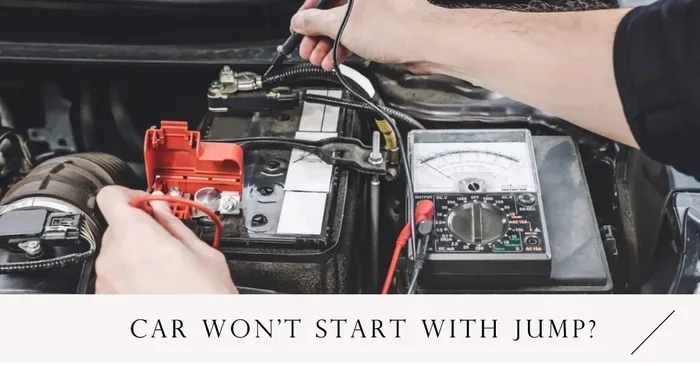
A blown fuse is an easy fix that many people overlook. Check your owner manual for the fuse box location and the cruise control fuse number. A visual inspection or a quick test with a multimeter can tell you if the fuse is bad.
Replacing a fuse is inexpensive and straightforward. But if the new fuse blows again, there is likely a deeper electrical issue that needs professional attention.
Look at the Throttle Body
The throttle body controls air flow to the engine. If it is dirty or malfunctioning, cruise control may not be able to maintain speed. The system tries to adjust the throttle, but the dirty throttle body resists the command.
A throttle body cleaning is a common maintenance task. It is relatively inexpensive and can resolve cruise control issues caused by carbon buildup. Ask your mechanic to inspect it during your next service visit.
Safety Tips for Using Cruise Control
Cruise control is a helpful tool, but it is not a replacement for active driving. Follow these safety tips to get the most from your cruise control system while staying safe on the road.
- Never use cruise control in heavy traffic: Stop-and-go driving requires constant speed adjustments. Cruise control is not designed for this.
- Stay alert at all times: Cruise control does not steer the vehicle. You must always keep your hands on the wheel and your eyes on the road.
- Adjust speed for weather conditions: Wet or icy roads demand lower speeds. Set cruise control accordingly and stay ready to deactivate if needed.
- Know your vehicle specific controls: Every car is different. Spend time learning your cruise control buttons and features before relying on them.
- Use cruise control on familiar roads: Highway driving on roads you know well is ideal for cruise control use. Avoid using it on unfamiliar or winding routes.
- Keep the brake pedal accessible: Your right foot should always be near the brake pedal. Quick access to the brake is essential for safety.
What Deactivates Cruise Control on Different Vehicle Types
Not all vehicles deactivate cruise control the same way. The method depends on your vehicle type, transmission, and cruise control system. Here is a closer look at how different vehicles handle cruise control deactivation.
Automatic Transmission Vehicles
Automatic vehicles deactivate cruise control primarily through the brake pedal and cancel button. The clutch pedal is not a factor since there is no manual clutch. These vehicles are the simplest when it comes to cruise control operation.
Most automatic vehicles also have a brake override system. This means pressing the brake always wins, regardless of what the cruise control system is doing. It is a fundamental safety feature that all drivers should appreciate.
Manual Transmission Vehicles
Manual vehicles add the clutch pedal as a deactivation trigger. This is essential because the clutch disconnects the engine from the wheels. Without this safety feature, cruise control could cause engine damage during gear changes or when the clutch is depressed.
Manual transmission drivers should be especially mindful of clutch position. A quick clutch tap to shift gears will deactivate cruise control. You will need to set your speed again after completing the gear change.
Vehicles with Adaptive Cruise Control
Adaptive cruise control vehicles have the most deactivation triggers. Radar sensors, cameras, and steering input all play a role. These systems are designed to be intelligent and responsive. They deactivate when they cannot safely maintain speed or following distance.
Despite the complexity, the basic deactivation methods still apply. Pressing the brake pedal always cancels adaptive cruise control. The cancel button on the steering wheel works the same way. The additional sensor-based deactivations are purely for enhanced safety.
Expert Insights on Cruise Control Deactivation
Automotive experts agree that understanding cruise control deactivation is a key driving skill. According to driving safety organizations, many drivers do not fully understand how their cruise control system works. This lack of knowledge can lead to confusion on the road.
Certified driving instructors recommend that every driver practice using cruise control in safe, empty conditions before relying on it in traffic. This practice builds familiarity with the set, resume, cancel, and resume functions. It also helps you understand exactly how your specific vehicle responds.
Experienced mechanics also emphasize the importance of regular vehicle maintenance. Keeping the brake light switch, throttle body, and cruise control module in good condition ensures reliable cruise control operation. A well-maintained vehicle responds predictably, which is essential for safe cruise control use.
One often-overlooked expert tip is to read your vehicle owner manual thoroughly. The manual contains specific information about your cruise control system. It explains every button, every light, and every deactivation method. This knowledge gives you confidence and control every time you drive.
Frequently Asked Questions
What is the fastest way to deactivate cruise control?
Pressing the brake pedal is the fastest and most universal way to deactivate cruise control. Every vehicle with cruise control is designed to respond immediately when you press the brake. This instant response is a built-in safety feature that ensures you always have full control of your vehicle when you need it most.
Can a faulty brake light switch cause cruise control problems?
Yes, a faulty brake light switch is one of the most common causes of cruise control issues. If the switch is stuck or misaligned, it sends a constant cancel signal to the cruise control module. This prevents cruise control from staying active. Replacing or adjusting the brake light switch usually resolves the problem quickly and affordably.
Does cruise control deactivate when you turn the steering wheel?
Some vehicles deactivate cruise control when you turn the steering wheel significantly. This feature is more common in newer models with advanced cruise control systems. The system interprets steering input as active driving and cancels cruise control accordingly. However, many older vehicles do not respond to steering input at all.
Is it safe to use cruise control in the rain?
Using cruise control in wet conditions is generally not recommended. Wet roads reduce traction, and cruise control maintains a constant speed that may not be safe. If your vehicle hydroplanes, cruise control could cause the car to accelerate instead of slowing down. It is safer to manually control your speed in rainy or icy conditions.
Why does my cruise control keep turning off by itself?
Several issues can cause cruise control to deactivate unexpectedly. A blown fuse, faulty brake light switch, or malfunctioning cruise control module are the most common culprits. Dirt or debris around the throttle body can also interfere with cruise control operation. If your cruise control keeps turning off, have a mechanic inspect the system thoroughly.
Can you resume cruise control after it has been fully cancelled?
In most vehicles, you can resume cruise control after a temporary cancellation by pressing the resume button. This works after pressing the brake or the cancel button. However, if you turn off the engine or the system completely shuts down, you will need to set your speed again. Always check your vehicle manual for specific resume instructions.
Conclusion
Understanding what actions deactivate cruise control is a vital part of safe driving. The brake pedal, cancel button, clutch pedal, and steering input all play a role in shutting down cruise control. Electrical issues like blown fuses and faulty switches can also cause unexpected deactivation.
Knowing these methods gives you confidence behind the wheel. You will never be surprised when cruise control cancels. Instead, you will understand exactly why it happened and how to get back on track. Whether you drive a basic manual transmission car or a modern vehicle with adaptive cruise control, the principles remain the same.
Take a few minutes to familiarize yourself with your vehicle cruise control system. Practice using the set, resume, and cancel functions in a safe environment. Read your owner manual to understand the specific features of your car. This small investment of time pays off every time you hit the highway.
Drive safely, stay alert, and enjoy the convenience that cruise control provides. When you know how your system works, you drive smarter and more confidently. Safe travels to you and your passengers.