What Is the Purpose of a Cars Glove Box and Why It Matters
The purpose of a car glove box goes far beyond holding your owner’s manual. This compact storage compartment tucked into the dashboard serves as a hidden organizer for everyday essentials, emergency supplies, and small accessories. Understanding what your glove box is for can help you keep your car interior tidy, safe, and ready for anything.
Every car has one. You open it, toss in a few random items, and forget about it. But have you ever stopped to think about the purpose of a car glove box? This small compartment sits quietly in your dashboard, and it does a lot more than you might realize.
The glove box is one of the most underrated features in any vehicle. It offers hidden storage, keeps small items within reach, and even plays a role in car organization. Whether you drive a sedan or an SUV, understanding what your glove box is for can change the way you use your car interior.
In this guide, we will explore everything about the glove box. We will cover its purpose, how it has changed over the years, what you should store in it, and how to get the most out of this handy dashboard storage space. Let us dive in.
Key Takeaways
- Essential Storage: The glove box is a built-in storage compartment designed to hold documents, small items, and emergency supplies.
- More Than Just Manuals: Modern glove boxes store everything from phone chargers to first aid kits and sunglasses.
- Evolved Over Time: Today’s glove boxes feature temperature control, locking mechanisms, and smart organization.
- Car Organization: Using your glove box wisely reduces clutter and keeps your cabin storage neat and accessible.
- Common Problems: Sticky latches, broken hinges, and poor organization are fixable with simple tips.
- Expert Insight: Regular cleaning and smart packing make your glove box a reliable part of your vehicle storage system.
📑 Table of Contents
- The Basic Purpose of a Car Glove Box
- How the Glove Box Has Evolved Over the Years
- Common Items You Can Store in Your Glove Box
- Why the Glove Box Matters for Car Organization
- Common Glove Box Problems and How to Fix Them
- Expert Tips for Getting the Most From Your Glove Box
- The Glove Box and Vehicle Value
- Frequently Asked Questions
- Conclusion
The Basic Purpose of a Car Glove Box
At its core, the purpose of a car glove box is simple. It provides a safe, enclosed space for small items inside your vehicle. The name comes from a time when drivers kept driving gloves in this compartment. But today, it serves a much broader role in car storage and organization.
What Was the Original Purpose?
Back in the early days of automobiles, cars did not have many storage options. Drivers wore gloves to stay comfortable while driving. The glove box gave them a dedicated spot to keep those gloves clean and easy to find. It also stored the vehicle owner’s manual and basic documents.
Over time, car designers realized this compartment could do more. They expanded its use to include general cabin storage. Today, the glove box is a key part of every vehicle interior design.
Why Does It Matter?
The glove box matters because it keeps your car organized. Without it, small items would scatter across the seats and floor. Things would get lost, damaged, or forgotten. The glove box gives you a dedicated spot for items you need but do not use every minute.
Here are some reasons the glove box is important:
- Protects items from dust and sun damage.
- Keeps the cabin tidy and clutter-free.
- Provides quick access to essential documents.
- Offers a secure spot for small valuables.
- Supports overall vehicle organization.
When you think about it, the glove box is one of the most practical features in your entire car. It is always there, always accessible, and always ready to help you stay organized.
How the Glove Box Has Evolved Over the Years
The glove box has come a long way since the early 1900s. What started as a simple shelf for driving gloves has turned into a smart storage solution. Car manufacturers have redesigned it many times to meet driver needs.
Early Designs
In the early days, the glove box was just a small open shelf. It had no door and no latch. Drivers placed their gloves inside and hoped nothing fell out. It was basic, but it solved a real problem at the time.
Modern Glove Box Features
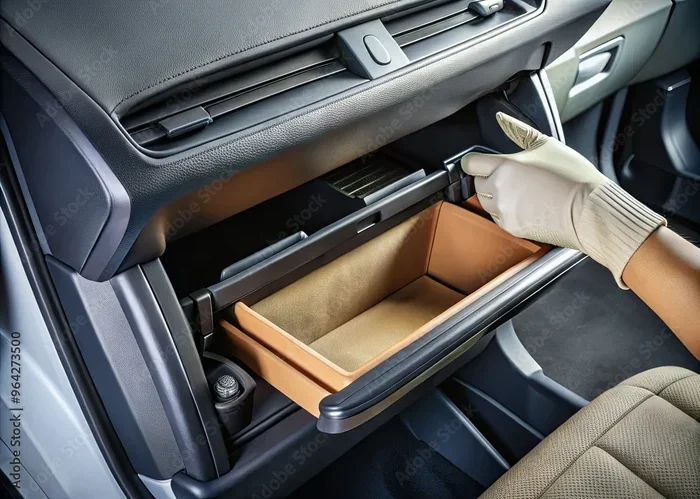
Today’s glove boxes are far more advanced. Most now come with a door, a latch, and even a lock. Many vehicles include a light inside the compartment so you can find items easily. Some luxury cars even offer temperature-controlled glove boxes.
Here are some modern features you might find:
- Locking mechanism for secure storage.
- Interior light for easy access in the dark.
- Temperature control to keep items cool or warm.
- Soft lining to protect fragile items.
- Adjustable shelves for better organization.
These upgrades show how much the glove box has grown in importance. It is no longer just a box. It is a well-designed part of your car’s cabin storage system.
The Role of the Glove Box in Modern Car Design
Modern car designers pay close attention to every inch of interior space. The glove box plays a key role in this process. It helps balance the look and function of the dashboard. A well-designed glove box adds to the overall feel of the car interior while boosting its usefulness.
Car makers now think of the glove box as part of the vehicle storage ecosystem. It works alongside the center console, door pockets, and trunk space to give drivers plenty of options for keeping things tidy.
Common Items You Can Store in Your Glove Box
Now that you understand the purpose of a car glove box, let us talk about what to put in it. The right items can make your driving experience smoother and safer. A well-stocked glove box saves time and reduces stress on the road.
Essential Documents
Every driver should keep important papers in the glove box. These include your registration, insurance card, and vehicle manual. In many places, you are required by law to carry these documents while driving. The glove box keeps them safe and easy to find.
Some drivers also store their roadside assistance membership card here. If you ever need help on the road, having this information handy can make a big difference.
Emergency Supplies
Your glove box is a great spot for emergency items. It is small and enclosed, which keeps things from shifting around while you drive. Consider storing some of these essentials:
- First aid kit with bandages and antiseptic.
- Flashlight with extra batteries.
- Small blanket for cold weather emergencies.
- Reflective warning triangles or flares.
- Multi-tool or basic utility knife.
- Bottled water and non-perishable snacks.
Having these items ready can give you peace of mind every time you hit the road. You never know when an emergency will happen, and the glove box keeps your supplies close at hand.
Everyday Carry Items
Beyond documents and emergencies, the glove box works great for everyday items. These are things you use often but do not need right this second. Here are some ideas:
- Sunglasses or prescription glasses.
- Phone charger and a backup battery.
- Tissues or wet wipes.
- Hand sanitizer.
- Small notebooks and pens.
- Receipts and warranty papers.
- Sunscreen or lip balm.
The key is to keep the glove box organized. If you toss everything in without a plan, it becomes a junk drawer on wheels. A little bit of thought goes a long way.
Seasonal Items
Some drivers use the glove box for seasonal storage. In winter, you might keep gloves, hand warmers, and an ice scraper inside. In summer, sunglasses and sunscreen take priority. Rotating items by season keeps the glove box fresh and useful all year round.
Why the Glove Box Matters for Car Organization
Car organization is more than just keeping things clean. It is about creating a system that works for you. The glove box is a central piece of that system. When used correctly, it makes your entire car feel more spacious and less cluttered.
Reduces Cabin Clutter
Without a designated storage spot, small items end up everywhere. They land on the passenger seat, slide under the console, or get lost in the door pockets. The glove box gives them a home. This simple change can transform the look and feel of your car interior.
Think of the glove box as your car’s hidden storage hub. It is out of sight but easy to reach. That balance between access and tidiness is what makes it so valuable.
Improves Safety
A cluttered car can be a dangerous car. Loose items can slide under the brake pedal or block your view. By keeping small items in the glove box, you reduce distractions and hazards. This is especially important on long drives or in heavy traffic.
Here is a quick comparison of car storage options:
- Glove box: Best for documents, small valuables, and emergency supplies. Enclosed and secure.
- Center console: Good for phones, wallets, and charging cables. Easy to access while driving.
- Door pockets: Ideal for water bottles, maps, and light snacks. Convenient for passengers.
- Trunk: Best for large items, bags, and seasonal gear. Out of the cabin but requires more effort to reach.
Each storage area has its role. But the glove box stands out for its balance of security and convenience. It is the perfect spot for items you need but do not want rolling around the cabin.
Supports Quick Access
When you need your insurance card or registration, you do not want to dig through a pile of stuff. The glove box keeps these items in one place. You open the door, grab what you need, and go. This quick access matters during traffic stops, road trips, and emergencies.
Common Glove Box Problems and How to Fix Them
Like any part of your car, the glove box can develop issues. Most problems are simple to fix and do not require a mechanic. Knowing what to look for can save you time and money.
Sticky or Broken Latch
The most common glove box problem is a sticky latch. Over time, dust and grime build up inside the mechanism. The door starts to stick or will not close properly. A simple fix is to clean the latch with a damp cloth and apply a small amount of silicone lubricant.
If the latch is broken, you may need to replace it. Replacement parts are usually inexpensive and easy to find online. Some drivers even use a small hook-and-loop strip as a temporary fix.
Broken Hinges
The hinge connects the glove box door to the dashboard. If it breaks, the door will hang loose or fall off entirely. This often happens when the box is overloaded. To prevent this, avoid placing heavy items inside and distribute weight evenly.
Replacing a hinge is usually straightforward. You can find replacement parts at most auto parts stores. A quick YouTube tutorial can walk you through the process step by step.
Bad Smells
A glove box that smells bad is not pleasant. Food crumbs, spilled drinks, and forgotten items can all cause odors. The fix is simple: empty the box completely, vacuum out any debris, and wipe the interior with a mild cleaner. Placing a small box of baking soda inside can help absorb lingering smells.
Too Small or Not Enough Space
Some glove boxes feel too small to be useful. If this sounds familiar, you are not alone. Many drivers solve this problem by using small organizers or dividers inside the box. These accessories help you make the most of every inch of space.
Another option is to look for aftermarket glove box inserts. These are designed to fit specific car models and add structure to the compartment. They turn a messy box into an organized storage system.
Expert Tips for Getting the Most From Your Glove Box
You would be surprised how much more useful your glove box can be with a few simple changes. Car enthusiasts and organizers share these tips to help you maximize this often-overlooked space.
Clean It Regularly
Set a reminder to clean out your glove box once a month. Remove all items, wipe down the surfaces, and sort through what you have. Throw away anything you no longer need. This quick habit keeps the compartment fresh and functional.
Use Small Organizers
A small fabric bin or a set of stackable trays can transform your glove box. These organizers keep items from sliding around and make it easy to find what you need. You can find affordable options at most dollar stores or online retailers.
Keep an Emergency Kit Ready
Store a basic emergency kit in the glove box and check it every few months. Make sure the flashlight still works and the first aid supplies are stocked. A ready-to-go kit gives you confidence every time you get behind the wheel.
Do Not Overload It
It can be tempting to stuff as much as possible into the glove box. But overloading it can damage the latch, hinges, and surrounding dashboard. Keep it light and organized. If you need more space, use other storage areas in the car.
Label Your Sections
This might sound like overkill, but it works. Use small labels or colored tabs to mark different sections of your glove box. One section for documents, one for emergency supplies, and one for everyday items. This system makes finding things fast and easy.
The Glove Box and Vehicle Value
Did you know that a well-maintained glove box can even boost your vehicle value? When it is time to sell or trade in your car, buyers notice the little things. A clean, organized interior signals that the car has been well cared for.
On the other hand, a messy or broken glove box can raise red flags. Buyers might assume the rest of the car is neglected too. Taking care of this small compartment shows that you pay attention to details.
Whether you are keeping the car for years or planning to sell it soon, the glove box deserves your attention. It is a small feature with a big impact on both your daily driving experience and your vehicle’s overall value.
Frequently Asked Questions
Can I keep food in my car glove box?
Yes, you can store small snacks in the glove box, but it is not ideal for long-term food storage. Crumbs and spills can attract pests and cause bad smells. If you do keep food items, choose sealed containers and clean the box regularly to avoid mess and odors.
Is it safe to store documents in the glove box?
Yes, the glove box is one of the safest places in the car for documents like registration and insurance cards. The enclosed compartment protects them from sun damage and keeps them organized. Just make sure the latch works properly so nothing falls out while driving.
Can I add a lock to my glove box?
Many glove boxes already come with a built-in lock. If yours does not, you can add an aftermarket lock or use a small combination padlock. This is a great way to keep valuables secure, especially if you park in public areas frequently.
Why does my glove box not close properly?
A glove box that will not close is usually caused by a sticky latch, broken hinge, or overloading. Start by cleaning the latch and applying lubricant. If that does not work, check the hinges for damage. Overloading the box can also put stress on the closing mechanism, so try removing some items.
Can I replace a broken glove box myself?
Yes, most glove box repairs are simple DIY jobs. Replacement latches, hinges, and even entire units are widely available and affordable. You can find step-by-step guides online for almost every car model. If you are not comfortable with basic repairs, a mechanic can handle it quickly and affordably.
Do all cars have a glove box?
Nearly all modern cars come with a glove box as a standard feature. Some older or very basic models may not include one. Electric vehicles and newer car designs sometimes offer a slightly different version, such as a cooled or heated compartment, but the basic concept remains the same across most vehicles.
Conclusion
The purpose of a car glove box goes much deeper than most people realize. It is not just a small box on the dashboard. It is a vital part of your vehicle storage system, your car organization strategy, and your daily driving comfort. From protecting important documents to storing emergency supplies, the glove box earns its place in every car cabin.
Now that you know what the glove box is for, it is time to use it better. Clean it out, stock it with the right items, and keep it organized. These simple steps will make your car feel tidier, safer, and more enjoyable to drive.
Take a few minutes today to give your glove box the attention it deserves. A little effort now pays off every time you get behind the wheel. Your car and your peace of mind will thank you.