The Ultimate Guide to 12v Car Cigarette Lighter Socket
The 12v car cigarette lighter socket is one of the most useful features in any vehicle. Whether you need to charge your phone, run a GPS device, or power an air compressor, this small port delivers reliable 12-volt power on the go. In this guide, we break down how the socket works, common issues, replacement tips, and the best accessories you can plug into it.
You have probably used it a hundred times without thinking twice. The little round slot in your dashboard that powers your phone charger or air pump. That is the 12v car cigarette lighter socket. It is one of the most overlooked yet essential features in any vehicle. Whether you drive a sedan, truck, or SUV, this socket keeps your gadgets running and your tires inflated. In this guide, we will cover everything you need to know about this handy car accessory power port.
The 12v car cigarette lighter socket has a long history. It was originally designed to heat up cigarette lighters. But over time, car makers realized this power source could do so much more. Today, it is the go-to power outlet for countless automotive accessories. From phone chargers to portable fridges, the possibilities are huge. Let us dive deep into how this socket works and how to get the most out of it.
Key Takeaways
- The 12v car cigarette lighter socket delivers 12 volts of DC power to run various car accessories.
- Common problems include blown fuses, loose connections, and corroded contacts that are easy to fix.
- You can use the socket for phone chargers, inverters, air pumps, and many other devices.
- Replacing a faulty socket is a simple DIY job that requires basic tools and a new replacement unit.
- Always check the fuse box first when your car power outlet stops working.
- Not all 12v sockets are the same size or design, so match your adapter to your vehicle.
- Using the right wattage and fuse rating protects your vehicle’s electrical system.
📑 Table of Contents
What Is a 12v Car Cigarette Lighter Socket?
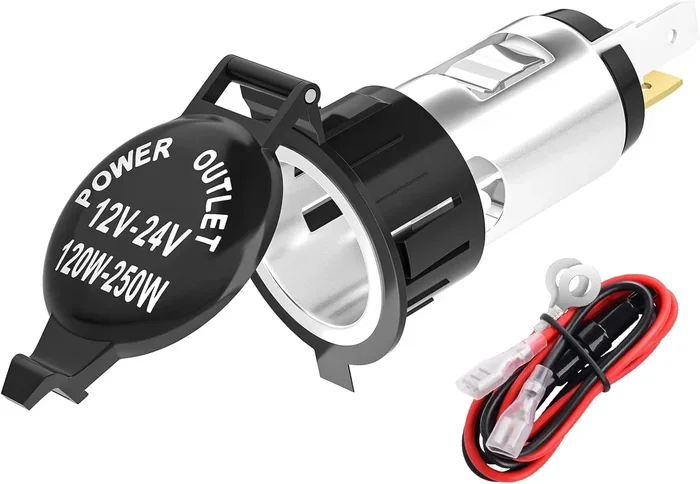
The 12v car cigarette lighter socket is a standard power outlet found in almost every vehicle. It provides direct current (DC) power at 12 volts. This is the same voltage as your car battery. The socket has a center pin that connects to the positive terminal and a metal shell that connects to the negative terminal. When you insert a compatible plug, the circuit closes and power flows to your device.
The official name has changed over the years. Many people still call it the cigarette lighter, but it is more accurately known as the 12v power outlet or car power socket. The socket follows a standard size and design set by the automotive industry. This means most 12v accessories will fit any standard car socket. You can find this power port in the center console, dashboard, or even in the rear of some vehicles.
How Does the Socket Deliver Power?
The 12v cigarette lighter socket works as a simple electrical circuit. Your car battery supplies the power. The socket acts as the access point. When you plug in a 12v car charger, the device draws current from the battery through the socket. A fuse in the socket or the car’s fuse box protects the circuit from overloads.
The standard fuse rating for most sockets is 10 to 20 amps. This means the socket can safely handle up to 120 to 240 watts of power. If you try to draw more power than the fuse allows, the fuse blows and cuts the circuit. This is a safety feature that prevents wires from overheating. Always check your vehicle manual to find the correct fuse rating for your car power outlet.
Common Problems With the 12v Socket
Like any electrical component, the 12v car cigarette lighter socket can develop problems over time. The good news is that most issues are easy to diagnose and fix. Here are the most common problems you might encounter.
Blown Fuse
A blown fuse is the number one reason a 12v socket stops working. If nothing plugs in and charges, a dead fuse is usually the culprit. The fuse sits either inside the socket itself or in the car’s main fuse box. To check it, pull the fuse out and look at the metal strip inside. If the strip is broken, you need a replacement fuse. Make sure to use the correct amperage rating. Using a higher-rated fuse can damage your vehicle’s electrical system.
Loose or Worn-Out Connection
Over time, the center pin inside the socket can become loose. This happens from frequent plugging and unplugging. When the connection is loose, your accessories may not get consistent power. You might notice your phone charger keeps falling out or your device only charges when you wiggle the plug. A worn-out socket needs replacement to restore a solid connection.
Corrosion and Dirt Buildup
Dust, moisture, and dirt can accumulate inside the socket. This causes corrosion on the metal contacts. Corrosion blocks the electrical connection and prevents your devices from charging. You can clean the socket with a can of compressed air or a small brush. For heavier corrosion, use a cotton swab dipped in electrical contact cleaner. Keeping the socket clean helps maintain a strong connection.
Socket Not Getting Power at All
Sometimes the socket has no power at all. This could mean a wiring issue or a blown fuse in the car’s main fuse box. Check the fuse box diagram in your owner’s manual. Look for the fuse labeled “accessory” or “cigarette lighter.” Replace it if it is blown. If the new fuse blows again right away, you may have a short circuit that needs professional diagnosis.
How to Replace a 12v Car Cigarette Lighter Socket
Replacing a faulty 12v cigarette lighter socket is a straightforward DIY project. You do not need to be a mechanic to do it. With the right tools and a replacement socket, you can have it done in about 15 to 30 minutes.
What You Will Need
- Replacement 12v socket (match the style to your vehicle)
- Screwdriver set (Phillips and flathead)
- Wire stripper
- Multimeter (to test for power)
- Electrical tape
- Fuse puller
Step-by-Step Replacement Guide
- Turn off the ignition and remove the key. Safety comes first. Make sure the car is completely off before you start working on any electrical component.
- Locate the fuse for the socket. Check your owner’s manual for the fuse box location and the correct fuse. Remove the old fuse and replace it with a new one to test if the socket works. If the new fuse blows immediately, skip to step 6.
- Remove the old socket faceplate. Use a screwdriver to unscrew the retaining ring or trim piece around the socket. Carefully pull the faceplate out.
- Disconnect the wiring. Use a multimeter to confirm no power is reaching the socket. Then disconnect the wiring harness from the back of the socket. Take a photo of the wiring before you disconnect it so you can reference it later.
- Remove the old socket. Unscrew the mounting nut that holds the socket in place. Pull the socket out from the dashboard.
- Install the new socket. Feed the wiring through the new socket and mount it in the dashboard hole. Secure it with the mounting nut. Reconnect the wiring harness to the back of the new socket.
- Test the new socket. Insert a fuse and plug in a device to test the connection. If the device powers up, your replacement was successful.
Always make sure the replacement socket matches your vehicle’s specifications. Some cars use a standard-sized socket while others need a smaller or deeper unit. Check the part number before you buy.
Best Accessories for Your 12v Socket
The real magic of the 12v car cigarette lighter socket is the wide range of accessories you can use with it. This car accessory power port opens up a world of possibilities for drivers. Here are some of the best and most popular accessories you can plug in.
Phone and Device Chargers
The most common use for the 12v socket is charging your phone. A simple 12v car charger with USB ports can keep your devices powered on long road trips. Look for chargers with fast-charging support and multiple USB ports. This way, you can charge your phone and tablet at the same time without any hassle.
Car Power Inverter
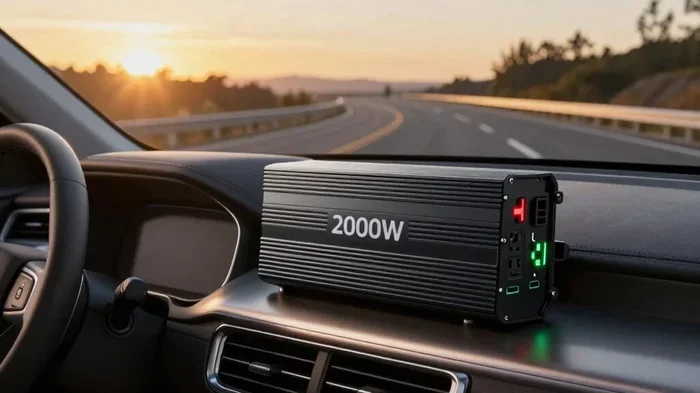
A 12v power inverter converts DC power from your socket into AC power. This lets you run household devices in your car. You can power a laptop, a small TV, or even a gaming console. Choose an inverter that matches your wattage needs. For most users, a 150-watt inverter works great for everyday use.
Portable Air Compressor
A 12v air compressor plugs directly into your socket and inflates your tires on the go. This is a lifesaver for road trips and emergencies. Most portable compressors can fill a standard car tire in just a few minutes. Look for models with a built-in pressure gauge so you can monitor the tire pressure accurately.
Car Refrigerator and Cooler
Love cold drinks on road trips? A 12v car fridge plugs right into your socket and keeps your food and drinks cold. These compact coolers are perfect for camping trips, beach days, or long drives. They run directly off your car battery, so you do not need ice or a separate power source.
GPS Navigation Devices
Even though most people use phone GPS now, a dedicated car GPS device still has its fans. These plug into the 12v socket and provide turn-by-turn navigation. They are especially useful for people who travel frequently or drive in areas with poor cell signal.
Car Vacuum Cleaner
A portable car vacuum cleaner powered by the 12v socket makes cleaning your vehicle easy. These small but powerful vacuums can suck up crumbs, dirt, and pet hair in minutes. They are compact enough to store in your trunk and use whenever you need them.
| Accessory | Average Power Draw (Watts) | Best For |
|---|---|---|
| Phone Charger | 5 – 15 | Charging smartphones and tablets |
| Power Inverter | 100 – 300 | Running AC devices like laptops |
| Air Compressor | 100 – 150 | Tire inflation on the go |
| Car Fridge | 40 – 60 | Keeping food and drinks cold |
| GPS Device | 2 – 5 | Navigation without cell signal |
| Car Vacuum | 20 – 50 | Interior car cleaning |
Always add up the total wattage of all devices you plan to use at the same time. Stay well below the 120 to 240-watt limit of your socket to avoid blowing a fuse.
Tips for Using Your 12v Socket Safely
Using your 12v car cigarette lighter socket safely is important. A few simple precautions can protect your vehicle and your devices.
- Check the fuse rating before plugging in high-wattage devices. Never exceed the maximum wattage your socket can handle.
- Do not leave devices plugged in when the engine is off. This can drain your car battery and leave you stranded.
- Use quality adapters and cables. Cheap accessories can overheat and cause electrical problems.
- Keep the socket clean and free of debris. Dirt and moisture can cause poor connections or even short circuits.
- Unplug devices when not in use. This prevents unnecessary power draw and reduces wear on the socket.
- Use a surge protector for expensive electronics. A small surge protector adds an extra layer of protection for your devices.
Following these simple tips will keep your 12v socket and your devices safe. A little care goes a long way in extending the life of your car’s electrical system.
12v Socket vs. USB Ports: What’s the Difference?
Modern vehicles often come with both 12v sockets and USB ports. While both provide power, they serve different purposes. The 12v car cigarette lighter socket delivers higher wattage and is better suited for power-hungry devices. USB ports provide lower power output and are ideal for charging phones and small devices.
If you need to run a GPS device, air compressor, or car fridge, the 12v socket is your best option. USB ports work great for phones, earbuds, and portable speakers. Many drivers find that having both options gives them the most flexibility. Some newer cars even come with USB-C ports that can deliver higher wattage, but they still cannot match the power output of a 12v socket.
When to Seek Professional Help
Most 12v socket issues can be fixed at home with basic tools. But some problems require a professional touch. If you notice a burning smell near the socket, see visible damage to the wiring, or experience frequent blown fuses, it is time to see a mechanic. These could be signs of a deeper electrical issue that needs expert diagnosis. Never ignore warning signs. A small problem today can become a big and expensive repair tomorrow.
Also, if you are not comfortable working with your car’s electrical system, it is perfectly fine to visit a shop. A qualified mechanic can diagnose and fix any 12v socket problem quickly and safely. Sometimes paying for professional help is the smartest choice you can make.
Conclusion
The 12v car cigarette lighter socket is a simple yet incredibly useful feature in every vehicle. It powers your chargers, inverters, air compressors, and countless other accessories. Understanding how it works, how to troubleshoot common problems, and how to use it safely makes you a smarter driver. Whether you need a simple replacement or want to upgrade your setup with new accessories, the 12v socket has you covered. Keep your socket clean, check your fuses regularly, and always use quality accessories. Your 12v car cigarette lighter socket will serve you well for many years to come.
Now that you know everything about this essential car component, you can confidently tackle any issue and make the most of your vehicle’s power outlet. Happy driving and happy charging.
Frequently Asked Questions
Can I use a 12v socket while the car is turned off?
Yes, you can use the 12v car cigarette lighter socket with the ignition off, but only for a short time. Extended use will drain your car battery. Most experts recommend keeping the engine running if you plan to use accessories for more than 15 to 20 minutes.
Why does my 12v socket keep blowing fuses?
A repeatedly blown fuse usually means there is a short circuit or too much wattage being drawn. Check all connected devices and unplug them one by one to find the culprit. If the problem persists, the socket wiring itself may be damaged and need professional inspection.
What is the maximum wattage I can safely use with my 12v socket?
Most 12v car cigarette lighter sockets are rated for 10 to 20 amps. At 12 volts, this translates to 120 to 240 watts maximum. Always stay below this limit to avoid blowing a fuse or damaging your vehicle’s electrical system.
Can I install a 12v socket in a car that does not have one?
Yes, you can install an aftermarket 12v socket in any vehicle. You will need to run a wire from the fuse box to the desired location. This is a moderately difficult DIY project, but many car owners successfully complete it with basic electrical knowledge and tools.
Is the 12v car cigarette lighter socket the same as a 12v accessory outlet?
Yes, they are the same thing. The name “cigarette lighter socket” is outdated, but the term is still widely used. The proper name is 12v accessory outlet or 12v power socket. They all refer to the same standard 12-volt DC power port in your vehicle.
How do I clean a corroded 12v socket?
Start by spraying compressed air into the socket to remove loose debris. Then dip a cotton swab in electrical contact cleaner and gently rub the metal contacts. Let it dry completely before plugging in any devices. Regular cleaning prevents buildup and keeps your car power outlet working reliably.