33 Percent Window Tint: Is It Legal in Your State
33 percent window tint is a popular choice for car owners who want a balance of style, comfort, and sun protection. Whether you are looking to reduce glare or keep your car cooler, understanding the window tint law in your state is essential. This guide breaks down the legal tint limit, penalties for violations, and everything you need to know about car window tinting regulations.
Have you been thinking about adding 33 percent window tint to your car? It is a smart move for anyone who wants to cut down on glare, block harmful UV rays, and give their vehicle a sleek look. But before you head to the shop, there is one big question you need to answer: is it even legal where you live?
The truth is, window tinting laws vary a lot from state to state. What is perfectly fine in one place could land you a ticket in another. And it is not just about the front windshield. Every state has its own rules for front side windows, rear side windows, and even the back window. So, let us dive into everything you need to know about 33 percent window tint and whether it is street-legal in your area.
If you own a car, you already know how important car care is. Tinting your windows is one of those upgrades that protects both you and your vehicle. It keeps the interior from fading, reduces heat inside the cabin, and adds a layer of privacy. But the key is doing it the right way. Understanding the legal tint limit in your state saves you money, hassle, and the headache of dealing with law enforcement.
Key Takeaways
- 33 Percent Window Tint is legal in many states but rules vary significantly by location and vehicle type.
- Visible Light Transmission (VLT) is the key metric used to measure tint darkness and legality.
- Penalties for illegal tint can include fines, ticket citations, and even mandatory removal of the film.
- Front side windows often have stricter rules than rear windows in most US states.
- Medical exemptions may allow darker tint levels for individuals with specific health conditions.
- Professional installation ensures compliance with local automotive tint regulations and avoids costly mistakes.
📑 Table of Contents
- What Is 33 Percent Window Tint?
- Is 33 Percent Window Tint Legal in All States?
- Why Do States Regulate Window Tint?
- Potential Penalties for Illegal Tint
- How to Stay Compliant With Tint Laws
- Medical Exemptions for Darker Tint
- Popular Tint Shades Compared
- Common Mistakes People Make With Car Window Tinting
- Frequently Asked Questions
- Final Thoughts
What Is 33 Percent Window Tint?
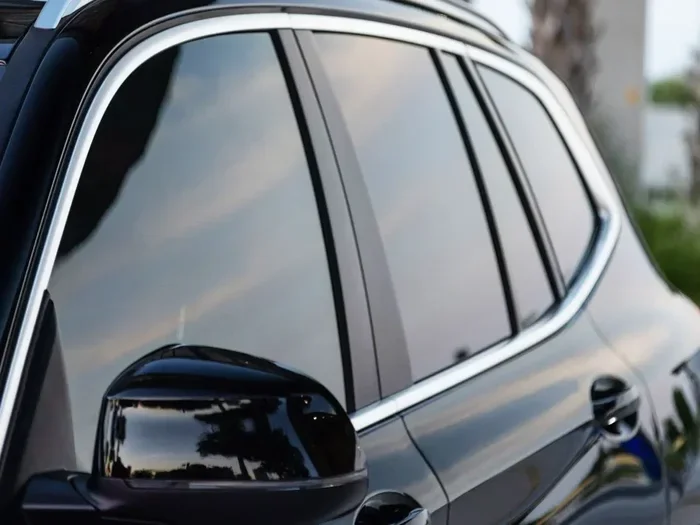
When we talk about 33 percent window tint, we are referring to the Visible Light Transmission (VLT) percentage. VLT measures how much light the tint film allows to pass through your car window. A 33 percent tint means that one-third of the available light gets through. The rest is blocked. That is a medium tint level. It is darker than a clear factory window but lighter than a heavily tinted one.
Here is a simple way to think about it. Imagine standing behind a window on a sunny day. With a 33 percent VLT, you will notice a visible tint. It changes the look of the car and reduces brightness inside. But you can still see through it clearly during the day. At night, visibility might drop a bit, especially on darker roads.
Most people choose this level because it strikes a good balance. You get real benefits without going too dark. It is a favorite among car owners who want a polished look without running into legal trouble. If you are shopping for automotive tint, 33 percent is one of the most popular options available.
How VLT Percentage Works
The VLT scale goes from 0 to 100. A 0 percent tint would block all light. That is essentially an opaque window. A 100 percent tint means no tint at all, which is just a regular factory window. So 33 percent sits right in the middle of the range. It is a noticeable tint but not an extreme one.
Different states set different VLT limits for various windows. For example, some states allow a 33 percent tint on rear windows but require lighter tint on front side windows. Others have a blanket rule for all windows. This is why checking your specific state tint laws matters so much before you make any purchase.
Is 33 Percent Window Tint Legal in All States?
The short answer is no. Window tint law differs across the United States. Some states are very lenient, while others are strict. Your car window regulations depend on where you live, what kind of car you drive, and which window you are tinting.
Let us look at how this breaks down by region. In many western and southern states, a 33 percent tint on the front side windows is perfectly fine. States like Arizona, Nevada, and New Mexico tend to have more relaxed rules. They understand the need for sun protection in hot climates. But in northern states like New York or Massachusetts, the rules are tighter. Front side windows often need to let in more light, sometimes 70 percent or higher.
Front Side Window Rules
The front side windows usually face the strictest rules. This is because law enforcement and safety advocates worry about visibility. A dark tint on the driver and passenger side windows can make it harder to see people outside the car. It can also reduce the driver’s ability to spot pedestrians at night.
In most states, the front side windows must have a VLT of at least 50 percent or higher. That means a 33 percent tint on the front side windows would be illegal in those states. However, some states do allow a 33 percent tint on front side windows. Always double-check your local tint law before making a decision.
Rear Window and Rear Side Window Rules
The good news is that rear windows often have more lenient rules. Many states allow a 33 percent tint on the rear side windows and even the back window. This is where you can really enjoy the benefits of UV protection and heat rejection without worrying about legal issues.
Some states require that both rear side windows and the back window have a certain VLT level. Others only regulate the rear side windows. And a few states have no restrictions on rear windows at all. The key is knowing which category your car falls into. Sedans, SUVs, and trucks may all have different rules in the same state.
Why Do States Regulate Window Tint?
It is not just about giving police another reason to pull you over. States regulate car window tinting for several important reasons. The first is safety. Tint that is too dark reduces visibility for the driver and for other drivers on the road. In low-light conditions, a very dark tint can make it nearly impossible to see what is happening outside the car.
The second reason is law enforcement. Officers need to see inside a vehicle during traffic stops. If a car has heavily tinted windows, it creates a safety concern for the officer. This is why many states set strict limits on how dark the front side windows can be.
Health and Safety Benefits
On the flip side, tinting has real benefits. UV protection from the sun helps prevent skin damage and reduces the risk of skin cancer. It also protects your car’s interior from fading and cracking. A good tint film blocks a significant amount of solar heat, keeping the cabin cooler on hot days.
People who spend a lot of time driving, like rideshare drivers or commuters, benefit greatly from window film that reduces glare and heat. A 33 percent tint offers a meaningful level of protection without going overboard on darkness.
Privacy and Comfort
Let us be honest. One of the biggest reasons people tint their windows is privacy. A 33 percent tint makes it harder for people outside to see into your car. This is especially valuable when you are parked in a busy area or leaving valuables in the vehicle.
Comfort matters too. Driving in direct sunlight all day can be exhausting. A properly tinted window reduces eye strain and keeps the interior temperature more bearable. If you have ever stepped into a car that has been sitting in the sun, you know how brutal that heat can be. Good tinting changes that experience completely.
Potential Penalties for Illegal Tint
Getting caught with an illegal tint can cost you. The penalties vary by state, but they are never fun. Most states classify tint violations as a non-moving traffic violation. That means it is not as serious as speeding or running a red light, but it still comes with consequences.
Fines and Fees
In many states, an illegal tint results in a fine. The amount depends on where you live. Some states charge a flat fee of around $50 to $100. Others can hit you with fines of $200 or more for a first offense. Repeat offenses often come with higher penalties. Some states also require you to pay court fees and administrative costs on top of the base fine.
If you have a 30 lakh car or any vehicle you have invested in, you do not want a tint violation to add unnecessary expenses. The fine is just the beginning. Some states also charge fees to remove the illegal tint and bring the car back into compliance.
Vehicle Inspection Failures
Many states require annual or biannual vehicle inspections. An illegal tint will cause your car to fail the inspection. That means you cannot register your vehicle or renew your plates until the tint is removed or replaced with a compliant film. This can be a real hassle, especially if you rely on your car daily.
Mandatory Removal Orders
In some cases, law enforcement can order you to remove the tint immediately. If you refuse, you could face additional penalties, including having your car impounded. This is rare but it does happen. It is always better to stay on the right side of the window tinting regulations in your area.
How to Stay Compliant With Tint Laws
Staying compliant is easier than you think. The first step is to research your state’s specific tint laws. Most state DMV websites list the legal VLT limits for each type of window. You can also check with local law enforcement or a trusted tint installation professional.
Choose the Right Tint Film
Not all tint films are created equal. Some are designed specifically to meet legal VLT requirements. When you shop for car window film, look for products that clearly state their VLT percentage. A reputable installer will also help you choose a film that keeps you within the legal limits.
If you are unsure whether a 33 percent tint is right for your vehicle, ask the installer. They deal with these rules every day and can guide you toward a compliant option. This is especially important if you live in a state with strict car window regulations.
Get Professional Installation
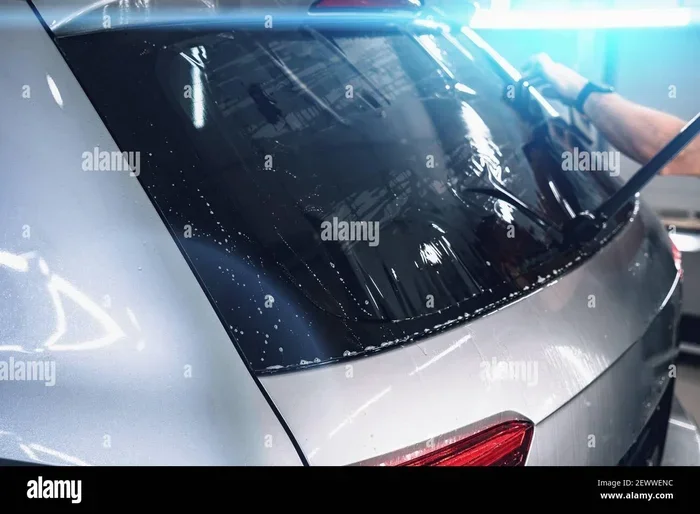
DIY tint kits are tempting because they are cheaper. But they come with risks. Improper installation can lead to bubbles, peeling, and uneven coverage. Worse, you might end up with a tint that does not meet the VLT standard you thought it did. Professional installers use quality materials and have the experience to ensure the job is done right.
A good installer also knows the local automotive tint laws. They can recommend films that give you the look and protection you want while keeping you fully legal. Think of it as an investment in both your car and your peace of mind.
Keep Your Documentation
Once your tint is installed, keep the receipt and any certification documents. Some states require proof that your tint meets legal standards. If you get pulled over, having this paperwork can save you from a ticket. It shows the officer that you took the time to do things the right way.
Medical Exemptions for Darker Tint
Some people need darker tint for medical reasons. Conditions like lupus, photosensitivity, or certain skin disorders make exposure to sunlight dangerous. If you have a medical condition that requires you to limit sun exposure, you may qualify for a medical exemption from your state’s tint laws.
Each state has its own process for applying for a medical exemption. You typically need a letter from your doctor explaining your condition and why darker tint is necessary. This letter is then submitted to the DMV or the appropriate state agency. If approved, you receive a certificate that you should keep in your vehicle at all times.
Keep in mind that even with a medical exemption, some restrictions may still apply. The exemption usually allows for darker tint on specific windows. It does not give you a free pass to tint every window as dark as you want. Always check with your state’s DMV for the exact rules.
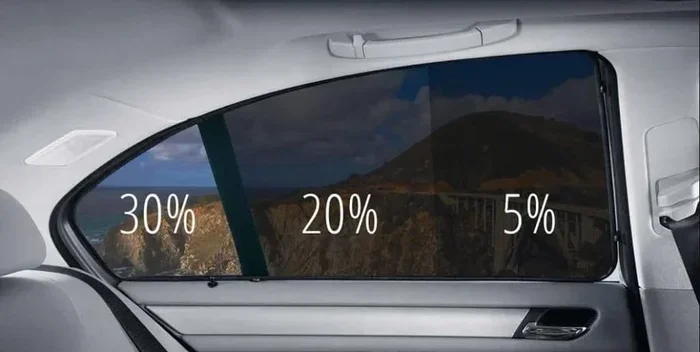
Popular Tint Shades Compared
Not sure where 33 percent fits among other tint options? Here is a quick comparison of common tint shades and what they offer.
- 5 Percent (Limousine Tint): Very dark. Almost no light passes through. Illegal on most front windows in every state.
- 20 Percent Tint: Dark and stylish. Often illegal on front side windows. Legal on rear windows in some states.
- 33 Percent Tint: Medium tint. A popular choice for a balanced look. Legal on front side windows in many states.
- 50 Percent Tint: Light tint. Offers decent UV protection while staying well within legal limits everywhere.
- 70 Percent Tint: Nearly clear. Barely noticeable. Often used for UV protection without changing the car’s appearance.
As you can see, 33 percent hits a sweet spot. It is dark enough to make a real difference in comfort and protection, but light enough to stay legal in many states. If you want a tint that turns heads without getting you pulled over, this is a great option to consider.
Common Mistakes People Make With Car Window Tinting
Avoiding mistakes can save you time, money, and legal trouble. Here are some of the most common errors car owners make when tinting their windows.
- Not checking local laws before tinting. This is the number one mistake. Rules change from state to state and even from city to city.
- Choosing the cheapest film available. Cheap films fade quickly, bubble, and may not meet VLT standards. Invest in quality.
- Tinting all windows the same darkness. Different windows have different legal limits. What is fine for the rear window may be illegal on the front side window.
- Ignoring the rear windshield rules. Some states restrict tint on the rear windshield, even if it is a 33 percent film. Always check.
- Skipping professional installation. DIY kits save money upfront but often lead to costly mistakes and rework.
If you are buying a used car or considering a vehicle upgrade, it is worth checking the current tint condition. For instance, if you are looking at 2nd hand cars in Bangalore or any other city, pre-existing tint may not be compliant with local laws. Always verify before purchasing.
Similarly, if you are in the market for a new or used car and want to tint it, consider the overall vehicle regulations. A 4 seater sports car or a 4 cylinder hatchback car may have different tint rules depending on the state. Always factor in window tinting as part of your car ownership planning.
Frequently Asked Questions
Can I get a ticket for having a 33 percent window tint?
Yes, if your state or local law requires a higher VLT on the windows you have tinted. Always verify the legal limit for your specific vehicle type and window before tinting. A ticket is usually the first consequence, but repeated violations can lead to higher fines and mandatory removal.
Is 33 percent tint good for UV protection?
Absolutely. A 33 percent tint blocks a significant amount of UV radiation. It helps protect your skin and keeps your car’s interior from fading. For maximum UV protection, look for films that specifically advertise UV blocking capabilities regardless of the VLT percentage.
Can I tint my front windshield with a 33 percent film?
In most states, tinting the front windshield is illegal or heavily restricted. Many states only allow a small strip at the top of the windshield, known as an visor strip. Always check your state’s rules before tinting the windshield.
Does a 33 percent tint affect night driving visibility?
It can, but usually only slightly. A 33 percent tint is medium darkness, so most drivers find it manageable at night. However, if you drive frequently on poorly lit roads, you may notice a small reduction in visibility. Choose a high-quality film that maintains clarity even in low light.
How much does it cost to tint windows at 33 percent?
Costs vary depending on the vehicle size, film quality, and where you live. On average, a full vehicle tint job with 33 percent film ranges from $150 to $400. Premium films with advanced UV and heat rejection technology may cost more but last significantly longer.
Can I remove a 33 percent tint and replace it with a lighter one?
Yes, you can remove existing tint and replace it with a lighter film. This is a smart move if you find out your current tint is illegal. Professional removal ensures no damage to the windows and allows for a clean, compliant installation of a new film.
Final Thoughts
33 percent window tint is a fantastic option for car owners who want style, comfort, and protection without crossing legal lines. It offers a great balance of darkness and visibility. Whether you are tinting for UV protection, heat rejection, or simply a better look, this shade level delivers on all fronts.
The key takeaway is simple. Know your local window tint law before you commit. Regulations differ from state to state, and what works in one place may not work in another. A little research goes a long way in keeping you legal, safe, and happy with your tint.
If you are ready to tint your car, choose a reputable installer, pick a quality film, and keep your documentation handy. And if you are in the market for a vehicle, consider the tint regulations as part of your decision. Whether you are looking at a 2000cc car, a 1500cc to 2000cc car, or even a 3 cylinder car, window tinting should always be part of the conversation. Stay informed, stay compliant, and enjoy the ride with the perfect tint for your needs.