70 Percent Window Tint Explained Why People Love It
70 percent window tint is a light tint film that lets in most light while blocking harmful UV rays and reducing heat. Car owners love it because it offers protection without darkening windows too much. It stays within most legal limits and keeps your car cooler and more comfortable.
70 percent window tint is one of the most popular choices for car owners who want protection without darkness. If you have ever felt the burning heat of the sun hitting your dashboard, you know how frustrating it can be. A light tint film changes everything. It keeps your car cooler, protects your skin, and adds a clean, polished look. 70 percent window tint lets in plenty of natural light while still blocking harmful rays. In this guide, we will explain everything you need to know. You will learn about the benefits, the laws, the costs, and how to choose the right film for your vehicle.
Whether you are a daily commuter or a weekend road tripper, window tint makes a real difference. It is not just about looks. It is about comfort, safety, and protecting your investment. Many drivers choose a lighter tint because it keeps them on the right side of the law. 70 percent window tint gives you all the perks of darker films without the risks. Let us dive into why so many people are making the switch.
Key Takeaways
- 70 percent window tint allows 70% of visible light to pass through, keeping your car bright and legal.
- It blocks up to 99% of UV rays, protecting your skin and your car’s interior from sun damage.
- Most states allow 70% tint on all windows, making it one of the most universally legal options.
- The film reduces solar heat, which can lower your car’s interior temperature by up to 15 degrees.
- Installation is straightforward, and it costs less than darker tint films.
- It adds a subtle, sleek look without making your car look overly tinted or dark.
- It works well for people who want the benefits of tinting without sacrificing visibility.
📑 Table of Contents
What Is 70 Percent Window Tint?
When we talk about window tint percentage, we are referring to Visible Light Transmission, or VLT. VLT measures how much light the film allows to pass through your glass. A 70 percent tint means that 70% of light gets through, and 30% is blocked. This makes it one of the lightest tint options available. It looks almost clear to the naked eye but still provides meaningful protection.
Tint films come in a range of percentages. Darker tints like 5% or 20% limit light a lot. A 70 percent window tint sits at the lighter end of the spectrum. It is perfect for people who want subtle protection. You get the benefits of automotive tint without dramatically changing how your car looks. The film is thin, nearly invisible, and easy to apply.
How VLT Works
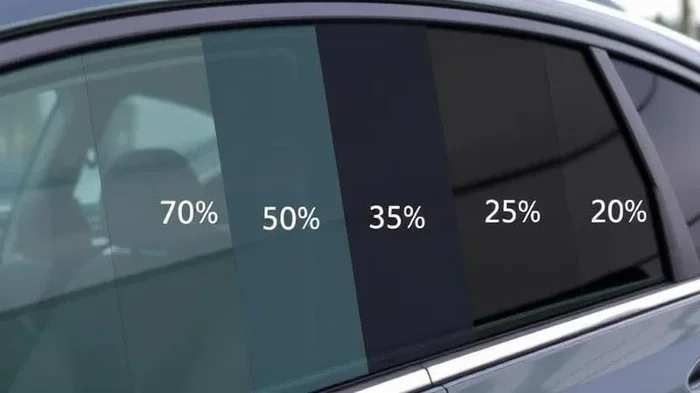
Visible Light Transmission is the key metric for all tinted windows. The lower the percentage, the darker the film. Here is a simple breakdown:
- 5% VLT – Very dark, almost no light passes through (limo tint).
- 20% VLT – Dark tint, limited visibility at night.
- 35% VLT – Medium tint, popular for sedans and SUVs.
- 50% VLT – Light tint, good balance of style and function.
- 70% VLT – Very light tint, nearly clear with added protection.
A 70 percent window tint falls into the lightest category. It barely changes the appearance of your car. Yet it still blocks a significant amount of solar energy and ultraviolet radiation. This makes it ideal for people who want function over flash.
Why People Love 70 Percent Window Tint
The popularity of 70 percent window tint has grown fast in recent years. More drivers are discovering that a light tint can do wonders. Here are the top reasons people choose this option for their vehicles.
UV Protection for Your Skin and Car Interior
One of the biggest benefits of automotive tint is blocking UV rays. The sun emits harmful ultraviolet radiation that can damage your skin over time. It also fades your dashboard, seats, and steering wheel. A 70 percent window tint film can block up to 99% of UV rays. This keeps your skin safer during long drives and preserves the look of your car’s interior.
Heat Rejection and Comfort
Have you ever sat in a hot car and felt like the steering wheel was going to melt? Solar heat buildup is a real problem, especially in summer. 70 percent window tint rejects a good amount of solar energy. It can lower your car’s interior temperature by several degrees. This means a more comfortable ride from the moment you sit down. You do not need to blast the air conditioning as hard, which can also improve fuel efficiency.
Glare Reduction for Safer Driving
Sun glare is dangerous. It can blind you for a split second and cause an accident. Glare reduction is one of the underrated benefits of window tint. A 70 percent window tint cuts down on harsh sunlight and headlight glare from other cars at night. This makes your drives safer, especially during sunrise, sunset, and nighttime hours.
Privacy Without Going Too Dark
Everyone likes a little privacy in their car. 70 percent window tint adds a subtle layer of privacy. People outside cannot see into your car as easily, but you can still see out clearly. This is a great balance for daily driving. You get the added security without making your car feel enclosed or dark.
Subtle, Clean Aesthetic
Not everyone wants a dark, moody look. Some drivers prefer a clean, factory-fresh appearance. A 70 percent window tint gives your car a polished finish. It looks professional and understated. The tint is barely noticeable, so your car still looks stock from a distance. It is a great choice for people who want a refined look without standing out too much.
Legal Requirements and Tint Laws
Tint laws vary by state and country. Before you buy any window film, you need to know the rules. This section covers the basics of tint laws and how 70 percent window tint fits into the legal picture.
Is 70 Percent Tint Legal Everywhere?
In most U.S. states, 70 percent window tint is legal on all windows. Because it is so light, it falls well within the allowed VLT limits for front side windows, rear side windows, and rear windshield. Some states require a minimum VLT of 70% for front windows, which means a 70% tint is right at the legal limit. Always check your local window tint regulations before installation.
Common Tint Law Guidelines
Here are some general guidelines that apply to many states:
- Front side windows usually need to allow at least 50-70% of light in.
- Rear side windows and rear windshield often have looser limits.
- Some states require a sticker or certificate proving the tint is legal.
- Medical exemptions may allow darker tints for certain conditions.
- Reflective or mirrored tints are often restricted or banned.
The good news is that 70 percent window tint rarely causes legal issues. It is one of the safest choices if you want to stay compliant. If you travel between states, a light tint is less likely to get you pulled over or fined.
Benefits of 70 Percent Window Tint vs. Darker Tints
Choosing the right tint percentage can be tricky. Let us compare 70 percent window tint with some darker options so you can make an informed decision.
| Feature | 70% Tint | 50% Tint | 35% Tint | 20% Tint |
|---|---|---|---|---|
| Light Transmission | 70% | 50% | 35% | 20% |
| UV Protection | Up to 99% | Up to 99% | Up to 99% | Up to 99% |
| Heat Rejection | Moderate | Good | Very Good | Excellent |
| Night Visibility | Excellent | Good | Fair | Poor |
| Legal in Most States | Yes | Yes | Yes (varies) | Yes (varies) |
| Aesthetic Look | Nearly clear | Subtle | Noticeable | Dark |
| Privacy Level | Low | Moderate | Good | High |
As you can see, 70 percent window tint offers the best visibility and legal compliance. It is ideal for people who prioritize safety and comfort over a dramatic look. Darker tints provide more heat rejection and privacy, but they also reduce visibility and may not be legal everywhere.
How Is 70 Percent Window Tint Installed?
Installing window tint is easier than most people think. You can do it yourself or hire a professional. Let us walk through both options.
DIY Installation
Many 70 percent window tint kits come with everything you need. You get the pre-cut film, a spray solution, a squeegee, and instructions. Here is a quick overview of the process:
- Clean your windows thoroughly with a glass cleaner.
- Spray the window with the application solution.
- Peel the backing off the film and place it on the wet glass.
- Use the squeegee to push out bubbles and excess liquid.
- Let it cure for 2-4 days before rolling down the windows.
DIY installation saves money, but it takes patience. A 70 percent tint is easier to apply than darker films because it is more forgiving with bubbles and alignment. Still, take your time and work in a dust-free environment.
Professional Installation
If you want a flawless result, go with a professional. A trained installer has the tools and experience to apply the film perfectly. They can also advise you on the best tint film for your specific vehicle. Professional installation typically costs between $100 and $300 for all windows. It is worth the investment if you want a bubble-free, long-lasting finish.
Quick Tip: Always choose a ceramic or carbon tint film for the best heat rejection and signal clarity. Avoid cheap dyed films that bubble and fade quickly.
Common Mistakes to Avoid with Window Tinting
Even though 70 percent window tint is one of the easiest tints to install, mistakes still happen. Here are some common errors to watch out for.
Skipping the Cure Time
New tint needs time to bond with the glass. Rolling down your windows too early can ruin the film. Wait at least 48-72 hours before touching the windows. The film will cure fully within 30 days.
Choosing the Wrong Film Type
Not all window film is the same. Some films fade over time, while others hold up for years. Cheap dyed films look great at first but turn purple and bubbly. Invest in a quality ceramic tint or carbon tint for the best results.
Ignoring Local Tint Laws
Just because a tint looks great does not mean it is legal. Always verify your local window tint regulations before you buy. Getting caught with an illegal tint can mean fines and having to remove the film.
Applying Tint in Direct Sunlight
Never install automotive tint in direct sunlight. The heat causes the film to dry too fast, making it impossible to reposition. Work in a shaded, indoor area for the best results.
Expert Insight: A 70 percent window tint is forgiving for first-time installers. The light film is easier to handle, reposition, and correct than darker options. If this is your first tint job, start with 70% and see how you like it.
How to Choose the Right 70 Percent Window Tint
Not all 70 percent window tint products are created equal. Here are the factors to consider when shopping for your film.
Film Material
The material of the tint film matters a lot. Ceramic films offer the best performance. They block heat and UV rays without interfering with electronic signals. Carbon films are also excellent and have a matte finish. Dyed films are the cheapest but offer the least durability. For a 70 percent tint, ceramic or carbon is the way to go.
Brand Reputation
Stick with trusted brands like 3M, Llumar, SunTek, or FormulaOne. These brands offer warranties and consistent quality. A cheap, no-name film may save you money upfront but could peel, bubble, or fade within a year.
Warranty Coverage
Good window tint comes with a lifetime or multi-year warranty. The warranty should cover bubbling, peeling, fading, and delamination. Always ask the installer or retailer about the warranty before you buy.
Price Range
70 percent window tint is one of the most affordable options. DIY kits usually cost between $20 and $80. Professional installation ranges from $100 to $300 depending on the vehicle size and film quality. It is a small investment for a big payoff in comfort and protection.
Conclusion
70 percent window tint is a smart, practical choice for any car owner. It offers excellent UV protection, reduces heat and glare, and keeps you on the right side of the law. The film is nearly invisible, so your car keeps its clean, factory look. Whether you are tinting your first vehicle or upgrading from a darker film, 70 percent window tint delivers real value. It is affordable, easy to install, and legal almost everywhere. If you want to protect yourself, your passengers, and your car’s interior, this is the tint percentage to choose.
Take the time to pick a quality film from a reputable brand. Follow the installation instructions carefully, and give the film proper cure time. Your car will thank you for it every time you get behind the wheel. 70 percent window tint is more than just an accessory. It is an investment in comfort, safety, and long-term protection.
Frequently Asked Questions
Is 70 percent window tint legal in all states?
In most U.S. states, 70 percent window tint is legal on all windows because it allows 70% of light to pass through. However, a few states have stricter front window requirements, so always double-check your local window tint regulations before purchasing.
How much does 70 percent window tint cost?
DIY 70 percent window tint kits typically range from $20 to $80. Professional installation usually costs between $100 and $300 for all windows. The price depends on the vehicle size, film quality, and where you live.
Can I see clearly at night with 70 percent tint?
Yes. 70 percent window tint allows plenty of light through, so nighttime visibility remains excellent. This is one of the biggest advantages of choosing a light tint over darker options like 20% or 5%.
Does 70 percent tint block UV rays?
Absolutely. Quality automotive tint films, even at 70% VLT, can block up to 99% of harmful UV rays. This protects your skin and prevents your car’s interior from fading and cracking over time.
How long does 70 percent window tint last?
With a good quality film and proper installation, 70 percent window tint can last 5 to 10 years or more. Ceramic and carbon films tend to outlast dyed films. Always check the warranty offered by the manufacturer.
Can I install 70 percent tint myself?
Yes. 70 percent window tint is one of the easiest tints to apply at home. The light film is more forgiving with bubbles and alignment. Just make sure your windows are clean and work in a dust-free environment for the best results.