Can a Diesel Car Run on Petrol Heres What You Need to Know
Putting petrol in a diesel car is a serious mistake that can cause extensive engine damage. Diesel engines and petrol engines work in completely different ways, and petrol lacks the lubrication diesel fuel provides. Even a small amount of petrol in a diesel tank can harm your fuel pump, injectors, and engine internals. If you suspect you have filled up with the wrong fuel, act quickly and do not start the engine.
You are at the fuel station, minding your own business, and you grab the wrong pump handle. Or maybe you borrowed a friends diesel car and forgot which fuel goes where. Either way, the question hits you hard. Can a diesel car run on petrol? The short answer is no, not safely or for long. But the full story is much more important than a simple yes or no.
Diesel engines and petrol engines may look similar on the outside, but they operate on entirely different principles. Mixing up the wrong fuel type can lead to costly repairs, engine failure, and a whole lot of stress. Whether you are a new driver or a seasoned commuter, understanding what happens when petrol enters a diesel system is essential knowledge every vehicle owner should have.
This guide walks you through exactly what happens inside a diesel engine when petrol gets involved, the warning signs to watch for, and the steps you should take if you ever find yourself in this situation. Let us break it down in plain, simple language so you walk away feeling confident and informed.
Key Takeaways
- Diesel and petrol engines are fundamentally different: They use separate combustion methods, fuel systems, and tolerances.
- Petrol in a diesel car causes serious damage: It strips lubrication from critical components like the fuel pump and injectors.
- Even a small amount matters: As little as 5% petrol contamination can start causing problems in a diesel engine.
- Know the warning signs: Knocking, stalling, smoke, and loss of power are all red flags after wrong fuel exposure.
- Act fast if you make a mistake: Do not start the car, call for help, and get the fuel system drained immediately.
- Prevention is simple: Pay attention at the pump, use fuel cap colour coding, and stay mindful when switching vehicles.
📑 Table of Contents
- What Happens When You Put Petrol in a Diesel Car
- Why Diesel and Petrol Engines Are Different
- Can a Diesel Engine Run on Petrol Even Briefly
- Signs Your Diesel Car Has Been Filled With Petrol
- What to Do If You Accidentally Put Petrol in a Diesel Car
- How to Prevent Wrong Fuel Mistakes
- How Wrong Fuel Affects Vehicle Performance Long Term
- Common Mistakes Drivers Make After Wrong Fuel
- Conclusion
What Happens When You Put Petrol in a Diesel Car
When petrol enters a diesel engine, things go wrong quickly. A diesel engine relies on high compression to ignite fuel. It does not use spark plugs. Petrol fuel, on the other hand, is designed for engines that use a spark to ignite the fuel-air mixture. So when petrol flows through a diesel fuel system, it does not combust the way it should.
Here is the real problem. Diesel fuel acts as a lubricant for the fuel pump and injectors. Petrol does not have the same lubricating properties. When petrol runs through these finely machined components, it causes metal-on-metal contact. This leads to friction, heat, and eventually damage.
The Fuel Pump Takes the First Hit
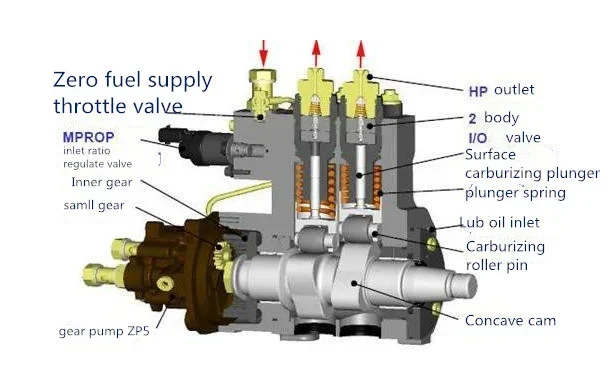
The diesel fuel pump operates at extremely high pressure. It depends on diesel fuel to keep it cool and lubricated. When petrol mixes in, the pump starts to overheat. Metal particles begin to shed into the fuel system. This contamination spreads quickly and can clog fuel injectors almost immediately.
Even a small amount of petrol contamination can reduce the lifespan of your fuel pump significantly. Repairing or replacing a diesel fuel pump is expensive. Most drivers are looking at several hundred dollars for parts and labour alone.
Injectors and Combustion Problems
Diesel fuel injectors spray fuel in a very precise pattern at very high pressure. Petrol disrupts this process. The combustion becomes uneven. You may notice rough idling, engine misfires, or a strange knocking sound coming from the engine bay.
Over time, continued use of petrol in a diesel engine causes the injectors to wear out prematurely. The combustion chamber also suffers because petrol burns differently than diesel. The result is reduced engine performance and higher emissions.
Why Diesel and Petrol Engines Are Different
Understanding the basic differences between a diesel engine and a petrol engine helps you see why mixing fuels is so dangerous. Both are internal combustion engines, but they ignite fuel in completely different ways.
How a Diesel Engine Works
A diesel engine uses compression ignition. Air gets compressed inside the cylinder at a very high ratio, usually between 14:1 and 25:1. This compression generates intense heat. When diesel fuel is injected into that hot, compressed air, it ignites on its own. No spark plug is needed.
Diesel fuel is thicker and oilier than petrol. It has a higher energy density, which is why diesel engines tend to be more fuel-efficient. The lubricating nature of diesel fuel is also critical to the health of the entire fuel delivery system.
How a Petrol Engine Works
A petrol engine uses spark ignition. A spark plug fires at just the right moment to ignite the air-fuel mixture inside the cylinder. The compression ratio is much lower, typically around 8:1 to 12:1. Petrol is thinner and more volatile than diesel. It evaporates quickly and burns fast.
Because petrol lacks lubricating properties, it does not belong anywhere near the high-pressure components of a diesel fuel system. The two fuels are simply not compatible in terms of chemistry, combustion, and lubrication.
Compression Ratio Differences
The compression ratio is one of the biggest reasons petrol damages a diesel engine. A diesel engine is built to handle extreme pressure. When petrol enters the mix, the combustion pressure spikes unpredictably. This causes a phenomenon known as engine knocking. Over time, knocking leads to cracked pistons, damaged connecting rods, and catastrophic engine failure in severe cases.
| Feature | Diesel Engine | Petrol Engine |
|---|---|---|
| Ignition Method | Compression ignition | Spark plug ignition |
| Compression Ratio | 14:1 to 25:1 | 8:1 to 12:1 |
| Fuel Lubricity | High | Low |
| Fuel Viscosity | Thicker | Thinner |
| Energy Density | Higher | Lower |
| Fuel System Pressure | Very High | Moderate |
Can a Diesel Engine Run on Petrol Even Briefly
Some people wonder if a diesel car can run on petrol for a short distance. Maybe you only put in a litre or two by mistake. Can you just drive to the nearest garage and fix it? The honest answer is: it depends on the amount, but the safest move is always to stop and get help.
What Happens With a Small Amount of Petrol
If you accidentally put a small amount of petrol into your diesel tank, you might get away with minor issues. Some drivers report no immediate symptoms. But that does not mean damage is not happening. Even a 5% petrol contamination in a diesel tank can start affecting the fuel pump and injectors.
Diesel fuel makes up about 95% of the mixture in this scenario. The engine might run roughly, produce more smoke, or feel sluggish. These are early warning signs you should not ignore.
What Happens With a Larger Amount of Petrol
If you fill up a diesel tank mostly with petrol, the situation is far more serious. The engine may stall shortly after starting. You might hear loud knocking or pinging noises from the engine bay. In some cases, the car simply refuses to start at all.
Running a diesel engine on a high concentration of petrol can cause irreversible damage within minutes. The lack of lubrication destroys the fuel pump. The injectors can become completely blocked. In worst-case scenarios, the engine itself sustains internal damage that requires a full rebuild or replacement.
Bottom line: Do not try to drive a diesel car on petrol, even for a short distance. The risk is simply not worth it.
Signs Your Diesel Car Has Been Filled With Petrol
Catching the problem early can save you thousands of dollars in repair costs. If you suspect you have put petrol in your diesel car, watch for these warning signs carefully.
Engine Knocking or Pinging
One of the most common symptoms is a knocking or pinging sound coming from the engine. This happens because petrol does not combust the way diesel fuel does under high compression. The irregular combustion creates pressure waves that sound like knocking. If you hear this after filling up, pull over safely and turn off the engine.
Rough Idle or Stalling
A diesel engine running on petrol may idle roughly or stall unexpectedly. The fuel delivery system struggles to atomise the petrol properly under diesel compression. This leads to inconsistent combustion and poor engine performance.
Excessive Smoke From the Exhaust
You might notice black, white, or blue smoke coming from the exhaust pipe. Black smoke usually indicates incomplete combustion. White smoke can suggest unburned fuel is passing through the engine. Blue smoke points to oil burning, which may indicate internal engine damage from lack of lubrication.
Loss of Power and Acceleration
Petrol contamination disrupts the precise fuel delivery that diesel engines rely on. You may feel a significant loss of power when accelerating. The engine might feel sluggish or unresponsive. This is especially noticeable when climbing hills or carrying heavy loads.
Check Engine Light
Modern diesel vehicles are equipped with sensors that detect irregularities in the fuel system. If the engine control unit detects wrong fuel or abnormal combustion patterns, it will trigger the check engine light. Do not ignore this warning. Get the car diagnosed as soon as possible.
What to Do If You Accidentally Put Petrol in a Diesel Car
Mistakes happen. The most important thing is how you respond. Follow these steps carefully to minimise damage and keep repair costs as low as possible.
Step 1: Do Not Start the Engine
If you realise the mistake before starting the car, do not turn the key. Starting the engine circulates petrol through the entire fuel system. This is when the real damage begins. Keep the ignition off and assess the situation calmly.
Step 2: Call for Professional Help
Contact a roadside assistance service or a qualified mechanic. Explain the situation clearly. Many breakdown services have mobile units that can drain the fuel tank on the spot. The sooner you get professional help, the better your chances of avoiding major damage.
Step 3: Do Not Attempt to Drive
Even if the car seems fine, do not try to drive it to a garage. The petrol will circulate through the fuel pump and injectors, causing wear and contamination. Have the vehicle towed to a repair shop instead.
Step 4: Get the Fuel System Drained and Flushed
A professional mechanic will drain the entire fuel tank and flush the fuel lines, pump, and injectors. In most cases, replacing the diesel fuel filter is also necessary. If caught early, this repair is relatively affordable and prevents long-term damage.
Step 5: Inspect for Damage
After draining and flushing, the mechanic should inspect the fuel pump and injectors for signs of wear. In some cases, these components may need replacement if the petrol was in the system for more than a few minutes.
Quick Tips to Remember
- Always double-check the fuel pump label before filling up.
- Diesel nozzles are typically larger and will not fit into a petrol tank easily.
- Keep a reminder note on your dashboard if you drive multiple vehicles.
- Never rush at the fuel station. Take your time to avoid mistakes.
- Know your vehicles fuel requirements before you turn the key.
How to Prevent Wrong Fuel Mistakes
Prevention is always better than cure. Wrong fuel mistakes happen more often than you might think. Studies suggest that around 150,000 drivers in the UK alone put the wrong fuel in their cars every year. Here is how you can avoid becoming part of that statistic.
Use Fuel Cap Colour Coding
Many diesel vehicles have a green or yellow diesel cap, while petrol caps are often black. Get in the habit of checking the cap colour before you pull up to the pump. This simple visual cue can save you from a very expensive mistake.
Stay Focused at the Fuel Station
Distractions are the number one cause of wrong fuel incidents. Put your phone away. Do not rush. Read the pump label carefully. If you are borrowing someones car, ask the owner which fuel type the vehicle uses before you start filling up.
Consider Fuel Cap Stickers or Reminders
Some drivers place a small sticker on their dashboard or steering column that says “Diesel Only.” This is especially helpful if you drive multiple vehicles or recently switched from a petrol car to a diesel one. It is a small effort that pays off big time.
Know Your Vehicle
Familiarise yourself with your vehicles fuel requirements. Check the owner manual. Look for the fuel type stamped on the fuel filler flap. The more you know about your own car, the less likely you are to make a mistake at the pump.
Use a Fuel Nozzle Adapter
Some companies offer diesel fuel nozzle adapters that prevent petrol pumps from fitting into a diesel tank. These simple devices add an extra layer of protection and are worth considering if you frequently switch between vehicles.
Expert Insight: “The vast majority of wrong fuel incidents happen because the driver was distracted or driving a vehicle they are not used to. Taking a few extra seconds at the pump can save you from thousands of dollars in repairs,” says automotive technician and fuel system specialist Mark Dawson.
How Wrong Fuel Affects Vehicle Performance Long Term
Even if you manage to catch the mistake early and get the system drained, there may be lingering effects. Understanding these long-term impacts helps you appreciate why prevention matters so much.
Petrol contamination can leave behind residues in the fuel system. These residues can clog fuel filters and partially block injectors. Over time, this leads to reduced fuel efficiency, higher emissions, and a general decline in engine performance.
Diesel engines are built with tighter tolerances than petrol engines. Metal components inside the fuel pump and injectors are designed to work with the lubricating properties of diesel fuel. Petrol strips away this protective film. Even after flushing, microscopic damage may have already occurred. This can shorten the overall lifespan of expensive components.
Some drivers report increased engine noise after a wrong fuel incident. The combustion process becomes less smooth when petrol has been introduced into a diesel system. While this may improve after a full flush and filter replacement, it is a clear sign that the engine was stressed.
For turbocharged diesel engines, the stakes are even higher. The turbocharger depends on clean, properly lubricated fuel to operate correctly. Petrol contamination can damage the turbocharger bearings, leading to whining noises, power loss, and expensive repairs. Turbo replacement costs can easily exceed one thousand dollars.
Common Mistakes Drivers Make After Wrong Fuel
When drivers realise they have put petrol in a diesel car, panic sets in. And panic leads to bad decisions. Here are the most common mistakes to avoid.
- Starting the engine out of curiosity: This is the single worst thing you can do. It circulates petrol through the entire system and amplifies the damage.
- Trying to dilute with more diesel: Some drivers think adding diesel on top of petrol will fix the problem. It does not. The contamination level is still too high, and you waste more fuel in the process.
- Ignoring warning signs: If your car is knocking, smoking, or running rough after a fill-up, do not keep driving. Pull over and seek help immediately.
- Delaying professional help: Every minute the contaminated fuel sits in the system, the more damage occurs. Get professional assistance as quickly as possible.
- Not telling the mechanic the full story: Be honest and upfront with your mechanic about what happened. This helps them diagnose and fix the problem faster and more effectively.
Key Takeaway: Wrong fuel mistakes are stressful, but they are also very fixable if you act quickly and correctly. The key is to stay calm, avoid starting the engine, and get professional help right away.
Conclusion
The answer to the question “Can a diesel car run on petrol?” is a clear and firm no. Petrol and diesel engines are built on fundamentally different principles. Petrol fuel lacks the lubrication and combustion properties that a diesel engine needs to function properly. Even brief exposure can cause damage to the fuel pump, injectors, and engine internals.
If you ever find yourself in the wrong fuel situation, the most important thing is to act quickly and calmly. Do not start the engine. Call for professional help. Get the system drained and inspected. The faster you respond, the lower the repair bill will be.
Prevention is always the best strategy. Stay focused at the fuel station. Use colour-coded fuel caps as a visual guide. Know your vehicle’s fuel requirements. These small habits can save you from a very expensive and stressful experience.
Remember, your diesel engine is a precision machine. It deserves the right fuel. Treat it well, and it will reward you with reliable performance and long service life. Take care of your fuel system, and it will take care of you.
Frequently Asked Questions
What happens if you put petrol in a diesel car?
Petrol in a diesel engine causes serious damage because it lacks lubrication and combusts differently under compression. It can harm the fuel pump, injectors, and engine internals. Even a small amount can cause problems, so act quickly and do not start the engine.
Can I drive a diesel car a short distance on petrol?
No, you should not drive a diesel car on petrol, even for a short distance. The petrol will circulate through the fuel system and cause friction and wear on critical components. Have the vehicle towed to a repair shop instead.
How much does it cost to fix wrong fuel in a diesel car?
The cost depends on how much petrol entered the system and how long the engine ran. A simple fuel drain and flush may cost a few hundred dollars. If the fuel pump or injectors are damaged, the repair bill can rise to several thousand dollars.
Will a diesel car start after being filled with petrol?
A diesel car might start if only a small amount of petrol was added, but it will run poorly and cause damage. If a larger amount of petrol is in the tank, the car may not start at all. Either way, do not attempt to drive it.
How can I prevent putting petrol in my diesel car?
Always check the fuel pump label before filling up. Use the colour of your fuel cap as a visual reminder. Stay focused at the station and avoid distractions. If you drive multiple vehicles, keep a reminder note on your dashboard.
Is wrong fuel damage covered by car insurance?
Some comprehensive car insurance policies cover wrong fuel damage, but it depends on your specific policy. Check with your insurance provider to understand your coverage. Roadside assistance plans may also cover fuel draining services.