How Do I Fix My Traction Control Turned Off Quickly
Your traction control turned off can be scary, but it is often a simple fix. This guide walks you through the most common reasons your traction control light is on and shows you exactly how to troubleshoot and repair it at home. You will learn to check sensors, reset the system, and know when to call a mechanic.
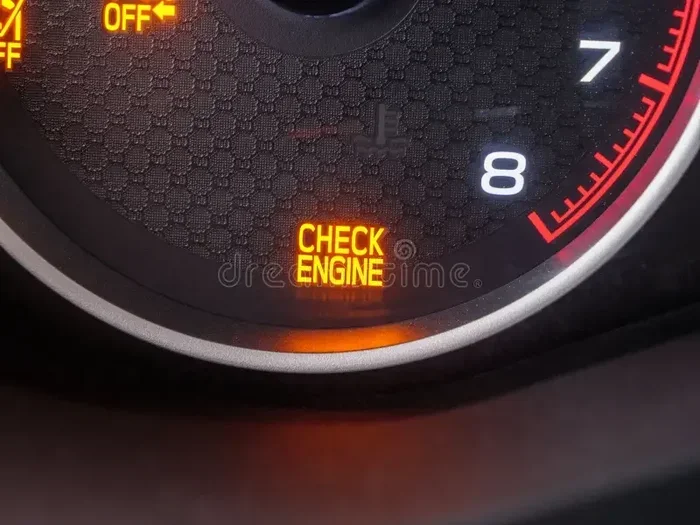
There is nothing quite like the sinking feeling when a warning light pops up on your dashboard. You are driving along, everything seems fine, and then you see it. The traction control turned off light is glowing on your dash. It can make any driver feel uneasy, especially if you do not know what it means or how to fix it.
The good news is that a traction control system warning light is often caused by something simple. In most cases, you can fix it yourself with basic tools and a little know-how. This guide will walk you through every step. We will cover what the traction control system does, why it turns off, and exactly how to get it working again. By the end, you will feel confident tackling this problem head-on.
Whether you are dealing with a traction control warning light that just will not go away or your system completely shut down, we have you covered. Let us dive in and get your car safe and stable again.
Key Takeaways
- Traction control keeps your car stable: It prevents wheel slip on wet or icy roads and is a key safety feature.
- Common causes are easy to fix: A faulty wheel speed sensor, blown fuse, or loose connector is often to blame.
- You can diagnose it yourself: Basic tools and a few minutes can help you identify the problem.
- Resetting the system is simple: A quick reset often turns the light off and restores normal function.
- Know when to seek help: Some issues need a professional mechanic, especially ABS or module problems.
- Driving with traction control off is risky: Avoid it in poor weather or on slippery surfaces.
- Regular maintenance prevents issues: Keeping sensors and connectors clean stops traction control problems before they start.
📑 Table of Contents
- What Does the Traction Control System Do?
- Why Does My Traction Control Turn Off?
- How to Diagnose the Problem Yourself
- How to Fix Traction Control Turned Off: Step-by-Step Solutions
- Can You Drive With Traction Control Off?
- Prevention Tips to Keep Your Traction Control Working
- When to See a Professional Mechanic
- Quick Tips for Fixing Traction Control Issues
- Common Mistakes to Avoid
- How Weather Affects Your Traction Control System
- Final Thoughts on Fixing Your Traction Control
What Does the Traction Control System Do?
Before you fix anything, it helps to understand what you are dealing with. The traction control system is a safety feature in your car. It works closely with your ABS (Anti-lock Braking System) to keep your wheels from slipping. When you accelerate on a wet, icy, or uneven road, your tires can lose grip. Traction control steps in to prevent that.
Here is how it works in simple terms. Your car has sensors on each wheel that measure speed. If one wheel starts spinning faster than the others, the system kicks in. It reduces engine power or applies the brakes to that wheel. This helps you maintain control. It is a small but mighty system that keeps you safe every time you drive.
Most modern cars also include Electronic Stability Control (ESC). This is an advanced version of traction control. It helps you stay on your intended path during sharp turns or sudden maneuvers. When your traction control turned off light comes on, it means this entire safety network has been disabled. That is why it is important to address it quickly.
Why Does My Traction Control Turn Off?
There are several reasons your traction control system might shut down. Some are minor and easy to fix. Others need professional attention. Let us look at the most common causes.
1. Faulty Wheel Speed Sensor
The most common reason for a traction control malfunction is a bad wheel speed sensor. These sensors sit near each wheel and measure how fast they are spinning. When one fails, the system cannot read the data it needs. It shuts down to protect you from incorrect readings.
You might notice other symptoms too. Your ABS light could come on at the same time. Or you may feel your car vibrating during braking. A dirty or damaged sensor is often the culprit. Road grime, salt, and debris can build up around the sensor and mess with its readings.
2. Blown Fuse or Wiring Issues
Every car system relies on electricity. Your traction control has a dedicated fuse in the fuse box. If that fuse blows, the system loses power and shuts off. This is one of the easiest fixes and requires no special tools.
Wiring problems can also cause issues. Corroded connectors, frayed wires, or a loose plug can interrupt the signal between the sensors and the control module. If you have been doing DIY car maintenance or your car has been through rough conditions, check the wiring first.
3. Faulty Traction Control Switch
Some cars have a manual switch to turn traction control on or off. This is common in trucks and SUVs. Over time, the switch can wear out or get stuck. If the switch is faulty, it may send a signal that the system is off even when you want it on.
Try pressing the switch a few times to see if the light goes away. If it does not, the switch itself may need replacing. This is a cheap and easy fix in most cases.
4. ABS Module Problems
Your traction control system shares components with your ABS. If the ABS module has a problem, it can disable traction control too. A failing ABS module is a more serious issue. It may cause your brakes to feel different or your ABS light to stay on.
You can check if your car has any stored error codes by using an OBD-II scanner. If you see codes related to the ABS or traction control module, it is time to visit a mechanic. For more on diagnosing car issues yourself, check out our guide on Can I Do My Own Car Diagnostics for helpful tips.
5. Low Battery or Electrical System Issues
A weak car battery or a failing alternator can cause all sorts of weird warning lights. Your traction control system needs a steady power supply to work correctly. If your battery is low or your electrical system is struggling, the system may shut down as a safety measure.
If you have been jumping your car frequently or notice other electrical issues, your battery might be the problem. A simple voltage test at any auto parts store can confirm this.
6. Car Overloaded or Weight Imbalance
Did you know that putting too much weight in your car can affect your traction control system? When your car is carrying more weight than it should, the sensors may read incorrectly. This can trigger the traction control turned off light.
If you have recently loaded up your car heavily, try lightening the load and see if the light goes off. To learn more about how weight affects your vehicle, read our article on Can I Put Too Much Weight In My Car.
How to Diagnose the Problem Yourself
You do not need to be a mechanic to figure out why your traction control is off. With a few basic steps, you can narrow down the cause and save time and money.
Step 1: Check the Dashboard Lights
Start by looking at your dashboard. Is the traction control light on by itself? Or is the ABS light on too? If both are on, the problem is likely shared between the two systems. This points to a wheel speed sensor, ABS module, or wiring issue.
If only the traction control light is on, the problem might be simpler. It could be a faulty switch or a minor sensor glitch.
Step 2: Inspect the Wheel Speed Sensors
Pop open your hood and locate the wheel speed sensors. They are usually near the wheels, attached to the suspension or steering knuckle. Look for any visible damage, dirt buildup, or loose connections.
Use a clean cloth to wipe down each sensor. Sometimes all it takes is removing a layer of grime to restore proper function. Make sure the wiring harness is plugged in securely at both ends.
Step 3: Check the Fuse Box
Find your fuse box. It is usually under the hood near the battery or inside the driver side door panel. Look for the fuse labeled “TCS” or “Traction Control.” Use a fuse tester or visual inspection to check if it is blown.
If the fuse is blown, replace it with one of the same amperage. This is one of the cheapest and easiest fixes you can do. If the new fuse blows again, you have a deeper electrical problem that needs professional attention.
Step 4: Use an OBD-II Scanner
An OBD-II scanner is a small device that plugs into your car’s diagnostic port. It reads error codes stored in your car’s computer. You can buy one for under $30 at any auto parts store or online.
Plug it in, turn the key to the “On” position (do not start the engine), and read the codes. Common codes related to traction control include:
- C0034 – Wheel Speed Sensor Circuit Malfunction
- C0035 – Left Front Wheel Speed Sensor Issue
- C1200 – Traction Control System Malfunction
- C1234 – ABS/Traction Control Internal Fault
Write down any codes you see. You can look them up online or bring them to your mechanic. For more on using diagnostic tools, our article on Can I Do My Own Car Diagnostics has great step-by-step advice.
Step 5: Reset the System
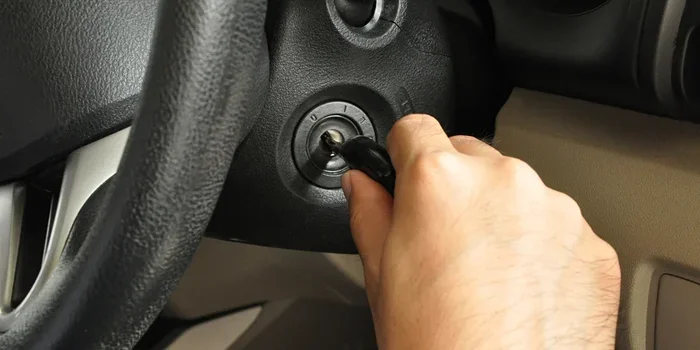
Sometimes the fix is as simple as resetting the system. Turn your car off and wait for about 30 seconds. Then start it again. This clears temporary glitches and gives the system a fresh start. If the light was caused by a momentary sensor hiccup, this alone may solve the problem.
How to Fix Traction Control Turned Off: Step-by-Step Solutions
Now that you know the common causes, let us walk through the actual fixes. Each solution targets a specific problem. Follow them in order for the best results.
Fix 1: Clean or Replace the Wheel Speed Sensor
Grab a wrench and a clean rag. Locate the sensor on the affected wheel. Unplug the electrical connector by pressing the tab and pulling gently. Inspect the sensor tip for metal debris or rust. Clean it with a wire brush or replace it entirely if it is damaged.
New wheel speed sensors cost between $15 and $50 each. They are one of the most affordable repairs you can do. After installing the new sensor, clear the error code with your OBD-II scanner and test drive the car.
Fix 2: Replace a Blown Fuse
Find the correct fuse using your owner manual. Pull it out with a fuse puller or a pair of tweezers. Insert a new fuse with the same rating. Do not use a higher-rated fuse, as it can cause further damage.
This fix takes less than five minutes and costs under a dollar. If the fuse keeps blowing, stop and have a mechanic check your wiring for shorts.
Fix 3: Repair or Replace the Traction Control Switch
If your car has a manual traction control switch, test it first. Press it several times and watch the dashboard light. If it does not respond, the switch may be broken. You can replace most switches yourself with a screwdriver and about 15 minutes of time.
Make sure to disconnect your battery before working on any electrical component. This keeps you safe and prevents further damage to your car’s electronics.
Fix 4: Reset the Traction Control Module
Sometimes the module just needs a reset. Disconnect your car battery for about 10 to 15 minutes. This drains any residual power and resets the computer. Reconnect the battery, start the car, and see if the light is gone.
This trick works for many electronic glitches. It is worth trying before spending money on parts. Just remember that disconnecting the battery may reset your radio presets and clock.
Can You Drive With Traction Control Off?
The short answer is yes, but with caution. Driving with traction control turned off is not ideal. Your car loses a key safety feature that helps you maintain grip on slippery roads. In rain, snow, or ice, this can be dangerous.
You can drive short distances on dry, clear roads with the system off. But avoid highways, sharp turns, and wet conditions. If your traction control light stays on, get it fixed as soon as possible. Your safety depends on all your car’s safety systems working properly.
Some drivers intentionally turn off traction control. This is common when a car is stuck in snow or mud. The system can actually slow you down in these situations by limiting wheel spin. Once you are unstuck, make sure to turn it back on.
Prevention Tips to Keep Your Traction Control Working
The best way to deal with a traction control problem is to prevent one from happening in the first place. Here are some simple habits that keep your system running smoothly.
- Keep your sensors clean. Wash your car regularly, especially the wheel wells and undercarriage. Road salt and mud can damage sensors over time.
- Check your fuses during routine maintenance. A quick glance at your fuse box during oil changes can catch problems early.
- Address warning lights immediately. Do not ignore dashboard lights, even if your car seems to drive fine. Small problems become big ones fast.
- Avoid overloading your vehicle. Stay within your car’s recommended weight limits. Extra weight stresses your suspension and sensors.
- Drive smoothly. Aggressive acceleration and hard braking wear out sensors and components faster than gentle driving.
These small habits add up over time. They can save you hundreds of dollars in repairs and keep you safe on the road. If you ever need to work on your car yourself, check out our guide on Can I Install Splash Guards Myself for more DIY car maintenance tips.
When to See a Professional Mechanic
Not every problem is a DIY fix. Some issues need the skills and tools of a trained mechanic. Here are signs you should seek professional help.
- The traction control light stays on after you have tried all the fixes above.
- Your ABS light is also on, indicating a deeper system problem.
- You notice your brakes feel spongy, unresponsive, or behave strangely.
- Your car pulls to one side when braking or accelerating.
- You see fluid leaks under your car near the wheel area.
- The OBD-II scanner shows codes related to the ABS module or traction control computer.
A mechanic has access to advanced diagnostic tools and factory-level repair databases. They can pinpoint problems that basic scanners cannot. If you are unsure, it is always better to get a professional opinion. A quick inspection can save you from a much bigger repair bill down the road.
Also, if you are planning a long trip or driving in harsh winter conditions, do not risk it with a faulty traction control system. Get it checked and fixed before you head out. Safety should always come first.
Quick Tips for Fixing Traction Control Issues
- Always start with the simplest fix. A reset or fuse replacement solves the problem more often than you think.
- Keep your OBD-II scanner handy. It is one of the best investments a car owner can make.
- Do not ignore the ABS light. It is closely linked to traction control and often tells you the same story.
- Use the right parts. Always match your replacement sensors and fuses to your car’s make and model.
- Take photos before disconnecting anything. This helps you remember how everything connects when you are putting it back together.
Common Mistakes to Avoid
When dealing with a traction control turned off issue, some mistakes can make things worse. Here is what to avoid.
- Ignoring the warning light. Hoping it will go away on its own is a risky bet. The problem usually gets worse, not better.
- Using the wrong fuse rating. A higher-rated fuse can fry your wiring and cause expensive damage.
- Driving aggressively with the system off. This defeats the purpose of the safety feature and puts you at risk.
- Skipping the diagnostic scan. Guessing what is wrong wastes time and money. Let the codes tell you what is going on.
- Not checking all four sensors. Even if only one light is on, multiple sensors can be failing at the same time.
Avoiding these mistakes keeps you safe and saves you money. A little patience goes a long way when working on your car.
How Weather Affects Your Traction Control System
Weather plays a big role in how your traction control system performs. In winter, road salt and ice put extra stress on your wheel speed sensors. In summer, heavy rain creates slick roads that demand more from your traction control. Understanding this connection helps you stay ahead of problems.
If you live in an area with harsh winters, inspect your sensors more frequently during the cold months. Road salt is highly corrosive and can eat through sensor connectors over time. In rainy climates, water can seep into wiring harnesses and cause intermittent faults.
Being proactive about weather-related wear keeps your traction control system reliable year-round. It is one more way to protect yourself and your passengers on the road.
Final Thoughts on Fixing Your Traction Control
Dealing with a traction control turned off situation can feel overwhelming, but it does not have to be. Most of the time, the fix is simple and affordable. A quick sensor cleaning, a fuse replacement, or a system reset can get you back on the road in no time.
The key is to act quickly. Your traction control system is one of the most important safety features in your car. When it is not working, you lose a layer of protection that could save your life in an emergency. Do not wait for the problem to get worse.
Use the steps in this guide to diagnose and fix the issue. Start with the basics and work your way up. And remember, there is no shame in calling a mechanic when the problem is beyond your skill level. What matters most is that your car is safe and your traction control system is fully functional.
Take care of your car, and it will take care of you. Happy driving!
Frequently Asked Questions
Can I drive my car if the traction control is off?
You can drive short distances on dry roads, but it is not recommended. Traction control helps you stay safe on wet, icy, or uneven surfaces. Without it, your car is more likely to skid or lose control. Get the system fixed as soon as possible.
How much does it cost to fix a traction control system?
The cost depends on the cause. A simple fuse replacement costs under $5. A wheel speed sensor replacement typically runs $50 to $150. More complex ABS module repairs can cost $300 or more. Always get a quote from a trusted mechanic for major repairs.
What does the traction control warning light look like?
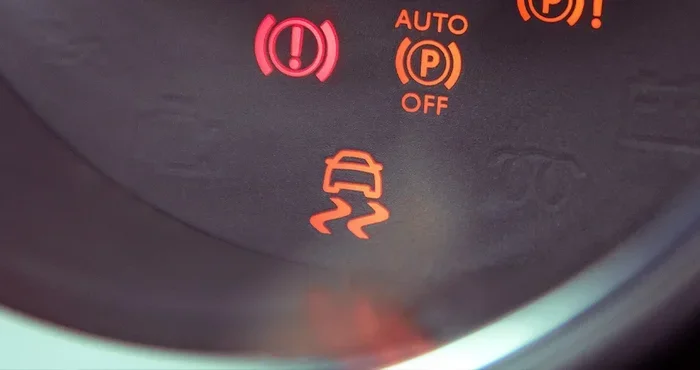
The light usually shows a car icon with wavy lines underneath. It may also say “TCS OFF” or “Traction Control.” If you see this light on your dashboard, your traction control system has been deactivated and needs attention.
Can a low battery cause traction control to turn off?
Yes, a weak or failing battery can disrupt the electrical signals that your traction control system needs. If you notice multiple warning lights at once, your battery could be the root cause. Have it tested at any auto parts store for free.
How do I reset my traction control system?
Turn your car off and wait 30 seconds. Then start it again. You can also disconnect your battery for 10 to 15 minutes to fully reset the system. If the light stays on after a reset, there is a deeper issue that needs diagnosis.
Will traction control turn back on by itself?
In some cases, yes. If the issue was a temporary sensor glitch, the system may reset itself after a few drive cycles. However, if the light stays on, you need to investigate the cause. Ignoring it will not fix the problem.
=== CONCLUSION ===
Fixing your traction control turned off issue does not have to be complicated. Start with the simple fixes like checking fuses, cleaning sensors, and resetting the system. Use an OBD-II scanner to read error codes and pinpoint the exact problem. Most traction control issues are affordable and straightforward to resolve. Remember to stay proactive with regular maintenance and never ignore warning lights. Your safety on the road depends on it.