Can We Claim GST on a Car Everything You Should Know
Yes, you can claim GST on a car, but only if you use it for business purposes and meet specific eligibility rules. The GST rate on cars varies from 5% to 28% depending on the vehicle type, fuel, and usage. Understanding input tax credit rules and GST compliance is essential to avoid losing your refund.
Buying a car is exciting. But when the GST bill arrives, things can get confusing. Many car owners wonder whether they can claim GST on a car they purchased. The answer is yes, but with conditions. If you run a business and use the car for work, you may be eligible for an input tax credit. This means you can recover the GST you paid on your car purchase.
However, the rules are not the same for everyone. The GST rate on cars depends on the type of vehicle, fuel type, and how you plan to use it. Personal cars and commercial vehicles fall under different categories. Understanding these rules helps you save money and stay compliant with GST regulations.
In this guide, we will walk you through everything you need to know. We will cover eligibility, rates, documentation, and common mistakes. By the end, you will know exactly how to claim GST on your car purchase and what steps to follow.
Key Takeaways
- GST Can Be Claimed on Business Cars: If you use a car for business, you can claim GST through input tax credit under GST rules.
- Personal Use Limits the Claim: Cars used purely for personal reasons do not qualify for GST claims.
- GST Rate Varies by Vehicle Type: Rates range from 5% to 28% based on fuel type, size, and category.
- You Need Proper GST Invoices: Without a valid GST invoice, claiming input tax credit is not possible.
- Used Cars Have Different Rules: GST on used cars depends on whether the seller is registered and the nature of the transaction.
- Timely Filing Matters: Claiming GST on your car requires timely GST return filing and proper documentation.
- Expert Guidance Helps: Consulting a tax professional ensures you maximize your input tax credit without compliance issues.
📑 Table of Contents
Understanding GST on Car Purchases
GST stands for Goods and Services Tax. It is a indirect tax applied to most goods and services in India. When you buy a car, GST is added to the price. The amount depends on the category of the vehicle. Understanding how GST on car purchase works is the first step toward claiming your credit.
The GST system replaced multiple indirect taxes. This made the tax structure simpler and more transparent. However, it also introduced specific rules for different categories of goods. Cars fall under a special category with defined GST slabs.
How GST Works on New Cars
When you buy a new car, the dealer charges GST on the ex-showroom price. This GST is included in the final price you pay. If you are a registered business, you can claim this GST as input tax credit. The credit helps reduce your overall tax liability.
For example, if you buy a car for Rs 15 lakh and the GST rate is 28%, you pay Rs 4.2 lakh as GST. If your business has matching output tax liability, you can claim this Rs 4.2 lakh as credit. This reduces the amount of GST you owe to the government.
GST Rates for Different Types of Cars
The GST rate on cars varies based on several factors. The government classifies vehicles into different categories. Each category has a specific GST rate. Here is a breakdown of the common GST slabs for cars:
- 5% GST: Cars with petrol engines up to 1500cc and diesel engines up to 1500cc. Most small and mid-sized cars fall in this category.
- 12% GST: Certain cars with engines above 1500cc. Some SUVs and larger sedans are taxed at this rate.
- 18% GST: Used cars sold by unregistered dealers or in certain interstate transactions.
- 28% GST: Luxury cars, high-end SUVs, and vehicles with larger engines. Premium and imported cars often fall in this slab.
Knowing the correct GST rate helps you estimate your tax liability and plan your claim. Always check the vehicle category before making a purchase decision.
Who Can Claim GST on a Car?
Not everyone can claim GST on a car. Eligibility depends on how you use the vehicle and your registration status. Let us look at who qualifies and who does not.
Registered Business Owners
If you own a registered business, you can claim GST on a car used for business purposes. This includes sole proprietorships, partnerships, limited companies, and LLCs. The key requirement is that the car must be used for business activities.
You need to be registered under GST to claim input tax credit. Registration is mandatory if your annual turnover exceeds the threshold limit. Once registered, you can claim GST on car purchases through your GST portal.
Self-Employed Professionals
Self-employed professionals like consultants, freelancers, and contractors can also claim GST. If you use your car for client visits, commuting to work sites, or business meetings, the car qualifies as a business asset. You must maintain proper records of business usage.
However, if you use the car partially for personal use, you need to calculate the business percentage. Only the business portion of the GST can be claimed as credit. This is an important input tax credit rule to remember.
Who Cannot Claim GST on a Car?
If you buy a car purely for personal use, you cannot claim GST. This applies to salaried individuals who use the car for commuting and personal errands. Since they do not have a business, there is no output tax liability to offset the input credit.
Similarly, if a business uses the car exclusively for personal purposes, the GST claim is not allowed. The government does not permit tax credits on vehicles that do not contribute to business income.
How to Claim GST on a Car: Step by Step
Claiming GST on a car is a straightforward process if you follow the right steps. Let us break it down into simple stages. Each step is important for ensuring your claim gets approved.
Step 1: Get a Valid GST Invoice
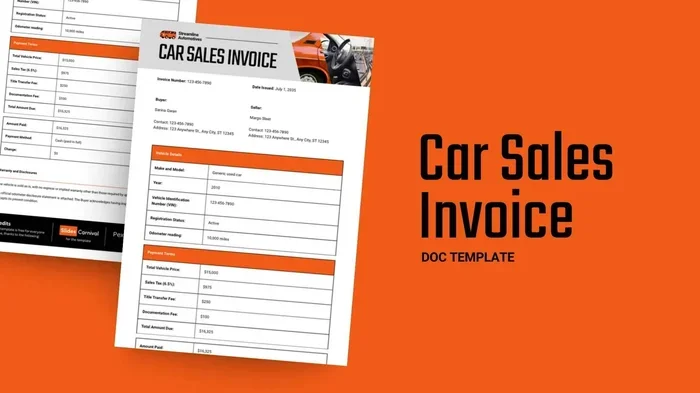
The first step is to obtain a proper GST invoice from the dealer. The invoice must include the GST number of the dealer, the GST rate charged, and the GST amount broken out separately. Without a valid invoice, you cannot claim input tax credit.
Make sure the invoice is issued in the name of your business. If the invoice is in your personal name, you may face issues during the claim process. Always double-check the details before finalizing the purchase.
Step 2: Verify the GST Rate
Check the GST rate applied to your car. The rate should match the category of your vehicle. If the dealer charges the wrong GST rate, you may end up paying more than necessary. Contact the dealer to correct the invoice if there is any discrepancy.
You can also verify the correct GST rate on the GST portal or through official government notifications. Staying informed helps you avoid overpaying on taxes.
Step 3: Report the Purchase in GSTR-2A and GSTR-2B
Once the dealer files the invoice, it will appear in your GSTR-2A and GSTR-2B returns. These are auto-populated forms on the GST portal. You need to verify the details and confirm the purchase.
GSTR-2B is a static form that shows your input tax credit for each tax period. Review it carefully to ensure the GST on your car purchase is reflected correctly.
Step 4: Claim Input Tax Credit in GSTR-3B
In your monthly or quarterly GSTR-3B return, you can claim the input tax credit. Report the GST paid on your car purchase under the relevant section. This credit will offset your output tax liability for that period.
If your output tax is less than your input credit, the remaining credit can be carried forward to the next month. This carry-forward benefit allows you to maximize your tax savings over time.
Step 5: Keep All Documents Safe
Maintain copies of the GST invoice, purchase agreement, and registration certificate. The tax department may ask for these documents during an audit. Proper record-keeping ensures smooth GST compliance and avoids unnecessary disputes.
GST on Used Cars: What You Need to Know
Buying a used car is a popular choice for many people. But the GST rules for used cars are different from new cars. Understanding these rules helps you make informed decisions.
GST on Used Cars Sold by Registered Dealers
If a registered dealer sells a used car, they charge GST on the sale. The rate depends on whether the dealer claims input tax credit on the original purchase. If the dealer did not claim credit, the GST rate is lower. If they did claim credit, the full GST rate applies.
As a buyer, you can claim GST only if you are a registered business and the car is used for business purposes. The input tax credit rules for used cars are more restrictive compared to new cars.
GST on Used Cars Sold by Unregistered Sellers
When an unregistered seller sells a used car, the buyer is responsible for paying GST under the reverse charge mechanism. The GST rate is 18% in such cases. However, as a business buyer, you can claim this GST as input tax credit if the car is used for business.
This is an important distinction. Always confirm the seller’s registration status before buying a used car. It affects the GST you pay and the credit you can claim later.
Common Mistakes to Avoid When Claiming GST on a Car
Many people make avoidable mistakes when claiming GST on their car. These mistakes can lead to rejected claims, penalties, or delays in getting your refund. Here are the most common ones to watch out for.
- Claiming GST on a Personal Car: If the car is used solely for personal purposes, the claim will be rejected. Ensure your car is genuinely used for business.
- Missing GST Invoice: Without a valid GST invoice, you cannot claim input tax credit. Always insist on a proper invoice from the dealer.
- Wrong GST Rate: Claiming credit at the wrong GST rate can trigger a notice from the tax department. Verify the rate before filing your return.
- Delayed Filing: Missing the GST return filing deadline means you lose the chance to claim credit for that period. File your returns on time.
- Ignoring Partial Business Use: If the car is used partially for personal purposes, claim only the business portion of the GST. Overclaiming can lead to penalties.
- Not Reconciling GSTR-2B: Failing to reconcile your GSTR-2B form can result in missing or incorrect input tax credit claims.
Quick Tips for Smooth GST Claim
- Always ask for a GST-compliant invoice before making the payment.
- Verify the dealer’s GSTIN on the GST portal.
- File your GSTR-3B returns before the due date every month.
- Keep digital copies of all purchase documents for at least six years.
- Use accounting software to track your input tax credit automatically.
Expert Insights on Claiming GST on a Car
Tax professionals recommend a proactive approach when claiming GST on a car. Do not wait until the end of the financial year to gather your documents. Start from the day you make the purchase.
Keep your GST registration updated. Any changes in your business details should be reflected in the GST portal promptly. This ensures smooth processing of your input tax credit claims.
Consult a tax advisor if you are unsure. GST rules can be complex, especially when it comes to vehicles. A professional can help you understand the nuances and maximize your savings legally.
Stay updated on GST rule changes. The government occasionally revises GST rates and rules for vehicles. Staying informed helps you comply with the latest regulations and avoid surprises.
Key Takeaways
- GST Can Be Claimed on Business Cars: If you use a car for business, you can claim GST through input tax credit under GST rules.
- Personal Use Limits the Claim: Cars used purely for personal reasons do not qualify for GST claims.
- GST Rate Varies by Vehicle Type: Rates range from 5% to 28% based on fuel type, size, and category.
- You Need Proper GST Invoices: Without a valid GST invoice, claiming input tax credit is not possible.
- Used Cars Have Different Rules: GST on used cars depends on whether the seller is registered and the nature of the transaction.
- Timely Filing Matters: Claiming GST on your car requires timely GST return filing and proper documentation.
- Expert Guidance Helps: Consulting a tax professional ensures you maximize your input tax credit without compliance issues.
Conclusion
So, can we claim GST on a car? The answer is yes, provided you meet the eligibility criteria. If you run a registered business and use the car for business purposes, you can claim input tax credit on the GST paid during purchase. The process involves getting a valid GST invoice, reporting the purchase in your returns, and claiming the credit in GSTR-3B.
Remember, the GST rate on cars varies based on the vehicle type and category. Understanding these rates helps you plan your purchase and claim efficiently. Avoid common mistakes like claiming GST on personal cars or missing filing deadlines.
Proper documentation and timely filing are the keys to a successful GST claim. Keep all your invoices and records safe. If you are ever in doubt, seek advice from a qualified tax professional. With the right approach, claiming GST on your car can save you a significant amount of money.
Take action today. Review your car purchase documents, verify your GST returns, and make the most of your input tax credit. Your future self will thank you for staying organized and compliant.
Frequently Asked Questions
Can I claim GST on a car used for both business and personal purposes?
Yes, you can claim GST on a car used partially for business. However, you must calculate the business usage percentage and claim input tax credit only on that portion. Maintaining records of business use is essential for compliance.
What is the GST rate on a new car in India?
The GST rate on a new car ranges from 5% to 28%. The rate depends on the car’s engine size, fuel type, and category. Small cars with engines up to 1500cc attract 5% GST, while luxury cars may be taxed at 28%.
Can a salaried individual claim GST on a car?
No, a salaried individual who uses the car for personal purposes cannot claim GST. Input tax credit is available only to registered businesses that use the vehicle for business activities. Personal use does not qualify for GST claims.
Is GST applicable on used cars in India?
Yes, GST is applicable on used cars. The rate depends on whether the seller is registered and if they claimed input tax credit on the original purchase. Used cars sold by registered dealers may attract different rates than those sold by unregistered sellers.
What documents do I need to claim GST on a car purchase?
You need a valid GST invoice from the dealer, your GST registration certificate, the purchase agreement, and the vehicle registration certificate. Keeping digital copies of all these documents ensures smooth processing of your input tax credit claim.
Can I carry forward unused input tax credit on a car?
Yes, if your input tax credit exceeds your output tax liability, the remaining credit can be carried forward to the next tax period. This allows you to use the credit in future months to offset your tax liability.