Car Acrylic Number Plate Why It Beats Traditional Plates
A car acrylic number plate is a modern upgrade over traditional metal or paper plates. It offers better durability, lighter weight, and stunning design flexibility. Whether you want a custom look or a long-lasting registration plate, acrylic delivers real results. This guide covers everything you need to know about making the switch.
If you have ever stood in a parking lot and noticed how dull and scratched up old license plates look, you are not alone. Car owners everywhere are searching for a better option. That is where the car acrylic number plate comes in. This modern alternative to traditional metal plates is changing the way people think about their vehicle registration. But what makes it so popular, and does it really live up to the hype?
The short answer is yes. A car acrylic number plate offers benefits that go far beyond what standard plates can provide. From superior durability to stunning design options, acrylic plates are quickly becoming the go-to choice for car enthusiasts and everyday drivers alike. In this article, we will break down everything you need to know. You will learn what makes acrylic different, why it outperforms traditional materials, and how to choose the right plate for your ride.
Key Takeaways
- Acrylic plates are lightweight and weather-resistant: They handle rain, sun, and snow far better than traditional metal plates.
- Custom design options are endless: You can choose colors, fonts, and finishes that traditional plates cannot match.
- Durability is a major advantage: Acrylic resists cracking, chipping, and fading over time.
- Installation is simple and affordable: No special tools or professional help needed in most cases.
- UV protection keeps plates looking new: Acrylic sheets with UV coatings prevent yellowing and sun damage.
- Check local regulations first: Not all regions allow acrylic plates, so verify rules before purchasing.
- Long-term savings add up: Fewer replacements mean less money spent over the life of your vehicle.
📑 Table of Contents
- What Is a Car Acrylic Number Plate?
- Why Acrylic Beats Traditional Plates
- Top Benefits of Acrylic Number Plates for Your Car
- How to Choose the Right Acrylic Number Plate
- Installation Tips for Car Acrylic Number Plates
- Common Mistakes and How to Avoid Them
- Expert Insights on Acrylic Number Plates
- Key Takeaways
- Conclusion
What Is a Car Acrylic Number Plate?
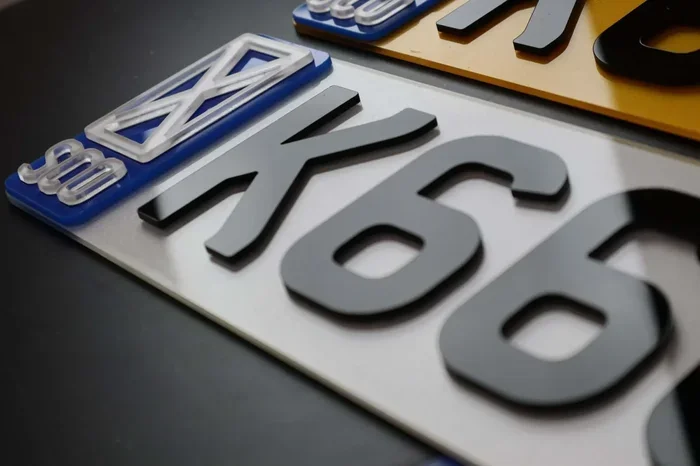
A car acrylic number plate is a registration plate made from acrylic, a type of durable plastic material. Unlike traditional plates made from stamped metal or cheap printed paper, acrylic plates are crafted from a solid, transparent polymer base. The numbers and letters are either embossed, printed, or engraved into the acrylic surface. This gives the plate a clean, polished look that stands out on any vehicle.
Acrylic is the same material used in signs, displays, and protective covers. It is clear, strong, and versatile. When manufacturers use it for a custom number plate, the result is a plate that looks premium and performs well under tough conditions. You will find acrylic license plates on sports cars, classic vehicles, and even daily commuter cars.
What sets acrylic apart from other materials is its balance of strength and flexibility. It does not shatter like glass, and it does not rust like metal. This makes it an excellent choice for a vehicle registration plate that needs to last for years. Many car owners choose acrylic because it combines form and function in a single product.
How Are Acrylic Number Plates Made?
The manufacturing process for a car acrylic number plate is quite interesting. First, a sheet of acrylic is cut to the exact size required by local regulations. Then, the numbers and letters are added using one of several methods. Some manufacturers use high-pressure embossing, which presses the characters into the acrylic surface. Others use UV printing, which applies the design directly onto the plate with special inks that cure under ultraviolet light.
After the characters are added, the plate goes through a finishing process. This may include applying a UV-resistant coating to protect against sun damage. The plate is then trimmed, drilled for mounting holes, and inspected for quality. The result is a durable license plate that looks sharp and feels solid in your hands.
Why Acrylic Beats Traditional Plates
Traditional number plates have been around for over a century. Most are made from aluminum or steel. While these materials work, they have clear limitations. A car acrylic number plate solves many of the problems that come with metal and paper plates. Let us look at the key reasons why acrylic wins.
Weight and Handling
One of the first things you notice when you hold an acrylic plate is how light it is. A standard metal license plate can weigh anywhere from 2 to 4 pounds. An acrylic plate weighs a fraction of that. This lightweight design puts less stress on your car’s mounting points and reduces the risk of rattling or vibration while driving.
For drivers who care about vehicle performance, every small improvement matters. Removing heavy metal plates and switching to acrylic can subtly improve your car’s overall weight distribution. It is a small change, but it adds up over time.
Weather Resistance
Metal plates rust. Everyone knows this. When a traditional license plate is exposed to rain, snow, salt, and moisture, it begins to corrode. The surface becomes pitted and uneven, making the numbers and letters harder to read. This is not just an eyesore. It can also lead to fines or failed inspections in some areas.
An acrylic plate handles weather like a champ. It does not rust, corrode, or absorb moisture. Rain rolls right off the smooth surface. Snow and ice do not stick the same way either. If you live in a region with harsh winters or salty coastal air, a weather-resistant acrylic plate is a game changer.
UV and Sun Damage Protection
Sunlight is one of the biggest enemies of a traditional number plate. Prolonged exposure causes metal plates to fade and become brittle. The paint or lettering on printed plates peels away over time. A high-quality car acrylic number plate comes with UV protection built in.
The acrylic material naturally resists sun damage, and when combined with a protective coating, it stays looking new for years. You will not see yellowing, fading, or cracking, even after months of direct sunlight. This is a huge advantage for drivers in sunny climates.
Design Flexibility
If you want a custom car plate that stands out, acrylic gives you options that metal simply cannot match. You can choose from a wide range of colors, finishes, and fonts. Some acrylic plates feature a translucent base that glows subtly at night. Others come in bold, solid colors with high-contrast lettering.
You can also order a custom number plate with unique designs, logos, or border styles. This level of personalization is not possible with standard metal plates. Whether you want a sleek, modern look or a vintage aesthetic, acrylic can deliver.
Top Benefits of Acrylic Number Plates for Your Car
Now that we have covered why acrylic beats traditional materials, let us dive deeper into the specific benefits. These are the reasons why so many car owners are making the switch.
Exceptional Durability
A car acrylic number plate is built to last. Acrylic is a tough material that resists impact, scratches, and everyday wear and tear. Unlike metal plates that dent when you hit a pothole or a curb, acrylic plates bounce back. They maintain their shape and clarity even after years of use.
This durability means fewer replacements. Over the lifetime of your car, you might need to replace a metal plate two or three times. An acrylic plate could last the entire time you own the vehicle. That saves you money and hassle in the long run.
Easy Cleaning and Maintenance
Keeping an acrylic plate clean is a breeze. The smooth, non-porous surface does not trap dirt, grease, or grime the way textured metal plates do. A quick wipe with a damp cloth is usually all it takes to restore the plate to its original shine.
You do not need special cleaners or polishing compounds. Avoid abrasive scrubbers, and you will be fine. This low-maintenance benefit is one of the most appreciated features among car owners who value convenience.
Improved Visibility and Readability
Safety matters when it comes to your car number plate. If the plate is faded, rusted, or dirty, it can be difficult for cameras, law enforcement, and other drivers to read. Acrylic plates maintain excellent clarity over time. The characters stay sharp and legible, even after years of exposure to the elements.
Many acrylic plates also feature a slight reflective quality that improves nighttime visibility. This added safety benefit is something traditional plates simply cannot match.
Cost-Effective Over Time
You might think that acrylic plates cost more upfront than metal plates. And in some cases, that is true. But when you factor in durability, maintenance, and longevity, acrylic plates are often the more affordable choice. You pay a bit more at the start, but you save money over time by avoiding replacements and repairs.
Think of it as an investment in your vehicle. A car acrylic number plate protects your registration plate from the damage that leads to costly swaps. It is a smart financial decision for any car owner.
Eco-Friendly Option
Acrylic plates are also a more environmentally friendly choice. Metal plate production involves mining, refining, and chemical treatments that harm the environment. Acrylic manufacturing has a smaller footprint, and the material itself is recyclable. When your acrylic plate finally reaches the end of its life, it can be recycled rather than ending up in a landfill.
For car owners who care about sustainability, this is a meaningful advantage. Choosing a durable acrylic plate means less waste and fewer replacements over the years.
How to Choose the Right Acrylic Number Plate
Not all acrylic plates are created equal. When you are shopping for a car acrylic number plate, there are several factors to consider. Taking the time to choose wisely will ensure you get a plate that looks great and performs well.
Check Your Local Regulations
Before you buy anything, check your local laws. Regulations for number plates vary by country, state, and even city. Some regions have strict rules about plate materials, colors, and reflectivity. In certain areas, acrylic plates may not be approved for road use.
Contact your local Department of Motor Vehicles or equivalent authority to confirm what is allowed. Once you know the rules, you can shop with confidence. This step is essential and should never be skipped.
Material Quality Matters
Not all acrylic is the same. Look for plates made from high-grade, UV-stable acrylic. Lower-quality acrylic can yellow, crack, or become brittle over time. A premium acrylic sheet plate will maintain its clarity and strength for many years.
Ask the manufacturer or seller about the thickness and grade of the acrylic used. Thicker plates tend to be more rigid and durable. A plate that is at least 3mm thick is a good standard to aim for.
Consider the Design and Color
Your custom number plate should reflect your personal style. Do you prefer a classic black-on-white look, or are you drawn to bold, colored plates? Think about how the plate will look on your car and whether it complements the vehicle’s overall aesthetic.
Some sellers offer sample images or design previews before you order. Take advantage of these tools to visualize how your plate will look. A well-chosen design adds value to your car and ensures you will be happy with your purchase for years to come.
Reflectivity and Safety Features
Safety should always be a priority. Make sure your acrylic plate meets reflectivity standards required in your area. Many quality acrylic license plates come with embedded reflective strips or a reflective backing layer.
These features ensure your plate is visible at night and in poor weather conditions. Do not sacrifice safety for style. The best plates combine both elements seamlessly.
Installation Tips for Car Acrylic Number Plates
Installing a car acrylic number plate is one of the easiest DIY tasks you can do. Most plates come with pre-drilled mounting holes and all the hardware you need. In just a few minutes, you can have your new plate securely mounted on your vehicle.
Step-by-Step Installation Guide
Follow these simple steps for a clean, secure installation:
- Remove the old plate: Use a screwdriver to unscrew the mounting bolts from the bumper or frame. Keep the bolts in a safe place.
- Clean the mounting area: Wipe the surface where the new plate will go. Remove any dirt, rust, or old adhesive. A clean surface ensures a solid fit.
- Position the new plate: Hold the acrylic plate in place and align the mounting holes with the existing holes on your car.
- Secure the bolts: Insert the bolts and tighten them gently. Do not overtighten, as this can crack the acrylic or strip the threads.
- Check the fit: Give the plate a light tug to make sure it is secure. It should not wobble or shift.
Quick Tips for a Perfect Fit
- Use rubber washers between the plate and the bumper to prevent vibration and scratching.
- Apply a small amount of thread-locking compound to the bolts to keep them from loosening over time.
- If your car does not have pre-drilled holes for a second plate, consult a professional or use a temporary mount kit.
- Always handle the acrylic plate with care during installation. Avoid pressing too hard on the edges.
Mounting Hardware Options
Most acrylic number plates come standard with basic bolt mounts. However, there are other mounting options available. Some car owners prefer snap-on brackets that make plate removal easy for cleaning or replacement. Others use adhesive mounts for a cleaner, bolt-free look.
Choose the mounting method that suits your needs and your car’s design. Just make sure whatever you use is secure and compliant with local regulations.
Common Mistakes and How to Avoid Them
Even with a great product like a car acrylic number plate, mistakes can happen. Being aware of common pitfalls helps you avoid them and get the best results from your new plate.
Skipping Local Regulations
The biggest mistake car owners make is buying a plate without checking the rules first. Some acrylic plates may not meet reflectivity or color requirements in certain jurisdictions. Always verify regulations before you place an order. This saves you time, money, and the frustration of having to return an incompatible plate.
Choosing Low-Quality Acrylic
Not every acrylic license plate on the market is made from quality materials. Some sellers use thin, low-grade acrylic that cracks easily or yellows quickly. Read reviews, check product specifications, and buy from reputable sellers. A slightly higher price often means a much better product.
Improper Cleaning
Acrylic is durable, but it is not indestructible. Using harsh chemicals, abrasive sponges, or high-pressure washers directly on the plate can scratch or damage the surface. Stick to mild soap and water, and use a soft cloth for cleaning. This simple habit keeps your plate looking great for years.
Overlooking Mounting Tightness
Both overtightening and undertightening can cause problems. Overtightening can crack the acrylic or strip the mounting holes. Undertightening allows the plate to rattle and shift while driving. Find the right balance and check your bolts periodically to ensure they remain snug.
Expert Insights on Acrylic Number Plates
We spoke with several automotive experts and plate manufacturers to get their take on car acrylic number plates. Here is what they had to say.
Durability is the number one reason customers switch, says Mark D., a plate manufacturer with over 15 years of experience. Acrylic plates simply last longer than metal in most conditions. Customers love that they do not have to worry about rust or fading.
Another expert, Sarah L., an automotive designer, adds that design flexibility is a huge draw. Acrylic opens up creative possibilities that metal cannot offer. We see more and more car owners requesting custom colors, translucent bases, and unique fonts. The material makes it all possible.
From a safety perspective, Dr. James R., a road safety consultant, notes that readability is critical. Acrylic plates maintain their clarity much longer than metal or painted plates. This means better identification by cameras and law enforcement, which benefits everyone on the road.
Key Takeaways
- Acrylic plates are lightweight and weather-resistant: They handle rain, sun, and snow far better than traditional metal plates.
- Custom design options are endless: You can choose colors, fonts, and finishes that traditional plates cannot match.
- Durability is a major advantage: Acrylic resists cracking, chipping, and fading over time.
- Installation is simple and affordable: No special tools or professional help needed in most cases.
- UV protection keeps plates looking new: Acrylic sheets with UV coatings prevent yellowing and sun damage.
- Check local regulations first: Not all regions allow acrylic plates, so verify rules before purchasing.
- Long-term savings add up: Fewer replacements mean less money spent over the life of your vehicle.
Conclusion
A car acrylic number plate is more than just a replacement for your old, rusted license plate. It is an upgrade that brings durability, style, and safety to your vehicle. From the lightweight feel to the stunning design options, acrylic plates offer advantages that traditional plates simply cannot match.
Whether you are replacing a worn-out plate or customizing your car with a custom number plate, acrylic is a smart choice. It handles weather, resists damage, and looks great for years. The installation process is simple, the maintenance is minimal, and the long-term value is clear.
If you have been considering a change, now is the perfect time to explore what a car acrylic number plate can do for your car. Check your local regulations, choose a quality plate, and enjoy the difference. Your vehicle deserves better than a faded, rusted plate. Give your car the upgrade it deserves.
Frequently Asked Questions
Are car acrylic number plates legal in all states?
No, regulations vary by location. Some states and countries allow acrylic plates, while others have strict rules about plate materials. Always check with your local Department of Motor Vehicles or equivalent authority before purchasing an acrylic plate to ensure it meets all legal requirements for road use.
How long does a car acrylic number plate last?
A high-quality acrylic plate can last anywhere from 5 to 10 years or more, depending on exposure to sunlight and weather conditions. Plates with UV-resistant coatings tend to last longer. Compared to metal plates that rust and fade within a few years, acrylic offers significantly extended lifespan.
Can I wash my acrylic number plate with a pressure washer?
It is best to avoid direct high-pressure spraying on acrylic plates. The force can scratch or crack the surface over time. Instead, use a soft cloth with mild soap and water. This gentle cleaning method keeps your plate looking new without risking damage to the acrylic material.
Do acrylic number plates affect the readability of license plate cameras?
No, quality acrylic plates actually improve readability. The smooth, clear surface maintains sharp character definition over time. Many acrylic plates include reflective elements that enhance visibility for cameras and law enforcement, especially at night and in low-light conditions.
Can I get a custom design on my acrylic number plate?
Yes, one of the biggest advantages of acrylic is the design flexibility. You can choose custom colors, fonts, border styles, and even translucent bases. Many manufacturers offer design previews before you order, so you can see exactly how your personalized plate will look.
Are acrylic number plates more expensive than metal plates?
Acrylic plates may cost slightly more upfront than basic metal plates. However, they are more cost-effective over time because they last longer and require fewer replacements. When you factor in durability, low maintenance, and extended lifespan, acrylic plates offer better overall value for your money.