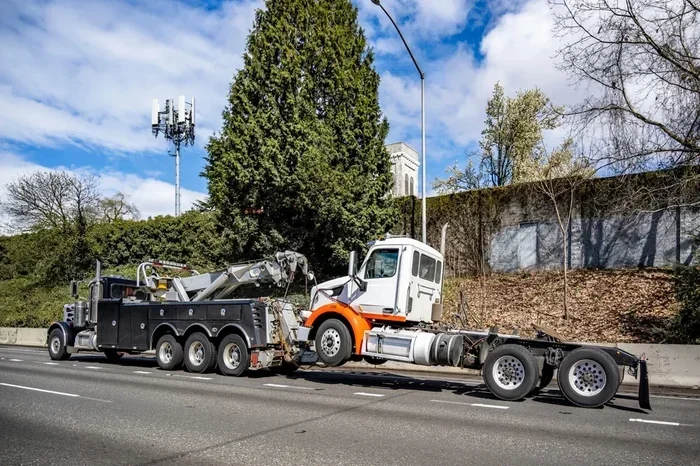
What Size Truck Do I Need to Pull a 12000 lb Trailer
You need a heavy-duty truck with at least 12,000 lbs of towing capacity to pull a 12000 lb trailer safely. Full-size pickups like the Ford F-250, Ram 2500, or Chevrolet Silverado 2500 are the top choices for this kind of haul. The right trailer hitch, tow package, and towing brakes make all the difference in staying safe on the road.
Have you ever stood in a truck dealership and wondered, “What size truck do I need to pull a 12000 lb trailer?” It is a great question. Many people assume any pickup truck will do the job. But pulling a heavy trailer is not something you want to guess about. The wrong truck can strain your engine, damage your transmission, and put lives at risk.
The good news is that you do not need to figure this out alone. This guide breaks down everything you need to know. We will cover towing capacity, hitch types, truck models, and real-world tips. By the end, you will feel confident choosing the right rig for the job.
Let us dive in and help you find the perfect truck for your 12000 lb trailer.
Key Takeaways
- Choose a heavy-duty truck: A one-ton or 2500/3500 class truck is essential for towing a 12000 lb trailer safely.
- Check the towing capacity: Always match your truck’s towing specs to the trailer weight before you buy.
- Pick the right hitch: A gooseneck or fifth wheel hitch offers the best stability for heavy loads.
- Don’t ignore payload: Your truck bed and axles must handle the trailer tongue weight plus cargo.
- Add towing brakes: A trailer braking system improves stopping power and keeps you safe on the road.
- Look for a diesel engine: Diesel trucks deliver more torque, which makes pulling heavy trailers much easier.
📑 Table of Contents
Understanding Towing Capacity for a 12000 lb Trailer
When you ask, “What size truck do I need to pull a 12000 lb trailer?” the first thing to understand is towing capacity. Towing capacity is the maximum weight a truck can safely pull behind it. This number is not the same as payload capacity. Payload is the weight the truck itself carries in the bed and cabin. Towing capacity is about what hangs behind the truck.
Every truck manufacturer lists towing specs in the owner manual and on their website. These numbers come from rigorous testing. They account for engine power, frame strength, brakes, and suspension. Always check the official towing capacity before you commit to a truck and trailer combo.
Key terms to know:
- Gross Vehicle Weight Rating (GVWR): The maximum total weight of the truck plus cargo and passengers.
- Gross Combined Weight Rating (GCWR): The maximum weight of the truck, trailer, cargo, and passengers combined.
- Trailer tongue weight: The downward force the trailer hitch puts on the truck bed. This should be about 10 to 15 percent of the total trailer weight.
For a 12000 lb trailer, you want a truck with a towing capacity of at least 13,000 to 14,000 lbs. This gives you a safety buffer. Never max out your truck’s limits. A buffer helps with wind, road conditions, and unexpected weight shifts. Think of it as a comfort zone for your rig.
Always consult a towing capacity chart from the manufacturer. These charts break down towing limits by engine option, axle ratio, and cab configuration. A small change in setup can shift your towing capacity significantly. Do your homework before you buy.
Best Truck Types for Towing a 12000 lb Trailer
Not all trucks are built the same. When it comes to pulling a 12000 lb trailer, you need serious power. Let us look at the best options available on the market today.
Half-Ton Trucks
Half-ton trucks like the Ford F-150 and Ram 1500 are popular daily drivers. They work great for light towing. But can a half-ton truck pull 12000 lbs? Some models with a max tow package can reach 13,000 to 14,000 lbs. The Ford F-150 Raptor and Ram 1500 Rebel are examples. However, these trucks push their limits with a load this heavy. It is not the most comfortable or safest choice for regular use.
If you only tow occasionally and the load is well under 12,000 lbs, a half-ton truck might work. But for consistent heavy hauling, you should look at a bigger truck.
Three-Quarter-Ton Trucks
This is where things get more serious. Three-quarter-ton trucks are designed for heavy hauling. Popular models include the Ford F-250, Ram 2500, Chevrolet Silverado 2500, and GMC Sierra 2500. These trucks have stronger frames, better cooling systems, and more robust transmissions. Most three-quarter-ton trucks can tow between 14,000 and 18,000 lbs easily. For a 12000 lb trailer, they offer a comfortable margin of safety.
The truck bed on a three-quarter-ton is also wider and stronger. This makes it easier to mount a gooseneck or fifth wheel hitch. If you plan to tow a 12000 lb trailer regularly, this is the class to consider.
One-Ton Trucks
One-ton trucks are the heavy champions. Think of the Ford F-350, Ram 3500, Chevrolet Silverado 3500, and GMC Sierra 3500. These trucks can tow 20,000 lbs or more. They are ideal if you plan to tow frequently or carry heavy cargo. A diesel engine option in a one-ton truck is a game-changer. Diesel engines deliver massive torque at low RPMs. This makes pulling heavy loads smoother and more efficient.
One-ton trucks also come with a higher payload rating. This means they can handle the tongue weight of your trailer plus extra cargo in the truck bed. If you are hauling equipment, livestock, or an RV, a one-ton truck gives you peace of mind.
Quick comparison of truck classes:
- Half-Ton (F-150, 1500): Max tow 12,000 to 14,000 lbs. Best for occasional light hauling.
- Three-Quarter-Ton (F-250, 2500): Max tow 14,000 to 18,000 lbs. Best for regular 12000 lb trailer towing.
- One-Ton (F-350, 3500): Max tow 20,000+ lbs. Best for frequent heavy towing and maximum safety margin.
For most people pulling a 12000 lb trailer, a three-quarter-ton truck is the sweet spot. It balances capability, comfort, and cost perfectly.
Hitch Options for a 12000 lb Trailer
The hitch is the connection point between your truck and trailer. Choosing the right hitch is critical for safety and stability. A poor hitch choice can lead to swaying, jackknifing, or even a detached trailer on the highway.
Bumper Hitch
A bumper hitch attaches to the rear bumper. It is simple and affordable. But bumper hitches are not rated for 12000 lbs. They are meant for smaller trailers, usually under 5000 lbs. Do not use a bumper hitch for a heavy trailer. It is a serious safety risk that no budget savings are worth.
Gooseneck Hitch
A gooseneck hitch sits in the truck bed over the rear axle. It provides excellent stability because the weight sits directly over the axle. Gooseneck hitches are popular with ranchers and heavy haulers. They are compact and allow for tight turning. For a 12000 lb trailer, a gooseneck hitch is a solid and reliable choice.
Fifth Wheel Hitch
A fifth wheel hitch also sits in the truck bed. It uses a kingpin connection instead of a ball. Fifth wheel setups are the most stable option for heavy towing. They are the go-to choice for large horse trailers, RVs, and heavy equipment haulers. If you tow a 12000 lb trailer regularly, a fifth wheel hitch is worth the investment. The added stability makes long highway drives much more comfortable.
Receiver Hitch
A receiver hitch slides into a receiver tube on the truck frame. They come in different sizes, like Class III, IV, and V. Class V receiver hitches are rated for the heaviest loads. Make sure your hitch receiver is rated for at least 12,000 lbs. Check the towing capacity chart on the hitch manufacturer’s website for the exact rating.
Expert tip: Always have a professional install your hitch. A poorly installed hitch can come loose on the road. This is one of the most common causes of trailer accidents. A proper installation ensures your hitch receiver and all connections are secure.
Key Specs to Check Before You Buy
Before you buy a truck for a 12000 lb trailer, check these specs carefully. Skipping this step is one of the biggest mistakes new towers make.
Engine and Torque
Torque is the twisting force that gets your truck moving with a heavy load. More torque means easier towing, especially from a stop or up a hill. Diesel engines excel here. A Ford Power Stroke, Ram Cummins, or Chevrolet Duramax diesel engine can produce over 900 lb-ft of torque. Gas engines work too, but they may struggle on steep hills or hot days. If you tow often, a diesel engine is the better long-term choice.
The towing specs for a truck are closely tied to its torque output. Always compare torque numbers when evaluating trucks for your trailer. A truck with high torque at low RPMs will haul more easily and burn less fuel under load.
Transmission
Your truck’s transmission handles the gear shifting under load. A 10-speed automatic transmission is common in modern heavy-duty trucks. These transmissions shift smoothly and keep the engine in its power band. Some trucks also offer a towing mode. This mode adjusts shift points and throttle response for better towing performance. Always check that the truck has a tow package included in the specs.
Cooling System
Towing a heavy trailer puts extra stress on the engine. The cooling system must handle the extra heat. Look for trucks with upgraded radiators and transmission coolers. Heavy-duty trucks often come with these features standard. If you plan to tow in hot climates or on mountain roads, extra cooling is essential. An overheating engine can cause serious damage on a long haul.
Braking System
A 12000 lb trailer adds a lot of stopping weight. Your truck needs strong brakes to bring everything to a halt. Many heavy-duty trucks come with trailer brake controllers. This device lets you apply the trailer brakes from the truck cab. Towing brakes are not optional at this weight. They are a must-have for towing safety. Without them, your truck brakes do all the work, which leads to overheating and brake fade on long downhill stretches.
Common mistake: Many buyers focus only on towing capacity and forget about payload. Your truck must carry the trailer tongue weight plus any cargo in the bed. Check the payload rating on the door jamb sticker. Make sure it can handle the combined weight of the trailer tongue, passengers, and cargo.
Common Mistakes People Make When Towing a Heavy Trailer
Even with the right truck, mistakes happen. Here are the most common ones to avoid when towing a 12000 lb trailer.
Underestimating Total Weight
People often forget to count cargo, passengers, and fuel in the total weight. A 12000 lb trailer plus 500 lbs of cargo plus 400 lbs of passengers adds up fast. Always calculate the gross combined weight before you hit the road. Use a truck scale at a local weigh station to verify your numbers. It is better to know for sure than to guess.
Skipping the Trailer Brakes
Trailer brakes are essential for a 12000 lb load. Without them, your truck brakes do all the work. This leads to overheating, longer stopping distances, and potential brake failure. Make sure your trailer has its own braking system and that it is properly connected to the truck. A trailer braking system can be the difference between a safe stop and a dangerous one.
Using the Wrong Hitch
We mentioned this before, but it bears repeating. Using a bumper hitch or a small receiver hitch for a 12000 lb trailer is dangerous. Always use a hitch rated for the weight you are pulling. Check the hitch rating label and match it to your truck trailer weight. When in doubt, go one size up for extra safety.
Ignoring Tire Pressure
Both the truck tires and trailer tires need proper inflation. Underinflated tires overheat and can blow out at highway speeds. Check tire pressure before every trip. Carry a tire pressure gauge in your truck bed. This small habit can prevent a major breakdown on the road.
Not Adjusting Driving Habits
Towing a heavy trailer changes how you drive. You need more stopping distance. You need wider turns. You need to use lower gears on downhill slopes. Do not drive the same way you do without a trailer. Aggressive driving with a heavy load is one of the leading causes of towing accidents.
Tips for Safe and Efficient Towing
Now that you know what truck to pick and what to avoid, here are some practical tips to make your towing experience better.
1. Do a pre-trip inspection every time. Check the hitch connection, trailer lights, tire pressure, and brake fluid. A quick walk-around takes five minutes but can prevent a major problem on the highway.
2. Use a weight distribution hitch. This spreads the trailer tongue weight evenly across all axles. It improves stability and prevents the truck from sagging in the rear. A weight distribution system is especially helpful with a 12000 lb trailer.
3. Plan your route. Avoid steep mountain passes if possible. Know where rest stops and fuel stations are along the way. Towing a 12000 lb trailer reduces your fuel economy significantly. Plan for more frequent fuel stops than you normally would.
4. Practice in an empty parking lot. Before you hit the highway, practice turning, backing up, and braking with your loaded trailer. It takes time to get used to the extra length and weight. The more you practice, the more confident you will become.
5. Keep your speed steady. Driving too fast with a heavy trailer is one of the leading causes of accidents. Use cruise control on flat highways. On inclines, let the speed drop slightly and let the engine do the work. Stay within the speed limit and give yourself extra time to reach your destination.
6. Invest in a good towing mirror. Your standard mirrors may not give you enough visibility with a wide trailer. Extended towing mirrors help you see the full width of the trailer and any vehicles in your blind spots. This is a simple upgrade that makes a big difference.
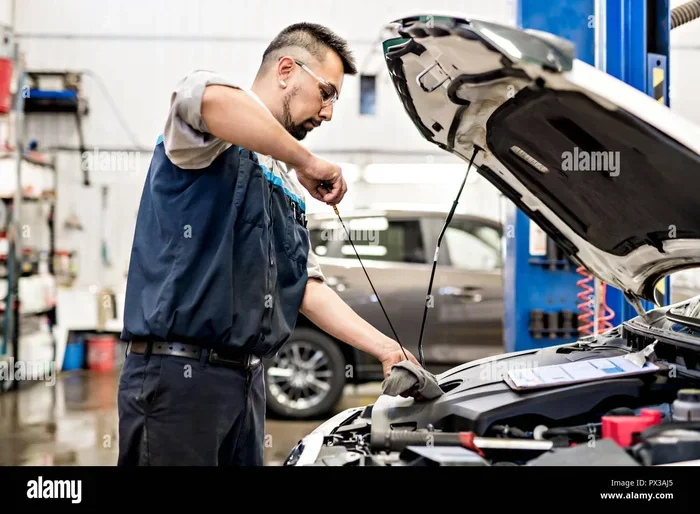
7. Maintain your truck regularly. Towing wears out brakes, transmission fluid, and engine oil faster. Follow the severe service maintenance schedule. Change fluids more often if you tow frequently. A well-maintained truck is a safe and reliable truck.
Conclusion
So, what size truck do I need to pull a 12000 lb trailer? The answer is clear. You need a heavy-duty truck with a towing capacity well above 12,000 lbs. A three-quarter-ton truck like the Ford F-250 or Ram 2500 is a great starting point. If you tow often, a one-ton truck with a diesel engine gives you the most power and peace of mind.
Do not forget the hitch. A gooseneck or fifth wheel hitch provides the best stability for this weight. Always check your towing specs, payload ratings, and braking systems before you tow. A trailer braking system and a proper weight distribution hitch are not optional extras. They are essential safety equipment.
Towing a 12000 lb trailer is a big responsibility. But with the right truck, the right setup, and the right knowledge, it is a task you can handle safely and confidently. Take your time, do your research, and never cut corners on safety. The road will reward you for it. Happy towing!
Frequently Asked Questions
Can a half-ton truck pull a 12000 lb trailer?
Some half-ton trucks with a max tow package can reach 13,000 to 14,000 lbs of towing capacity. However, this pushes the truck to its limits and is not ideal for regular heavy towing. A three-quarter-ton truck is a much safer and more comfortable choice for pulling a 12000 lb trailer consistently.
What is the best hitch for a 12000 lb trailer?
A gooseneck hitch or a fifth wheel hitch is the best option for a 12000 lb trailer. Both provide excellent stability because they sit over the rear axle. A Class V receiver hitch can also work if rated for the weight. Always check the hitch towing capacity chart before you buy.
Do I need a diesel truck to tow 12000 lbs?
You do not have to have a diesel truck, but it helps a lot. Diesel engines produce more torque, which makes pulling heavy loads easier and more fuel-efficient. A gas engine can tow 12000 lbs, but it may struggle on hills and long hauls. For frequent towing, a diesel engine is the better choice.
How do I calculate the total weight of my truck and trailer setup?
Add the trailer weight, cargo weight, passenger weight, and fuel weight together. Then compare this total to the truck’s Gross Combined Weight Rating (GCWR). You can find the GCWR on the door jamb sticker or in the owner manual. Never exceed this number for safe towing.
Are trailer brakes required for a 12000 lb trailer?
Yes, trailer brakes are essential for a 12000 lb trailer. Without them, your truck brakes must do all the stopping work, which causes overheating and longer stopping distances. Most states also require trailer brakes for loads over a certain weight. Check your local laws and always install a trailer braking system for heavy loads.
How often should I maintain my truck when towing regularly?
Follow the severe service maintenance schedule, which means more frequent oil changes, brake inspections, and fluid checks. Towing puts extra stress on the engine, transmission, and brakes. Changing fluids every 5,000 miles instead of the standard 7,500 miles is a good rule of thumb for regular towers.