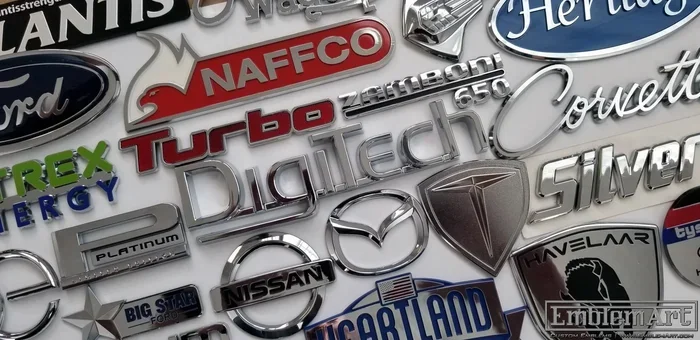
Car Badges and Emblems Your Ultimate Guide to Style
Car badges and emblems are more than just small pieces of metal or plastic on your vehicle. They tell a story about your car’s identity, heritage, and style. Whether you own a classic muscle car or a modern SUV, vehicle badges play a big role in how your ride looks and feels. In this guide, we will walk you through everything you need to know about car badges and emblems, from their history to styling tips and restoration tricks.
When you think about what makes a car stand out, you probably picture the sleek lines, the powerful engine, or the shiny wheels. But there is another detail that often gets overlooked. Car badges and emblems sit quietly on the hood, the grille, the trunk, and the doors. They may be small, but they carry big meaning. These tiny pieces of metal and plastic tell the world who made your car, what model it is, and sometimes even what era it belongs to.
If you are a car enthusiast, a classic car collector, or someone who just wants to make their daily driver look better, understanding car badges and emblems is essential. This guide covers everything from the history of vehicle badges to practical styling tips and restoration advice. By the end, you will know exactly how to use automotive badges to elevate your car’s look and personality.
Let us dive in and explore the world of car emblems together. Whether you are restoring a vintage ride or upgrading a modern vehicle, there is always something new to learn about these iconic details.
Key Takeaways
- Car badges and emblems define your vehicle’s identity and add personal style.
- There are many types, including hood ornaments, grille badges, trunk emblems, and door badges.
- Understanding the history of vehicle badges helps you appreciate their design and significance.
- Styling your car with the right automotive badges can boost its visual appeal and resale value.
- Custom and aftermarket emblems let you create a truly unique look for your ride.
- Proper maintenance and restoration keep your car emblems looking sharp for years.
- Avoid common mistakes like harsh chemicals or improper removal that can damage your badges.
📑 Table of Contents
What Are Car Badges and Emblems?
The Difference Between Badges and Emblems
People often use the words “badge” and “emblem” interchangeably. But there is a subtle difference. A car badge usually refers to a text-based identifier. Think of the letters that say “BMW” or “Chevrolet” on your hood or trunk. These badges display the brand name, model name, or engine type. They are functional and informative.
An emblem, on the other hand, is more visual. It is a symbol or design that represents the brand. The famous Mercedes-Benz three-pointed star is an emblem. The Mustang galloping horse is another great example. Emblems are often more artistic and decorative than badges.
In everyday conversation, most people call both of them car badges and emblems. And that is perfectly fine. They serve the same overall purpose. They identify your vehicle and add character.
Why Badges and Emblems Matter
You might wonder why something so small deserves so much attention. The answer is simple. Car badges and emblems are the face of your vehicle. They are the first thing people notice when they look at your car from the front or the back.
Here is why they matter:
- Brand identity: Badges instantly tell people who made your car and what model it is.
- Style and personality: A well-chosen hood ornament or grille badge gives your car a unique personality.
- Resale value: Collectors and buyers often look at the condition of vehicle badges when evaluating a car.
- Historical significance: Vintage badges connect your car to a specific era and automotive tradition.
- Customization: Swapping or adding automotive decals and emblems is an easy and affordable way to refresh your car’s look.
So yes, these small details pack a punch. They can turn an ordinary car into something that turns heads on the street.
A Brief History of Vehicle Badges
Early Days of Automotive Branding
The story of car badges and emblems goes all the way back to the early 1900s. In the beginning, cars were simple machines. But as competition grew, manufacturers needed a way to stand out. That is when brand logos and vehicle identification badges became essential.
Companies like Rolls-Royce, Mercedes-Benz, and Cadillac started placing distinctive symbols on their cars. The Rolls-Royce Spirit of Ecstasy hood ornament became one of the most recognized car emblems in history. These early badges were often handmade from brass, silver, or nickel. They were works of art in their own right.
During the 1920s and 1930s, automotive badges became more elaborate. Chrome plating became popular, and manufacturers invested heavily in designing badges that looked luxurious and prestigious. The goal was simple. Make the car look as expensive as it was.
The Golden Era of Chrome Badges
The 1950s and 1960s are often called the golden era of car badges and emblems. This was the time of chrome excess. Big fins, flashy grilles, and oversized badges covered everything from the hood to the rear fenders.
Think about classic American cars like the 1959 Cadillac or the 1957 Chevrolet Bel Air. Their grille badges and trunk emblems were massive and eye-catching. Every curve and chrome detail was designed to impress.
European luxury brands also thrived during this period. BMW introduced its famous blue and white roundel. Porsche added the Stuttgart crest to its vehicle badges. Each automotive decal and emblem told a story of heritage and quality.
As decades passed, trends shifted. The 1970s and 1980s saw simpler, more minimalist badge designs. But the passion for car emblems never died. Today, collectors and enthusiasts seek out vintage badges as prized possessions.
Types of Car Badges and Emblems
Hood Ornaments
Hood ornaments are perhaps the most iconic type of car badges and emblems. They sit right in the center of the hood and serve as the centerpiece of the front fascia. Classic examples include the Mercedes-Benz star, the Jaguar leaper, and the Rolls-Royce Spirit of Ecstasy.
Hood ornaments come in many forms. Some are three-dimensional sculptures. Others are flat chrome pieces. They can be made from metal, resin, or even crystal. Many collectors seek out vintage badges and hood ornaments from specific eras.
Today, some car manufacturers have moved away from hood ornaments due to safety regulations. But aftermarket options and replica automotive badges are widely available for enthusiasts who want that classic look.
Grille Badges
The grille is one of the most recognizable parts of any car. And the grille badge sitting right in the center is a key design element. Brands like Audi, BMW, and Lincoln use prominent grille badges to establish their visual identity.
Grille badges can be simple text logos or complex crest designs. They are usually made from chrome-plated steel or aluminum. Over time, these badges can fade, pit, or corrode. That is why many owners invest in badge restoration or replacement.
If you are restoring a classic car, finding the right grille badge can make or break the authenticity of the build. Original vehicle badges from the correct era are always the best choice.
Trunk and Tail Emblems
The trunk emblem is the badge on the rear of the car. It typically displays the brand name, model name, and sometimes the engine size or trim level. Think of the “Ford Mustang” script on the rear trunk or the “Corvette” emblem on the back of a Chevy.
Tail emblems also include fog lamp indicators, trim level badges, and country of origin markings. On European cars, you often see badges that indicate the engine type, such as “TDI” for Volkswagen or “AMG” for Mercedes-Benz.
These car emblems are essential for completing the look of the rear end. A missing or damaged trunk badge can make a car look incomplete. Many restoration projects focus specifically on finding or recreating the right trunk emblems.
Door and Quarter Badges
Door badges are found on the front doors, usually near the rocker panel. They display the model name, such as “Camry” or “Civic.” Quarter badges sit on the rear quarter panel and often indicate the trim level or special edition status.
These smaller automotive decals and badges are easy to overlook but play an important role in the overall appearance. When all the car badges and emblems on a car match and are in good condition, the vehicle looks polished and complete.
How to Style Your Ride with Badges
Choosing the Right Badge Style
Styling your car with car badges and emblems is an art. The right choices can completely transform the look and feel of your vehicle. But how do you choose the right style?
Start with your car’s overall theme. If you drive a classic muscle car, go for bold, chrome-heavy vintage badges. If you own a modern luxury sedan, opt for clean and minimalist vehicle badges with a sleek finish. For off-road trucks, rugged and bold emblems work best.
Here are some tips for choosing the right car emblems:
- Match the badge style to your car’s era and design language.
- Choose between chrome, brushed metal, blacked-out, or color-matched finishes.
- Consider the size of the badge relative to the car’s body panels.
- Think about whether you want original manufacturer logos or custom designs.
- Look at what other enthusiasts with similar cars are doing for inspiration.
The goal is to create a cohesive look. Every badge and emblem should feel like it belongs on the car.
Placement and Positioning Tips
Where you place your car badges and emblems matters just as much as which ones you choose. Wrong placement can look awkward and take away from the car’s design.
Here are some general guidelines:
- Center the hood badge or ornament for a balanced front view.
- Align grille badges with the center of the grille opening.
- Place trunk emblems in the middle of the tailgate or trunk lid.
- Mount door badges at belt height for a clean and proportional look.
- Keep quarter badges aligned with the body lines and character creases.
Proper placement gives your car a professional and factory-finished appearance. Take your time and measure before you stick or mount anything.
Custom and Aftermarket Emblems
Designing Your Own Badge
One of the most exciting trends in the car world is creating custom emblems. Custom car badges and emblems let you express your personality and make your vehicle truly one of a kind.
You can design your own badge with a custom logo, initials, or a unique symbol. Many online shops and local fabricators offer custom emblem services. You provide the design, and they produce a high-quality badge in chrome, stainless steel, or even carbon fiber.
Custom automotive badges are popular for:
- Adding a personal touch to a daily driver.
- Creating a unique brand identity for a custom build.
- Replacing worn-out original badges with a fresh custom look.
- Building a themed car for car shows and events.
Just make sure your custom design does not violate any trademark laws. Using another brand’s logo without permission can lead to legal issues.
Popular Custom Emblem Trends
Right now, several custom emblem trends are trending in the car community. Blacked-out badges are hugely popular. They give cars a stealthy, aggressive look. Many owners replace chrome badges with blacked-out versions for a modern and understated appearance.
Another trend is color-matched badges. Instead of chrome or silver, these badges are painted to match the car’s body color. This creates a seamless and factory-integrated look.
Vintage-style badges are also making a comeback. Owners of modern cars are adding retro car emblems to give their vehicles a classic feel. Think of a modern Mustang with a vintage-style galloping horse emblem or a new truck with retro chrome badging.
Whatever trend you follow, the key is consistency. Stick with a theme and make sure all your vehicle badges and emblems work together.
Maintaining and Restoring Car Badges
Cleaning Tips for Shiny Badges
Keeping your car badges and emblems clean is one of the easiest ways to improve your car’s appearance. Over time, badges collect dirt, grime, road tar, and oxidation. A little regular care goes a long way.
Here is a simple cleaning routine:
- Start by rinsing the badges with warm water to remove loose dirt.
- Apply a small amount of car-safe soap with a soft microfiber cloth.
- Gently scrub around the edges and details of the badge.
- Rinse thoroughly and dry with a clean, soft cloth.
- For chrome badges, apply a thin layer of chrome polish to restore shine.
Avoid using harsh abrasives or steel wool. These can scratch the finish and damage the badge permanently. Stick with soft cloths and gentle cleaners.
Common Mistakes to Avoid
When it comes to badge restoration and maintenance, many people make the same mistakes. Here are a few to watch out for:
- Using wire brushes or harsh scrubbers: These can scratch and pit chrome and paint finishes.
- Applying too much heat: When removing badges, excessive heat can damage the paint underneath.
- Using the wrong adhesive: When reattaching badges, use automotive-grade adhesive specifically designed for exterior use.
- Ignoring rust underneath: If a badge is covering rust, remove it first and treat the rust before reapplying.
- Buying cheap reproductions: Low-quality replacement badges often look fake and fade quickly.
Avoiding these mistakes will save you time, money, and frustration. Your car emblems will look better and last longer.
Comparison: Original vs. Aftermarket Badges
When it is time to replace or upgrade your car badges and emblems, you will face a common decision. Should you go with original equipment or aftermarket options? Here is a helpful comparison.
| Feature | Original Badges | Aftermarket Badges |
|---|---|---|
| Authenticity | Exact match to factory specs | Varies by manufacturer |
| Quality | High-grade materials and finish | Range from budget to premium |
| Price | Usually more expensive | Often more affordable |
| Availability | Can be hard to find for older cars | Widely available online |
| Customization | Limited to factory options | Wide range of styles and finishes |
| Durability | Built to last the life of the car | Varies; check reviews |
Both original and aftermarket vehicle badges have their place. If you are restoring a classic car to show condition, original badges are the way to go. If you are looking for an affordable upgrade or a custom look, quality aftermarket automotive badges can be a great choice.
The key is to research and buy from reputable sellers. Read reviews, check return policies, and compare options before you commit.
Conclusion
Car badges and emblems are small details that make a massive difference. They define your car’s identity, add style, and connect you to the rich history of automotive design. From classic hood ornaments to modern grille badges, these elements deserve your attention and care.
Whether you are restoring a vintage classic, customizing a modern ride, or simply keeping your daily driver looking sharp, the right car emblems and badges can take your vehicle to the next level. Choose styles that match your car’s personality, maintain them properly, and do not be afraid to explore custom options.
Now that you have all the knowledge about car badges and emblems, it is time to put it into action. Take a close look at your vehicle. Identify which badges need cleaning, replacement, or upgrading. Make the changes that feel right for you and your car. Your ride deserves to look as good as it drives.
Frequently Asked Questions
What are car badges and emblems made of?
Car badges and emblems are made from a variety of materials including chrome-plated steel, aluminum, stainless steel, ABS plastic, resin, and even crystal or glass for premium hood ornaments. The material choice depends on the brand, era, and intended look of the badge.
Can I remove car badges without damaging the paint?
Yes, you can remove car badges and emblems without damaging the paint. The key is to use heat gently from a hair dryer or heat gun to soften the adhesive. Then use a dental floss or fishing line to slide behind the badge and separate it from the surface. Finish with a adhesive remover to clean any residue.
Are custom emblems legal to use on my car?
Custom car emblems are generally legal as long as they do not copy a trademarked logo or mislead others about the vehicle’s manufacturer or model. Always check local regulations and avoid using emblems that could be confused with another brand’s official badges.
How do I restore corroded chrome badges?
To restore corroded vehicle badges, start by cleaning them with a mixture of white vinegar and baking soda. For deeper corrosion, use a chrome-specific polish or a chrome restoration kit. If the badge is beyond repair, consider purchasing a quality replacement or having it professionally rechromed.
What is the difference between a badge and a decal?
A badge is typically a three-dimensional piece made of metal or hard plastic that is mounted to the car. A decal is a thin, flat sticker or vinyl application. Car badges and emblems tend to be more durable and premium-looking, while decals are more affordable and easier to apply or remove.
Where can I buy authentic replacement car badges?
You can find authentic car badges and emblems at dealership parts departments, specialty automotive parts stores, online marketplaces like eBay, and dedicated classic car parts suppliers. Always verify the part number and fitment before purchasing to ensure you get the right badge for your vehicle.