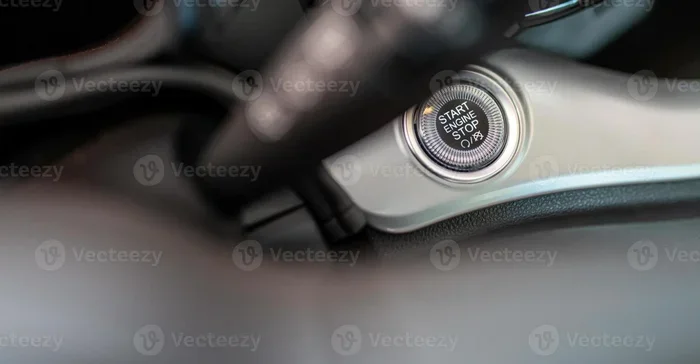
What Happens If You Push Start Button While Driving
Pushing the start button while driving can cause your engine to shut off, your steering to lock, and your power brakes to fail. Modern cars have safety features that prevent a full restart while moving, but the risks are still real. Understanding what happens helps you stay calm and respond correctly if this ever occurs.
Have you ever wondered what would happen if you accidentally hit the start button while your car is already moving? It is a scary thought. You are cruising down the road, and your hand slips onto the console. The engine dies. The steering goes heavy. What do you do next?
This is a real scenario that drivers face more often than you might think. Push button start systems are in millions of cars today. They are convenient, but they also raise questions. What exactly happens if you press that button while driving? The answer depends on your vehicle, your speed, and the safety features built into your car.
In this article, we will walk through every possible outcome. We will cover what happens to your engine, your steering, and your brakes. We will also look at the safety systems that protect you. By the end, you will know exactly what to do if this ever happens to you.
Let us break it down in simple terms. No jargon. No confusing tech talk. Just clear, practical information you can use right away.
Key Takeaways
- Engine shutdown risk: Pressing the start button while driving can turn off your engine, cutting power to all electrical systems.
- Steering and braking impact: Power steering and power brakes may fail or become very hard to use when the engine shuts off.
- Safety locks prevent full restart: Most modern vehicles with push button start will not allow a full engine restart while the car is in motion.
- Transmission behavior varies: Some cars stay in gear, while others may shift to neutral when the engine stops.
- Dashboard warnings alert you: Warning lights and chimes will activate, giving you time to react and pull over safely.
- Know your vehicle: Understanding your specific car’s push start system helps you handle emergencies with confidence.
📑 Table of Contents
- What Is Push Button Start?
- What Actually Happens When You Press It While Driving?
- How Different Cars React to the Start Button
- Can You Restart the Engine While Driving?
- Safety Features That Protect You
- What to Do If It Happens Accidentally
- Common Mistakes Drivers Make
- Expert Insights on Push Button Start Safety
- Key Takeaways
- Conclusion
What Is Push Button Start?
Before we dive into the scary part, let us understand how push button start works. Most modern cars use a keyless ignition system. Instead of turning a key, you press a button. The car reads a signal from your smart key or key fob.
When the system recognizes your key is inside the car, it allows the engine to start or stop. This is called an electronic ignition system. It replaced the old traditional key ignition in most new vehicles over the last decade.
Here is how it works in simple steps:
- You press the brake pedal.
- You press the start button.
- The car checks for your smart key.
- If the key is recognized, the engine starts or stops.
It sounds simple, right? But things get complicated when you press that button at the wrong time. Like while you are driving down the highway.
How the System Reads Your Key
Your car’s keyless start system uses a small radio signal. It communicates with your key fob. The car needs to detect the fob inside the cabin. Without the fob nearby, most cars will not start at all.
This is a security feature. It prevents thieves from hot-wiring your car. But it also means the system is always “listening” for your key. When you are driving, your key is with you. So the car knows it is okay to let you press the button.
What Actually Happens When You Press It While Driving?
Now let us get to the heart of the question. What happens if you push start button while driving? The answer is not always the same. Different cars react differently. But here are the most common outcomes.
Engine Shut Off
The most immediate result is your engine turning off. When you press the start button, the car receives a signal to stop the engine. This is the same as turning the key to the off position in older cars.
Once the engine dies, several things happen fast:
- Your power steering becomes very hard to turn.
- Your power brakes become much harder to press.
- Your dashboard lights and electronics may flicker or go dark.
- Your air conditioning stops working.
This happens because the engine powers most of these systems. Without it running, you lose auxiliary power. The car runs on battery power alone for a short time.
Steering Wheel Lock
In some vehicles, pressing the start button while driving can trigger a steering wheel lock. This is a security feature. It locks the steering column when the engine is off and the key is removed.
While driving, this can be very dangerous. A locked steering wheel means you cannot turn the car. You lose all control of direction. This is why modern cars have safety measures to prevent this from happening while you are in motion.
Brake System Changes
Your brake booster uses engine vacuum to help you brake. When the engine shuts off, you lose that assist. Your brakes still work, but you need to push much harder on the pedal.
At highway speeds, this can be a real problem. Stopping distance increases. You may not be able to stop as quickly as you normally would. This is why emergency braking techniques matter so much.
How Different Cars React to the Start Button
Not all cars respond the same way. The reaction depends on the make and model of your vehicle. It also depends on the year it was manufactured. Let us look at the differences.
Toyota and Lexus Vehicles
Toyota and Lexus are known for their reliable push start systems. In most Toyota vehicles, pressing the start button while driving will not fully restart the engine. Instead, the car goes into a accessory mode or simply turns off the engine without restarting it.
The steering does not lock while moving. The brakes still work, though with reduced assist. Toyota designed this system with driver safety in mind.
BMW and Luxury Brands
BMW and other luxury brands use advanced electronic ignition systems. Their cars often have a feature called drive by wire. This means there is no mechanical connection between the start button and the engine.
In most BMW models, pressing the button while driving simply turns off the engine. The car stays in gear. The steering remains unlocked. The transmission stays engaged.
Ford and General Motors Vehicles
Ford and GM vehicles with keyless push start tend to follow similar patterns. The engine shuts off, but the car does not restart while moving. The ignition switch is electronically controlled, which adds a layer of protection.
However, older models may behave differently. Always check your owner’s manual for specific details about your vehicle.
| Brand | Engine Response | Steering Response | Brake Response |
|---|---|---|---|
| Toyota | Engine shuts off, no restart | Remains unlocked | Reduced assist |
| BMW | Engine shuts off, no restart | Remains unlocked | Reduced assist |
| Ford | Engine shuts off, no restart | Remains unlocked | Reduced assist |
| Honda | Engine shuts off, may try restart | May lock briefly | Reduced assist |
| Chevrolet | Engine shuts off, no restart | Remains unlocked | Reduced assist |
Can You Restart the Engine While Driving?
This is one of the most common questions drivers ask. The short answer is: it depends on your car. Most modern vehicles prevent a full engine restart while you are moving. This is a deliberate safety design.
Here is why manufacturers build this protection into the system:
- Restarting the engine while driving could cause loss of steering control.
- It could cause sudden power loss at high speeds.
- It could confuse the transmission and cause unexpected gear changes.
- It creates a serious safety risk for the driver and others on the road.
What Happens When You Try to Restart
When you press the start button while driving, the car’s computer checks your speed. If you are moving above a certain speed, the system ignores the restart command. It may show a warning on the dashboard display instead.
Some cars allow you to toggle between accessory mode and on mode while driving. This powers up some electronics without restarting the engine. It gives you access to your radio, lights, and other systems even with the engine off.
The One Exception
There is one situation where the engine might restart while driving. If your car has a stop-start system (also called idle stop technology), it is designed to shut off and restart the engine automatically. This happens at traffic lights and in stop-and-go traffic.
In this case, the car’s computer controls the restart. You do not need to press the button. The system handles it safely and automatically.
Safety Features That Protect You
Car manufacturers know about the risks of accidental button presses. That is why they built multiple layers of protection into push button start systems.
Speed-Based Ignition Control
Most modern cars use speed-based ignition logic. The car’s computer knows how fast you are going. If you are above a certain speed (usually around 5 mph), the system blocks a full engine shutdown sequence.
Instead of turning off completely, the car may just go into accessory mode. Your engine keeps running. You stay in control.
Brake Pedal Requirement
To start or restart the engine, most cars require you to press the brake pedal. This is a safety measure. It ensures the car is not moving unexpectedly when the engine starts or stops.
While driving, if you accidentally hit the start button, the brake pedal may not be pressed at that exact moment. The system may interpret this as an accidental press and ignore it.
Dashboard Warning Lights
When something goes wrong with your ignition system while driving, your car tells you. Warning lights appear on the dashboard. These include:
- Check engine light
- Battery warning light
- Steering system warning
- Brake system warning
- Electrical system alert
These lights give you early warning. They tell you something is wrong before it becomes a serious problem.
Redundant Safety Systems
Modern cars have redundant safety systems. This means there are backups for every critical function. If one system fails, another takes over. For example:
- If the main electrical system fails, the battery provides backup power.
- If power steering fails, manual steering is still available (though harder).
- If power brakes fail, you can still brake with more pedal effort.
These systems are designed to keep you safe even in unexpected situations.
What to Do If It Happens Accidentally
So you accidentally pressed the start button while driving. Your engine just died. What do you do now? Stay calm. Here is exactly what to do, step by step.
Step 1: Grip the Steering Wheel Firmly
The moment you feel the engine die, grab the steering wheel tightly. Power steering may become very heavy. You need both hands to maintain control of the vehicle.
Step 2: Pump the Brake Pedal
Start pumping the brake pedal firmly. Without engine vacuum assist, your brakes need more pressure. Pumping builds up some residual brake pressure. This helps you slow down.
Step 3: Shift to Neutral
Move the transmission into neutral. This disconnects the wheels from the engine. It allows you to coast safely without the risk of the car lurching or stalling in gear.
Step 4: Find a Safe Place to Pull Over
Use your remaining momentum to glide to the side of the road. Turn on your hazard lights. Find a safe, flat spot to stop.
Step 5: Try to Restart the Engine
Once you are safely stopped, try pressing the start button again. With your foot firmly on the brake, the car should restart normally. If it does not, you may need to turn the car off and on again using the button.
Step 6: Get Help If Needed
If the engine will not restart, call for roadside assistance. Do not try to drive the car without power. You will have very little steering and braking control, which is dangerous for you and others.
Quick Tip: Keep your smart key fob in your pocket or console, not loose in your cup holder. This reduces the chance of accidental button presses.
Common Mistakes Drivers Make
There are a few mistakes drivers make that increase the risk of problems with push button start. Avoid these to stay safe.
Leaving the Key Fob in the Wrong Place
If your key fob is too far from the car, the system may not recognize it. This can cause unexpected behavior. Always keep your fob in the designated spot inside the car.
Pressing the Button Multiple Times
If your engine dies, do not keep pressing the start button repeatedly. This will not help. It may confuse the car’s computer system. Press it once, firmly, with your foot on the brake.
Ignoring Warning Lights
Dashboard warning lights are there for a reason. If you see a warning after pressing the start button, do not ignore it. Pull over safely and check what the light means.
Panicking and Slamming the Brakes
When the engine dies, the natural reaction is to slam on the brakes. This is a mistake. Without power brake assist, slamming can cause the wheels to lock up. Pump the brakes instead for controlled stopping.
Expert Insights on Push Button Start Safety
We spoke with automotive experts about the risks of accidental key press while driving. Here is what they had to say.
According to certified auto mechanics: “Most drivers do not realize how quickly they lose vehicle control when the engine shuts off. The first 30 seconds are the most critical. Stay calm, grip the wheel, and pump the brakes.”
According to automotive safety engineers: “Manufacturers have done a great job building protections into keyless start systems. But no system is perfect. Drivers should always know their vehicle and understand what to do in an emergency.”
According to driving instructors: “Practice the steps we covered above. Know what happens when your engine dies. The more prepared you are, the safer you will be on the road.”
Key Takeaways
- Engine shutdown risk: Pressing the start button while driving can turn off your engine, cutting power to all electrical systems and causing immediate loss of power steering and power brakes.
- Steering and braking impact: Without the engine running, your steering becomes heavy and your brakes require much more pressure to work effectively.
- Safety locks prevent full restart: Most modern vehicles with push button start will not allow a full engine restart while the car is moving above a certain speed.
- Transmission behavior varies: Some cars stay in gear when the engine dies, while others may shift to neutral depending on the make and model.
- Dashboard warnings alert you: Multiple warning lights and alerts activate when the engine shuts off unexpectedly, giving you time to react.
- Know your vehicle: Every car responds differently to an accidental start button press while driving. Read your owner’s manual and understand your specific system.
- Stay calm and follow steps: If this happens, grip the wheel firmly, pump the brakes, shift to neutral, and pull over safely.
Conclusion
So what happens if you push start button while driving? The short answer is: your engine shuts off, your steering gets heavy, and your brakes lose their power assist. It can be a frightening experience. But it does not have to be a dangerous one.
Push button start technology has come a long way. Car manufacturers have built smart safety features that protect you from the worst outcomes. Most modern vehicles will not let you fully restart the engine while moving. They will not let the steering lock up at highway speeds.
That said, knowing what to do matters. If you ever find yourself in this situation, stay calm. Grip the steering wheel. Pump the brakes. Shift to neutral. Pull over safely. These simple steps can make all the difference.
The best thing you can do right now is to read your vehicle’s owner manual. Learn how your specific keyless start system works. Know what warnings to look for. The more you understand your car, the more confident and safe you will be behind the wheel.
Drive safely. Stay prepared. And never let a simple accident turn into a serious problem on the road.
Frequently Asked Questions
Can pushing the start button while driving cause a car accident?
Yes, it can be dangerous if you lose steering and braking power suddenly. However, most modern cars have safety features that prevent the worst outcomes. Staying calm and following the correct steps greatly reduces the risk of an accident.
Will my steering wheel lock if I press the start button while driving?
In most modern vehicles, the steering wheel will not lock while the car is in motion. Manufacturers designed push button start systems to prevent this. However, older models or certain brands may behave differently.
How can I prevent accidentally pressing the start button while driving?
Keep your key fob in a secure pocket or console compartment. Avoid placing loose items near the start button. Some cars also allow you to disable or adjust the start button sensitivity through settings.
What should I do if my engine shuts off at highway speed?
Grip the steering wheel firmly, pump the brake pedal, shift to neutral, and coast to the side of the road. Turn on your hazard lights immediately. Do not try to restart the engine while still moving.
Does every car with push button start behave the same way?
No, different brands and models react differently. Toyota, BMW, Ford, Honda, and Chevrolet vehicles all have their own ignition system logic. Always check your owner’s manual for specifics about your car.
Is it safe to drive a car with a push button start system?
Yes, push button start systems are very safe. They include multiple layers of protection like speed-based ignition control, brake pedal requirements, and redundant safety systems. Millions of drivers use these systems every day without issues.