When Can Babies Face Forward in a Car Seat Made Simple
Knowing when can babies face forward in a car seat is one of the most important decisions new parents make. Most experts, including the AAP, recommend keeping babies rear-facing until they reach the maximum height or weight limit for their seat. This guide breaks down the simple rules, common mistakes, and practical tips so you can protect your child with confidence.
Key Takeaways
- Keep babies rear-facing as long as possible: The AAP and NHTSA recommend rear-facing until your child reaches the seat’s maximum limit.
- There is no magic age: The minimum age to face forward is two years old, but weight and height matter more than age.
- Check your seat manual: Every convertible car seat has its own rear-facing weight and height limits.
- Rear-facing protects the head, neck, and spine: This position spreads crash forces across a larger area of a baby’s body.
- Never rush the switch: Turning a child forward-facing too early increases injury risk significantly.
- Five-point harness seats offer the best protection: Use them until your child outgrows the harness, not just the direction.
- Professional installation helps: Get your car seat checked by a certified technician for added safety.
📑 Table of Contents
- When Can Babies Face Forward in a Car Seat? The Simple Answer
- Why Rear-Facing Is So Important for Babies
- When to Switch to a Forward-Facing Car Seat
- How to Choose the Right Car Seat for Your Baby
- Common Mistakes Parents Make with Car Seat Direction
- Expert Tips for a Smooth and Safe Transition
- When Can Babies Face Forward in a Car Seat? The Bottom Line
- Frequently Asked Questions
When Can Babies Face Forward in a Car Seat? The Simple Answer
If you are a new parent or soon-to-be parent, you have probably wondered about this exact question. When can babies face forward in a car seat? The short answer is: not as early as many people think. The long answer is a bit more detailed, but this guide makes it simple.
The American Academy of Pediatrics, or AAP, recommends that all babies ride rear-facing for as long as possible. This means until they reach the highest weight or height limit allowed by their specific car seat. There is no set age that automatically means it is time to switch. The two-year mark is a minimum guideline, not a deadline.
Many parents feel pressure to turn their baby forward-facing early. Family members might say things like, “My kids faced forward at one year and they were fine.” But here is the truth. Car seat safety rules have changed a lot over the years. Modern research shows that rear-facing is far safer for young children. Your baby’s head, neck, and spine are still developing. Rear-facing supports all of these parts during a crash.
Child passenger safety starts with the right direction. And that direction is almost always rear-facing for infants and toddlers. So let us break down exactly what you need to know, step by step.
Keep reading to learn about weight limits, height limits, the best seats for your baby, and how to make the switch safely when the time comes.
Why Rear-Facing Is So Important for Babies
How a Baby’s Body Responds to Crash Forces
Babies have very large heads compared to their bodies. Their neck muscles and spinal cords are still developing and are not fully strong yet. In a frontal collision, which is the most common and most dangerous type of crash, a forward-facing baby’s head snaps forward. This puts extreme stress on the neck and spine.
When a child rides rear-facing, the car seat moves with the child. The seat cradle supports the head, neck, and back all at once. Crash forces are spread across a much larger surface area. This dramatically reduces the risk of serious injury.
Studies from the NHTSA guidelines show that rear-facing seats are up to five times safer for children under two compared to forward-facing seats. That is a huge difference.
Rear-Facing vs. Forward-Facing: What the Experts Say
The AAP recommendations on car seat safety are clear. Children should remain rear-facing until they reach the maximum height or weight limit for their seat. Many convertible seats allow rear-facing up to 40 to 50 pounds. Some even go higher.
Here is a quick comparison to help you understand the difference.
- Rear-facing: Supports the entire back, head, and neck. Crash forces spread across the whole body. Best for babies and toddlers.
- Forward-facing: Restrains the body with a harness but allows the head and neck to move forward in a crash. Suitable for older toddlers and young children who have outgrown rear-facing limits.
Think of it this way. Rear-facing is like a protective cocoon. Forward-facing is like a safety harness. Both have their place, but the cocoon comes first.
Understanding Spinal Development in Infants
A baby’s spine is made up of 33 vertebrae at birth. Many of these bones have not yet fused. The spinal cord and vertebrae are still growing and strengthening throughout the first few years of life.
In a rear-facing position, the car seat supports the natural curve of the spine. The seat distributes force evenly along the entire back. This is critical because a young child’s vertebrae are not yet strong enough to handle the sudden jolt of a collision.
Head and neck support is another major factor. A rear-facing seat wraps around the baby’s head, keeping it aligned with the body. This prevents the dangerous snapping motion that can cause spinal cord injuries.
When to Switch to a Forward-Facing Car Seat
Weight and Height Limits: The Real Deciding Factors
The real answer to when can babies face forward in a car seat comes down to two things: weight and height. Every car seat has a specific rear-facing limit. You must check your seat’s manual to find these numbers.
Most convertible car seats allow rear-facing up to 40 pounds. Some premium models go up to 50 pounds or more. Here are the typical limits you might see:
- Standard convertible seats: Rear-facing limits of 40 to 50 pounds
- Infant-only seats: Rear-facing limits of 22 to 35 pounds
- All-in-one seats: Rear-facing limits of 40 to 50 pounds
As for height, most seats require that the child’s head be at least one inch below the top of the seat shell. If your baby’s head is getting close to the top, it is time to consider the switch. But remember, more rear-facing time is always better.
Age Guidelines vs. Actual Readiness
The AAP says children should ride rear-facing until they reach the maximum limit of their seat. The minimum age of two is just a starting point. Some children reach the weight limit before their second birthday. Others can stay rear-facing well past age three.
Do not let age be your only guide. Use the weight and height limits on your specific seat. These numbers are based on crash testing and engineering. They tell you when the seat can no longer provide optimal protection.
Crash test ratings consistently show that children in rear-facing seats sustain far fewer injuries than those in forward-facing seats. This is true even for children over age two.
The Transition: From Rear-Facing to Forward-Facing
When your child finally reaches the rear-facing limit, you can make the switch. Here is what the transition looks like in practice.
First, you will need to reconfigure the car seat. Most convertible seats have a specific forward-facing setup. You will need to install the top tether, adjust the harness straps, and possibly recline the seat to a different angle.
Second, make sure the five-point harness fits properly. The straps should be at or below your child’s shoulders. The chest clip should be at armpit level. You should not be able to pinch any slack in the straps at your child’s shoulders.
Third, continue using the forward-facing seat with a harness until your child outgrows it. Do not move to a booster seat too early. The harness provides much better protection than a seat belt alone.
How to Choose the Right Car Seat for Your Baby
Types of Car Seats for Infants
There are several types of car seats on the market. Each has its own strengths. Here is a quick look at the main options.
- Infant-only seats: Rear-facing only. Portable with a base. Great for newborns. Weight limits usually up to 35 pounds.
- Convertible seats: Rear-facing, then forward-facing. Stay in the car. Higher weight limits for longer rear-facing use.
- All-in-one seats: Rear-facing, forward-facing, and booster. Grow with your child through multiple stages.
- Combination seats: Forward-facing with a harness, then a booster. Not for rear-facing use.
For the question of when can babies face forward in a car seat, the best choice is almost always a convertible seat. These allow the longest rear-facing period, which means the most protection for your baby.
What to Look for in a Car Seat
Not all car seats are created equal. Here are the key features to look for when shopping.
- High rear-facing weight and height limits. The higher the limits, the longer your child stays in the safest position.
- Easy installation. Look for seats with clear instructions and built-in level indicators. Car seat installation should not be a guessing game.
- Side-impact protection. Some seats offer extra padding or energy-absorbing foam. This helps in side collisions.
- Adjustable harness. A seat with easy-to-adjust straps grows with your child and stays secure.
- Good crash test ratings. Check the NHTSA guidelines and IIHS ratings before purchasing.
Budget vs. Premium Seats
You do not need to spend a fortune to keep your baby safe. Many mid-range seats offer excellent protection. The key is to pick a seat that fits your car, fits your baby, and that you can install correctly every single time.
Premium seats often have more padding, easier adjusters, and higher weight limits. But a properly installed budget seat is always safer than an incorrectly installed expensive seat.
Common Mistakes Parents Make with Car Seat Direction
Turning the Seat Too Early
The most common mistake is switching to forward-facing too soon. Some parents do it because the baby looks uncomfortable rear-facing. Others do it because family members ask why the baby is still rear-facing.
Here is the truth. A fussy baby in a rear-facing seat is alive. A baby in a forward-facing seat too early risks serious injury. Comfort is not the same as safety. If your baby cries in the back seat, try these tips.
- Place a small mirror on the back seat so baby can see you.
- Use a rolled towel for extra head support.
- Make sure the seat is at the correct recline angle.
- Offer a soft toy or lovey for comfort.
Ignoring the Weight and Height Limits
Many parents check the age recommendation but ignore the weight and height limits. This is a big mistake. The limits on the seat are not suggestions. They are based on crash testing and engineering.
If your baby reaches the weight limit at 18 months, you need to switch to a forward-facing seat. If your baby is still under the limit at age three, keep them rear-facing. Let the numbers guide you, not the calendar.
Skipping the Top Tether
When you do switch to forward-facing, the top tether is essential. It prevents the seat from tipping forward in a crash. Many parents skip this step, which significantly reduces protection.
Always use the top tether. Always. This is one of the simplest and most important steps in car seat safety.
Buying a Used Car Seat Without Knowing Its History
A used car seat might seem like a great deal. But if you do not know its full history, it could be unsafe. A seat that was in a crash, even a minor one, may be compromised. Check for recalls, expiration dates, and any visible damage.
When in doubt, buy new. The peace of mind is worth it.
Expert Tips for a Smooth and Safe Transition
Get Your Car Seat Inspected
Many communities offer free car seat installation checks. Certified technicians can look at your seat and make sure it is installed correctly. This is a great resource for new parents.
You can find inspection stations through local fire departments, hospitals, and child passenger safety programs. Take advantage of these services.
Keep the Manual Handy
Your car seat manual is your best friend. It has all the weight limits, height limits, and installation instructions specific to your seat. Do not throw it away. Keep it in the glove box for easy reference.
If you lose the manual, most manufacturers have PDF versions available on their websites. Just search for your seat model number.
Plan the Transition Before It Happens
Do not wait until your baby reaches the rear-facing limit to think about the switch. Start researching forward-facing seats ahead of time. Read reviews, compare options, and make a plan.
This way, when the time comes, you are ready. You will not feel rushed or pressured to make a quick decision.
Quick Tips for Rear-Facing Comfort
- Use a small rolled blanket on each side of the head for snug support.
- Never put thick padding behind the baby. It can compress in a crash.
- Keep the car seat at the correct recline angle. Most seats have indicator lines.
- Dress your baby in thin layers. Bulky coats can compress in a crash and loosen the harness.
- Take breaks on long drives. A fussy baby may just need a stretch.
When Can Babies Face Forward in a Car Seat? The Bottom Line
So, when can babies face forward in a car seat? The safest answer is: as late as possible. Keep your baby rear-facing until they reach the maximum weight or height limit for their seat. This gives them the best protection during every ride.
The switch to forward-facing is a big milestone. But it should happen because your child has outgrown the seat’s rear-facing limits, not because they hit a certain age. Trust the numbers, trust the experts, and trust the science.
Child passenger safety is one of the most important responsibilities you have as a parent. Every choice you make about the car seat matters. Take your time, do your research, and never rush the switch.
Your baby cannot advocate for their own safety. But you can. By keeping them rear-facing as long as possible, you are giving them the strongest protection available in a vehicle.
Stay informed. Stay patient. And most of all, stay safe. Your little one is counting on you to make the best choices, and now you have the knowledge to do exactly that.
Frequently Asked Questions
Can I turn my baby forward-facing at one year old?
No. The AAP recommends keeping babies rear-facing until they reach the maximum height or weight limit for their seat. Age one is far too early for most children. Even the minimum age guideline of two is just a starting point. Many children can and should stay rear-facing well past age two for optimal safety.
What is the maximum rear-facing weight limit for most car seats?
Most convertible car seats have rear-facing weight limits between 40 and 50 pounds. Some newer models go even higher. Always check your specific seat’s manual for the exact numbers. The higher the limit, the longer your child can stay in the safest position.
Is it legal to turn a baby forward-facing before age two?
Laws vary by state, but many states now require children to ride rear-facing until at least age two. However, the law is just the minimum. The AAP and NHTSA guidelines recommend keeping children rear-facing as long as possible, regardless of what the law says. Safety should always come first.
What happens if my baby’s legs are too long for rear-facing?
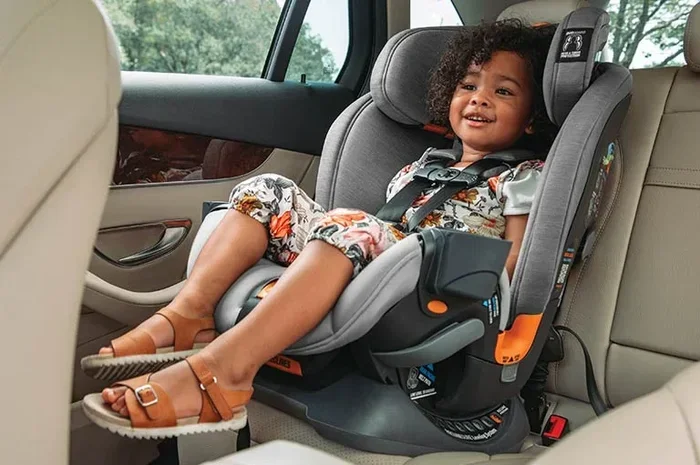
It is very common for parents to worry about their baby’s legs being cramped in a rear-facing seat. But children are incredibly flexible, and their legs can bend or fold comfortably. The risk of leg injuries in a crash is very low compared to the risk of head, neck, and spinal injuries in a forward-facing seat. Comfort is not the same as safety.
How do I know if my child has outgrown their rear-facing seat?
Check two things: weight and height. If your child reaches the rear-facing weight limit or their head is less than one inch from the top of the seat shell, they have outgrown the seat. Use the measurements on your seat manual as your guide. Do not rely on age alone.
Can I use a rear-facing seat in the front passenger seat?
It is safest to install any car seat, especially a rear-facing seat, in the back seat. If you must place it in the front, never put it in a seat with an active airbag. Airbags can deploy with enough force to seriously injure or kill a rear-facing infant. Always check your vehicle manual for specific guidance on child seat placement.