Car Electrician Job Description Complete Guide 2024
A car electrician job description covers diagnosing, repairing, and maintaining the electrical systems in vehicles. This guide explains every detail of the role, from daily tasks to required skills and career growth. Whether you are exploring this career or hiring one, you will find everything you need here.
Have you ever wondered what a car electrician job description really looks like? It is much more than just fixing wires under the hood. A car electrician plays a vital role in keeping modern vehicles running safely and efficiently. Today’s cars are packed with complex electrical systems, and someone needs to understand them all. That someone is the car electrician.
If you are thinking about this career or trying to hire one, you are in the right place. This guide breaks down everything you need to know. We will cover the duties, skills, tools, salary, and how to get started. Let us dive in.
Key Takeaways
- Core duties: A car electrician job description includes diagnosing electrical faults, repairing wiring, and maintaining vehicle computer systems.
- Essential skills: Strong technical knowledge, problem-solving ability, and familiarity with diagnostic tools are must-haves.
- Tools of the trade: Car electricians rely on OBD scanners, multimeters, wiring diagrams, and specialized equipment.
- Career growth: The demand for skilled car electricians is rising, especially with the growth of electric and hybrid vehicles.
- Training paths: You can become a car electrician through apprenticeships, vocational courses, or on-the-job experience.
- Salary potential: Competitive pay with opportunities to earn more as you gain experience and certifications.
📑 Table of Contents
What Does a Car Electrician Do?
A car electrician job description covers a wide range of tasks. These professionals work on the electrical parts of cars, trucks, and other vehicles. Their main goal is to keep all electrical systems working properly. Without them, modern vehicles would not function at all.
Today’s vehicles have thousands of electrical components. From the engine control unit to the infotainment system, everything relies on electricity. A car electrician makes sure all these parts communicate correctly and work as they should. They are essentially the detectives of the automotive world.
Daily Tasks and Responsibilities
Every day brings different challenges for a car electrician. Here are some common tasks you will find in a typical car electrician job description:
- Diagnosing electrical faults using advanced diagnostic equipment and tools.
- Reading and interpreting wiring diagrams and vehicle manuals.
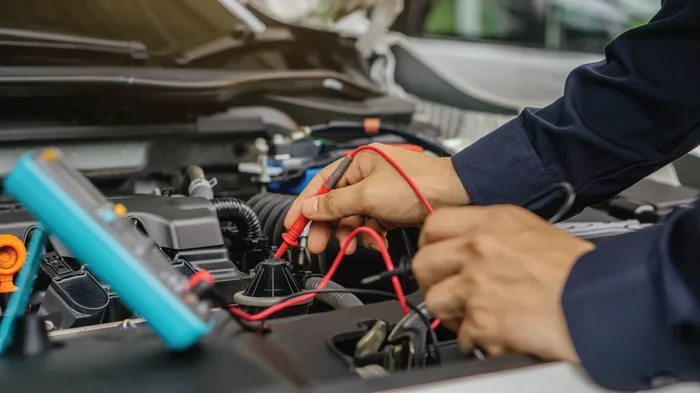
- Testing electrical components such as batteries, alternators, and starters.
- Repairing or replacing damaged wiring and connectors.
- Troubleshooting CAN bus and sensor systems.
- Installing aftermarket electrical parts like alarms, GPS, and lighting.
- Performing routine vehicle maintenance on electrical systems.
- Documenting all work done and providing clear reports to customers.
Each of these tasks requires a sharp eye and a deep understanding of vehicle electrical systems. A car electrician must be patient and detail-oriented. One small mistake can cause big problems down the road.
Key Responsibilities of a Car Electrician
The car electrician job description goes beyond simple repairs. These professionals carry serious responsibilities every day. Let us look at the most important ones.
1. Electrical Fault Diagnosis
Finding the root cause of an electrical problem is the bread and butter of this job. A car electrician uses specialized diagnostic equipment to scan the vehicle’s computer system. They look for error codes and trace them back to the source. This process requires both technical knowledge and logical thinking.
For example, if a car owner reports that the dashboard lights flicker, the electrician will check the voltage, inspect the wiring, and test the connectors. They methodically work through each possibility until they find the problem.
2. Wiring Repairs and Installations
Car wiring can be incredibly complex. Modern vehicles have wiring harnesses that run through the entire body. A car electrician must know how to trace, cut, splice, and replace wires safely. They also install new wiring for accessories and upgrades.
Improper wiring can lead to short circuits, fires, or system failures. This is why precision matters so much in this line of work.
3. Battery and Charging System Work
The car battery and alternator form the heart of the vehicle’s electrical system. A car electrician tests these components regularly. They check the charge level, inspect the terminals, and measure the alternator output. A failing battery or alternator can leave a driver stranded, so timely repairs are essential.
4. Computer and Module Programming
Modern vehicles rely heavily on automotive computer systems. These include the engine control module, anti-lock braking system, and airbag control unit. A car electrician often needs to reprogram or replace these modules. They use specialized software and connection tools to do this work.
5. Lighting and Signal Systems
Everything from headlights to turn signals falls under a car electrician’s care. They repair or replace faulty bulbs, sockets, and switches. They also work on automotive lighting systems, including LED upgrades and fog lights. Proper lighting is not just about convenience; it is a critical safety feature.
Skills and Qualifications Needed
Not just anyone can step into a car electrician job description and succeed. This role demands a specific set of skills and qualifications. Let us break them down.
Technical Skills
- Strong understanding of automotive electrical systems and how they interact.
- Knowledge of vehicle computer networks and data communication protocols.
- Ability to read complex wiring diagrams and technical manuals.
- Proficiency with multimeters, oscilloscopes, and diagnostic scanners.
- Understanding of both traditional and electric vehicle systems.
Soft Skills
- Problem-solving ability – every job presents a unique puzzle to solve.
- Attention to detail – small errors can lead to major failures.
- Good communication skills – explaining technical issues to non-experts.
- Physical stamina – the job often involves bending, reaching, and standing for long periods.
- Customer service skills – especially for those working in repair shops.
Educational Requirements
Most employers look for a vocational certificate or an associate degree in automotive technology. Some positions may require a full diploma in automotive electrical engineering. However, hands-on experience often matters just as much as formal education. Many successful car electricians started through apprenticeships and worked their way up.
Certifications That Help
While not always required, certifications can boost your career significantly. Look into programs offered by automotive industry organizations. ASE (Automotive Service Excellence) certification is highly respected in the field. Specialized certifications in electrical diagnostics or hybrid vehicle systems can set you apart from other candidates.
Tools and Equipment Every Car Electrician Uses
A car electrician is only as good as their tools. The right equipment makes the job faster, safer, and more accurate. Here is a look at what you will find in a typical car electrician’s toolkit.
Essential Diagnostic Tools
- OBD Scanner (On-Board Diagnostics): This tool reads error codes from the vehicle’s computer. It is the first thing a car electrician reaches for when something goes wrong.
- Digital Multimeter: Used to measure voltage, current, and resistance in electrical circuits.
- Oscilloscope: Helps visualize electrical signals over time for deeper analysis.
- CAN Bus Analyzer: Checks communication between different vehicle modules.
Hand Tools and Equipment
- Wire strippers and crimpers for handling electrical connections.
- Soldering iron and solder for permanent wire repairs.
- Multipurpose pliers and screwdrivers for general work.
- Circuit tester pens for quick voltage checks.
- Insulation tape and heat shrink tubing for protecting repairs.
Specialized Equipment
For more advanced work, car electricians use specialized gear. This includes ECU programmers, battery load testers, and wiring diagram software. These tools help them handle complex tasks like module programming and full system overhauls.
Investing in quality tools is essential. Cheap or outdated equipment can lead to inaccurate readings and wasted time. A serious car electrician keeps their toolkit up to date with the latest technology.
Career Path and Job Outlook
The car electrician job description is evolving rapidly. The automotive industry is changing, and with it, the demand for skilled electrical professionals is growing. Let us explore what the future looks like.
Growing Demand
Modern vehicles are more electrical than mechanical. Cars today contain dozens of electronic control units, miles of wiring, and complex sensor networks. This shift means that traditional mechanics alone cannot handle all repairs. The need for specialized automotive electricians is higher than ever.
The rise of electric vehicles and hybrid vehicles has only amplified this trend. These cars rely entirely on electrical systems for propulsion, braking, and control. As more people switch to EVs, the demand for qualified car electricians will continue to surge.
Career Progression
A car electrician career offers excellent growth potential. Here is a typical progression path:
- Junior Car Electrician: Start by assisting senior technicians and learning the ropes.
- Mid-Level Technician: Handle most electrical jobs independently with some supervision.
- Senior Car Electrician: Tackle complex diagnostics and mentor junior staff.
- Lead Technician or Shop Manager: Oversee operations, manage teams, and handle customer relations.
- Specialist or Independent Consultant: Focus on niche areas like EV systems or classic car restoration.
Salary Expectations
Salaries for car electricians vary based on experience, location, and specialization. Entry-level positions typically start at a competitive wage. With experience and certifications, earnings can increase significantly. Those who specialize in electric vehicle repair or advanced diagnostics often command the highest pay. The job also offers stable employment because skilled electricians are always in demand.
How to Become a Car Electrician
If the car electrician job description sounds exciting to you, here is how you can get started. The path is straightforward but requires dedication and hard work.
Step 1: Build a Strong Foundation
Start by learning the basics of electricity and automotive systems. Take introductory courses in automotive electronics and electrical theory. Many community colleges and technical schools offer these programs. Focus on understanding how circuits work, how to read diagrams, and how to use basic testing tools.
Step 2: Enroll in a Vocational Program or Apprenticeship
Hands-on training is critical. Look for vocational programs that include real-world shop experience. Alternatively, seek out an apprenticeship with a reputable garage or dealership. Working alongside experienced professionals will teach you things no classroom can.
Step 3: Gain Certifications
Earn industry-recognized certifications to boost your credibility. The ASE certification is a great starting point. Consider also pursuing specialized credentials in electrical diagnostics or hybrid and electric vehicle systems. These qualifications show employers that you are serious and skilled.
Step 4: Get Hands-On Experience
The more you work on real vehicles, the better you become. Start with simple jobs and gradually take on more complex challenges. Every repair teaches you something new. Over time, you will build the confidence and expertise needed to handle almost any electrical issue.
Step 5: Stay Current with Technology
The automotive industry never stops evolving. New cars come with advanced systems every year. A good car electrician never stops learning. Attend workshops, take online courses, and read industry publications. Staying up to date ensures you remain valuable in the job market.
Common Mistakes to Avoid
Even experienced car electricians can make mistakes. Being aware of common pitfalls helps you avoid them. Here are a few to watch out for:
- Skipping the basics: Always start with simple checks before diving into complex diagnostics.
- Ignoring wiring diagrams: Guessing instead of following the diagram can lead to wasted time and errors.
- Using the wrong tools: Incorrect tools can damage sensitive electronic components.
- Neglecting software updates: Diagnostic tools need regular updates to work with newer vehicle models.
- Poor documentation: Failing to record your work makes follow-up repairs harder.
Avoiding these mistakes will save you time, money, and frustration. It also builds a reputation for quality and reliability.
Quick Tips for Aspiring Car Electricians
- Practice on old vehicles whenever you can. Salvage yards are great places to find cars for hands-on learning.
- Join online forums and communities where car electricians share tips and troubleshoot together.
- Invest in a good quality diagnostic scanner early in your career.
- Learn about both traditional and electric vehicle systems to stay versatile.
- Develop your people skills. Communicating clearly with customers and coworkers goes a long way.
- Keep a personal notebook of common problems and their solutions. It becomes a valuable reference over time.
These small habits compound over time and set you apart from others in the field.
Conclusion
The car electrician job description is rich, rewarding, and full of opportunities. From diagnosing complex faults to installing cutting-edge electrical systems, this career offers something for everyone. The growing complexity of modern vehicles and the rise of electric cars make this one of the most promising trades to enter right now.
If you have a knack for problem-solving and a passion for cars, consider becoming a car electrician. The path requires dedication, but the payoff is well worth it. You will build a skill set that is in high demand and offers real career growth. Start today, stay curious, and keep learning. The road ahead is bright for anyone willing to put in the effort.
Frequently Asked Questions
What does a car electrician do on a daily basis?
A car electrician spends their days diagnosing electrical faults, testing components like batteries and alternators, repairing wiring, and maintaining vehicle computer systems. They use diagnostic tools and wiring diagrams to find and fix problems efficiently.
How long does it take to become a car electrician?
The timeline varies depending on your path. A vocational program typically takes one to two years. An apprenticeship can last two to four years. Many aspiring car electricians combine both for the best preparation.
Do car electricians need to know about electric vehicles?
Yes, absolutely. The automotive industry is shifting toward electric vehicles and hybrid vehicles. A modern car electrician must understand high-voltage systems, battery management, and EV-specific diagnostics to stay competitive in the field.
What tools are essential for a car electrician?
Key tools include an OBD scanner, digital multimeter, oscilloscope, wire strippers, soldering iron, and CAN bus analyzer. These tools help car electricians diagnose, test, and repair vehicle electrical systems accurately.
Is car electrician a good career choice?
Yes, it is an excellent career choice. The demand for skilled car electricians is growing, especially with the rise of advanced vehicle electronics and electric cars. The job offers stable employment, competitive pay, and strong career progression opportunities.
Can a car electrician work independently or start their own business?
Yes, many experienced car electricians eventually start their own shops or work as independent consultants. With the right certifications, experience, and customer base, you can build a successful independent business in automotive electrical services.