A Group of Cars Is Called This Will Change How You See Them
A group of cars is most commonly called a fleet or a convoy, but many other terms exist depending on the context. Whether you are talking about a motorcade, a caravan of cars, or an organized car parade, knowing the right term makes you sound more knowledgeable. This article explores every collective noun for cars, where these words come from, and how to use them in everyday conversation. By the end, you will never look at a line of vehicles the same way again.
Key Takeaways
- A fleet is the most common term used for a group of cars, especially in business and military settings.
- A convoy refers to a group of cars traveling together for protection or organized movement.
- A motorcade is a ceremonial or security-driven group of vehicles often associated with political leaders or events.
- A caravan of cars is used for recreational travel, especially during road trips and camping excursions.
- Many fun and unusual terms exist for groups of cars, including cavalcade and procession.
- The right term depends on context, so choosing wisely makes your language more precise and engaging.
- Knowing these terms boosts your automotive vocabulary and helps you communicate more effectively.
📑 Table of Contents
- What Is a Group of Cars Called?
- The Most Common Terms for a Group of Cars
- Less Common but Interesting Terms
- A Comparison of Terms
- Where Do These Terms Come From?
- How to Use These Terms in Everyday Conversation
- Fun Facts About Groups of Cars
- How Car Groups Are Used in Different Industries
- The Psychology Behind Group Names
- How to Remember All These Terms
- The Future of Car Group Names
- Final Thoughts
What Is a Group of Cars Called?
Have you ever watched a long line of vehicles rolling down a highway and wondered, a group of cars is called what? The answer might surprise you. There is not just one word for it. In fact, there are several terms that people use depending on the situation. Some are formal. Some are casual. And some are just plain fun to say.
The most widely accepted term is a fleet of cars. You hear this in business, the military, and everyday life. But that is only the beginning. A convoy of cars tells a different story. So does a motorcade or a caravan of cars. Each word carries its own meaning, history, and vibe. Let us explore them all.
Understanding these terms is not just about sounding smart. It is about communicating clearly. When you know the right word, you paint a clearer picture. Your listeners instantly understand the scene in your mind. That is the power of precise language.
Why Does This Matter?
You might be thinking, “Does it really matter what I call a group of cars?” Yes, it does. Language shapes how we see the world. When you say “a fleet of cars,” people picture organized rows of vehicles. Maybe they think of a delivery company or a taxi service. But when you say “a convoy of cars,” they imagine movement. Travel. A shared journey.
Using the right term also shows respect for the English language. It shows that you pay attention. It makes your writing and speech more engaging. And in professional settings, it can even boost your credibility. Imagine using the wrong term in a meeting and feeling embarrassed. Avoid that by learning the correct vocabulary now.
The Most Common Terms for a Group of Cars
Let us start with the big ones. These are the terms you will hear most often. Each one has a specific use case. Once you learn them, you will start spotting the differences everywhere.
Fleet of Cars
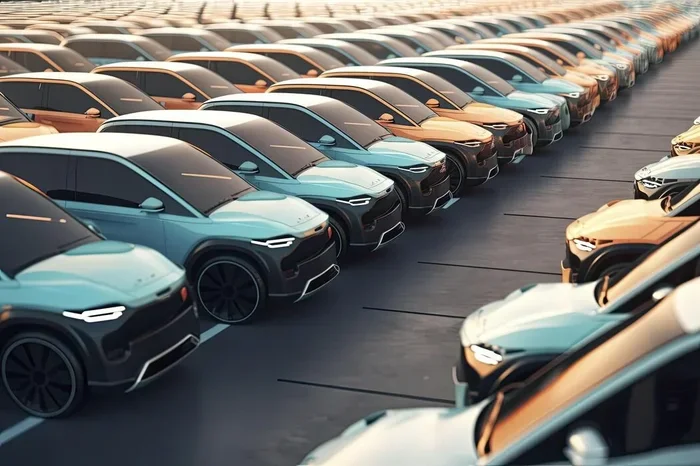
A fleet of cars is the go-to term in most situations. A fleet means a group of vehicles owned or operated by a single organization. Think of a taxi company with fifty cars. Or a delivery service with two hundred vans. They all form a fleet.
Companies use the word “fleet” every day. Fleet management is a huge industry. It involves tracking vehicles, maintaining them, and making sure they run efficiently. When you hear someone say, “Our fleet needs new tires,” you know they are talking about a large group of cars.
Quick Tip: If the cars belong to one organization or owner, call it a fleet. It is the safest and most widely understood term.
Convoy of Cars
A convoy of cars has a different feel. It suggests movement. A convoy is a group of vehicles traveling together, usually for protection or efficiency. The word comes from the French “convoi,” meaning a group traveling together.
You might hear about a convoy of cars during a protest, a charity drive, or a military operation. In the military, convoys protect supply trucks from threats. In civilian life, a convoy might form during a road trip when friends want to travel together.
The key difference between a fleet and a convoy is movement. A fleet can sit parked in a lot. A convoy is always on the move.
Motorcade
A motorcade is a ceremonial group of vehicles. Politicians use motorcades. So do celebrities and heads of state. A motorcade usually includes a lead car, a main vehicle, and several follow-up cars for security.
The word comes from “motor” and “cade,” which relates to a procession. When you see a motorcade on the news, you know something important is happening. It is not just a group of cars. It is a statement.
Common Mistake: Do not use “motorcade” for a casual group of cars. It is too formal and specific. Save it for official or ceremonial occasions.
Caravan of Cars
A caravan of cars is a term that evokes adventure. It brings to mind families loading up SUVs and RVs for a summer road trip. A caravan travels together, often on long journeys through scenic routes.
The word “caravan” originally referred to a group of travelers crossing deserts. Over time, it evolved to include vehicles on the road. Today, a caravan of cars often refers to recreational travel groups. Campers, RV enthusiasts, and road trip lovers all use this term.
Expert Insight: In Europe, the word “caravan” often refers to the trailer itself. But in American English, a caravan of cars means a group of vehicles traveling together. Context matters.
Less Common but Interesting Terms
Now let us go beyond the basics. There are several other terms for a group of cars that you might not know. These words add color and variety to your vocabulary.
Cavalcade
A cavalcade is a procession of vehicles. It is often used for large, impressive gatherings of cars. Think of a parade of classic automobiles rolling through a town square. That is a cavalcade.
The word comes from the Spanish “caballada,” meaning a group of horses. Over time, it shifted to include any large group of vehicles. Cavalcades are common at car shows, parades, and special events.
Procession
A procession is a slow, orderly line of vehicles. It usually has a purpose. Funerals often feature processions of cars following a hearse. Religious events and parades also use this term.
A procession is not just about the cars. It is about the ritual. The slow, respectful movement creates a sense of unity among the drivers.
Traffic Jam
Okay, this one is not a proud term. But it is worth mentioning. A traffic jam is technically a group of cars stuck together. Nobody wants to be in one, but we all know what it looks like.
While “traffic jam” is not a formal collective noun, it is one of the most commonly experienced groups of cars in the world. It is worth knowing, even if it is not a term you would use proudly.
Auto Parade
An auto parade is a fun, informal term for a group of cars moving together for entertainment. Car clubs often organize auto parades. Classic car enthusiasts love them. So do families looking for a fun weekend activity.
An auto parade is less structured than a cavalcade. It is more relaxed and community-focused. Anyone can join, and the atmosphere is festive.
A Comparison of Terms
To help you choose the right term, here is a quick comparison of the most common group names for cars.
| Term | Best Used For | Tone | Example |
|---|---|---|---|
| Fleet of Cars | Business, military, organized ownership | Formal, professional | The delivery fleet of cars arrived on time. |
| Convoy of Cars | Traveling together, protection, movement | Neutral, practical | The convoy of cars crossed the border safely. |
| Motorcade | Ceremonial, political, security events | Formal, official | The presidential motorcade passed through downtown. |
| Caravan of Cars | Recreational travel, road trips | Casual, adventurous | A caravan of cars headed to the mountains. |
| Cavalcade | Parades, car shows, impressive displays | Formal, grand | The cavalcade of classic cars drew huge crowds. |
| Procession | Funerals, religious events, slow movement | Respectful, solemn | The funeral procession of cars stretched for miles. |
| Auto Parade | Fun events, car clubs, community gatherings | Casual, festive | The local club hosted an auto parade every fall. |
As you can see, each term has its own niche. The key is matching the word to the situation. Use the right one, and your language becomes more vivid and accurate.
Where Do These Terms Come From?
Language is always evolving. The terms we use for groups of cars have rich histories. Understanding their origins makes them even more interesting.
The Word Fleet
The word “fleet” comes from the Old English “fleot,” meaning a group of ships. For centuries, it referred to naval vessels. Over time, it expanded to include any large group of vehicles. Today, a fleet of cars is one of the most widely used terms in the English language.
The Word Convoy
“Convoy” entered English from the French “convoi” in the 17th century. It originally meant an armed escort for merchant ships. During World War I and World War II, convoys became essential for protecting supply ships from enemy attacks. The concept later transferred to cars and land vehicles.
Today, a convoy of cars carries that same spirit of organized, protected movement. Whether it is a group of trucks on a highway or friends driving to a concert, the word fits.
The Word Motorcade
The term “motorcade” is relatively new. It was coined in the early 20th century, combining “motor” with the suffix “-cade,” which means a procession. The first recorded use was in the 1900s, when automobiles were becoming popular and leaders needed secure ways to travel.
Since then, the motorcade has become a symbol of official travel. It is associated with power, security, and ceremony.
The Word Caravan
“Caravan” traces back to the Persian “karwan,” meaning a group of traders traveling together. For centuries, caravans crossed deserts and mountains, carrying goods between cities. The concept eventually moved to the road and the highway.
In modern English, a caravan of cars brings that same sense of adventure and shared journey. It is a word that makes you think of open roads and good company.
How to Use These Terms in Everyday Conversation
Knowing the terms is one thing. Using them naturally is another. Here are some practical tips to help you weave these words into your daily language.
Match the Term to the Situation
The most important rule is context. If you are talking about a company’s vehicles, say fleet. If you are describing a group of friends driving together, say convoy or caravan. If it is a formal event, say motorcade or cavalcade.
Quick Tip: When in doubt, “fleet” is the safest choice. Almost everyone understands it, and it works in most situations.
Add Descriptive Details
Make your language more vivid by adding details. Instead of saying, “There was a group of cars,” try, “A convoy of cars rolled down the highway, their engines humming in harmony.” See the difference? The second sentence paints a picture.
Use These Terms to Stand Out
In professional settings, using the right vocabulary sets you apart. If you are writing a report about company vehicles, say “fleet management” instead of “managing our cars.” If you are describing an event, say “cavalcade” instead of “a big group of cars.” Small changes make a big impact.
Common Mistake: Do not overuse fancy terms. If you say “cavalcade” for every group of cars, it loses its meaning. Save the impressive words for the right moments, and they will carry more weight.
Fun Facts About Groups of Cars
Here are some interesting tidbits that will impress your friends and make you the most interesting person at any dinner party.
- The largest fleet of cars ever recorded belonged to a single company. It included over 100,000 vehicles.
- The word “motorcade” was first used in the United States in 1912, just a few years after cars became widely available.
- A cavalcade of cars in India once stretched over 10 kilometers, setting a world record for the longest car procession.
- The term “convoy” gained massive popularity after the 1975 country song “Convoy” by C.W. McCall.
- In the military, a convoy of cars can include hundreds of vehicles traveling together for safety.
These facts show that the language around groups of cars is rich and full of history. Next time you see a line of vehicles, you will know exactly what to call it.
How Car Groups Are Used in Different Industries
The way people refer to groups of cars varies by industry. Each field has its own preferred terms and conventions.
Transportation and Logistics
In the transportation industry, the term fleet of cars dominates. Logistics companies, delivery services, and ride-sharing platforms all manage fleets. Fleet managers are responsible for keeping these vehicles running, scheduling maintenance, and optimizing routes.
Expert Insight: Fleet management is a multi-billion-dollar industry. Companies invest heavily in technology to track and manage their groups of vehicles efficiently.
Law Enforcement and Security
Police and security teams use the term convoy of cars frequently. When officers need to transport important personnel or goods, they form a convoy. The convoy ensures protection and coordination.
A motorcade is also common in law enforcement, especially when escorting dignitaries or managing crowd control during public events.
Recreation and Travel
For everyday travelers, the term caravan of cars is the most natural choice. Road trip enthusiasts, camping groups, and adventure travelers all use this word. It captures the spirit of shared exploration.
Quick Tip: If you are planning a group road trip, call it a caravan. It sets the tone for adventure and fun.
Automotive Events and Shows
Car shows and automotive events love the term cavalcade. It conveys grandeur and scale. When hundreds of classic or custom cars gather at an event, organizers often call it a cavalcade.
Auto parades are another popular term in this space. They are more casual and community-oriented, focusing on fun rather than formality.
The Psychology Behind Group Names
Why do we give names to groups of things? It is a deeply human trait. Naming a group creates identity. It turns random individuals into a unified whole.
When you say “a fleet of cars,” those cars stop being separate machines. They become a team. A system. A force. The same is true for a convoy of cars or a caravan of cars. The name changes how we perceive the group.
This is why the right term matters so much. It shapes perception. It creates meaning. And it connects people to the objects they are describing.
How to Remember All These Terms
With so many terms, it can be hard to remember them all. Here is a simple trick to help.
- Fleet = Owned by one organization (think of a fleet as a family).
- Convoy = Moving together (think of it as a journey).
- Motorcade = Official and ceremonial (think of a motorcade as a parade for important people).
- Caravan = Recreational travel (think of a caravan as a fun road trip).
- Cavalcade = Grand and impressive (think of a cavalcade as a showstopper).
- Procession = Slow and respectful (think of a procession as a solemn march).
Use this mental map, and you will never mix them up again.
The Future of Car Group Names
As the automotive world changes, so does the language. Electric vehicles, autonomous cars, and ride-sharing are reshaping how we think about transportation. Will new terms emerge for groups of self-driving cars? Probably.
Some experts predict that the word “fleet” will evolve to include autonomous vehicle networks. A fleet of cars might one day mean a group of self-driving vehicles managed by AI. The term “convoy” could shift to describe platooning, where autonomous cars travel very close together for efficiency.
Expert Insight: Language adapts to technology. As cars become smarter, the words we use for groups of them will also evolve. Stay curious and keep learning.
Final Thoughts
So, what is a group of cars called? The answer is more interesting than you might think. From a fleet of cars to a convoy of cars, from a motorcade to a caravan of cars, each term tells a different story. They carry history, emotion, and purpose.
The next time you see a line of vehicles, pause for a moment. Think about what kind of group it is. Is it a fleet? A convoy? A caravan? Choosing the right word is a small act, but it makes a big difference. It makes your language richer, your communication clearer, and your understanding deeper.
A group of cars is called many things, and now you know them all. Use them wisely, and you will never look at a line of vehicles the same way again.
Frequently Asked Questions
What is the most common term for a group of cars?
The most common term is a fleet of cars. It is used in business, the military, and everyday conversation. Almost everyone understands what it means, making it the safest and most widely accepted choice.
Can a group of cars be called a convoy?
Yes, a convoy of cars is a perfectly valid term. It is best used when the cars are traveling together, especially for protection or organized movement. It carries a sense of journey and coordination.
What is the difference between a motorcade and a convoy?
A motorcade is ceremonial and official, often associated with political leaders or important events. A convoy is more practical and focused on travel or protection. The motorcade is about spectacle, while the convoy is about movement and safety.
Is caravan only used for recreational travel?
Mostly, yes. A caravan of cars usually refers to a group of vehicles traveling together for leisure, such as a road trip or camping adventure. However, it can also be used more broadly for any group of cars moving together.
Are there any other unusual terms for a group of cars?
Yes, terms like cavalcade, procession, and auto parade are all valid. Each one has a specific tone and use case. Cavalcade suggests grandeur, procession suggests solemnity, and auto parade suggests fun and community.
Will new terms emerge for groups of cars in the future?
Very likely. As technology changes, language evolves with it. Autonomous vehicles, electric car networks, and new mobility concepts will probably introduce fresh terms for how we describe groups of cars. Staying curious will help you keep up with the changes.
=== CONCLUSION ===
A group of cars is called more things than most people realize. Whether it is a fleet, a convoy, a motorcade, or a caravan, each term brings its own meaning and energy. Learning these words is a small investment that pays off in clearer communication and richer vocabulary.
Use these terms in your writing, your conversations, and your thinking. They will make you a more precise and engaging communicator. And the next time you see a long line of vehicles on the road, you will know exactly what to call it. A group of cars is called whatever fits the moment, and now you have the knowledge to choose the perfect word.