10 Lines on My Favourite Toy Car Every Kid Loves
Looking for 10 lines on my favourite toy car? This guide covers everything kids and parents need. You will find fun writing ideas, popular toy car types, and simple tips to describe your child’s beloved vehicle. Whether it is a diecast model, a racing car, or a classic matchbox, we have you covered with creative and easy-to-follow content.
Every child has that one special toy that holds a place close to their heart. For many kids, that toy is a favourite toy car. It might be bright red, sleek, and fast. Or maybe it is a rugged off-roader with big wheels. No matter the shape or colour, a toy car can spark hours of imagination and joy.
Teachers often ask young students to write 10 lines on my favourite toy car. This simple exercise helps children practise their writing skills while talking about something they love. In this article, we will explore everything you need to know about writing those 10 lines. We will share ideas, tips, and fun facts that make the process easy and enjoyable for kids of all ages.
Whether your child is preparing for a school assignment or just wants to express their love for their favourite toy car, this guide has something for everyone. Let us dive in and make writing about toy cars a fun adventure.
Key Takeaways
- Simple and Fun Writing: Learn how to write 10 easy lines about your favourite toy car that kids can use for school assignments.
- Popular Toy Car Types: Discover the most loved toy car brands and styles that children around the world adore.
- Creative Descriptions: Get practical tips on how to describe a toy car using colours, shapes, sounds, and feelings.
- Why It Matters: Understand how writing about toys helps children develop language skills and creativity.
- Expert-Backed Advice: Tips from educators and parents on making toy car writing fun and engaging for young learners.
📑 Table of Contents
- Why Toy Cars Are Every Kid’s Favourite Companion
- How to Write 10 Lines About Your Favourite Toy Car
- Popular Types of Toy Cars Kids Love Most
- Fun Facts About Toy Cars That Will Amaze Kids
- Tips for Making Your Toy Car Writing Stand Out
- Common Mistakes to Avoid When Writing About Toy Cars
- Why Writing About Toys Matters for Children’s Development
- Key Takeaways
Why Toy Cars Are Every Kid’s Favourite Companion
Toy cars have been a staple of childhood for generations. From simple wooden blocks shaped like vehicles to detailed diecast model cars, these toys hold a special place in every child’s toy box. But why are they so beloved?
First, toy cars are easy to hold and play with. Small hands can grip them, push them across floors, and imagine entire worlds of toy car racing. Unlike some toys that require batteries or setup, a simple toy car for kids needs nothing more than a child’s imagination.
Second, toy cars come in every colour, shape, and size. A child can choose a favourite toy car based on colour, brand, or the type of vehicle it looks like. Some kids love speedy sports cars. Others prefer big trucks or rescue vehicles. This variety makes it easy for every child to find a toy car they truly love.
The Emotional Connection Kids Have with Their Toy Cars
Children often form deep emotional bonds with their toys. A favourite toy car might go everywhere with a child. It rides in the backpack, sleeps on the pillow, and even joins dinner at the table. This attachment is completely normal and healthy.
When a child writes 10 lines on my favourite toy car, they are sharing a piece of themselves. They describe not just the toy but also the feelings and memories attached to it. This makes the writing personal and meaningful. Teachers love this kind of authentic expression because it shows genuine engagement.
Parents can encourage this connection by asking their child questions about their toy car. What colour is it? Does it make any sounds? Where did they get it? These simple questions help children think deeper about their childhood toy memories and turn them into beautiful written lines.
How to Write 10 Lines About Your Favourite Toy Car
Writing 10 lines might sound simple, but for young children, it can feel like a big task. The good news is that there is a clear structure to follow. Breaking the task into small steps makes it much easier and more fun.
Step 1: Choose Your Toy Car
Before writing begins, your child needs to pick the favourite toy car they want to describe. It should be the one they feel most excited about. Maybe it is a shiny red racing car. Or perhaps it is a beloved old truck that has been with them for years.
Encourage your child to hold the toy in their hand. Look at it closely. Notice the details. What does it feel like? Is it smooth or rough? Is it heavy or light? These observations will make the writing more vivid and real.
Step 2: Brainstorm Ideas
Once the toy car is chosen, it is time to brainstorm. Ask your child to think about these questions:
- What colour is the toy car?
- What shape is it? Is it long or short?
- Does it have any special features like lights or moving parts?
- Where did they get it? Was it a birthday gift or a reward?
- Why is it their favourite toy car?
- What games do they play with it?
- Does the toy car remind them of anything special?
- How does it make them feel when they hold it?
- Have they ever taken it on an adventure?
- Would they recommend it to a friend?
These questions cover description, emotion, memory, and opinion. Together, they form a perfect foundation for 10 strong lines of writing.
Step 3: Write One Line at a Time
Now comes the fun part. Your child should write one line for each idea they brainstormed. Each line should be a complete sentence. Keep the language simple and honest. There are no wrong answers when writing about a favourite toy car.
Here is an example of what 10 lines might look like:
- My favourite toy car is bright red and shiny.
- It has four big wheels that roll very fast.
- I got it as a birthday gift from my grandma.
- The car has a small sticker of a racing stripe on the side.
- I love the way it looks in my toy car collection.
- Sometimes I push it across the floor and pretend it is racing.
- It makes a soft clicking sound when I roll it on the carpet.
- This toy car makes me feel happy and excited.
- I take it with me everywhere, even on car rides.
- If my friend asks, I would tell them it is the best toy ever.
Notice how each line covers a different aspect. The child describes the appearance, the origin, the features, the playtime, and the emotions. This makes the writing feel complete and well-rounded.
Popular Types of Toy Cars Kids Love Most
Not all toy cars are the same. Different children prefer different types of vehicles. Understanding these categories can help your child find the perfect favourite toy car to write about. Here are the most popular types that kids around the world enjoy.
Diecast Model Cars
Diecast model cars are small, detailed replicas of real vehicles. They are made from metal and plastic and often look incredibly realistic. Brands like Hot Wheels, Matchbox, and Maisto are very popular among young collectors. These toy cars for children often come in sets or as individual pieces.
Many kids love describing the fine details of their diecast cars in their 10 lines on my favourite toy car writing. They might mention the paint job, the tiny wheels, or the realistic design. These details make their writing stand out.
Remote Control Cars
Remote control cars add an extra layer of excitement. Kids can drive them around the room, race them against friends, and even perform stunts. The thrill of controlling a favourite toy car with a remote makes these toys extra special.
When writing about a remote control car, children can describe how it moves, how fast it goes, and how it feels to drive it. These sensory details make the writing more interesting and fun to read.
Plastic Toy Cars and Matchbox Vehicles
Simple plastic toy cars and Matchbox vehicles are timeless classics. They are affordable, durable, and come in countless designs. Almost every child has at least one of these in their toy car collection. They are perfect for imaginative play and easy to carry around.
These simple vehicles are often the subject of a child’s first toy car description writing exercise. Their simplicity makes them easy to describe, and the memories attached to them run deep.
Building Block Cars
Building block cars, like LEGO vehicles, allow children to create their own rides. These toy car building sets encourage creativity and problem-solving. A child can design a favourite toy car from scratch and then write about the experience of building and playing with it.
Writing about a block-built car is unique because the child can describe the building process itself. This adds a creative twist to the traditional 10-line format.
Fun Facts About Toy Cars That Will Amaze Kids
Adding fun facts to a toy car essay or 10 lines on my favourite toy car writing makes it more interesting. Here are some amazing facts that children will love to include in their writing.
Toy Cars Have Been Around for Over a Century
The first toy cars were made in the early 1900s. They were simple wooden or metal replicas of real automobiles. Over the decades, toy cars evolved into the detailed and colourful designs we see today. The favourite toy car your child holds in their hands is part of this long and exciting history.
Hot Wheels Sold Over 8 Billion Cars
Hot Wheels is one of the most famous toy car brands in the world. Since their launch in 1968, they have sold over 8 billion cars worldwide. That is enough toy cars for kids to circle the Earth many times over. If your child owns a Hot Wheels car, they are part of this massive global tradition.
Some Toy Cars Are Worth a Lot of Money
Rare and vintage toy cars can be worth thousands of dollars. Collectors around the world search for limited edition diecast model cars at auctions and estate sales. While your child’s favourite toy car may not be worth a fortune, it is still a precious treasure to them.
Toy Cars Help Kids Learn About Science and Engineering
Playing with toy cars teaches children about motion, friction, speed, and design. When a child pushes a car and watches it roll, they are learning basic physics. When they build a block car, they are exploring engineering concepts. These kids toy car facts make writing about toy cars even more meaningful.
The World’s Largest Toy Car Collection
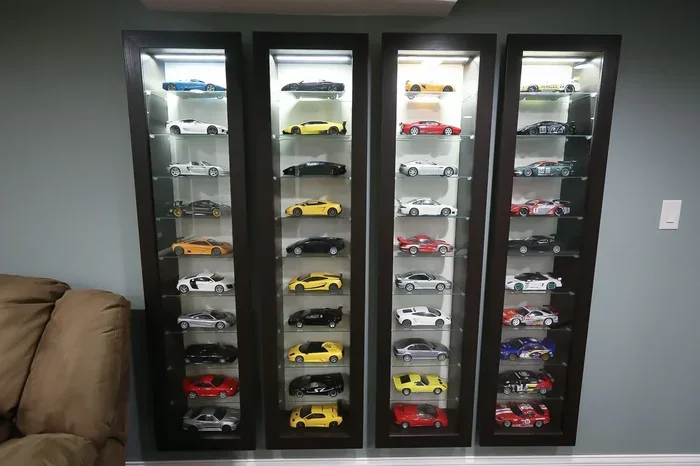
The largest collection of toy cars belongs to a man named Phil May, who has collected over 10,000 vehicles. While no child needs that many, building a personal toy car collection is a fun hobby. Kids can display their collection proudly and write about each piece in their favourite toy car descriptions.
Tips for Making Your Toy Car Writing Stand Out
Every child wants their writing to shine. These simple tips will help your child create 10 lines on my favourite toy car that teachers and parents will love to read.
Use All Five Senses
Great writing engages the senses. Encourage your child to describe what their favourite toy car looks like, feels like, sounds like, and even smells like. A toy car fresh out of the box might have a faint plastic smell. A well-loved car might smell like the living room floor. These small details add richness to the writing.
Use Colourful Adjectives
Words like shiny, bright, sleek, chunky, and glossy make descriptions come alive. Instead of saying “my car is red,” a child can say “my favourite toy car is bright red with a shiny glossy finish.” This small change makes a big difference.
Tell a Short Story
Each of the 10 lines can tell a mini story. Line one can describe the car. Line two can talk about where it came from. Line three can share a fun memory. This narrative approach keeps the reader engaged and makes the writing feel personal.
Keep Sentences Short and Clear
Young writers should focus on clear, simple sentences. Each line should express one idea. Short sentences are easy to read and understand. They also show confidence in writing. A child should never feel pressured to use big words. Simple and honest always wins.
Add a Personal Touch
The best toy car description writing includes feelings. How does the child feel when they play with their car? Does it make them proud or happy? Adding emotion turns a simple description into a heartfelt piece of writing.
Quick Tips for Parents
- Sit with your child and look at their favourite toy car together.
- Ask open-ended questions to spark ideas.
- Let your child write at their own pace without rushing.
- Praise their effort, not just the final result.
- Display their finished writing on the fridge or a wall.
- Encourage them to draw a picture of their toy car to go with the text.
Common Mistakes to Avoid When Writing About Toy Cars
Even with the best intentions, young writers can make a few common mistakes. Here is what to watch out for and how to avoid them.
Being Too Vague
Saying “my toy car is nice” does not paint a clear picture. Encourage your child to add specific details. Instead of “nice,” they could say “bright red with white stripes.” Specific details make writing stronger and more interesting.
Rushing Through the Task
Some children want to finish the 10 lines quickly and move on. This often leads to short, shallow sentences. Take your time. Quality matters more than speed. A thoughtful toy car description is worth the extra effort.
Forgetting to Proofread
Once the 10 lines are written, your child should read them aloud. This simple step helps catch spelling mistakes, missing words, and awkward sentences. Reading aloud also helps the child hear how their writing sounds. It is a powerful habit that builds confidence.
Copying Instead of Creating
It can be tempting to copy lines from the internet or a friend. However, the whole point of writing 10 lines on my favourite toy car is to express personal thoughts and feelings. Each child’s experience is unique, and that uniqueness should shine through in their writing.
Why Writing About Toys Matters for Children’s Development
Writing about a favourite toy car is more than just a school assignment. It plays an important role in a child’s overall development. Here is why this simple exercise matters so much.
First, it builds vocabulary. When a child describes their toy car, they learn new words. Words like shiny, smooth, fast, and sturdy become part of their everyday language. This vocabulary growth happens naturally and without pressure.
Second, it strengthens fine motor skills. Holding a pencil and forming letters takes practice. Writing 10 lines gives children a meaningful reason to practise this skill. Over time, their handwriting and spelling improve significantly.
Third, it develops critical thinking. A child must decide what to include and what to leave out. They must organize their thoughts in a logical order. These are valuable skills that extend far beyond the writing desk.
Finally, it builds confidence. When a child finishes their 10 lines on my favourite toy car and sees their work displayed, they feel a sense of pride. This positive experience encourages them to write more and try harder in the future.
Teachers often use my favourite toy essay prompts in classrooms because they know how effective they are. A toy car is familiar, fun, and easy to talk about. It removes the fear of not knowing what to write. The child simply talks about what they already love.
Parents can extend this learning by asking their child to write about other toys too. A favourite toy car can be the gateway to a lifelong love of writing and self-expression.
Key Takeaways
- Simple and Fun Writing: Learn how to write 10 easy lines about your favourite toy car that kids can use for school assignments.
- Popular Toy Car Types: Discover the most loved toy car brands and styles that children around the world adore.
- Creative Descriptions: Get practical tips on how to describe a toy car using colours, shapes, sounds, and feelings.
- Why It Matters: Understand how writing about toys helps children develop language skills and creativity.
- Expert-Backed Advice: Tips from educators and parents on making toy car writing fun and engaging for young learners.
- Fun Facts Add Value: Interesting toy car facts make children’s writing more engaging and informative.
- Avoid Common Mistakes: Stay away from vague descriptions, rushing, and copying to create authentic, heartfelt writing.
Frequently Asked Questions
What are 10 lines on my favourite toy car?
10 lines on my favourite toy car is a simple writing exercise where a child describes their beloved toy vehicle in 10 short sentences. Each line covers a different aspect, such as appearance, origin, features, and feelings. This exercise is commonly assigned in schools to help young students practise their writing skills while talking about something they enjoy.
How do I help my child write 10 lines about their favourite toy car?
Start by sitting with your child and looking at their toy car together. Ask open-ended questions about its colour, shape, and special features. Let them brainstorm ideas before writing. Encourage them to use simple, honest sentences and to include how the toy makes them feel. Praise their effort to build confidence and make the experience positive.
What are some good words to describe a toy car?
Great descriptive words for a toy car include shiny, bright, sleek, colourful, fast, sturdy, glossy, smooth, and sporty. Children can also use words that describe how the toy makes them feel, such as happy, excited, proud, or special. Using a mix of descriptive and emotional words makes the writing more vivid and interesting.
Why do teachers ask kids to write about their favourite toy car?
Teachers assign writing about a favourite toy car because it is a familiar and enjoyable topic for children. It removes the anxiety of not knowing what to write about. The exercise helps build vocabulary, improves sentence structure, and encourages personal expression. It also strengthens fine motor skills and critical thinking in young learners.
Can older kids also write 10 lines on their favourite toy car?
Absolutely. While this exercise is common for younger children, older kids can also enjoy it. They can add more complex details, use advanced vocabulary, and include deeper emotional reflections. Writing about a beloved toy car at any age encourages creativity and self-expression. It is never too late to revisit this fun and meaningful writing prompt.
What types of toy cars are best for this writing activity?
Any type of toy car works well for this activity. Popular choices include diecast model cars, remote control cars, simple plastic cars, Matchbox vehicles, and building block cars. The best toy car to write about is the one your child feels most connected to. Their emotional connection makes the writing authentic and engaging.
=== CONCLUSION ===
Writing 10 lines on my favourite toy car is a wonderful way for children to express their creativity and practise their writing skills. It turns a simple school assignment into a meaningful activity that connects kids with their favourite possessions and memories. Whether the toy is a shiny diecast model, a fast remote control car, or a well-loved plastic vehicle, every child has a unique story to tell.
By following the tips and ideas in this guide, parents and teachers can make the writing process fun, engaging, and rewarding. Encourage your child to use their senses, tell a short story, and add personal feelings to their lines. These small steps lead to big improvements in confidence and writing ability.
Every favourite toy car has a story. And every child has the power to tell it beautifully. So grab a pencil, pick up that beloved toy, and start writing. The adventure of 10 lines on my favourite toy car is waiting to begin.