At What Point Does a Hybrid Switch to Gas for Good
A hybrid vehicle switches to gas when the battery charge drops too low or when you need extra power. Understanding this switch helps you save fuel and drive smarter. Whether you drive in the city or on the highway, knowing how your hybrid works makes a big difference.
Have you ever wondered when exactly your hybrid car decides to fire up the gas engine? It is a question that confuses a lot of drivers. You see the electric motor humming along quietly, and then suddenly the gas engine kicks in. It can feel mysterious. But the truth is, there is a clear logic behind when a hybrid switch to gas happens.
The moment a hybrid switches to gas depends on several factors. These include your battery level, how hard you are pressing the accelerator, and the type of hybrid system your car uses. Some hybrids switch to gas when climbing a hill. Others switch when the battery drops below a certain charge level. Understanding this process helps you become a smarter, more efficient driver.
This guide breaks down everything you need to know about the hybrid switch to gas. We will look at how the system works, what triggers the change, and how you can get the most out of your electric driving. By the end, you will feel much more confident behind the wheel of your hybrid vehicle.
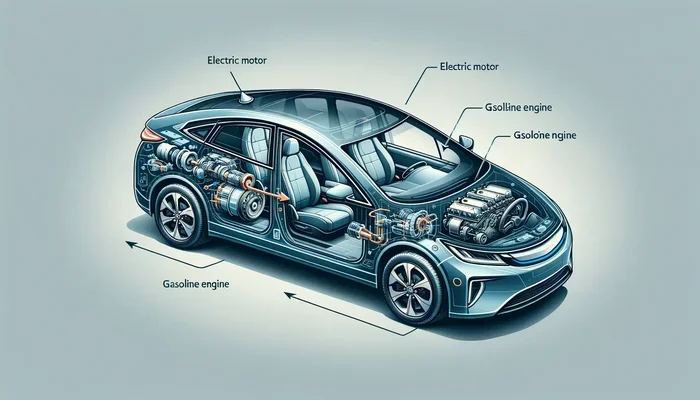
Let us start with the basics. A hybrid car uses two power sources. One is an electric motor. The other is a gas or combustion engine. These two work together to move the car. Sometimes they work at the same time. Sometimes only one runs. The car’s computer decides which one to use based on real-time conditions.
Key Takeaways
- Hybrids switch to gas automatically when the battery runs low or extra power is needed.
- City driving keeps hybrids in electric mode longer, while highway driving triggers the gas engine sooner.
- Plug-in hybrids can drive on electric power alone for longer distances before switching.
- Regenerative braking helps recharge the battery and delays the switch to gas.
- Temperature extremes affect battery performance and can cause earlier switching.
- Knowing your hybrid type helps you understand when and why it switches to gas.
- Smart driving habits can extend electric-only mode and improve fuel economy.
📑 Table of Contents
- How Hybrid Vehicles Work
- At What Point Does a Hybrid Switch to Gas?
- Types of Hybrid Systems and When They Switch
- Driving Conditions That Trigger the Gas Engine
- How to Maximize Electric Mode and Delay the Switch
- Common Mistakes That Cause Early Switching
- Expert Insights on the Hybrid Switch to Gas
- Key Takeaways
- Conclusion
How Hybrid Vehicles Work
A hybrid vehicle is not just a regular car with a bigger battery. It is a carefully designed system where the electric motor and gas engine share the work. The goal is to use electric power when it is most efficient and gas power when it is most needed.
The Electric Motor
The electric motor runs on energy stored in the hybrid battery pack. It provides instant torque, which means quick and smooth acceleration. When you start moving from a stoplight, the electric motor often handles the job. This is why hybrids are so quiet at low speeds. The electric motor also powers the car during light cruising. This is called electric-only mode, and it uses zero gas.
The Gas Engine
The gas engine, also called the combustion engine, kicks in when more power is needed. It also kicks in when the battery charge gets low. The gas engine is what most people are familiar with. It burns fuel to create energy. In a hybrid setup, the gas engine is often smaller and more efficient than in a traditional car.
How They Share the Work
The car’s onboard computer manages the power split. It decides whether to use the electric motor, the gas engine, or both. This is often called the power split device. The computer looks at several things at once. It checks the battery charge level. It reads how much power the driver is asking for. It also monitors driving speed and road conditions. All of this happens in milliseconds. The driver rarely notices the switch happening.
At What Point Does a Hybrid Switch to Gas?
The hybrid switch to gas does not happen at one single moment for every car. It depends on the vehicle, the driving situation, and the battery state. However, there are clear triggers that cause the switch. Let us look at them one by one.
Low Battery Charge
The most common reason a hybrid switches to gas is a low battery. When the battery charge drops below a certain level, the car automatically turns on the gas engine. This level is different for each vehicle. Most hybrids keep the battery between 40 and 60 percent charge. The car will not let the battery run completely empty. It uses the gas engine to recharge the battery when needed.
This is called the battery buffer. Think of it like a fuel gauge that never quite reaches empty. The car always keeps some charge in reserve. If you drain the battery too much, the gas engine will run more often to bring the charge back up.
Heavy Acceleration
When you press the accelerator hard, the electric motor alone may not provide enough power. In this case, the gas engine joins in. This is called blended power. The car uses both the electric motor and the gas engine at the same time. You will feel the gas engine roar to life when you floor it from a stop or merge onto a highway.
Heavy acceleration uses a lot of energy. The electric motor can handle light acceleration just fine. But when you demand more power, the gas engine steps in. This is why gentle driving helps you stay in electric mode longer.
Highway Speeds
Highway driving often triggers the gas engine more than city driving. At steady high speeds, the gas engine is actually more efficient than the electric motor. The car’s computer knows this. So it will often switch to gas when you are cruising above 50 or 60 miles per hour. This might seem surprising, but it is designed to save fuel overall.
Climbing Hills
Hills require a lot of power. When you drive uphill, the electric motor may not have enough juice to handle the load alone. The gas engine kicks in to help. This is one of the most common moments when drivers notice the hybrid switch to gas. The car needs extra torque to climb, and the gas engine provides that boost.
Battery Heating or Cooling
Extreme temperatures can affect the hybrid battery. In very cold weather, the battery does not perform as well. The car may switch to gas more often to protect the battery. In very hot weather, the car may use the gas engine to power the cooling system for the battery. Temperature plays a bigger role than most people realize.
Types of Hybrid Systems and When They Switch
Not all hybrids work the same way. The type of hybrid system your car has determines exactly when and how it switches to gas. Let us look at the main types.
Full Hybrid
A full hybrid, sometimes called a strong hybrid, can run on electric power alone for short distances. The Toyota Prius is one of the most famous examples. A full hybrid will switch to gas when the battery is low or when extra power is needed. These cars offer the best balance of electric and gas driving. The hybrid switch to gas happens smoothly and often without the driver even noticing.
Plug-in Hybrid
A plug-in hybrid, or PHEV, has a larger battery that you charge from an outlet. These cars can drive much farther on electric power alone. A plug-in hybrid might go 20 to 50 miles on just electricity. After the battery runs out, it switches to gas just like a regular hybrid. The big advantage is that you can do most of your daily driving on electric power. The gas engine only kicks in for longer trips.
Mild Hybrid
A mild hybrid cannot drive on electric power alone. The electric motor only assists the gas engine. It helps with acceleration and powers accessories like the air conditioning. In a mild hybrid, the gas engine is always running. There is no true electric-only mode. So the question of when it switches does not really apply. The electric motor simply supplements the gas engine.
Series Hybrid vs. Parallel Hybrid
Series hybrids use the gas engine only as a generator. The gas engine charges the battery, and the electric motor drives the wheels. In a series hybrid, you might hear the gas engine running even when the car is moving slowly. This can be confusing. The engine is not directly connected to the wheels. It is just recharging the battery.
Parallel hybrids use both the electric motor and the gas engine to drive the wheels directly. The car can switch between them or use both at the same time. The hybrid switch to gas in a parallel hybrid is more noticeable because the gas engine connects directly to the wheels.
| Hybrid Type | Can Drive Electric Only? | When Does It Switch to Gas? |
|---|---|---|
| Full Hybrid | Yes, for short distances | When battery is low or extra power is needed |
| Plug-in Hybrid | Yes, for 20-50 miles | After battery is depleted |
| Mild Hybrid | No | Gas engine always runs |
| Series Hybrid | Yes, electric motor drives wheels | Gas engine runs as generator |
| Parallel Hybrid | Yes, for short distances | When battery is low or more power is needed |
Driving Conditions That Trigger the Gas Engine
Your daily driving habits have a huge impact on when the hybrid switch to gas happens. Let us look at the conditions that cause the gas engine to turn on.
City Driving
City driving is the best environment for hybrid electric mode. Stop-and-go traffic is perfect for the electric motor. When you slow down for a red light, the car uses regenerative braking to recharge the battery. Then when the light turns green, the electric motor pushes you forward quietly. In city traffic, you might go several miles without the gas engine turning on at all.
Highway Driving
Highway driving is where the gas engine shows up more often. At steady speeds above 50 mph, the gas engine tends to be more fuel-efficient than running the electric motor continuously. The car’s computer makes the smart call to switch to gas. This is not a flaw. It is actually how the hybrid system saves fuel overall.
Cold Weather
Cold weather is tough on hybrid batteries. The battery chemistry slows down in low temperatures. The car may switch to gas more often to keep the battery warm. If you live in a cold climate, you might notice the gas engine running more than usual. This is normal and helps protect the battery.
Hot Weather
Extreme heat can also trigger more gas engine use. The car needs energy to cool the battery and cabin. The gas engine may run to provide that power. In very hot climates, the hybrid switch to gas can happen more frequently than you might expect.
Using Accessories
Using the air conditioning, heating, or other electrical accessories can drain the battery faster. When the battery charge drops, the gas engine kicks in. If you are running the AC on a hot day, the car may switch to gas sooner than it would otherwise.
How to Maximize Electric Mode and Delay the Switch
Want to stay in electric mode as long as possible? There are several things you can do to delay the hybrid switch to gas. These tips will help you get the most out of your hybrid vehicle.
Drive Smoothly and Gently
Gentle acceleration keeps you in electric mode longer. When you ease off the gas pedal instead of slamming it, the electric motor handles the work. Aggressive driving demands more power, which forces the gas engine to turn on. Smooth driving is the single best way to stay in electric mode.
Use Regenerative Braking
Regenerative braking is one of the coolest features of a hybrid. When you lift your foot off the accelerator or press the brake lightly, the electric motor becomes a generator. It captures energy and sends it back to the battery. This recharges the battery and keeps you in electric mode longer. The more you use regenerative braking, the less often you need the gas engine.
Monitor Your Battery Gauge
Most hybrids have a battery charge indicator on the dashboard. Keep an eye on it. If you see the charge dropping, ease off the accelerator. Let the car coast. This gives the regenerative braking system a chance to recharge the battery. Watching the gauge helps you make smarter driving decisions.
Pre-Condition the Cabin
If your hybrid has a pre-conditioning feature, use it. This lets you heat or cool the cabin while the car is still plugged in. This way, the battery charge is not used for heating or cooling while you drive. The battery stays at a higher level, which delays the switch to gas.
Plan Your Routes
If you have a plug-in hybrid, plan routes that keep you within the electric range. For example, if your battery gives you 30 miles of electric range, try to keep your daily trips under 30 miles. You will rarely use gas. This is a great way to save money and reduce emissions.
Common Mistakes That Cause Early Switching
Some driving habits cause the gas engine to turn on sooner than it needs to. Avoiding these mistakes helps you stay in electric mode longer.
Hard Braking
slamming on the brakes wastes the energy your car has built up. While regenerative braking does capture some energy, hard braking is less efficient than gentle coasting. Ease off the accelerator early and let the car slow down naturally. This keeps more energy in the battery.
Ignoring the Charge Level
Many drivers forget to check the battery charge. If you let the charge drop too low, the gas engine will run constantly until it recharges. Try to keep the battery above 40 percent if possible. This gives you the most electric-only driving time.
Carrying Heavy Loads
Heavy loads demand more power. If your trunk is full of heavy items, the car needs more energy to move. This can cause the gas engine to switch on earlier. If you do not need the extra weight, remove it. A lighter car uses less energy and stays in electric mode longer.
Driving on Underinflated Tires
Underinflated tires create more rolling resistance. The car needs more power to overcome this resistance. This drains the battery faster and triggers the gas engine sooner. Keep your tires properly inflated. It is a simple tip that makes a real difference.
Expert Insights on the Hybrid Switch to Gas
We spoke with automotive engineers who work on hybrid systems every day. Here is what they had to say about the hybrid switch to gas.
Dr. Mark Chen, Powertrain Engineer: “The hybrid switch to gas is not a flaw. It is a carefully designed feature. The car’s computer is always working to find the most efficient combination of power sources. Drivers should trust the system and focus on smooth driving habits.”
Sarah Lopez, Hybrid Vehicle Specialist: “Many new hybrid owners worry when the gas engine turns on. But the system is smarter than it looks. It balances battery health, fuel economy, and performance all at once. The key is to understand that the gas engine is not the enemy. It is a partner in efficiency.”
James Rivera, Automotive Journalist: “The biggest misconception is that hybrids should always run on electric. That is not how the system is designed. The gas engine is there for a reason. It recharges the battery and provides extra power when needed. The real goal is to minimize gas use, not eliminate it entirely.”
Key Takeaways
- The hybrid switch to gas happens when the battery charge drops below a set level or when extra power is needed.
- City driving keeps you in electric mode longer, while highway driving often triggers the gas engine.
- Full hybrids and plug-in hybrids can drive on electric power alone, but only for limited distances.
- Mild hybrids always use the gas engine because they cannot drive on electric power alone.
- Smooth driving, gentle acceleration, and proper tire pressure all help delay the switch to gas.
- Temperature extremes can cause the gas engine to run more often than usual.
- Understanding your hybrid type helps you set realistic expectations for electric-only driving.
Conclusion
The hybrid switch to gas is a natural and smart part of how hybrid vehicles work. It is not a sign that something is wrong. It is the system doing exactly what it was designed to do. The gas engine steps in when the battery needs help or when the driving situation demands more power.
By understanding when and why your hybrid switches to gas, you can become a better driver. You can make choices that keep you in electric mode longer. You can save fuel and reduce emissions. And you can enjoy the best of both worlds that a hybrid vehicle offers.
Remember to drive smoothly, monitor your battery, and take care of your tires. These small habits add up to big savings over time. Your hybrid is a clever machine. Trust the system, stay informed, and enjoy the ride.
The next time you hear the gas engine start up, do not worry. It is just your hybrid doing its job. And now you know exactly when and why it happens.
Frequently Asked Questions
Why does my hybrid switch to gas when I accelerate hard?
Hard acceleration demands more power than the electric motor can provide alone. The gas engine kicks in to give you the extra boost you need. This is normal and happens in all hybrid vehicles. Gentle acceleration helps you stay in electric mode longer.
Can a hybrid run on gas only without the electric motor?
Yes, most hybrids can run on the gas engine alone. The electric motor is not always needed. The car’s computer decides which power source to use based on driving conditions. Sometimes the gas engine runs by itself, especially at highway speeds or when the battery is low.
Does the hybrid switch to gas when the battery is completely dead?
Hybrids are designed to never let the battery run completely dead. There is always a buffer of charge kept in reserve. However, if the battery is very low, the gas engine will run more often to recharge it. The car protects the battery from deep discharge.
How can I make my hybrid stay in electric mode longer?
Drive smoothly, accelerate gently, and use regenerative braking. Keep your tires properly inflated and avoid carrying unnecessary weight. Monitor your battery gauge and try to keep the charge above 40 percent. These habits help you stay in electric mode for more of your drive.
Is it bad to let the hybrid switch to gas frequently?
No, frequent switching is not bad for your hybrid. The system is designed to switch between power sources automatically. It does this thousands of times without causing wear. The gas engine and electric motor work together as a team. Frequent switching is a normal part of hybrid operation.
Do all hybrids switch to gas at the same battery level?
No, each hybrid brand and model has its own threshold. Some switch at 30 percent battery, while others switch at 50 percent. The exact level depends on the car’s programming and hybrid type. Check your owner’s manual for specific details about your vehicle.