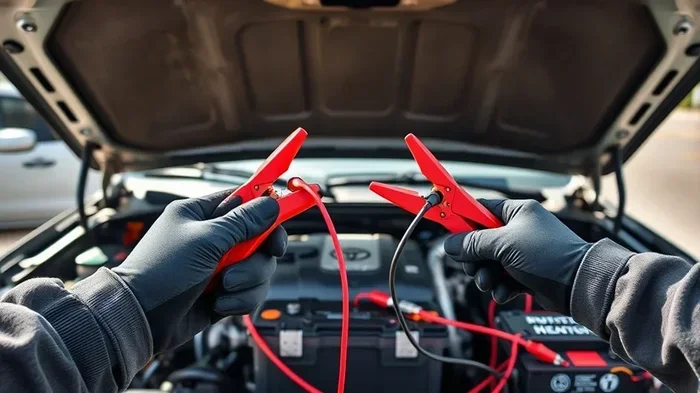
Can You Jump-Start a Hybrid Car – Full Safety Guide
Yes, you can jump-start a hybrid car, but you must follow specific safety steps. Unlike regular vehicles, hybrids have both a 12-volt battery and a high-voltage battery that require special care. This guide walks you through the entire process safely and simply.
This is a comprehensive guide about Can You Jump-Start a Hybrid?.
Key Takeaways
- Yes, you can jump-start a hybrid car using the 12-volt battery, just like a regular car.
- Never touch the high-voltage orange cables inside the hybrid system — they carry dangerous voltage.
- Locate the 12-volt jump-start terminal under the hood or in the trunk before you begin.
- Follow the correct cable order to avoid damaging your hybrid’s electrical system.
- Toyota Prius and other hybrids have specific jump-start procedures you should know.
- Prevent battery drain by understanding how your hybrid battery recharges itself.
[FEATURED_IMAGE_PLACEHOLDER]
There is nothing worse than turning your key or pressing the start button and hearing nothing. Your hybrid car sits there, silent and dead. You wonder if you can even jump-start a hybrid. The answer is yes. But the process is different from a regular car. Hybrids have two battery systems, and you need to know exactly which one to use.
This guide gives you the full safety steps, common mistakes, and expert tips. You will learn how to jump-start a hybrid the right way every time. We keep it simple and practical so you can get back on the road fast.
Can You Jump-Start a Hybrid Car Safely?
Many car owners worry about their hybrid battery. They fear they will cause damage. The good news is that jump-starting a hybrid is safe when you follow the correct steps. Hybrids come with a standard 12-volt battery, just like regular cars. This is the battery you use for a jump-start.
The high-voltage hybrid battery is a completely different system. It powers the electric motor. You never touch this battery during a jump-start. The 12-volt battery runs the lights, radio, and ignition. When it dies, your car will not start. That is when you need jumper cables and another vehicle.
How Hybrid Batteries Work
Hybrid cars use two power sources. The first is a small 12-volt battery. The second is a high-voltage nickel-metal hydride or lithium-ion battery pack. The high-voltage battery typically runs between 200 and 400 volts. It stores energy for the electric motor and captures energy through regenerative braking.
The 12-volt battery handles all the electronics and starting functions. When you turn the key or press the push button, the 12-volt battery sends power to the hybrid system controller. This controller then wakes up the high-voltage battery and powers the electric motor. If the 12-volt battery dies, the whole system stays offline.
Why Hybrid Batteries Die
Several things can drain a hybrid 12-volt battery. Leaving lights on is a common cause. A faulty DC-DC converter can also slowly drain the battery over time. Extreme cold weather reduces battery performance. And if you leave your hybrid sitting unused for weeks, the battery may lose its charge.
The high-voltage hybrid battery rarely dies completely. These packs are built to last many years. But they do lose capacity over time. If your hybrid battery warning light comes on, you should visit a certified technician. A failing high-voltage battery needs professional attention, not a jump-start.
What You Need Before You Start
Before you attempt a jump-start, gather a few items. Having everything ready keeps the process smooth and safe.
- A set of jumper cables — make sure they are thick and well-insulated
- A second vehicle with a working 12-volt battery
- Your hybrid owner’s manual — this shows the exact jump-start terminal location
- Safety gloves and goggles — protect yourself from sparks or acid
- A flashlight — helpful if you are jump-starting at night
Keep the jumper cables away from the high-voltage components. The orange cables inside the hybrid system are high-voltage and extremely dangerous. Never touch them. If you see orange cables, stay away from them. The 12-volt terminals are usually black and located under the hood or in the trunk.
Finding the Jump-Start Terminal
Every hybrid model places the 12-volt jump-start terminal in a different spot. In many Toyota hybrids, you will find it under the hood near the fuse box. The Honda hybrid terminal is often located in the engine bay as well. Some models, like the Ford Escape Hybrid, place the terminal in the trunk.
Check your owner’s manual before you need it. Knowing the location ahead of time saves stress in an emergency. The terminal is usually marked with a positive (+) and negative (-) symbol. It may look like a regular car battery terminal but smaller.
Step-by-Step: How to Jump-Start a Hybrid
Follow these steps exactly. The order matters. Connecting cables the wrong way can damage your hybrid’s electrical system or cause sparks.
Step 1: Park Both Cars Safely
Place the donor vehicle close to your hybrid. Make sure both cars are in park or neutral. Turn off the ignition on both vehicles. Set the parking brakes on both cars. Keep the doors open for ventilation.
Do not let the two cars touch each other. A small gap between them is safe. This prevents any accidental electrical grounding.
Step 2: Connect the Red Cable to the Dead Hybrid Battery
Attach the red jumper cable clamp to the positive (+) terminal of your hybrid’s 12-volt battery. If the terminal is under the hood, you will see a marked positive post. If it is in the trunk, open the access panel and locate the terminal there.
Make sure the clamp bites firmly. A loose connection can cause sparking. If the terminal is corroded, clean it gently with a wire brush before connecting.
Step 3: Connect the Other Red Cable to the Donor Battery
Attach the other red clamp to the positive (+) terminal of the working vehicle’s battery. Again, make sure the connection is tight and secure. Do not let the red cables touch any metal parts of either car.
Step 4: Connect the Black Cable to the Donor Battery
Attach the black clamp to the negative (-) terminal of the donor vehicle’s battery. This completes one side of the circuit.
Step 5: Connect the Last Black Cable to a Ground Point
Do not connect the final black clamp directly to the hybrid’s negative terminal. Instead, attach it to an unpainted metal surface on the hybrid’s engine block or frame. This reduces sparking near the hybrid battery area.
This grounding step is especially important for hybrids. It keeps sparks away from the high-voltage components that may be nearby.
Step 6: Start the Donor Vehicle First
Start the donor car and let it run for a few minutes. This charges your hybrid’s 12-volt battery. You should see the hybrid dashboard lights come on when you turn the ignition.
Wait about two to three minutes. This gives the dead battery a small charge. Then try starting your hybrid.
Step 7: Start Your Hybrid
Press the start button or turn the key. Your hybrid should start normally. If it does not start the first time, wait another minute and try again. Do not crank the engine for more than five seconds at a time.
Once your hybrid starts, let it idle. The DC-DC converter will begin recharging the 12-volt battery from the high-voltage hybrid pack.
Step 8: Disconnect the Cables in Reverse Order
Remove the cables in the exact opposite order you connected them:
- Black cable from the ground point on your hybrid
- Black cable from the donor battery negative terminal
- Red cable from the donor battery positive terminal
- Red cable from your hybrid battery positive terminal
Keep the cable clamps apart from each other as you remove them. Do not let them touch metal surfaces or each other.
Hybrid-Specific Safety Rules You Must Follow
Hybrids are safe vehicles. But they contain high-voltage systems that demand respect. Following these safety rules protects you and your car.
Never Touch the Orange Cables
High-voltage cables in hybrids are bright orange. They carry between 200 and 400 volts. Touching these cables can cause serious injury or death. If you see orange cables, do not touch them. Do not attempt to disconnect or repair them yourself.
Only trained hybrid technicians should work on the high-voltage system. If you notice damaged orange cables, call a professional immediately.
Keep Water Away from the Battery Area
Water and electricity do not mix. If you are jump-starting in the rain, take extra precautions. Keep the jumper cables off the ground where water can pool. Wear rubber-soled shoes. Use insulated tools if possible.
Do not open the hybrid battery pack enclosure. The sealed pack is designed to be weather-resistant. Opening it exposes you to high-voltage components.
Watch for the Hybrid Warning Light
If you see a hybrid warning light on your dashboard during the jump-start process, stop immediately. This could indicate a deeper electrical problem. Check the owner’s manual for the specific warning light symbol.
A flashing hybrid warning light is more urgent than a steady one. In either case, turn off the ignition and consult a professional.
Do Not Jump-Start a Damaged Hybrid Battery
If you notice swelling, leaking, or a burnt smell from the battery area, do not attempt a jump-start. A damaged battery can overheat or catch fire. Call roadside assistance or a tow truck instead.
Hybrid battery packs are sealed units. If the case is compromised, the internal chemicals can be hazardous. Safety always comes first.
Common Mistakes People Make When Jump-Starting a Hybrid
Even experienced car owners make mistakes. Here are the most common errors to avoid.
Connecting Cables in the Wrong Order
One of the biggest mistakes is connecting cables in the wrong sequence. Always follow the positive-positive-negative-ground order. Reversing the order can fry your hybrid’s sensitive electronics.
The DC-DC converter in your hybrid converts high-voltage power to 12-volt power. A power surge from wrong cable connections can damage this converter. Replacing it is expensive and unnecessary.
Connecting the Final Black Cable to the Hybrid Negative Terminal
Some people connect the last black cable directly to the hybrid’s negative terminal. This creates a spark right near the battery and high-voltage components. Always use a ground point on the engine block instead.
Sparks near the hybrid battery area can ignite any gases that might be present. This is a small risk but a serious one. The grounding method eliminates this danger.
Forgetting to Turn Off Both Ignitions
Always turn off both vehicles before connecting cables. A running donor car can send voltage spikes through the cables. These spikes can damage the hybrid’s computer modules and sensors.
Wait until both cars are fully off before making any connections. This simple step saves hundreds of dollars in potential repairs.
Leaving Jumper Cables Connected Too Long
Once your hybrid starts, disconnect the cables promptly. Leaving them connected too long can cause overcharging of the 12-volt battery. This is rare but possible.
A good rule is to keep cables connected for no more than five minutes after the hybrid starts. Then drive your car for at least 15 minutes to recharge the battery fully.
Ignoring the Owner’s Manual
Every hybrid model is slightly different. The jump-start terminal location, cable order, and safety warnings vary by manufacturer. Your owner’s manual has the exact instructions for your specific vehicle.
Skipping the manual can lead to mistakes. Take five minutes to read the jump-start section before an emergency happens. Print it out and keep it in your glove box.
Preventing Hybrid Battery Problems
The best way to avoid jump-starting your hybrid is to prevent battery issues in the first place. Here are simple habits that keep your hybrid battery healthy.
Drive Your Hybrid Regularly
Hybrid batteries self-discharge over time, especially the 12-volt auxiliary battery. Driving your hybrid at least once a week keeps the battery charged. The DC-DC converter replenishes the 12-volt battery while you drive.
If you store a hybrid for a long period, use a battery maintainer. This trickle charger keeps the 12-volt battery at full charge without overcharging it.
Check the 12-Volt Battery Age
Hybrid 12-volt batteries typically last three to five years. If your battery is older than three years, have it tested at an auto parts store. Many stores offer free battery testing.
Replacing a weak 12-volt battery before it dies completely saves you from unexpected breakdowns. It is a small cost that prevents big headaches.
Keep the Battery Terminals Clean
Corrosion on battery terminals slows the electrical connection. Check your terminals every few months. If you see white or blue powdery buildup, clean it with a baking soda and water solution.
Use a wire brush to scrub the terminals gently. Apply a thin layer of petroleum jelly afterward to prevent future corrosion.
Minimize Parasitic Draw
Accessories left plugged in can drain your hybrid battery over time. Phone chargers, GPS devices, and dash cameras all draw small amounts of power. Unplug them when the car is not running.
Some hybrids have a power outlet that stays active even when the car is off. Check your manual to understand which outlets draw power and when they shut off.
What If Jump-Start Does Not Work?
Sometimes, even after following all the steps, your hybrid will not start. This can be frustrating. Here is what to do next.
First, check the 12-volt battery voltage with a multimeter. A healthy battery should read 12.6 volts or higher. If it reads below 12 volts, the battery may be too far gone for a jump-start to work.
Second, check the hybrid battery warning light. If it is on, the problem may be with the high-voltage system. This requires a professional diagnosis at a hybrid-certified service center.
Third, consider the age of your hybrid battery pack. If your vehicle has over 100,000 miles, the high-voltage pack may be degrading. A failing hybrid battery pack affects the overall performance and can prevent the car from starting.
In these cases, call for roadside assistance. A professional can test both battery systems and recommend the right repair. Do not keep trying to jump-start a hybrid that will not start. Repeated attempts can strain the electrical system further.
Key Takeaways
- Yes, you can jump-start a hybrid car using the 12-volt battery, just like a regular car.
- Never touch the high-voltage orange cables inside the hybrid system — they carry dangerous voltage.
- Locate the 12-volt jump-start terminal under the hood or in the trunk before you begin.
- Follow the correct cable order to avoid damaging your hybrid’s electrical system.
- Toyota Prius and other hybrids have specific jump-start procedures you should know.
- Prevent battery drain by understanding how your hybrid battery recharges itself.
Conclusion
Jump-starting a hybrid car is completely doable. You just need to know the right steps and respect the safety rules. The key is understanding that your hybrid has two battery systems. The 12-volt battery is what you use for a jump-start. The high-voltage battery powers the electric motor and stays untouched.
Always follow the cable connection order carefully. Park safely, connect red to positive first, then black to a ground point. Start the donor car before your hybrid. And never touch orange high-voltage cables.
Prevention is the best approach. Keep your 12-volt battery maintained, drive regularly, and check battery age. These simple habits reduce the chance of a dead battery altogether. If jump-starting does not work, call a professional. Hybrid systems are complex and deserve expert care.
Now you have the full guide to safely jump-start a hybrid. Keep this information handy. You never know when you or a friend might need it. Stay prepared, stay safe, and keep driving.
Frequently Asked Questions
Can you jump-start a Toyota Prius hybrid?
Yes, you can jump-start a Toyota Prius using the 12-volt battery. The jump-start terminal is usually located in the engine bay on the left side. Follow the same cable order as other hybrids and never touch the orange high-voltage cables inside the engine compartment.
What happens if you accidentally touch the high-voltage cables in a hybrid?
Touching the high-voltage orange cables can cause severe electric shock or electrocution. These cables carry 200 to 400 volts. Always keep hands and tools away from orange cables. If you see damaged orange cables, call a professional immediately.
How long should I drive my hybrid after a jump-start?
Drive your hybrid for at least 15 to 20 minutes after a jump-start. This allows the DC-DC converter to fully recharge the 12-volt battery from the high-voltage hybrid pack. If the battery was deeply discharged, drive for 30 minutes or more to restore full charge.
Can a hybrid jump-start another car?
Yes, a hybrid can jump-start another car using its 12-volt battery. However, most hybrids have smaller 12-volt batteries than regular cars. Use the hybrid to start a smaller engine first and limit the duration to avoid draining the hybrid’s 12-volt battery too much.
Do hybrid batteries need to be replaced often?
Most hybrid high-voltage battery packs last between 80,000 and 150,000 miles. The 12-volt auxiliary battery typically lasts three to five years. Regular maintenance and driving habits can extend both battery lifespans significantly.
Is it safe to jump-start a hybrid in the rain?
Yes, it is safe to jump-start a hybrid in the rain if you take basic precautions. Keep the jumper cables away from puddles, wear rubber-soled shoes, and make sure all connections are dry. Modern hybrids have waterproof battery enclosures, but the cables and terminals should stay as dry as possible.