Car Not Starting in Cold Weather Causes and Quick Fixes
Car not starting in cold weather is one of the most common winter headaches for drivers. The main culprits are usually a weak or frozen battery, thickened engine oil, and fuel line problems. With the right knowledge and a few simple tools, you can get your car running again fast. This guide covers every cause and gives you practical quick fixes you can use right away.
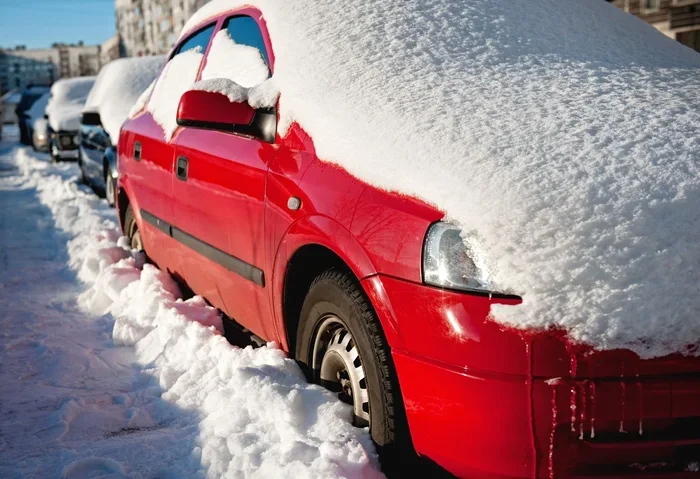
There is nothing worse than turning the key and hearing nothing but a click. You are standing in the cold, bundled up, and your car will not start. Car not starting in cold weather is a problem millions of drivers face every winter. Whether you live in a cold climate or just deal with chilly mornings, this issue can ruin your day fast.
The good news is that most causes are easy to fix. You do not need to be a mechanic to understand what is going wrong. In this article, we will walk through every reason your car might refuse to start when temperatures drop. We will also give you quick fixes and prevention tips that actually work.
Let us get into it. By the end, you will know exactly what to check, what to fix, and how to keep your car running all winter long.
Key Takeaways
- Dead or weak battery: Cold temperatures drain battery power fast. A weak battery is the top reason for car not starting in cold weather.
- Thickened oil: Cold weather makes engine oil viscous, making it hard for the engine to turn over smoothly.
- Fuel line freeze: Moisture in fuel lines can freeze and block fuel from reaching the engine.
- Ignition system issues: Spark plugs and ignition coils struggle in freezing temperatures.
- Quick fixes work: Jump starts, starting fluid, and block heaters can solve most cold-starting problems.
- Prevention is key: Regular winter car maintenance keeps your car reliable all season long.
- Know when to call a pro: Some issues need a mechanic. Don’t guess if you are unsure.
📑 Table of Contents
- Why Does Your Car Refuse to Start When It Is Cold?
- The Battery: The Number One Winter Villain
- Thickened Oil and Engine Oil Viscosity Problems
- Fuel System Problems in Freezing Temperatures
- Ignition System Troubles in Cold Weather
- Quick Fixes and Prevention Tips for Winter
- Final Thoughts on Cold Weather Car Starting
Why Does Your Car Refuse to Start When It Is Cold?
Cold weather hits your car in several ways at once. Cold weather car problems usually involve the battery, the oil, the fuel system, and the ignition. When temperatures drop, each of these systems works harder. And when one fails, your engine will not crank.
Think of it this way. Your car is like a human body in winter. Everything slows down. The battery loses power. The oil gets thick. The fuel can freeze. And the spark plugs struggle to ignite. Understanding this helps you see why car not starting in cold weather happens so often.
Most drivers experience this problem between November and March. But it can happen anytime the temperature dips below freezing. The key is knowing what to look for and how to respond quickly.
The Science Behind Cold Weather and Your Engine
When it is cold, chemical reactions inside your battery slow down. This means the battery produces less power. At the same time, engine oil becomes thicker and harder to pump. Your engine needs more energy to turn over, but the battery has less to give.
Fuel also behaves differently in cold temperatures. Gasoline and diesel can thicken or even freeze in extreme cases. Moisture inside fuel lines can turn to ice and block fuel flow. All of these factors combine to make starting your car a real challenge.
The good thing is that car manufacturers know this. That is why modern cars have built-in cold-start systems. But these systems are not perfect. And older cars are even more vulnerable to winter car problems.
The Battery: The Number One Winter Villain
If your car not starting in cold weather, the battery should be your first suspect. Cold temperatures are a battery killer. A battery that works fine in summer can fail completely in winter. This is the most common reason drivers call for roadside help.
Here is what happens. A car battery relies on chemical reactions to produce electricity. Cold weather slows these reactions way down. A fully charged battery at 80 degrees Fahrenheit can still start your car. But that same battery at 0 degrees Fahrenheit loses about 60 percent of its power.
That is a huge drop. And it explains why so many people wake up to a dead battery on a freezing morning.
Signs Your Battery Is Failing in the Cold
You do not always get a warning. But there are signs to watch for:
- Slow engine crank: The engine turns over slowly or sluggishly when you turn the key.
- Dim headlights: Your lights are dimmer than usual, especially when the engine is off.
- Clicking sound: You hear a rapid clicking but the engine does not turn over.
- Battery age: Batteries older than three years are more likely to fail in cold weather.
- Corroded terminals: White or greenish buildup on the battery terminals blocks the connection.
If you notice any of these signs, get your battery tested right away. Most auto parts stores will test it for free. A weak battery is an easy fix before it leaves you stranded.
Quick Fixes for a Dead Battery
When your battery dies in the cold, you have several options:
- Jump start the car: Use jumper cables and another vehicle. Connect the red cable to the positive terminal first, then the black to a grounded metal surface.
- Use a portable jump starter: These small devices fit in your trunk and can start your car without another vehicle.
- Replace the battery: If the battery is old or damaged, a new one is the best long-term solution.
- Keep the battery warm: A battery blanket or insulated cover helps maintain charge in freezing temperatures.
Quick Tip: Always keep your jumper cables in the trunk during winter. You never know when you or someone else will need them.
Thickened Oil and Engine Oil Viscosity Problems
The second biggest cause of car not starting in cold weather is thickened oil. Engine oil is supposed to flow smoothly and lubricate all the moving parts. But when it gets cold, oil becomes sludge-like and hard to pump.
Think of honey in your kitchen. When it is warm, it flows easily. When you put it in the fridge, it becomes thick and slow. Engine oil works the same way. In cold weather, the oil resists flowing, and your engine struggles to turn over.
This is where engine oil viscosity matters a lot. Viscosity is just a fancy word for how thick or thin your oil is.
Understanding Oil Grades for Winter Driving
Oil grades are printed on every bottle. You will see numbers like 5W-30 or 0W-20. The “W” stands for winter. The lower the number before the W, the better the oil flows in cold temperatures.
- 5W-30: A common all-season oil. Works well down to about -20 degrees Fahrenheit.
- 0W-20: A synthetic oil that flows easily even in extreme cold.
- 10W-30: Better for warmer climates. Can be too thick in freezing weather.
If you live in a cold climate, switching to a lower-viscosity winter oil can make a big difference. Check your owner’s manual for the recommended grade. Using the right oil is one of the simplest steps in winter car maintenance.
How to Fix Oil-Related Cold Starting Issues
If you suspect thick oil is causing your car not starting in cold weather, try these steps:
- Switch to a winter-grade synthetic oil before the cold season hits.
- Let the car idle for 30 seconds before driving to let the oil circulate.
- Avoid revving the engine immediately. Give it time to warm up gently.
- Consider an engine block heater if you live in extremely cold areas.
Common Mistake: Many drivers use the same oil year-round. This works in mild climates but can cause serious starting problems in freezing weather. Always check your oil grade before winter arrives.
Fuel System Problems in Freezing Temperatures
Your fuel system has a big role in getting your car started. And cold weather can mess with it in several ways. From frozen fuel lines to low fuel levels, fuel system issues are a top reason for car not starting in cold weather.
The most common fuel problem is a frozen fuel line. This happens when moisture gets into the fuel system and freezes. The ice blocks fuel from reaching the engine. Without fuel, your engine will not start no matter how good your battery is.
How Fuel Lines Freeze
Fuel lines freeze when water vapor inside the lines condenses and turns to ice. This is more common in older cars with metal fuel lines. Modern cars with sealed fuel systems are less prone to this problem, but it still happens.
Here is what makes it worse: if your fuel gauge is low, there is more air in the tank. More air means more moisture. More moisture means a higher chance of frozen fuel lines.
This is why keeping your tank at least half full in winter is such good advice. It reduces the space for moisture to form and freeze.
Quick Fixes for Fuel System Freeze-Ups
If you think your fuel line is frozen, here is what you can do:
- Keep the tank half full: This reduces moisture buildup in the fuel system.
- Use fuel line antifreeze: Add a fuel dryer or antifreeze additive to absorb moisture.
- Use starting fluid: A small spray of starting fluid into the air intake can help ignite fuel temporarily.
- Warm the fuel line: Use a heat gun or warm cloth on the fuel line area (never an open flame).
Expert Insight: Mechanics recommend adding fuel antifreeze at the first sign of cold weather. It is cheap and prevents expensive fuel line repairs later.
Diesel vs Gasoline: Which Has More Cold Weather Problems?
Diesel engines face unique cold weather challenges. Diesel fuel can gel or wax at low temperatures, clogging fuel filters. Gasoline rarely gels, but it can still have moisture issues.
Here is a quick comparison:
| Issue | Gasoline Cars | Diesel Cars |
|---|---|---|
| Fuel line freeze | Possible with moisture | Common in extreme cold |
| Fuel gelling | Rare | Common below 0°F |
| Battery drain | Common | Very common (glow plugs draw power) |
| Oil thickening | Moderate | Severe (diesel oil is thicker) |
| Easy fix | Jump start or starting fluid | Block heater or fuel additive |
Both types of engines can suffer from car not starting in cold weather. But diesel engines need extra preparation. If you drive a diesel, invest in a good block heater and winter-grade fuel.
Ignition System Troubles in Cold Weather
The ignition system is what creates the spark that lights the fuel in your engine. When it is cold, ignition components work harder and fail more often. Spark plugs, ignition coils, and ignition switches are all vulnerable in freezing temperatures.
If your engine cranks but will not fire, the ignition system is likely the problem. This is different from a dead battery, where the engine does not crank at all.
Spark Plugs and Cold Weather Driving
Spark plugs wear out over time. In cold weather, old spark plugs struggle even more. The gap between the electrodes can collect moisture, making it harder to create a strong spark.
Spark plugs cold weather performance drops significantly when plugs are worn. A single bad spark plug can prevent your engine from starting. Replacing old spark plugs before winter is one of the best cold climate driving habits you can build.
Look for these signs of bad spark plugs:
- Engine misfires or runs rough.
- Difficulty starting, especially in the morning.
- Reduced fuel economy.
- Rough idling or stalling.
Ignition Coils and Switches
The ignition coil converts battery power into the high voltage needed for a spark. In cold weather, ignition coils can crack or fail. The ignition switch can also develop internal corrosion over time.
If you turn the key and hear the starter engage but the engine does not fire, check the ignition coil. A multimeter can test the coil’s resistance. If it is out of range, a replacement is usually inexpensive and easy.
Quick Tip: Keep a set of spark plugs in your glove box. Replacing them is one of the easiest winter car care tasks you can do at home.
Quick Fixes and Prevention Tips for Winter
Now that you know the main causes, let us talk about how to prevent car not starting in cold weather altogether. Prevention is always better than repair. And the good news is that most winter car problems are easy to avoid with a little planning.
Use a Block Heater
A block heater warms your engine block before you start the car. It plugs into a wall outlet and keeps the coolant warm. This makes starting much easier in freezing temperatures.
Block heaters are especially useful for diesel engines and cars parked outside. Many people in cold northern states use them every night during winter. The cost is low, and the savings on battery replacements and roadside calls are huge.
Keep a Winter Emergency Kit in Your Car
Every car should have a winter emergency kit. Here is what to include:
- Jumper cables or a portable jump starter.
- Blankets and warm clothing.
- A flashlight and extra batteries.
- Ice scraper and snow brush.
- Small bag of sand or kitty litter for traction.
- Phone charger and a first aid kit.
This kit can save your life if you get stranded. It also helps with minor cold weather car problems on the spot.
Schedule a Winter Car Maintenance Check
Before winter hits, take your car in for a checkup. A good mechanic will check the battery, oil, coolant, spark plugs, and ignition system. This is the best way to catch problems before they leave you stranded.
Common Mistake: Many drivers skip winter maintenance because their car seems fine in summer. But problems that are invisible in warm weather become major issues in the cold. Do not skip this step.
Park Smart
Where you park matters more than you think. Parking in a garage, even a cold one, keeps your car warmer than parking outside. If you do not have a garage, try parking under a tree or building overhang to reduce wind chill exposure.
Some drivers use car covers to insulate the engine bay. This simple trick can reduce heat loss and make morning starts easier.
When to Call a Professional
Not every problem can be fixed with a jump start or a quick trick. If you have tried the basics and your car not starting in cold weather persists, it is time to call a mechanic.
Call a professional if:
- The battery is less than a year old and still dies frequently.
- The engine cranks normally but will not fire at all.
- You smell gas or see fluid leaks under the car.
- The check engine light is on along with starting problems.
- You have tried starting fluid and it does not help.
A good mechanic can diagnose the root cause quickly. Sometimes the problem is a faulty starter motor or a bad ignition switch. These are not DIY fixes for most drivers.
Expert Insight: Many mechanics offer free phone advice. Describe your symptoms clearly and ask if it sounds like something you can fix yourself or if you need a tow. This can save you time and money.
Final Thoughts on Cold Weather Car Starting
Car not starting in cold weather is frustrating, but it is almost always fixable. The most common causes are a weak battery, thickened oil, frozen fuel lines, and ignition system wear. Each of these has a clear solution, and most are easy to do yourself.
The best defense against winter starting problems is preparation. Change your oil before winter. Test your battery. Keep your fuel tank half full. Replace old spark plugs. And invest in a block heater if you live where temperatures drop below freezing regularly.
These steps take a little time and money upfront. But they save you from the stress, cold, and expense of being stranded on a winter morning. Winter car maintenance is not just smart. It is essential for anyone who drives in cold climates.
Remember this: your car works hard to keep you warm and safe in winter. Give it the care it deserves. Check the basics first. Use the quick fixes we covered. And know when to call for help. With the right approach, you can face even the coldest mornings with confidence.
Stay warm, stay prepared, and keep your car running all winter long.
Frequently Asked Questions
Why does my car not start in cold weather but works fine in summer?
Cold weather reduces battery power, thickens engine oil, and can freeze moisture in fuel lines. These factors combine to make starting your car much harder in winter. Summer conditions allow all these systems to work at full capacity, which is why the problem disappears in warm weather.
How do I know if my battery is too weak to start the car in cold weather?
Signs of a weak battery include a slow engine crank, dim headlights, and a clicking sound when you turn the key. You can get your battery tested for free at most auto parts stores. Batteries older than three years are especially vulnerable to cold weather failure.
Can I use starting fluid in my car during winter?
Yes, starting fluid can help in emergencies. Spray a small amount into the air intake while someone turns the key. It provides a temporary fuel source to help the engine ignite. However, do not rely on it regularly, as it can damage your engine if overused.
What is the best engine oil for cold weather driving?
Synthetic oils with low winter viscosity grades like 0W-20 or 5W-30 flow best in freezing temperatures. Check your owner’s manual for the recommended grade. Switching to a winter-grade oil before the cold season is one of the easiest ways to prevent cold starting issues.
Does a block heater really make a difference for cold starting?
Yes, a block heater makes a significant difference. It warms the engine coolant and oil before you start the car, reducing strain on the battery and starter. Block heaters are especially helpful for diesel engines and cars parked outside in extremely cold climates.
How can I prevent frozen fuel lines in winter?
Keep your fuel tank at least half full to reduce moisture buildup. Add a fuel line antifreeze or dryer product to absorb any water in the system. Park your car in a sheltered area when possible. These simple steps can prevent frozen fuel lines and keep your car running in cold weather.
=== CONCLUSION ===
Car not starting in cold weather does not have to ruin your morning. By understanding the causes and using the quick fixes in this guide, you can keep your car running all winter. Start with the battery, check your oil, protect your fuel system, and maintain your ignition. A little preparation goes a long way toward trouble-free cold climate driving all season long.