Why Your Car Wont Start Then Starts Later Explained
When your car won’t start then starts later, it usually points to a few common culprits like a weak battery, faulty starter motor, or fuel system issues. Understanding why this happens saves you time, money, and a lot of frustration. This guide walks you through every possible cause and shows you how to fix it.
Key Takeaways
- Weak battery: A low or dying battery is the most common reason your car won’t start then starts later. It may have just enough juice to crank eventually but not right away.
- Corroded terminals: Dirty or corroded battery terminals interrupt the electrical flow, causing intermittent starting failures.
- Faulty starter motor: A worn starter motor can fail to engage immediately but works after multiple attempts or a wait.
- Fuel system problems: A weak fuel pump or clogged filter can delay fuel delivery, making your engine crank before it fires.
- Ignition switch issues: A failing ignition switch may not send the right signal to your starter every time you turn the key.
- Sensor and ECU glitches: Faulty sensors or a glitchy engine control unit can temporarily prevent your car from starting.
- Regular maintenance: Simple habits like battery checks and timely servicing can prevent most intermittent starting problems.
[FEATURED_IMAGE_PLACEHOLDER]
What Does It Mean When Your Car Won’t Start Then Starts Later
You turn the key. Nothing happens. You try again. Still nothing. Then, after a few minutes or a couple of tries, your car finally fires up. Sound familiar? This is one of the most frustrating situations any driver can face. But here is the good news. It usually means something specific and fixable.
When your car won’t start then starts later, it tells you that the problem is not completely dead. Something is working, just not reliably. That is actually a positive sign. A completely dead car often points to a total failure. But intermittent issues usually mean a part is wearing out or a connection is loose. You caught it early. That gives you a head start on the fix.
Think of it like a door that sticks sometimes. The door is not broken. Something is blocking it or the hinges need grease. The same logic applies to your car. The system works. It just needs a little help right now. Let us dig into the exact reasons this happens and what you can do about it.
Common Reasons Your Car Won’t Start Then Starts Later
There are several reasons your vehicle might hesitate to start. Some are simple. Others need a bit more attention. Let us break them down one by one so you can figure out what is going on with your car.
Weak or Dying Car Battery
This is the number one cause. Your car battery stores the electrical energy needed to crank the engine. Over time, batteries lose their charge capacity. A weak battery may hold enough power to start your car after sitting for a while. But right after a short drive, it might not have enough juice to go again.
You might notice your headlights dimming when you try to start. Or the engine just cranks slowly before it catches. These are classic signs of a car battery that needs attention. Cold mornings make this worse. Heat ages batteries faster. Either way, a battery test takes seconds and costs nothing.
Corroded Battery Terminals
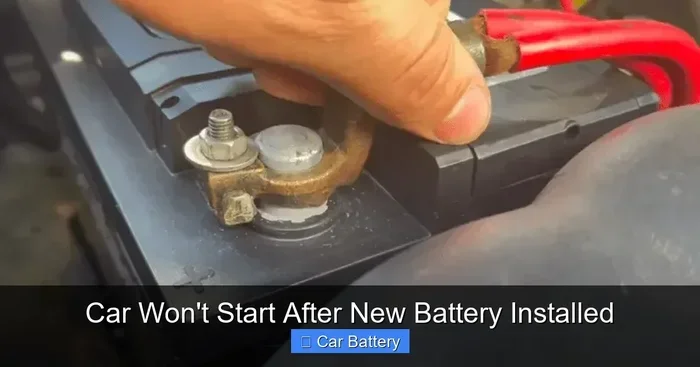
Even with a strong battery, corroded terminals can block the electrical current. Look at your battery terminals. Do you see white, green, or bluish gunk? That is corrosion. It acts like a wall between your battery and your car’s electrical system.
The connection might work sometimes. But when the corrosion is thick enough, the current simply cannot get through. Your car refuses to start. Then after a few minutes or a little wiggle of the cables, the connection improves. Suddenly, your car starts just fine. Cleaning the terminals is cheap and takes about ten minutes.
Faulty Starter Motor
The starter motor is the engine that starts your engine. It is a small but powerful electric motor. When it wears out, it can behave unpredictably. Sometimes it engages. Sometimes it does not. You might hear a clicking sound instead of the engine turning over. Other times, it just cranks slowly.
A faulty starter motor often works after you wait a bit. Heat from the engine or a brief rest can temporarily restore its function. If you notice this pattern, have a mechanic test the starter. Replacing it early is much cheaper than dealing with a complete failure on a busy morning.
Fuel System Issues
Your car needs fuel to start. If the fuel system is not delivering gas properly, your engine will crank but not fire. A weak fuel pump is a common culprit. It might work after the car sits for a few minutes, allowing fuel to reach the engine. But it struggles right away.
Clogged fuel filters cause similar problems. The fuel flow is restricted. After some time, enough pressure builds up and your car starts. This is why your car won’t start then starts later when the issue is in the fuel system. Checking the fuel pump and filter should be part of your troubleshooting process.
Ignition Switch Problems
The ignition switch sends electrical power to your starter and fuel system. When it starts to fail, it may not deliver power consistently. You turn the key. Nothing. You try again. Still nothing. Then, after a few attempts, it works.
This is a classic ignition switch problem. It is dangerous too. A failing switch can cut power while you are driving. If you suspect this issue, get it checked soon. Ignition problems can lead to stalling at highway speeds, which is a serious safety risk.
Faulty Sensors and ECU Glitches
Modern cars rely on sensors and a computer called the ECU (Engine Control Unit). These components manage fuel injection, spark timing, and more. When a sensor fails or the ECU glitches, your car might refuse to start.
Common culprits include the crankshaft position sensor, camshaft sensor, or throttle position sensor. These parts tell your car when to inject fuel and spark. If they send wrong signals, your engine simply will not start. After a reset or some time, the system clears and your car works again. This kind of intermittent starting problem needs a diagnostic tool to pinpoint.
How to Diagnose the Problem Yourself
Before you spend money on parts, run through these simple diagnostic steps. You can narrow down the cause quickly. Most car owners can do this at home with basic tools and a little patience.
Check Your Battery First
Start with the battery. It is the most common cause of starting issues. You need a multimeter to test the voltage. A healthy battery reads about 12.6 volts when the car is off. If it reads below 12.4 volts, it is weak. Below 12.0 volts means it is nearly dead.
You can also visit any auto parts store. They will test your battery for free. This quick check can save hours of guessing. If the battery is weak, replacing it solves most starting problems right away.
Inspect the Battery Terminals and Cables
Next, look at the terminals. Disconnect the cables and examine them closely. Clean any corrosion with a wire brush and baking soda solution. Check the cable ends too. Frayed or damaged cables also cause connection issues.
Tighten the terminal clamps. Loose connections cause the same symptoms as corroded ones. Your vehicle won’t start because electricity cannot flow properly. A clean, tight connection makes a huge difference.
Listen to the Engine Crank
When you turn the key, pay close attention. Does the engine crank normally? Does it crank slowly? Or does it just click? Each sound tells you something different.
- Normal crank, no start: Likely a fuel or spark issue.
- Slow crank: Probably a weak battery or bad terminal connection.
- Rapid clicking: The battery is too weak to turn the starter.
- Single click, no crank: The starter motor or ignition switch may be faulty.
Check the Fuel Pump
Turn the key to the “on” position without starting the engine. Listen carefully near the fuel tank. You should hear a brief humming sound from the fuel pump. It runs for about two seconds. If you hear nothing, the fuel pump might be failing. This is a strong clue when your engine stalling or starting issues relate to fuel delivery.
Step-by-Step Fixes You Can Do at Home
Once you have a rough idea of the cause, try these fixes. They are simple, affordable, and effective for most car troubleshooting situations.
Jump-Start the Battery
If your battery is low, a jump-start can get you going. You need jumper cables and another vehicle. Connect the cables properly. Red to positive, black to negative. Start the working car first. Then try starting yours.
After it starts, drive for at least 20 minutes to recharge the battery. But remember, a jump-start is a temporary fix. If your battery keeps dying, replace it. Do not keep jumping it. That can damage your car’s electrical system.
Clean the Terminals
Grab a wire brush, baking soda, and water. Mix the baking soda with water to make a paste. Apply it to the corroded terminals. Scrub gently until the corrosion is gone. Rinse and dry. Apply a thin coat of petroleum jelly to prevent future corrosion. This simple habit can prevent many mornings of frustration.
Replace the Fuel Filter
A clogged fuel filter restricts fuel flow. Replacing it is inexpensive and easy. Most fuel filters are located near the fuel tank or under the car. Consult your owner’s manual for the exact location. Swap the old filter for a new one. This often restores smooth starting.
Test the Spark Plugs
Dirty or worn spark plugs can prevent your engine from starting. Remove them and inspect. Look for carbon buildup, wear, or a gap that is too wide. Replace any spark plugs that look bad. This is a great car maintenance habit that keeps your engine running smoothly.
Reset the ECU
Sometimes a sensor glitch causes the problem. Disconnecting the battery for 15 to 30 minutes resets the ECU. This clears error codes and temporary glitches. Reconnect the battery and try starting the car. This works surprisingly often for intermittent starting issues. But note: you will lose some radio presets and may need to relearn idle settings on some vehicles.
Comparison: Common Causes and Their Symptoms
Here is a helpful table to match your symptoms with likely causes. Use this as a quick reference when diagnosing your car.
| Symptom | Likely Cause | Quick Fix |
|---|---|---|
| Slow crank, then starts after a few tries | Weak battery | Jump-start or replace battery |
| Clicking sound, no crank | Dead battery or corroded terminals | Clean terminals or jump-start |
| Engine cranks but does not start | Fuel pump or spark plug issue | Check fuel pump, replace spark plugs |
| Starts after sitting for 10+ minutes | Fuel pump failure or vapor lock | Replace fuel pump |
| Starts sometimes, fails other times | Ignition switch or sensor fault | Diagnostic test at a shop |
| Stalls after starting, then runs fine | Faulty sensor or ECU glitch | Reset ECU or replace sensor |
When to See a Mechanic
Some problems need professional help. Do not ignore these warning signs. They can save you from costly damage or dangerous situations.
Persistent Starting Failures
If your car won’t start then starts later repeatedly, despite basic fixes, see a mechanic. The issue may be deeper than a battery or terminal problem. A diagnostic scan tool can reveal hidden error codes. Mechanics have access to professional-grade diagnostic equipment that gives precise answers.
Electrical Problems Keep Coming Back
If your lights flicker, your dashboard warns you, or your power windows act up, you may have a broader electrical issue. A failing alternator is a common culprit. The alternator charges your battery while driving. When it fails, your battery drains quickly. You might start fine one morning but be stranded the next. Have your alternator tested whenever you notice electrical weirdness.
You Smell Gas or Burning
Any fuel smell when you attempt to start the car is a red flag. It could mean a fuel leak. Burning smells might point to electrical shorts. Do not ignore these. Pull over safely and call for help. Fuel leaks are serious fire hazards. A parasitic drain in the electrical system can also cause battery drain and overheating.
Your Car Stalls While Driving
Starting problems that lead to stalling while driving are especially dangerous. This points to issues with the fuel system, ignition system, or critical sensors. Do not attempt long drives until you get it checked. Safety always comes first.
Preventing Future Starting Problems
The best fix is prevention. A few simple habits keep your car reliable and ready to go every morning. Here is how to avoid the frustration of your vehicle won’t start situations.
Keep Your Battery in Good Shape
Test your battery every three months, especially before winter. Replace it every three to five years. Keep the terminals clean. Avoid short trips that do not fully recharge the battery. These small steps make a big difference.
Follow the Maintenance Schedule
Your owner’s manual has a maintenance schedule. Follow it. Change your oil on time. Replace spark plugs at recommended intervals. Swap out fuel filters when they get old. Regular car maintenance prevents most starting problems before they start.
Park Smart
Avoid parking in extremely hot or cold conditions when possible. Extreme temperatures stress your battery and fuel system. If you can park in a garage, do it. If not, consider a battery blanket in cold climates. It keeps your battery warm and functional.
Pay Attention to Warning Signs
Do not ignore slow cranking. Do not ignore dimming lights. These are your car’s way of telling you something is wrong. Addressing small issues early prevents big breakdowns later. Trust your instincts. If something feels off, check it out.
Keep Emergency Supplies
Always have jumper cables in your trunk. A portable jump starter is even better. Add a flashlight, gloves, and a basic tool kit. Being prepared means a breakdown becomes a minor inconvenience instead of a major crisis.
Expert Insights on Intermittent Starting Issues
Professional mechanics see this problem all the time. Here are some insights that might surprise you.
Heat Can Hide the Real Problem
Many drivers notice starting issues on cold mornings. But sometimes the real problem shows up after the car heats up. Heat expands components and can reveal hidden cracks or poor connections. A mechanic might test your car when it is cold and miss the issue entirely. Always describe your symptoms in detail. Mention when they happen. Hot or cold. After driving or after sitting. This helps the mechanic pinpoint the problem faster.
Modern Cars Are More Sensitive
Today’s vehicles have dozens of computers and sensors. A tiny glitch in one sensor can prevent your car from starting. Older cars were simpler and more forgiving. Modern cars need proper diagnostic attention. A simple code reader can help you understand what your car is telling you. Many affordable OBD2 scanners plug right into your dashboard port and give you instant feedback.
Parasitic Drain Is a Sneaky Culprit
Sometimes your battery drains while your car sits parked. This is called a parasitic drain. Something in your car is drawing power even when it is off. A faulty glove box light, a stuck relay, or an aftermarket accessory can cause this. After a few days of sitting, your battery is too weak to start. You think the problem is the battery. But really, something is draining it overnight. A mechanic can test for parasitic drain with a multimeter. Fixing the root cause saves you from buying batteries repeatedly.
Key Takeaways
A car won’t start then starts later situation is almost always fixable. The key is understanding what causes it. Here is a quick recap of everything we covered:
- Weak battery: The most common cause. Test and replace regularly.
- Corroded terminals: Clean them often for reliable connections.
- Faulty starter motor: Listen for clicking. Replace before it fails completely.
- Fuel system issues: Check the fuel pump and filter. They keep your engine fed.
- Ignition switch: A failing switch is dangerous. Get it checked promptly.
- Sensor and ECU problems: Use a diagnostic tool to find hidden glitches.
- Preventive care: Regular maintenance prevents most starting headaches.
Conclusion
Dealing with a car that won’t start then starts later is annoying. But now you know exactly what to look for. Start with the battery. Check the terminals. Listen to how your engine cranks. Work through the fuel system and ignition components. If needed, reset your ECU or scan for error codes.
Most of the time, the fix is simple and affordable. A clean terminal, a new battery, or a replaced fuel filter solves the problem. In rarer cases, you need a mechanic. Either way, you now have the knowledge to take action confidently. Do not let starting problems steal your time and peace of mind. Tackle the issue today. Your car will thank you by starting reliably every single morning.
Why does my car start after I wait a few minutes?
When your car starts after a short wait, it usually means the fuel pump or battery is struggling. A weak fuel pump may need a moment to build enough pressure. A weak battery might need time for a slight chemical recovery. Both scenarios are common causes when your car won’t start then starts later.
Can a bad battery cause my car to start intermittently?
Absolutely. A battery that is partially dead can hold enough charge for some starts but not others. Temperature changes, recent short trips, and age all affect battery performance. Testing your battery regularly helps catch this starting problem early.
How do I know if my starter motor is failing?
Listen carefully when you turn the key. A failing starter often produces a clicking sound instead of a crank. You might also notice slow cranking that gets worse over time. Sometimes the starter works after you hit the starter housing gently. These are all signs that your starter motor needs inspection or replacement.
What should I do if my car cranks but won’t start?
First, check your fuel. Turn the key to “on” and listen for the fuel pump hum. If you hear nothing, the fuel pump may be the issue. Next, check your spark plugs. If they look dirty or worn, replace them. A cranking but no start situation usually points to fuel delivery or spark problems.
Is it safe to keep driving if my car starts later sometimes?
It depends on the cause. A weak battery is relatively safe to drive with for now. But a failing ignition switch or fuel pump is risky. These issues can cause sudden stalling. If you are unsure, get a diagnosis soon. Vehicle reliability matters for your safety on the road.
How much does it cost to fix a car that won’t start intermittently?
Costs vary widely. Cleaning corroded terminals costs almost nothing. A new battery runs around $100 to $250. Fuel pump replacement typically costs $200 to $600. Starter motor replacement can range from $300 to $800. A simple diagnostic test at a shop costs around $50 to $100. Early fixes are always cheaper than emergency repairs.
This is a comprehensive guide about Car Won’t Start Then Starts Later.
Key Takeaways
- Understanding Car Won’t Start Then Starts Later: Provides essential knowledge
Frequently Asked Questions
What is Car Won’t Start Then Starts Later?
Car Won’t Start Then Starts Later is an important topic with many practical applications.