Car Wont Jump Start: What to Check and How to Fix It
When your car won’t jump start, it usually points to a dead battery, corroded terminals, or a failing alternator. In this guide, you will learn exactly what to check, step by step, so you can fix the problem yourself or know when to call for help. Understanding why your car won’t jump start saves you from costly tows and keeps you safely on the road.
Key Takeaways
- Check the battery first: A dead or weak battery is the most common reason your car won’t jump start.
- Inspect battery terminals: Corrosion on the terminals can block power flow and stop a jump start from working.
- Test the alternator: A bad alternator won’t charge your battery, making jump starts a temporary fix at best.
- Look at the starter motor: If you hear a click but no cranking, the starter motor may need replacement.
- Consider weather conditions: Cold weather weakens batteries and makes jump starts harder to perform.
- Use the right jumper cables: Using damaged or wrong cables can prevent a successful jump start.
- Know when to call a pro: Some problems need a mechanic, so don’t force fixes that could cause more harm.
📑 Table of Contents
- What to Do When Your Car Won’t Jump Start
- Why Won’t My Car Jump Start? The Most Common Causes
- Checking Your Car Battery: The First Thing to Test
- Inspecting the Battery Terminals and Cables
- Testing the Alternator: A Hidden Cause of Starting Problems
- Starter Motor and Ignition Problems
- Environmental and Other Factors That Affect Jump Starting
- How to Prevent Future Jump Start Problems
- When to Call a Professional Mechanic
- Conclusion
What to Do When Your Car Won’t Jump Start
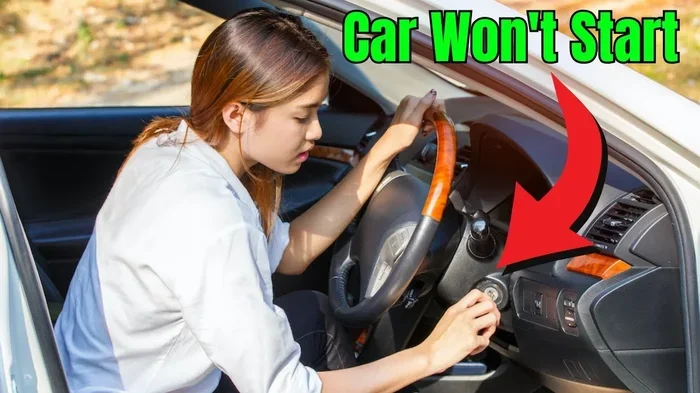
There is nothing worse than turning your key and hearing nothing. You try again. Still nothing. You think about jump starting the car, but even that does not work. If your car won’t jump start, you are not alone. This is one of the most common problems drivers face. The good news is that most causes are easy to find and fix.
In this guide, we will walk you through every possible reason your car won’t jump start. We will help you check the battery, the terminals, the alternator, and more. By the end, you will know exactly what to do. You will also know when it is time to call a mechanic. Let us get you back on the road.
Why Won’t My Car Jump Start? The Most Common Causes
Before you start checking things, it helps to understand what a jump start actually does. A jump start sends power from another battery (usually a good car battery) into your dead battery. This gives your engine enough energy to start running on its own. But if your car won’t jump start, something is blocking that power transfer or damaging the parts that need it.
Here are the main reasons this happens:
- Dead or severely weak battery: Your battery has lost most or all of its charge.
- Corroded battery terminals: Rust or buildup on the battery posts stops the flow of electricity.
- Bad alternator: Your alternator is not charging the battery while you drive.
- Faulty starter motor: The motor that cranks the engine is broken or worn out.
- Damaged jumper cables: Your cables are too thin, too long, or have broken clamps.
- Parasitic electrical drain: Something in your car is pulling power even when the engine is off.
Each of these problems has its own set of symptoms. Let us go through them one by one so you can find the real cause.
Checking Your Car Battery: The First Thing to Test
The battery is the heart of your car’s electrical system. When your car won’t jump start, the battery should be your first stop. A battery that is completely dead or very weak may not hold enough charge to start the engine, even with a jump.
How to Test Your Battery Voltage
You will need a multimeter for this test. It is a cheap tool you can pick up at any auto parts store. Set it to read DC voltage. Then touch the red probe to the positive terminal and the black probe to the negative terminal. A healthy battery should read between 12.4 and 12.7 volts. If it reads below 12.0 volts, your battery is very weak or dead. In this case, a jump start may not work. You may need a battery replacement instead.
Signs Your Battery Is Too Dead to Jump Start
Sometimes the battery is so far gone that jumping it will not help. Watch for these signs:
- The dashboard lights do not come on when you turn the key to the on position.
- You hear a rapid clicking sound when you try to start the engine.
- The battery is more than three to five years old.
- The battery case looks swollen or cracked.
- There is a strong sulfur or rotten egg smell coming from the battery.
If you notice any of these, do not waste time trying to jump start the car. Get a new battery. A jump start will only give you a few extra minutes of driving before the problem comes back. A voltage test is the fastest way to know for sure.
Quick Tip: Battery Age Matters
Most car batteries last between three and five years. If yours is getting old, it is more likely to fail in cold weather. Keep track of when you installed your battery. Set a reminder on your phone. Replacing it before it dies saves you from being stranded. This is one of the best car maintenance tips you can follow.
Inspecting the Battery Terminals and Cables
Even if your battery has a good charge, your car won’t jump start if the connections are bad. The battery terminals are the metal posts on top of the battery where the jumper cables clamp on. If these are dirty or corroded, the electricity cannot flow properly.
What Corrosion Looks Like
Take a close look at the battery terminals. Do you see any white, blue, or greenish powdery buildup? That is corrosion. It forms naturally over time. It acts like a wall between the cable and the battery. Even a thin layer can stop a jump start from working.
How to Clean Corroded Battery Terminals
You can clean this yourself in just a few minutes:
- Turn off the car and remove the keys.
- Loosen the cable clamps with a wrench. Always remove the negative cable first.
- Mix baking soda and water to make a paste.
- Use an old toothbrush to scrub the terminals and the cable ends.
- Rinse with clean water and dry with a rag.
- Reconnect the cables. Attach the positive first, then the negative.
After cleaning, try the jump start again. Often, this simple step is all it takes to fix the problem. If you want extra protection, you can buy rubber terminal covers. They keep moisture and dirt away from the posts. This slows down future corrosion.
Check the Cable Condition
While you are at it, look over the entire length of your jumper cables. Are they cracked or frayed? Do the metal clamps feel loose? Damaged cables cannot carry enough power. If your cables are in bad shape, replace them. A good set of jumper cables is an essential item to keep in your emergency car kit.
Testing the Alternator: A Hidden Cause of Starting Problems
Many people do not realize this, but the alternator plays a big role in starting your car. While the engine runs, the alternator charges the battery. If the alternator fails, your battery slowly loses power. Eventually, your car won’t jump start because the battery is always getting drained.
Symptoms of a Bad Alternator
Watch for these warning signs:
- The dashboard battery light stays on while driving.
- Your headlights get dimmer when you idle.
- Electrical items like power windows slow down.
- The car starts fine after a jump but dies soon after.
- You hear a grinding or whining sound from the engine area.
How to Test Your Alternator
Start the car and let it run for a few minutes. Then turn off the engine and use your multimeter again. Check the battery voltage. It should read between 13.7 and 14.7 volts. If it reads lower than that, the alternator is likely not charging the battery properly. A mechanic can do a full alternator test for you if you are not sure.
Here is an important point to remember. If your alternator is bad, a jump start will only work for a short time. As soon as you turn off the engine, the battery starts draining again. So if you keep jumping the car but the problem returns quickly, alternator failure is probably the cause.
Quick Tip: Do Not Run Electronics Before Starting
Many people sit in the parked car with the radio or lights on. This drains the battery before you even start. If your car won’t jump start, think about what you were doing before you tried to start it. Turn off all electronics before starting the engine. This small habit can make a big difference.
Starter Motor and Ignition Problems
If the battery and alternator both check out fine, the next suspect is the starter motor. This is the small motor that physically turns the engine when you turn the key. When it fails, your car won’t jump start even though you have plenty of electrical power.
How to Know If Your Starter Is Failing
Listen carefully when you turn the key:
- A single click: This often means the starter motor is stuck or has a bad solenoid. The battery has power, but the starter cannot do its job.
- A rapid clicking sound: This usually means the battery is weak. But it can also point to a starter problem.
- Nothing at all: If you hear nothing, the issue could be the ignition switch, a bad relay, or a wiring problem.
Can You Jump Start a Car with a Bad Starter?
Sometimes you can. If the starter motor is weak but not completely dead, some people use a gentle tap on the starter with a wrench or hammer while someone else turns the key. This can sometimes free up a stuck motor. But be very careful. This is a temporary fix. You should take your car to a mechanic as soon as possible.
Replacing a starter motor costs between $200 and $600 depending on the car. It is a repair you will want to schedule soon. Ignoring it can leave you stuck in an unsafe location. A faulty ignition system can also cause similar problems, so have a professional check the full starting system.
Key Takeaway: Listen to Your Car
The sounds your car makes when you turn the key tell you a lot. A healthy engine cranks smoothly and starts within a second or two. Any delay, clicking, or grinding is a signal. Do not ignore these sounds. They are your car’s way of asking for help.
Environmental and Other Factors That Affect Jump Starting
Sometimes the battery and all the parts are fine, but external factors make your car won’t jump start situation worse. Let us talk about the most common ones.
Cold Weather and Your Battery
Cold weather is a battery’s worst enemy. When temperatures drop, the chemical reactions inside the battery slow down. This reduces the battery’s ability to deliver power. A battery that works perfectly in summer may fail completely in winter.
Here is what happens: The battery has to work harder to start the engine in cold weather. At the same time, its power output drops. This is why many people find their car won’t jump start on freezing mornings. If you live in a cold climate, consider getting a battery with a higher cold cranking amps (CCA) rating.
Parasitic Electrical Drain
Even when your car is off, some systems still draw power. Your clock, alarm system, and onboard computer all need a small amount of electricity. This is normal. But if something is wrong, a parasitic drain can pull too much power. A dome light that stays on or a faulty module can drain your battery overnight.
To check for this, disconnect the negative battery terminal. Use your multimeter to test the current. It should read less than 50 milliamps. If it reads more, something is pulling too much power. You may need to pull fuses one by one to find the culprit.
Wrong Jumper Cable Technique
Believe it or not, many people do not connect jumper cables correctly. This is a common reason a jump start fails. Here is the right order:
- Connect one red clamp to the positive terminal of the dead battery.
- Connect the other red clamp to the positive terminal of the good battery.
- Connect one black clamp to the negative terminal of the good battery.
- Connect the last black clamp to an unpainted metal surface on the dead car’s engine block. Do not attach it to the dead battery’s negative terminal. This can cause sparks near the battery.
- Start the good car first. Let it run for two to three minutes.
- Try to start the dead car.
If you follow these steps and your car won’t jump start, the problem is likely deeper than a simple dead battery.
Other Possible Causes
Do not overlook these less common issues:
- Flooded engine: Too much fuel and not enough air. This can happen if you accidentally floor the gas pedal while trying to start the car.
- Broken serpentine belt: This belt drives the alternator and other accessories. If it is snapped, the alternator cannot charge the battery.
- Fuel pump failure: Even if the engine cranks, it will not start without fuel. A bad fuel pump can mimic a battery problem.
- Immobilizer or security lock: Some cars have anti-theft systems that block the engine from starting. A faulty key fob can trigger this.
How to Prevent Future Jump Start Problems
The best way to deal with a car won’t jump start situation is to prevent it from happening in the first place. Here are some simple habits that keep your car reliable:
- Test your battery twice a year. Most auto parts stores will do this for free. Do it before winter and summer.
- Keep your terminals clean. A quick wipe every few months prevents corrosion buildup.
- Turn off all electronics before starting. This reduces the load on your battery.
- Drive your car regularly. Short trips and long periods of sitting can drain the battery. Take your car for a 20-minute drive at least once a week.
- Invest in a battery maintainer. If you have a car that sits for long periods, a trickle charger keeps the battery topped off.
- Replace aging parts early. Do not wait for the alternator or starter to fully fail. Replace them when tests show weakness.
These steps take very little time. They can save you from a stressful roadside situation. A little care goes a long way toward making sure your car starts every time.
When to Call a Professional Mechanic
There are times when DIY fixes are not enough. If you have checked the battery, terminals, cables, and alternator and your car won’t jump start still happens, it is time to get help. Call a mechanic if:
- You have tried jump starting multiple times and it does not work.
- You smell burning or see smoke near the engine.
- The battery or starter was recently replaced and the problem persists.
- You are not comfortable working under the hood or handling electrical systems.
- The car starts but immediately dies after a jump start.
A professional has advanced diagnostic tools. They can read your car’s computer system and find hidden problems. This is especially important for modern cars with complex electronics. Do not be afraid to ask for help. It is always better to be safe than sorry.
Conclusion
Dealing with a car won’t jump start problem is stressful. But now you know exactly what to look for. Start with the battery. Check the terminals and cables. Test the alternator. Listen to the starter motor. Consider weather and other factors. Most of the time, the problem is simple and fixable. Use the tips in this guide to troubleshoot with confidence. And remember, when in doubt, reach out to a trusted mechanic. Your safety always comes first. Keep this guide bookmarked. It might just save your day when you least expect it.
Frequently Asked Questions
Why won’t my car jump start even with new jumper cables?
If your car still will not start with good jumper cables, the problem is likely more than just a dead battery. Check for corroded terminals, a bad alternator, or a faulty starter motor. A completely dead battery may also be too far gone for a jump. A voltage test can help you figure out if the battery needs full replacement instead.
How long should you let a car run after jumping it?
After a successful jump start, let the car run for at least 15 to 20 minutes. This gives the alternator enough time to recharge your battery. If you turn it off too soon, the battery may not have enough charge to start again. If your car won’t jump start or dies quickly, the alternator is probably failing.
Can cold weather cause your car not to jump start?
Yes, cold weather can make jump starting much harder. Low temperatures reduce battery power output. Even a partially charged battery may not deliver enough cranking amps in freezing conditions. If you live in a cold area, use jumper cables with a higher amp rating. You may also want to use a battery blanket or block heater during winter months.
What should I do if my car clicks but won’t jump start?
A clicking sound usually means the battery has some charge but not enough to start the engine. First, check the battery voltage with a multimeter. If it is below 12.4 volts, the battery may be too weak. Also, look at the terminals for corrosion. Clean them and try again. If the clicking continues, the starter motor or alternator may need inspection.
Is it safe to jump start a car in the rain?
It is generally safe if you take precautions. Keep the jumper cables and clamps away from standing water. Make sure your hands are dry. Turn off both vehicles before connecting the cables. Wet conditions increase the risk of electrical shorts, so work carefully. If conditions are severe, it is better to wait or call for roadside assistance.
How often should I replace my car battery to avoid starting issues?
Most car batteries last between three and five years. If yours is approaching that range, consider replacing it before it fails completely. You can also get a free battery test at most auto parts stores. Regular testing helps you avoid situations where your car won’t jump start due to a worn-out battery. Keeping track of the age is the simplest way to stay ahead of problems.