Defogging a Car Windshield Proven Methods That Work
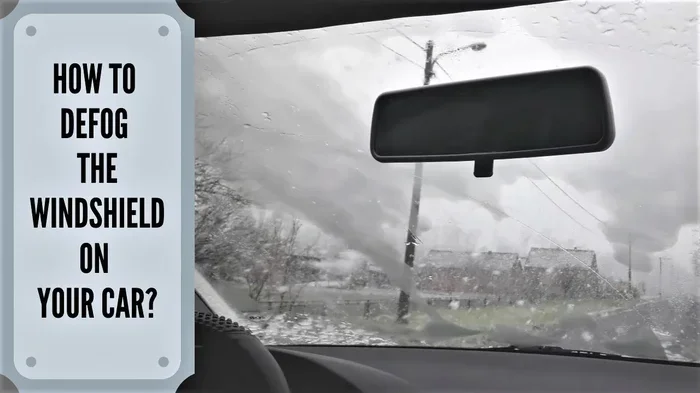
Knowing how to start defogging a car windshield can save you time, stress, and even prevent accidents. Whether you face foggy windshield issues in winter or summer, these proven methods work every time. We cover quick fixes, DIY solutions, and preventive strategies so you always enjoy a clear windshield when you drive.
Key Takeaways
- Use your car’s defrost setting first: This is the fastest way to remove fog from your windshield in most situations.
- Try DIY anti-fog solutions: Household items like dish soap, vinegar, and baby shampoo can create a powerful anti-fog barrier.
- Prevention beats treatment: Simple habits like using the recirculation feature and keeping your windows clean reduce fog buildup significantly.
- Weather matters: Different seasons demand different defogging techniques for the best results.
- Avoid common mistakes: Using only hot air or ignoring your rear window defogger can make things worse.
- Act fast for safety: Never drive with a foggy windshield. Pull over and clear it completely before continuing.
📑 Table of Contents
- Why Windshields Fog Up and Why It Matters
- Proven Methods for Defogging a Car Windshield Fast
- DIY Anti-Fog Solutions That Really Work
- How to Prevent Foggy Windshields Before They Start
- Defogging Tips for Different Weather Conditions
- Common Mistakes When Defogging Your Windshield
- Expert Insights on Long-Term Windshield Care
- Key Takeaways
- Conclusion
Why Windshields Fog Up and Why It Matters
You are driving down the road. You glance up and your windshield is turning into a blurry wall. This is every driver’s nightmare. Defogging a car windshield becomes a urgent task. But why does this happen in the first place?
Fog forms when warm, moist air hits a cold surface. Your windshield is usually colder than the air inside your car. So moisture from your breath, wet clothing, or even a damp floor mat condenses on the glass. The result? A foggy windshield that blocks your view completely.
Driving with a fogged-up windshield is not just annoying. It is genuinely dangerous. Studies show that reduced visibility contributes to thousands of car accidents every year. When you cannot see the road clearly, your reaction time drops. Your risk of a collision goes up fast.
Understanding the science behind windshield condensation helps you fight it better. Moisture is always in the air. Temperature differences do the rest. Your car’s interior often holds more humidity than you realize. Passengers breathing, wet shoes, and even your HVAC system add moisture. Once you know this, you can take smarter action.
The Danger of a Foggy Windshield
Let us be clear. A foggy car windshield is a safety emergency. Even a thin layer of fog makes it hard to read road signs. You cannot judge distances well. Pedestrians and other vehicles blend into the blur. In heavy fog, you might as well be driving blind.
Many drivers try to tough it out. They keep driving hoping the fog will clear on its own. This is risky. The safest move is to pull over and fully clear the glass. It takes just a few minutes. Those minutes could save your life.
Proven Methods for Defogging a Car Windshield Fast
When fog hits, you need solutions that work immediately. Here are the most reliable defogging methods tested by drivers and experts alike.
Use Your Car Defrost Setting
Your car already has a built-in car defogger. The defrost button is your best friend. It directs warm air at the windshield and activates the rear window defogger. This combination tackles fog from both sides.
Here is how to use it right:
- Turn on the air conditioning. This removes moisture from the air.
- Set the temperature to warm, not hot. Hot air can make fog worse at first.
- Select the front defrost mode. This aims airflow directly at the glass.
- Turn on the rear window defogger for extra clearing power.
- Switch off the recirculation mode. Fresh air from outside helps reduce humidity.
Most drivers see results within 30 seconds to two minutes. Pat the glass with a dry cloth while the system works. This speeds things up.
The Dry Cloth Quick Fix
No defrost button? No problem. Grab a clean, dry microfiber cloth. Wipe the foggy surface in firm, straight strokes. Do not use circular motions. They spread moisture around.
This method gives you a clear windshield fast. But it is temporary. The fog will return once moisture builds up again. Use this as a quick stopgap while you start the car’s defogging system.
Turn Down the Interior Humidity
Sometimes the simplest remove fog from windshield trick is reducing the moisture source. Open a window slightly. Let humid air escape. You can also ask passengers to remove wet jackets or shoes.
Wet floor mats are a hidden culprit. Check them regularly. A damp mat releases moisture into your car’s cabin. Replacing or drying it can dramatically cut down on windshield fog.
DIY Anti-Fog Solutions That Really Work
Want a longer-lasting fix? DIY anti-fog spray solutions are cheap, easy to make, and surprisingly effective. These treatments create a thin coating that prevents condensation from forming on the glass.
Dish Soap Method
This is the most popular trick among experienced drivers. You only need a small amount of plain dish soap and a soft cloth.
- Put a few drops of dish soap on a clean cloth.
- Rub it gently on the inside of the windshield. Cover the entire surface.
- Use a dry part of the cloth to buff it lightly. Do not scrub hard.
- Let it dry for about five minutes.
The soap leaves behind an invisible film. This film breaks up surface tension. Water spreads out instead of forming droplets. Your windshield stays clear longer. This treatment works for about one to two weeks before you need to reapply.
Vinegar Spray Solution
White vinegar is a natural anti-fog solution. Mix equal parts water and white vinegar in a spray bottle. Mist the inside of your windshield. Wipe it with a microfiber cloth.
Vinegar cuts through existing moisture. It also leaves a light barrier against new fog. The smell fades quickly once it dries. Many drivers keep a spray bottle in their car for on-the-go defogging.
Baby Shampoo Trick
Baby shampoo is gentle and effective. Mix a tiny amount with water. Apply it to the glass just like the dish soap method. Baby shampoo creates a longer-lasting anti-fog coating. It is a great option if you want your windshield to stay clear for three weeks or more.
Shaving Cream for Heavy Fog
Yes, shaving cream works. Apply a thin layer to the inside of the windshield. Wipe it clean with a dry cloth. The ingredients in shaving cream create a powerful water-repellent layer. This is one of the strongest defogging techniques for extreme condensation on windshield situations.
How to Prevent Foggy Windshields Before They Start
Prevention is always better than cure. These defogging tips help you stop fog before it ruins your drive.
Keep Your Windows Clean
Dirt and residue on glass hold onto moisture. A clean windshield resists fog much better. Wash your windows inside and out at least once a week. Use a quality glass cleaner. Pay special attention to the inside surface where most foggy car windows form.
Use the Recirculation Feature Wisely
Your car’s recirculation mode keeps air inside the cabin. This sounds helpful, but it traps moisture. For defogging a car windshield, turn recirculation off. Let fresh, drier air from outside flow in. Switch to recirculation only after the fog clears.
Check Your Car’s Ventilation System
A clogged cabin air filter restricts airflow. This leads to higher humidity inside. Replace your cabin filter according to the manufacturer’s schedule. Good ventilation means less windshield condensation.
Keep a Silica Gel Pack in Your Car
Small silica gel packets absorb moisture from the air. Toss a few under your seats or in the glove box. They reduce overall cabin humidity. This simple trick keeps foggy windshield problems to a minimum, especially in humid climates.
Defogging Tips for Different Weather Conditions
Not every season calls for the same approach. Your strategy should match the weather.
Cold and Winter Weather
Winter is peak fog season. Cold glass plus warm, breathy air inside your car equals condensation on windshield. Here is what works best:
- Start your car early. Let the heater warm the glass before you drive.
- Use the defrost setting as soon as you start the engine.
- Set the temperature to moderate warmth. Cranking the heat too high can steam up the glass.
- Apply a DIY anti-fog treatment the night before. This gives you a head start.
- Clear all snow and ice from the windshield before turning on the defogger.
Hot and Humid Summer Weather
Summer fog happens when you blast your air conditioning on a humid day. The cold glass meets warm, wet outside air. Your car window defogger settings work here too, but with a twist:
- Use the AC to dehumidify the cabin air.
- Set the fan speed to high for faster clearing.
- Direct airflow toward the windshield, not the floor.
- Open a window slightly to let humid air escape.
Rainy and Transitional Seasons
Spring and fall bring unpredictable weather. Your car interior can swing between warm and cool fast. Keep your anti-fog spray within reach. Wipe the glass at the first sign of mist. Acting early prevents full foggy windshield buildup.
Common Mistakes When Defogging Your Windshield
Even experienced drivers make defogging mistakes. Avoid these common errors for better results.
Cranking the Heat to Maximum
It feels logical. Hot air should clear fog, right? But blasting hot air on a cold windshield creates steam. You end up with worse fog than before. Start with warm air. Increase the temperature gradually as the glass warms up.
Ignoring the Rear Window Defogger
Many drivers only use the front defrost. But your rear window defogger is equally important. It clears fog on the back glass. This matters for reversing and checking blind spots. Always activate both defogging methods together for full visibility.
Using the Wrong Cloth
Paper towels and rough fabrics scratch your windshield. They also leave lint behind. Always use a microfiber cloth. It is gentle and absorbs moisture effectively. A clean microfiber cloth is essential for proper remove fog from windshield results.
Forgetting to Address the Source of Moisture
Wiping the glass does not solve the root problem. If your floor mats are wet or your car has high humidity, the fog will return. Fix the moisture source. Then maintain a clear windshield without constant re-treatment.
Driving Before the Glass Is Fully Clear
This is the most dangerous mistake. You might think a slightly foggy windshield is okay. It is not. Wait until the glass is completely clear. Your safety and everyone else’s on the road depends on it. Defogging a car windshield should always be done before you pull out of your driveway.
Expert Insights on Long-Term Windshield Care
Automotive experts recommend a proactive approach to windshield maintenance. Here is what they want you to know.
Invest in Quality Windshield Treatments
Commercial anti-fog products offer longer-lasting protection than DIY solutions. Brands like Rain-X and Nano Glass create a hydrophobic barrier. Rain beads up and rolls off. Fog has a harder time forming. Apply these treatments every few weeks for best results.
Regularly Inspect Your Weather Stripping
Worn weather stripping lets outside moisture seep into your car. This increases cabin humidity. Check the seals around your doors and windshield regularly. Replace them when they crack or lose flexibility. Good sealing keeps foggy car windows from becoming a constant issue.
Consider a Mini Dehumidifier for Your Car
If you live in a very humid area, a small electric dehumidifier designed for cars can help. These units plug into your cigarette lighter. They pull moisture from the air continuously. Your windshield defogging routine becomes much easier with less ambient humidity in the cabin.
Keep Your Windshield Wipers in Good Shape
Worn wipers leave streaks. These streaks trap moisture and make fog worse. Replace your wipers every six to twelve months. Clean the rubber blade with a damp cloth weekly. Good wipers support a clear windshield in all conditions.
Key Takeaways
- Know your defrost system: The built-in defrost and rear window defogger are your fastest tools for defogging a car windshield.
- DIY solutions save money: Dish soap, vinegar, and baby shampoo create effective anti-fog barriers that last weeks.
- Prevention is key: Clean windows, good ventilation, and moisture control dramatically reduce windshield condensation.
- Adapt to the weather: Winter and summer need different techniques for remove fog from windshield.
- Avoid common mistakes: Do not blast hot air, use rough cloths, or drive with a partially fogged windshield.
- Invest in long-term care: Quality treatments, good wipers, and proper sealing keep your windshield clear for good.
- Safety comes first: Always fully clear your windshield before driving. No shortcut is worth the risk.
Conclusion
Defogging a car windshield is a skill every driver should master. Whether you face a quick foggy windshield on your morning commute or a heavy layer of condensation on windshield during a road trip, the right approach makes all the difference. Start with your car’s built-in defogger. Add DIY anti-fog treatments for longer-lasting protection. And take preventive steps to keep moisture under control.
The methods in this guide are simple, proven, and effective. You do not need expensive products or professional help. A little knowledge and a microfiber cloth go a long way. Remember, a clear windshield is not a luxury. It is a safety essential. Apply these defogging techniques today. Drive safer, see better, and enjoy every trip with full visibility.
Frequently Asked Questions
What is the fastest way to defog a car windshield?
Turn on your car’s defrost setting, activate the air conditioning, and switch off recirculation. Direct warm airflow at the windshield. This combination usually clears fog within 30 seconds to two minutes.
Can I use dish soap to prevent a foggy windshield?
Yes. Apply a small amount of dish soap with a soft cloth to the inside of the glass. Buff it lightly and let it dry. This creates an anti-fog film that works for one to two weeks.
Why does my windshield fog up even when it is not cold outside?
High humidity inside your car causes fog regardless of temperature. Wet floor mats, damp clothing, and poor ventilation all add moisture. Using your air conditioning helps remove excess humidity from the cabin.
Is it safe to drive with a slightly foggy windshield?
No. Even light fog reduces your visibility and increases accident risk. Always pull over and fully clear the windshield before continuing your drive. Safety should always come first.
What is the difference between a front defrost and a rear window defogger?
The front defrost directs warm air at the front windshield through vents. The rear window defogger uses heating elements embedded in the back glass. Both target windshield condensation from different angles and should be used together for best results.
How often should I apply an anti-fog treatment to my windshield?
DIY treatments like dish soap need reapplication every one to two weeks. Commercial anti-fog products typically last two to four weeks. Reapply whenever you notice fog forming more easily than usual.
=== META DESCRIPTION ===
Discover proven defogging a car windshield methods that work. Learn quick fixes, DIY anti-fog solutions, and preventive tips for clear visibility.