Damaged Auto Tint: Top Causes and Proven Solutions
Damaged auto tint is a common problem that affects both the look and function of your car windows. From bubbling and peeling to discoloration and cracks, there are several reasons your tint may fail over time. This guide covers the top causes, proven solutions, and practical tips to keep your car window tint looking great for years.
There’s nothing worse than looking at your car and seeing damaged auto tint staring back at you. Maybe it’s bubbling on the passenger window. Perhaps the edges are peeling away, or the whole film has turned a weird purple shade. Whatever the issue, damaged tint is frustrating. It ruins your car’s look. It cuts down on UV protection. And it makes your car feel way less comfortable in the sun.
But here’s the good news. Most types of tint damage are fixable. You just need to know what caused the problem and how to address it. This guide walks you through every common cause of damaged auto tint. We’ll also share proven solutions that actually work. Whether you’re dealing with a small bubble or full-on peeling, you’ll find the answers you need right here.
Let’s dive in and save your car’s windows from further damage.
Key Takeaways
- UV exposure and heat are the #1 enemies of automotive tint and cause most types of damage over time.
- Poor installation is a leading cause of bubbling, peeling, and edge lifting in window film.
- Minor tint damage can often be repaired at home with simple DIY methods and kits.
- Severe damage usually requires professional replacement to restore full UV protection and heat rejection.
- Regular maintenance and care can significantly extend the lifespan of your car window tint.
- Choosing high-quality film and a skilled installer prevents most common tint problems before they start.
📑 Table of Contents
- Why Does Auto Tint Get Damaged?
- Common Types of Damage to Car Window Tint
- Comparison: Repair vs. Replacement for Damaged Auto Tint
- Proven Solutions for Damaged Auto Tint
- How to Prevent Auto Tint Damage
- Expert Insights on Auto Tint Longevity
- How Long Should Auto Tint Last Before It Gets Damaged?
- Key Takeaways
- Conclusion
Why Does Auto Tint Get Damaged?
Understanding why your tint gets damaged is the first step to fixing it. Most people think tint just “wears out” over time. And while age does play a role, there are specific reasons behind the damage. Let’s break them down.
Sun Exposure and Heat
The sun is the biggest culprit when it comes to damaged auto tint. UV rays break down the adhesive and the dye in window film. Over months and years, this causes fading, bubbling, and peeling. Cars parked outside in hot climates take the hardest hit. The constant cycle of heating and cooling puts stress on the film. This is especially true for dark tints that absorb more heat.
Here’s what sun damage looks like over time:
- Fading or color change in the tint
- Small bubbles forming under the film
- Edges lifting away from the window
- Loss of UV protection in the affected areas
If you live in a sunny area, your tint faces more wear. But even cloudy climates cause damage over the years. The UV rays don’t stop just because it’s overcast.
Poor Installation
Not all tint jobs are created equal. A bad installation can ruin even the best car window tint film. When the installer doesn’t clean the glass properly, the adhesive can’t bond correctly. Dust, dirt, or moisture trapped under the film causes bubbling and peeling.
Improper cutting is another common problem. If the tint is too small, the edges lift. If it’s too large, it bunches up at the edges. Both situations lead to damaged auto tint that looks terrible and doesn’t perform well.
Cheap installers also rush the drying process. They might let you drive off before the adhesive has fully cured. This leads to premature peeling and edge failure. Always choose a reputable installer with good reviews.
Low-Quality Film
You get what you pay for. Budget tint films use cheaper dyes and adhesives. These materials degrade much faster than premium options. The film may look fine at first. But within a year or two, you’ll notice fading, discoloration, and bubbling. Cheap solar film often lacks the metallization or ceramic particles that provide durability. This makes it more vulnerable to heat and UV damage.
Chemical Exposure and Cleaning Products
Did you know some window cleaners can damage your tint? Ammonia-based cleaners break down the adhesive and the tint dye over time. Even some microfiber cloths can scratch the surface if they’re too rough. If you’ve been using harsh chemicals on your tinted windows, you might be accelerating the damage.
Common Types of Damage to Car Window Tint
Damaged auto tint shows up in several different ways. Each type of damage has its own cause and solution. Let’s look at the most common problems.
Bubbling and Blistering
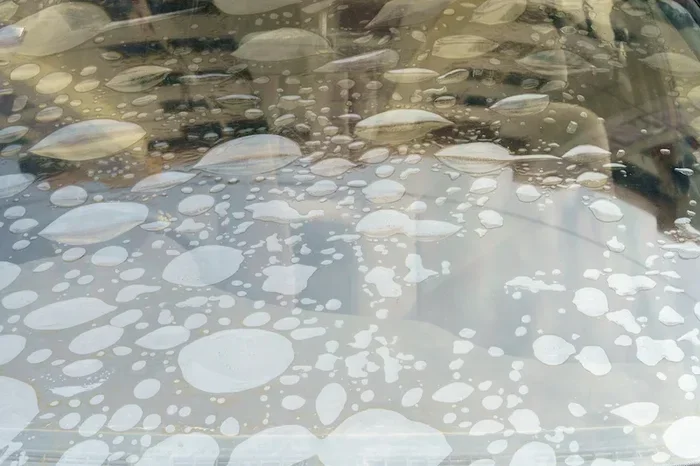
Bubbles are one of the most annoying forms of tint damage. They happen when air or moisture gets trapped between the film and the glass. Small bubbles might not bother you at first. But over time, they grow and spread. Large bubbles distort your view and look terrible.
The main causes of bubbling include:
- Poor installation with trapped moisture
- Heat expansion and contraction
- Adhesive failure over time
- Low-quality film that can’t hold up to temperature changes
Small bubbles can sometimes be fixed with a needle and a flat edge. But large or widespread bubbling usually means the tint needs replacement.
Peeling and Edge Lifting
Peeling is exactly what it sounds like. The edges of the tint start to lift away from the glass. This often happens at the corners or along the sides of the window. Peeling not only looks bad, but it also lets moisture and dirt get under the film.
Common reasons for peeling include:
- Improper edge trimming during installation
- Adhesive breakdown from UV exposure
- Using the wrong type of film for your vehicle
- Excessive heat from direct sunlight
Once peeling starts, it usually gets worse. The edges catch on things and pull away further. It’s best to address peeling early before the damage spreads.
Discoloration and Fading
Has your tint turned purple, brown, or blotchy? That’s discoloration. It’s one of the most common signs of aging in automotive tinting. The dyes in the film break down from UV exposure. Cheaper films are especially prone to this problem.
Discolored tint still provides some heat rejection. But it loses its cosmetic appeal fast. It also signals that the film is breaking down and losing its structural integrity. If your tint has changed color significantly, it’s time to consider a replacement.
Cracks and Scratches
Cracks in tint film usually come from physical damage. Rock chips, scratches from objects, or even pressure from seat covers can cause cracks. Once a crack forms, it spreads over time. The crack weakens the entire piece of film.
Scratches are a different story. Minor scratches don’t affect the tint’s function much. But deep scratches can compromise the film and let moisture in. They also look pretty unsightly on a clear afternoon.
Comparison: Repair vs. Replacement for Damaged Auto Tint
When you have damaged auto tint, you need to decide between repairing it or replacing it. Here’s a quick comparison to help you choose.
| Factor | Repair | Replacement |
|---|---|---|
| Cost | $20-$100 per issue | $150-$400 per window |
| Time Required | 15 minutes to 1 hour | 1-3 hours per window |
| Best For | Small bubbles, minor peeling, light scratches | Widespread bubbling, heavy peeling, discoloration, cracks |
| Longevity | 6 months to 2 years | 5-10 years with quality film |
| DIY Friendly | Yes, for minor issues | Best left to professionals |
| UV Protection | Partial restoration | Full restoration |
| Appearance | Good for minor fixes | Like-new finish |
As you can see, the right choice depends on the severity of the damage. Minor issues can often be repaired affordably. But widespread or severe damage usually calls for a full replacement.
Proven Solutions for Damaged Auto Tint
Now that you know the types of damage, let’s talk about solutions. There are several ways to fix damaged auto tint depending on the problem.
DIY Fixes for Minor Damage
Small bubbles and minor peeling don’t always require a trip to the shop. You can fix them yourself with a few simple tools.
For small bubbles: Use a sewing needle or a pin to gently poke the bubble. Press the air out with a soft cloth or a squeegee. Smooth the film back down. This works best for bubbles that are fresh and small.
For edge lifting: Apply a small amount of soapy water under the lifted edge. Use a plastic card to press the film back into place. Then use a hair dryer on low heat to reactivate the adhesive. Hold the dryer about six inches away from the window.
For light scratches: A tint scratch repair kit can help fill in minor scratches. These kits are affordable and available online. They won’t fix deep cracks, but they can improve the appearance of surface scratches.
Quick Tips for DIY Repair:
- Always clean the window thoroughly before attempting any fix
- Use gentle pressure to avoid making the damage worse
- Work in a shaded area or indoors
- Let the adhesive cure for at least 24 hours after repair
Professional Repair Services
For more serious damage, professional repair is the way to go. A skilled technician can fix bubbling, peeling, and discoloration with specialized tools and techniques. They use heat guns to re-adhere bubbles and precision cutting for edge repairs.
Professional repair typically costs between $50 and $150 per window, depending on the damage. It’s much cheaper than a full replacement and can extend the life of your tint by several years.
Full Tint Replacement
When the damage is too extensive for repair, full replacement is the best option. This involves removing the old film completely and applying fresh tint to all affected windows.
Here’s what to expect with a full replacement:
- The old film is carefully removed from the glass
- The window is cleaned and any residual adhesive is scraped off
- New film is cut to size and applied
- The installer squeegees out any moisture or air bubbles
- The film is left to cure for several days
A full replacement costs more upfront, but it gives you a fresh start with a brand-new car window tint. You get full UV protection, heat rejection, and a clean, uniform look.
How to Prevent Auto Tint Damage
Prevention is always better than repair. Here are simple steps to protect your tint and avoid damaged auto tint in the future.
Choose Quality Film
Invest in a high-quality tint film from a reputable brand. Ceramic and carbon films offer the best durability and heat rejection. They resist fading and discoloration much better than dyed films. Yes, they cost more upfront. But they last significantly longer and perform better over time.
Pick a Professional Installer
The installation process matters just as much as the film itself. Choose an experienced installer with solid reviews. A professional will prep the glass properly, cut the film accurately, and allow enough curing time. This alone can prevent most common tint problems.
Be Careful with Cleaning
Use ammonia-free window cleaners for your tinted windows. Microfiber cloths are gentle and effective. Avoid abrasive sponges or rough towels. Wait at least 30 days after installation before cleaning the windows, as the adhesive needs time to fully cure.
Park Smart
Whenever possible, park your car in a garage or under shade. This reduces UV exposure and heat buildup. If you can’t park indoors, use a windshield sun shade. It lowers the interior temperature and protects both your tint and your dashboard.
Act on Small Issues Early
Don’t ignore small bubbles or edge lifting. These minor issues can turn into major problems fast. Address them early with the DIY fixes we mentioned. A little early attention saves you a lot of money and hassle down the road.
Expert Insights on Auto Tint Longevity
We spoke with several professional installers about what causes damaged auto tint most often. Here’s what the experts had to say.
“The number one cause of tint failure is poor installation,” says Marcus Chen, a certified automotive tint specialist with over 15 years of experience. “Even the best film in the world will fail if it’s not applied correctly. Dust, moisture, and rushed curing times are the biggest culprits.”
“Second is UV exposure,” he adds. “People in sunny states like Florida, Arizona, and California see tint degradation much faster. They need to be extra careful with their film choices and maintenance.”
Another common mistake, according to experts, is choosing the wrong type of film for your vehicle. Some cars have curved windows that require special conformable films. Using a standard flat film on curved glass leads to edge lifting and bubbling.
“Always match the film to the vehicle and the climate,” Chen advises. “A good installer will guide you through this process. But you should do your research too.”
How Long Should Auto Tint Last Before It Gets Damaged?
Most quality automotive tinting films last between 5 and 10 years with proper care. Dyed films tend to fade faster, usually within 3 to 5 years. Ceramic and carbon films can last 10 years or more. The lifespan depends on several factors:
- The quality of the film you choose
- The skill of the installer
- How much sun exposure your car gets
- Your cleaning and maintenance habits
- Climate and weather conditions
If your tint is failing before the 3-year mark, something went wrong. It could be the film quality, the installation, or both. Understanding the expected lifespan helps you know when to seek professional tint repair or replacement.
Key Takeaways
- UV exposure and heat are the #1 enemies of automotive tint and cause most types of damage over time.
- Poor installation is a leading cause of bubbling, peeling, and edge lifting in window film.
- Minor tint damage can often be repaired at home with simple DIY methods and kits.
- Severe damage usually requires professional replacement to restore full UV protection and heat rejection.
- Regular maintenance and care can significantly extend the lifespan of your car window tint.
- Choosing high-quality film and a skilled installer prevents most common tint problems before they start.
Conclusion
Damaged auto tint is a frustrating problem, but it’s far from unsolvable. Whether your tint is bubbling, peeling, fading, or cracking, there’s a solution that fits your budget and the severity of the damage. Start by identifying the type of damage you’re dealing with. Then choose the right fix, whether that’s a simple DIY repair or a professional replacement.
Prevention plays a huge role too. Choose quality film, find a skilled installer, and take care of your windows with gentle cleaning products. These steps go a long way in keeping your car window tint looking great and functioning well for years.
Don’t let damaged tint ruin the look and comfort of your car. Take action today. Your windows will thank you for it.
Frequently Asked Questions
Can I repair bubbling auto tint myself?
Yes, small bubbles can often be fixed at home. Use a needle to gently puncture the bubble and press the air out with a soft cloth. For best results, apply a little soapy water to help the film lay flat again. If the bubbles are large or widespread, consider professional help instead.
How much does it cost to replace damaged auto tint?
Replacement costs typically range from $150 to $400 per window, depending on the type of film and the size of the window. Ceramic and carbon films cost more than dyed films. Getting quotes from multiple installers in your area will give you the best price.
How long does it take for new auto tint to fully cure?
Most tint films need 3 to 5 days to fully cure, though some high-quality films may take up to 30 days. During this time, avoid rolling down your windows or cleaning the tinted surfaces. The adhesive needs this time to bond properly with the glass.
What causes auto tint to turn purple?
Purple discoloration happens when the dyes in the tint film break down from UV exposure. This is very common with lower-quality dyed films. Ceramic and carbon tints resist this problem much better and maintain their color over time.
Should I repair or replace my damaged auto tint?
It depends on the extent of the damage. Small bubbles, minor peeling, and light scratches are usually repairable. Widespread bubbling, heavy discoloration, or large cracks are better handled with a full replacement. A professional can assess the damage and recommend the best option.
Can damaged auto tint affect UV protection?
Absolutely. When tint film is damaged, it loses its ability to block UV rays effectively. Bubbles, cracks, and peeling all create gaps where UV light can pass through. This puts you and your passengers at greater risk of sun exposure, especially on long drives.