Does a Hybrid Car Really Need to Be Driven Every Day
So, does a hybrid car need to be driven every day? The short answer is no. Hybrid vehicles are designed to sit idle without suffering major damage, but regular use helps maintain battery health and overall performance. Whether you own a plug-in hybrid or a self-charging hybrid, understanding how your car behaves during short trips and long breaks is key to getting the most out of it.
You just bought a hybrid car, and life got busy. Maybe you work from home, or perhaps you only need wheels on weekends. Either way, a question keeps popping up in your head.
Does a hybrid car need to be driven every day? It is a fair question. After all, hybrid vehicles combine a gasoline engine, an electric motor, and a complex battery system. That sounds like a lot of moving parts that might not love sitting still.
The good news is that modern hybrid vehicles are built to be flexible. They do not demand daily use like some people think. But there are some important nuances you should know. Let us break it all down in simple, practical terms.
Whether you drive a plug-in hybrid or a self-charging hybrid, this guide covers what happens when you skip days, what happens when you drive daily, and how to keep your car healthy no matter your schedule.
Key Takeaways
- No daily driving required: Hybrid cars can sit for days or even weeks without breaking down.
- Battery health matters: Regular driving keeps the hybrid battery balanced and charged.
- Plug-in hybrids need more attention: They rely on external charging and benefit from consistent use.
- Self-charging hybrids are more forgiving: They recharge through regenerative braking and driving.
- Long-term storage has risks: Leaving a hybrid untouched for months can drain the 12-volt battery.
- Short trips still count: Even brief drives help maintain system readiness and fuel efficiency.
- Follow manufacturer guidelines: Every hybrid brand has specific recommendations for idle periods.
📑 Table of Contents
- How Hybrid Cars Actually Work
- What Happens When You Do Not Drive Your Hybrid Every Day
- The Impact of Daily Driving on Hybrid Components
- Plug-in Hybrids vs Self-Charging Hybrids: Daily Driving Differences
- Best Practices for Hybrid Car Owners
- When It Is Fine to Skip Days and When It Is Not
- Expert Insights on Hybrid Driving Frequency
- Key Takeaways
- Conclusion
How Hybrid Cars Actually Work
Before we answer the big question, it helps to understand the basics. A hybrid car uses two or more power sources. Most commonly, that means a gasoline engine and an electric motor. These systems work together to deliver fuel efficiency and smooth performance.
Here is a quick look at the main components:
- Hybrid battery: Stores electrical energy to power the electric motor.
- Gasoline engine: Kicks in for extra power or when the battery is low.
- Regenerative braking system: Captures energy during braking and sends it back to the battery.
- 12-volt auxiliary battery: Powers the car’s electronics and starts the system.
- Power control unit: Manages the flow of energy between the motor and engine.
These parts work as a team. When you drive, the system balances itself. When you park, the system still uses small amounts of energy to stay ready. That is why the question of daily driving matters more than people realize.
What Is Regenerative Braking?
One of the coolest features of any hybrid vehicle is regenerative braking. Every time you slow down or hit the brakes, the electric motor reverses its role and becomes a generator. It captures energy that would normally be lost as heat and stores it in the hybrid battery.
This process only happens when you are driving. If your car sits parked for days, regenerative braking does not occur. Over time, that can affect how much charge your battery holds.
What Happens When You Do Not Drive Your Hybrid Every Day
Let us say you work from home, or maybe you only use your car for Sunday errands. What actually happens inside the vehicle during those idle days?
The truth is, modern hybrids handle short breaks very well. But longer gaps can create subtle issues. Here is what to watch for:
1. The 12-Volt Battery Can Drain
Every hybrid has a traditional 12-volt battery that powers the lights, computer systems, and alarm. Even when the car is off, these systems draw a tiny amount of power. Over a week or two of sitting, the 12-volt battery can lose enough charge to cause starting problems.
This is not the big hybrid battery pack. It is the small, familiar car battery that every vehicle has. But it still matters.
2. Hybrid Battery Charge Levels Shift
The main hybrid battery holds a steady charge under normal conditions. But when the car sits unused, the battery management system slowly equalizes the cells. This uses a small amount of energy. After several weeks, the overall charge level drops slightly.
For most hybrids, this is normal and harmless. The battery recharges itself once you start driving again. But it is worth knowing that the system never truly goes into “zero power” mode.
3. Tires and Fluids Can Be Affected
This is not unique to hybrids, but it is worth mentioning. Tires lose air over time. Fluids settle. Rubber seals can dry out if a car sits too long. A hybrid car is no different in this regard.
Regular driving keeps tires flexed, fluids circulating, and seals lubricated. So even if the electric motor and gasoline engine do not mind sitting, the rest of the car does.
4. Software and System Updates
Many modern hybrids have complex computer systems. These systems perform better with regular use. Starting the car and driving for even a few minutes allows the onboard computer to run self-checks and update its operating parameters.
Skipping too many days can mean your system misses these routine updates. It is a minor issue, but it adds up over months.
The Impact of Daily Driving on Hybrid Components
Now let us flip the coin. What happens when you do drive your hybrid vehicle every day? Is it better for the car?
In most cases, yes. Daily use keeps all systems active and balanced. Here is how regular driving benefits your hybrid:
1. Battery Health Stays Strong
The hybrid battery thrives on regular charge cycles. When you drive daily, the battery charges through regenerative braking and the gasoline engine. It also discharges as you use electric power. This cycle keeps the battery cells balanced and healthy.
Think of it like a muscle. A little regular use keeps it strong. Long periods of rest can lead to stiffness. The same principle applies to battery health.
2. Fuel Efficiency Improves
Hybrids are designed for consistent, short-to-medium trips. When you drive daily, the system learns your habits. It optimizes when to use the electric motor versus the gasoline engine. This leads to better fuel efficiency over time.
If you only drive once a week, the system has less data to work with. It may not switch between power sources as efficiently.
3. Engine and Motor Stay Lubricated
Every engine and motor needs movement to stay lubricated. Daily driving keeps oil flowing and components moving smoothly. This reduces wear and tear on both the gasoline engine and the electric motor.
4. Brake System Benefits
Because hybrids rely heavily on regenerative braking, the traditional brake pads get less use. But when you do drive, the regenerative system works. This means less wear on your brake pads overall. Daily driving keeps this system functioning at its best.
Plug-in Hybrids vs Self-Charging Hybrids: Daily Driving Differences
Not all hybrids are the same. The answer to does a hybrid car need to be driven every day depends partly on what type you own. Let us compare the two main types.
Plug-in Hybrid Electric Vehicles (PHEVs)
A plug-in hybrid has a larger battery that you charge from an external source. You can drive on electric power alone for a set distance, usually 20 to 50 miles. Once the battery runs low, the gasoline engine kicks in.
For plug-in hybrid owners, daily driving makes the most sense. Here is why:
- You maximize electric-only driving: Daily short trips can be completed without using any gasoline.
- Battery stays balanced: Regular charging and discharging keeps the battery healthy.
- Fuel savings add up: The more you drive on electric power, the more money you save at the pump.
- System stays active: The car runs through its full range of operations every day.
If you own a plug-in hybrid and skip days, you might notice the battery slowly loses its full charge capacity. The car may start relying more on the gasoline engine, which defeats part of the purpose of owning one.
Self-Charging Hybrids (HEVs)
A self-charging hybrid does not plug in. The battery charges itself through driving and regenerative braking. These hybrids are more forgiving when it comes to irregular use.
Because the self-charging hybrid does not depend on external charging, it can handle days off more easily. The battery will maintain a reasonable charge level as long as you drive it at least once or twice a week.
Still, daily use is ideal for these vehicles too. The more you drive, the better the system performs.
Comparison Table: Plug-in Hybrid vs Self-Charging Hybrid
| Feature | Plug-in Hybrid | Self-Charging Hybrid |
|---|---|---|
| Needs external charging | Yes | No |
| Electric-only range | 20-50 miles | 1-5 miles |
| Handles idle days well | Moderate | Good |
| Benefits from daily driving | Very high | High |
| Fuel savings with daily use | Excellent | Good |
| Battery maintenance | Needs regular charging | Self-maintains through driving |
| Best for | Daily commuters | Flexible schedules |
Best Practices for Hybrid Car Owners
Whether you drive your hybrid every single day or only once a week, a few best practices can keep your car running smoothly. Here is what the experts recommend.
1. Drive at Least Once Every Few Days
Even if your schedule does not require daily trips, try to start your hybrid car and drive it for at least 15 to 20 minutes every three to four days. This keeps the battery balanced, the fluids moving, and the systems active.
You do not need a long road trip. A quick loop around the block works. The goal is to let the car complete a full operating cycle.
2. Keep the Hybrid Battery Between 20% and 80%
For plug-in hybrids, try not to let the battery sit at 100% charge for days. And do not let it drain to zero. Keeping the charge level between 20% and 80% is the sweet spot for long-term battery health.
3. Check Tire Pressure Regularly
Tires lose pressure over time, even when you are not driving. Check the pressure every two weeks. Properly inflated tires improve fuel efficiency and keep the car safe when you do decide to drive.
4. Start the Car and Let It Run
If you know you will not drive for a while, at least start the car and let it idle for a few minutes. This powers up the computer systems, circulates fluids, and gives the battery a small boost.
Do not leave it idling for long periods, though. A few minutes is plenty.
5. Use a Battery Maintainer for Long Breaks
If you plan to leave your hybrid parked for more than two weeks, consider using a battery maintainer or trickle charger. These devices keep the 12-volt battery topped up without overcharging it.
They are inexpensive and easy to use. Just plug them into a wall outlet and connect them to the battery terminal.
6. Follow the Manufacturer’s Maintenance Schedule
Every hybrid vehicle comes with a maintenance schedule. Follow it. Regular oil changes, brake inspections, and battery checks keep your car in top shape regardless of how often you drive.
When It Is Fine to Skip Days and When It Is Not
Not all skipping is equal. Here is a simple guide to help you decide when it is okay to leave your hybrid parked and when you should make the effort to drive it.
It Is Fine to Skip Days When:
- You drive at least once every three to four days.
- The hybrid battery is at a healthy charge level.
- The weather is moderate (not extreme heat or cold).
- The car is parked in a cool, dry place.
- You plan to be away for less than two weeks.
You Should Try to Drive When:
- It has been more than five days since your last trip.
- The 12-volt battery warning light has appeared.
- You notice the hybrid battery charge dropping unusually fast.
- You live in an area with extreme temperatures.
- The car has been sitting for more than two weeks.
The bottom line is that hybrids are more flexible than many people give them credit for. But they are not completely maintenance-free when left idle for long stretches. A little attention goes a long way.
Expert Insights on Hybrid Driving Frequency
We spoke with several hybrid mechanics and automotive experts to get their take on the daily driving question. Here is what they had to say.
Regular use is the best medicine. Most mechanics agree that the biggest threat to a parked hybrid is not the engine or motor. It is the 12-volt battery slowly draining over time. If you can drive at least once every few days, your hybrid will stay healthy.
Plug-in hybrids reward consistency. Experts emphasize that plug-in hybrid owners benefit most from a regular driving and charging routine. The more consistently you use and recharge the battery, the better the overall performance and fuel savings you will see.
Do not panic over a few days off. Even the most diligent hybrid owner will sometimes go a week without driving. Modern systems are designed to handle this. Just get back on the road when you can and the car will take care of itself.
Key Takeaways
- No, a hybrid car does not need to be driven every day. Modern hybrids are built to handle irregular schedules.
- Regular driving keeps the hybrid battery balanced and the systems operating at peak efficiency.
- Plug-in hybrids benefit most from daily use because they rely on external charging and electric-only driving.
- Self-charging hybrids are more forgiving and can handle a few days of inactivity without issues.
- The 12-volt battery is the real concern during long idle periods, not the main hybrid battery pack.
- Driving for just 15 to 20 minutes every few days is enough to keep systems active and healthy.
- Long-term storage requires extra precautions like using a battery maintainer and checking tire pressure.
Conclusion
So, does a hybrid car need to be driven every day? Not strictly. But regular use definitely helps. Your hybrid is one of the most flexible and low-maintenance vehicles on the road today. It can handle a day off here and there without any drama.
The key is balance. Drive it often enough to keep the battery healthy and the systems active. Do not stress over an occasional day or two without starting the engine. And if you own a plug-in hybrid, aim for a consistent routine of driving and charging to get the best fuel savings and performance.
At the end of the day, a hybrid car is built to serve your life, not the other way around. Whether you drive it daily or only on weekends, the right approach is the one that fits your schedule while keeping the car healthy and happy.
Follow the tips in this guide, stay mindful of your battery levels, and your hybrid vehicle will reward you with years of reliable, efficient driving. The road ahead is bright, electric, and surprisingly flexible.
Frequently Asked Questions
Can I leave my hybrid car parked for a week without driving it?
Yes, most hybrids can sit for a week without any major issues. The hybrid battery will hold its charge, and the gasoline engine will not degrade. Just make sure the 12-volt battery is in good condition before you leave it. If you plan to be away for longer, consider using a battery maintainer.
What is the minimum I should drive my hybrid each week?
Driving your hybrid for at least 15 to 20 minutes, two to three times per week, is a good baseline. This allows the battery to cycle, the fluids to circulate, and the computer systems to run their self-checks. Even a short trip around the neighborhood counts.
Will my hybrid battery die if I do not drive for a month?
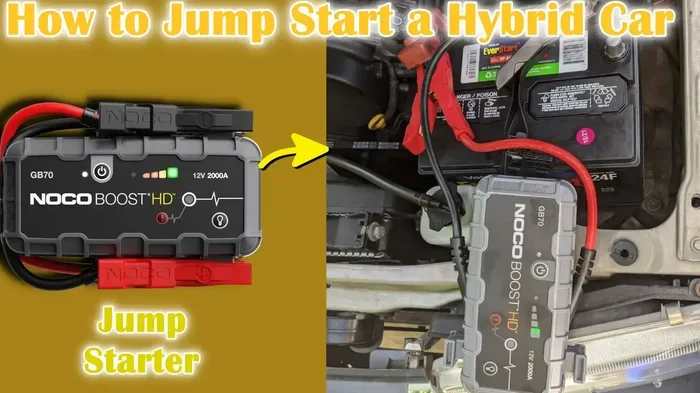
The main hybrid battery is unlikely to die completely after a month of sitting. However, the 12-volt auxiliary battery may drain, and the hybrid battery charge level may drop. When you return, start the car and let it run for a while. If the car starts normally, you are probably fine. If not, a jump-start or battery replacement may be needed.
Do plug-in hybrids need to be driven more often than regular hybrids?
Yes, plug-in hybrids benefit from more consistent use. They are designed to be charged and driven regularly to maximize electric-only range and fuel savings. If you own a plug-in hybrid, try to drive and charge it on a near-daily basis for the best results.
Is it bad for a hybrid car to only take short trips?
Not at all. In fact, short trips are ideal for hybrids. The electric motor handles low-speed driving beautifully, and regenerative braking recharges the battery during stops. Short daily trips are one of the best ways to use a hybrid vehicle efficiently.
How do I know if my hybrid battery is healthy after a period of not driving?
Most hybrids display battery health information on the dashboard or infotainment screen. After a period of not driving, check the battery charge level and any warning lights. If the car starts normally and the battery indicator shows a healthy charge, your hybrid battery is likely fine. If you notice warning lights or unusual behavior, consult a certified mechanic.