Chipped Windshield on a Car: What to Do Immediately
A chipped windshield on a car is more than just a cosmetic issue—it can compromise your safety and lead to costly repairs. In this guide, you will learn the immediate steps to take, how professionals fix the damage, and practical tips to prevent the chip from spreading. Understanding your options saves time, money, and stress.
Key Takeaways
- Act fast: A small chip can spread into a large crack within days if left untreated.
- Avoid DIY myths: Toothpaste and glue are not effective solutions for windshield damage.
- Professional repair: Windshield chip repair is affordable and often covered by insurance.
- Safety first: Driving with a damaged windshield can impair visibility and weaken structural integrity.
- Prevention matters: Simple habits can protect your windshield from road debris and further harm.
- Know when to replace: Large chips may require full auto glass replacement instead of a simple fix.
- Insurance coverage: Many comprehensive auto insurance policies cover windshield repair at no extra cost.
📑 Table of Contents
- Why a Chipped Windshield Is More Serious Than You Think
- Immediate Steps to Take When You Spot a Chip
- DIY vs Professional Windshield Chip Repair
- How Windshield Chip Repair Works
- Preventing Further Windshield Damage
- When Replacement Is Better Than Repair
- Insurance and Windshield Damage Claims
- Safety Risks of Driving with a Damaged Windshield
- Common Mistakes People Make with Windshield Chips
- Quick Tips for Everyday Windshield Care
- Conclusion
Why a Chipped Windshield Is More Serious Than You Think
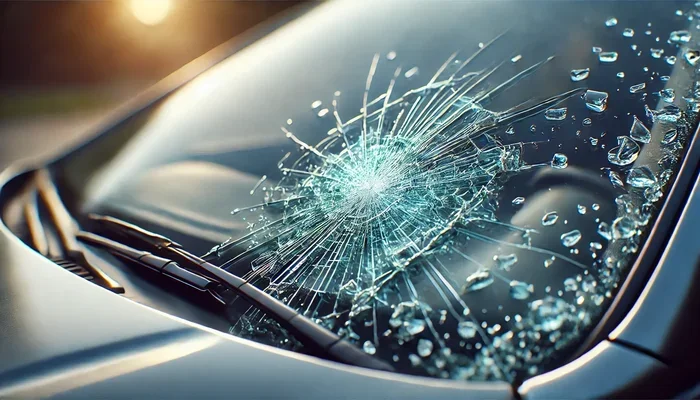
Many drivers see a small chip on their windshield and brush it off. It seems minor. It might even feel tempting to ignore it and hope it goes away. But here is the truth—a chipped windshield on a car is a problem that grows quickly. Temperature changes, road vibrations, and even a small bump can turn that tiny chip into a long, ugly crack overnight.
Your windshield is not just a piece of glass. It is a critical safety component. It supports your car’s roof structure. It protects you from wind, rain, and debris. It also helps your airbag deploy correctly during a collision. When the windshield gets damaged, all of these functions weaken.
Windshield damage is also surprisingly common. Studies show that over 30 percent of drivers will experience some form of chips or cracks on their windshield each year. Road debris, construction zones, and flying rocks are the biggest culprits. The sooner you address the issue, the better your chances of a simple and affordable fix.
How Chips Happen
Most windshield chips occur while you are driving at highway speeds. A small rock kicked up by a truck hits your glass at incredible force. Other common causes include:
- Construction debris from road work zones.
- Tire debris from vehicles ahead of you.
- Sudden temperature changes like pouring hot water on a cold windshield.
- Improper installation where the glass was not sealed correctly.
- Age and wear that weakens old glass over time.
Understanding these causes helps you stay alert and take preventive action. It also explains why even careful drivers end up with a chipped windshield on their car.
Immediate Steps to Take When You Spot a Chip
So you just noticed a chip on your windshield. What now? Your first reaction matters. Taking the right steps immediately can prevent the damage from getting worse and save you money in the long run.
Step 1: Stay Calm and Assess the Damage
First, pull over safely if you are driving. Do not panic. Look at the chip closely. Is it a small bullseye shape? A star break? A simple pit? Most chips fall into these categories. Take a mental note of the size and location. A chip in your direct line of vision is more urgent than one sitting at the edge of the glass.
Also, check if the chip has already started to crack. If you see any branching lines, time is critical. Cracks spread fast, especially in cold weather or when you drive over bumps.
Step 2: Cover the Chip Temporarily
If you cannot get to a repair shop right away, protect the chip from moisture. Place a piece of clear tape over it. This simple trick keeps water, dust, and debris from entering the damaged area. Moisture is one of the biggest enemies of a chipped windshield because it seeps into the glass layers and causes the chip to expand.
Some drivers also use a windshield repair kit as a temporary seal. These kits contain resin that fills the chip and provides a short-term barrier. They work well as emergency measures but are not a permanent solution.
Step 3: Avoid Certain Actions
There are things you should absolutely avoid doing with a chipped windshield:
- Do not use the defroster on high heat. Rapid temperature changes make chips spread faster.
- Do not wash the car with high-pressure water. The force can worsen the damage.
- Do not slam the doors. Vibrations from closing doors can stress the damaged area.
- Do not apply household fixes like toothpaste or glue. These do not work and can make professional repair harder.
Step 4: Contact a Professional
The best immediate step is to call a car glass repair specialist. Many shops offer same-day service. They can assess the damage over the phone and give you a quote. Some even come to your location for convenience. Acting within 24 to 48 hours gives you the best chance of a clean repair without needing a full replacement.
DIY vs Professional Windshield Chip Repair
You might wonder whether you can fix the chip yourself or if you need to visit a professional. Both options exist, but they come with very different results.
DIY Windshield Repair Kits
Over-the-counter glass repair kits are widely available. They typically include a resin injection tool, a curing adhesive, and a razor blade. The idea is simple—you drill a tiny hole into the chip, inject resin, and let it cure. The resin fills the void and hardens, stabilizing the damage.
These kits work for very small chips, usually under one inch. They can prevent the chip from spreading and improve clarity slightly. However, they do not restore your windshield to its original condition. The repaired area often looks cloudy or leaves a slight distortion. DIY kits also require patience and steady hands. Mistakes can worsen the damage.
Professional Windshield Chip Repair
Professional technicians use specialized tools, high-quality resin, and UV curing lights. The process takes about 30 to 60 minutes. A trained expert can properly prep the area, fill the chip with precision, and polish the surface to near-perfect clarity.
Here is a quick comparison:
- Cost: DIY kits cost around $15 to $30. Professional repair averages $50 to $100 per chip.
- Quality: Professional repair delivers significantly better visual results and durability.
- Time: DIY takes 1 to 2 hours. Professional service takes about an hour or less.
- Warranty: Most professional shops offer a warranty on their work. DIY kits offer none.
- Insurance: Many insurance companies cover professional repair but not DIY attempts.
Expert Insight: When to Go Pro
Industry experts recommend professional repair for any chip larger than a quarter or located in the driver’s line of sight. If the chip has multiple branches or you see any spreading, skip the DIY route entirely. Professional auto glass technicians have the training and equipment to handle complex damage safely and effectively.
How Windshield Chip Repair Works
Understanding the repair process helps you know what to expect. Professional windshield chip repair follows a specific set of steps designed to restore strength and clarity to your glass.
The Step-by-Step Process
- Inspection: The technician examines the chip under bright light. They determine the depth, size, and severity of the damage. They also check for existing cracks.
- Cleaning: The damaged area is cleaned thoroughly. Dirt, oil, and moisture are removed to prepare the surface for resin.
- Drilling (if needed): For bullseye chips, the technician may drill a small hole to access the inner layers of the glass. This allows the resin to penetrate deeper.
- Resin Injection: Specialized resin is injected into the chip using a vacuum tool. The resin fills every void and air pocket inside the damaged area.
- Curing: A UV light is used to harden the resin. This takes just a few minutes and creates a strong bond within the glass structure.
- Polishing: The surface is buffed and polished to smooth out any unevenness. The result is a nearly invisible repair that restores most of the glass clarity.
The entire process is fast, effective, and affordable. Most drivers are surprised by how well it works. After repair, the windshield regains much of its original strength. It will no longer be vulnerable to moisture or further cracking at the chip site.
What Happens If You Delay Repair
Delaying repair is one of the biggest mistakes drivers make. Here is what can happen over time:
- The chip absorbs moisture and expands from the inside.
- Temperature fluctuations cause the glass to flex, widening the damaged area.
- Road vibrations gradually weaken the surrounding glass structure.
- A small chip can become a crack spanning several inches within weeks.
- Eventually, the damage may become impossible to repair and require full windshield replacement.
Getting prompt chip repair saves you from the much higher cost and hassle of replacement. It also keeps your car safe to drive and maintains your visibility on the road.
Preventing Further Windshield Damage
Once your chip is repaired, you want to protect your windshield from future harm. Preventive measures go a long way in keeping your auto glass in top shape.
Driving Habits That Protect Your Windshield
Simple changes in how you drive can reduce the risk of new chips and cracks. Follow these tips:
- Keep a safe distance from trucks and vehicles carrying loose materials. Tire debris is one of the leading causes of windshield chips.
- Avoid tailgating on highways. Rocks and debris often fly up from the road surface.
- Use your visor when driving through construction zones or unpaved roads.
- Do not pile heavy items on your dashboard. Sudden stops can cause them to hit the glass.
- Park in shaded areas when possible. Extreme heat weakens glass over time.
Windshield Protection Products
Consider investing in a windshield protection film. This clear, durable layer applies directly over your glass. It acts as a shield against road debris and small impacts. Many drivers report a significant reduction in chips after applying these films. They are affordable and can last several years with proper care.
Additionally, keep your windshield clean and inspect it regularly. Early detection of new chips or cracks gives you the best chance for a quick and easy fix. A weekly glance during your car wash routine can save you from major headaches later.
Weather-Related Precautions
Cold weather poses a special risk. Never pour hot water on a frozen windshield. The sudden temperature shock can crack even undamaged glass. Use your car’s defroster gradually to warm the glass slowly. Also, avoid using ice scrapers with metal blades that can scratch or chip the surface. Use plastic scrapers designed for automotive glass instead.
When Replacement Is Better Than Repair
Not every piece of windshield damage can be fixed with a simple chip repair. Some situations require a full auto glass replacement. Knowing the difference helps you make the right decision and avoid wasting time and money.
Signs You Need a Full Replacement
Consider windshield replacement when:
- The chip or crack is longer than six inches.
- There are multiple chips or cracks across the glass.
- The damage extends through both layers of the laminated glass.
- The chip is directly in the driver’s line of sight and cannot be polished out without impairing visibility.
- The windshield has suffered a significant impact, such as from a large object or a collision.
- The glass shows signs of delamination, where the layers start separating.
Replacement involves removing the old glass entirely and installing a new one using windshield adhesive. The process takes a few hours and requires professional installation to ensure the new glass bonds properly and safely.
Cost of Windshield Replacement
Windshield replacement costs vary depending on your vehicle make and model. A standard replacement for most cars ranges from $200 to $400. Luxury vehicles or cars with advanced features like rain sensors, heads-up displays, or camera systems built into the windshield may cost $500 to $1,000 or more. These vehicles require specialized glass and recalibration of driver-assist systems after installation.
Many auto insurance policies cover windshield replacement under comprehensive coverage. Some policies even include glass coverage with no deductible. It is always worth checking with your insurance provider before paying out of pocket.
Choosing the Right Auto Glass Shop
Selecting a reputable shop for replacement is crucial. Look for businesses that are certified by the Auto Glass Safety Council (AGSC). Certified shops follow industry-standard installation practices that ensure your new windshield is secure and safe. Ask about warranties on both the glass and the installation work. A reliable shop will stand behind their service with a solid guarantee.
Also, confirm that they use OEM (Original Equipment Manufacturer) glass. Aftermarket glass can vary in quality and fit. OEM glass matches your car’s original specifications and provides the best safety and clarity. This is especially important for vehicles with advanced driver-assistance systems that rely on windshield-mounted cameras and sensors.
Insurance and Windshield Damage Claims
Dealing with a chipped windshield can be stressful enough without worrying about costs. The good news is that most comprehensive auto insurance plans cover windshield repair and replacement. Understanding your coverage can save you a significant amount of money.
How to File a Claim
Filing an insurance claim for windshield damage is straightforward. Start by contacting your insurance provider. Report the damage and ask whether your policy includes glass coverage. Many insurers allow you to file a glass-specific claim that does not count as a comprehensive claim. This means your premiums may not increase.
You will typically need to provide photos of the damage, the date and location of the incident, and your policy information. Some insurers allow you to submit everything through a mobile app. Once approved, the insurance company will either pay the shop directly or reimburse you after you pay and submit the receipt.
Deductibles and Out-of-Pocket Costs
Check your policy for deductible details. Some plans have a $0 deductible for glass repair. Others may require a standard comprehensive deductible, which often ranges from $50 to $200. For a simple chip repair that costs around $70, it may not be worth filing a claim if you have a high deductible. However, replacement costs make filing a claim much more worthwhile.
Keep in mind that some states have zero-deductible glass repair laws. Research your state’s regulations or ask your insurance agent for clarification. Taking advantage of your coverage for windshield chip repair is one of the easiest ways to get immediate value from your auto insurance policy.
Safety Risks of Driving with a Damaged Windshield
One of the most important things to understand is that driving with a chipped windshield is not just uncomfortable—it is genuinely dangerous. The risks go far beyond an annoying visual distraction.
Impaired Visibility
A chip in the windshield can create glare and distortion, especially at night or in bright sunlight. Even a small chip can scatter light in ways that make it harder to see the road, pedestrians, and other vehicles. During rainy conditions, water collects in the damaged area and creates a blurred spot that grows larger as the chip spreads.
Structural Weakness
Your windshield contributes up to 30 percent of your car’s structural rigidity. In a rollover accident, the windshield helps prevent the roof from collapsing. A chipped or cracked windshield is significantly weaker and more likely to shatter under pressure. This compromises your protection in a collision. Additionally, airbags rely on the windshield as a backstop during deployment. A damaged windshield may not support proper airbag positioning, reducing their effectiveness.
Legal and Inspection Issues
In many states, driving with a severely damaged windshield can result in a traffic citation. Law enforcement may consider it an obstruction to the driver’s view. Windshield damage can also cause your vehicle to fail its annual safety inspection. Getting a chipped windshield repaired promptly keeps you compliant with local regulations and avoids fines.
Common Mistakes People Make with Windshield Chips
Drivers make predictable mistakes when they discover a chip on their windshield. Avoiding these errors can save you time, money, and safety risks.
Ignoring the Chip
This is the most common and most damaging mistake. People tell themselves they will deal with it later. But later never comes. Within days or weeks, the chip becomes a crack. What could have been a $70 repair now requires a $300 replacement. Always treat a chipped windshield as an urgent issue.
Using Unproven Home Remedies
You may have heard suggestions online about using super glue, nail polish, or even baking soda to fix a chip. These methods do not work. They can contaminate the damaged area and make professional repair more difficult or even impossible. Stick to proven methods and leave complex repairs to trained professionals.
Choosing the Cheapest Service Without Research
While affordability matters, choosing a shop solely based on the lowest price can backfire. Poor-quality resin or improper installation can lead to substandard repairs that fail quickly. Take the time to read reviews, check certifications, and ask about warranties. A reputable shop with fair pricing gives you the best long-term value for your windshield chip repair.
Waiting for the Wrong Season
Some drivers wait for “better weather” to get their chip fixed. While extreme heat or cold can affect the repair process, modern techniques and materials work effectively in most conditions. Waiting for the perfect season only gives the chip more time to grow. Get the repair done as soon as possible regardless of the weather.
Quick Tips for Everyday Windshield Care
Maintaining your windshield does not require a lot of effort. A few simple habits keep it in great shape and help you spot problems early.
- Inspect your windshield daily during your normal driving routine. Look for new chips, cracks, or pits.
- Replace worn wiper blades immediately. Old wipers scratch the glass and weaken its surface over time.
- Clean your windshield regularly with quality glass cleaner and a soft microfiber cloth. Avoid abrasive materials.
- Keep a safe following distance from other vehicles, especially trucks and construction vehicles.
- Address chips immediately. The faster you act, the easier and cheaper the repair will be.
- Use a windshield cover during long periods of parking in extreme weather. This reduces thermal stress on the glass.
Conclusion
A chipped windshield on a car is a common problem, but it does not have to become a major headache. The key is to act quickly, make informed decisions, and avoid common mistakes. Whether you choose professional repair or a temporary DIY fix, addressing the damage immediately is always the best approach. Remember that your windshield plays a vital role in your vehicle’s safety, structure, and visibility. Neglecting a small chip can lead to costly replacement, compromised protection, and even legal issues. Protect your investment, keep yourself safe, and take care of your windshield the same way you care for the rest of your car. With the right knowledge and prompt action, a chipped windshield is a problem you can solve quickly and affordably.
Frequently Asked Questions
How long does windshield chip repair take?
Most professional windshield chip repairs take between 30 and 60 minutes. The exact time depends on the size and location of the chip. Some shops can complete the job even faster. You can usually sit in the car and wait comfortably while the technician handles the repair.
Can a chipped windshield be fixed if it is in my line of sight?
It depends on the size and depth of the chip. Small chips in the driver’s line of sight can sometimes be repaired, but the repaired area may leave slight distortion. If the chip is large or deeply embedded, your technician may recommend replacement to ensure clear, safe visibility while driving.
Will insurance cover the cost of windshield chip repair?
Many comprehensive auto insurance policies cover windshield repair at no additional cost or with a $0 deductible. Some insurers even allow glass-specific claims that do not affect your premium rates. Contact your insurance provider to confirm your coverage and find out the claims process.
How quickly does a chip spread into a crack?
A chip can spread into a visible crack within days or even hours under the right conditions. Temperature changes, road vibrations, and moisture exposure accelerate the spread. This is why experts recommend getting a chip repaired within 24 to 48 hours of discovery.
Is it safe to drive with a chipped windshield?
Driving with a small chip is generally safe for a short period, but it is not recommended for long. The chip can impair visibility, weaken the windshield’s structural integrity, and spread rapidly. For your safety and legal compliance, get the damage assessed and repaired as soon as possible.
What is the average cost to repair a chipped windshield?
Professional windshield chip repair typically costs between $50 and $100 per chip. The price varies based on the chip size, location, and the repair shop. Many insurance plans cover the full cost. DIY kits are cheaper at $15 to $30 but provide lower quality and no warranty.