How Can I Check a Cars History and What to Look For
Checking a car’s history is one of the smartest things you can do before buying any vehicle. A simple VIN lookup reveals accident records, title status, service history, and more. This guide walks you through every step to check a car’s history like a pro and avoid costly surprises.
Buying a used car is exciting. But before you sign anything, you need to check a car’s history. A vehicle’s past can tell you a lot about its future reliability. One bad decision can cost you thousands of dollars.
Maybe you found a great deal on a local listing. The price looks too good to pass up. Or perhaps a friend is selling their car and you want to be sure it’s in good shape. Whatever the reason, knowing how to check a car’s history puts you in control. You’ll walk into any deal with confidence and avoid hidden problems.
This guide covers everything you need to know. We’ll talk about VIN lookups, history reports, title checks, and what red flags to watch for. By the end, you’ll know exactly how to protect yourself from a bad purchase.
Key Takeaways
- Always run a vehicle history report: Services like Carfax and AutoCheck give you a detailed snapshot of a car’s past.
- The VIN is your best tool: Every vehicle has a unique 17-character number that unlocks its full history.
- Look for red flags: Salvage titles, flood damage, odometer rollback, and multiple owners are warning signs.
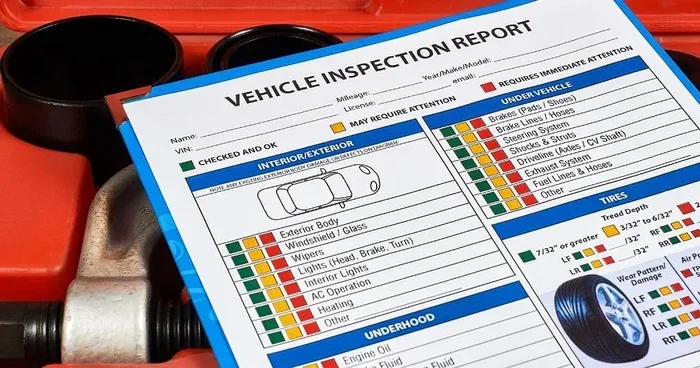
- Get a pre-purchase inspection: A mechanic can spot problems that no report will catch.
- Check recall and lien status: These details affect safety and ownership rights.
- Don’t skip service records: Consistent maintenance shows a well-cared-for vehicle.
- Trust but verify: Even clean reports can miss things, so always cross-reference multiple sources.
📑 Table of Contents
- Why Checking a Car’s History Matters
- How to Check a Car’s History Using the VIN
- Top Vehicle History Report Services
- What to Look For in a Car’s History Report
- Red Flags That Should Make You Walk Away
- Common Mistakes People Make When Checking a Car’s History
- Expert Insights: How Mechanics Check a Car’s History
- Final Thoughts
Why Checking a Car’s History Matters
Every vehicle has a story. Some stories are clean and straightforward. Others come with hidden damage, legal issues, or costly repairs. When you check a car’s history, you get a window into that story before it’s too late.
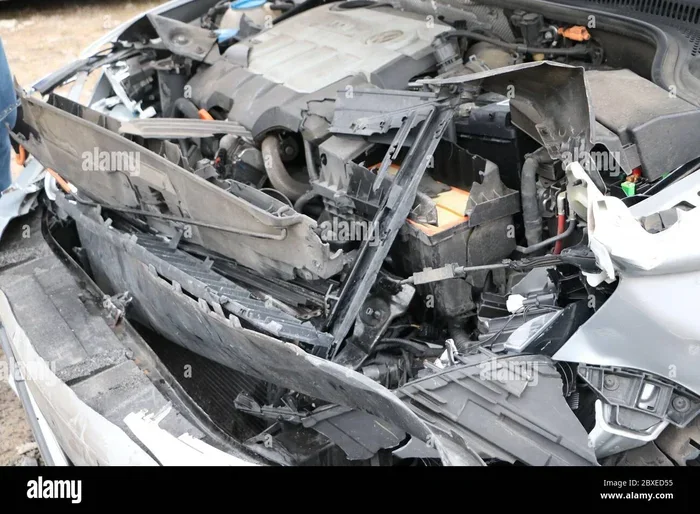
A car might look perfect on the outside. The paint shines. The interior smells fresh. But underneath, there could be frame damage from a past accident. The odometer might show far fewer miles than the car actually has. These are the kinds of problems a history report can reveal.
Here are a few reasons why this step is so important:
- Safety: Cars with unreported accidents may have structural damage that puts you at risk.
- Money savings: Discovering a salvage title or flood damage early saves you from expensive repairs.
- Resale value: A clean history means the car holds its value better when you decide to sell.
- Peace of mind: Knowing the full story helps you buy with confidence, not worry.
Think of a vehicle history report as a health checkup for a car. You wouldn’t buy a house without an inspection. The same logic applies here.
How to Check a Car’s History Using the VIN
The vehicle identification number is the single most important piece of information you need. Every car manufactured since 1981 has a unique 17-character VIN. This number acts like a fingerprint for the vehicle. It tracks everything from manufacturing details to ownership changes.
Where to Find the VIN
You can find the VIN in several places on any car:
- Dashboard: Look through the windshield on the driver’s side. The VIN is usually stamped on a metal plate at the bottom of the dashboard.
- Driver’s side door jamb: Open the driver’s door and look for a sticker on the door frame. It lists the VIN along with tire pressure and other details.
- Vehicle title and registration: The VIN appears on the car’s title document and registration card.
- Insurance documents: Your insurance policy also lists the VIN.
- Engine block: On some vehicles, the VIN is stamped directly on the engine.
What the VIN Tells You
Each section of the VIN carries specific information. The first three characters identify the manufacturer and country of origin. Characters four through eight describe the vehicle’s features, such as engine type and body style. The ninth character is a check digit that verifies the VIN’s authenticity. Characters ten through seventeen include the model year, assembly plant, and unique serial number.
When you run a VIN decoder, you get basic specs like the year, make, model, and trim. But the real value comes when you use that VIN to pull a full history report.
Running a VIN Lookup
Running a VIN lookup is simple and usually free. Many websites let you enter the VIN and get a basic vehicle summary. For a more detailed vehicle history report, you’ll need to pay a small fee. Here’s how the process works:
- Get the VIN from the seller or find it on the car itself.
- Go to a reputable VIN lookup site or history report service.
- Enter the VIN and wait for the results.
- Review the report carefully for any red flags.
Always make sure the VIN on the car matches the VIN on the title. If they don’t match, walk away immediately. This is one of the biggest warning signs of a stolen or tampered vehicle.
Top Vehicle History Report Services
Not all history report services are the same. Some pull from more databases than others. Some offer better detail. Here’s a look at the most popular options for checking a car’s history.
Carfax
Carfax is one of the most well-known names in the industry. It pulls data from thousands of sources, including police reports, insurance claims, and service records. A single Carfax report typically costs around $40. You can also buy bundles if you’re shopping for multiple vehicles.
Carfax reports include information about previous owners, accident history, title status, odometer readings, and service records. One of the best things about Carfax is its ease of use. The report is color-coded and easy to read, even for first-time buyers.
AutoCheck
AutoCheck, owned by Experian, is another strong option. It’s especially popular among dealers. AutoCheck provides a score from one to 100 that rates the vehicle’s overall history. This score makes it easy to compare cars side by side.
AutoCheck reports include title history, odometer data, usage information, and auction records. It also highlights any salvage or rebuilt title status. The score system gives you a quick snapshot, but you should always read the full report for details.
Other Options
There are other services worth considering too:
- VINSmart: A more affordable option that pulls from multiple databases.
- InstaVin: Offers quick reports at competitive prices.
- EpicVIN: Provides detailed reports with recall information.
- Free VIN checkers: Some sites offer basic checks for free, but they usually don’t include accident or title history.
For the most thorough vehicle history report, Carfax and AutoCheck remain the top choices. But using more than one service can give you a fuller picture.
| Service | Price (Single Report) | Score System | Key Features |
|---|---|---|---|
| Carfax | ~$40 | No | Accident history, service records, ownership details |
| AutoCheck | ~$25-$35 | Yes (1-100) | Score rating, auction records, usage data |
| VINSmart | ~$15-$20 | No | Affordable, multiple data sources |
| InstaVin | ~$20 | No | Quick turnaround, recall info |
What to Look For in a Car’s History Report
A history report is only useful if you know how to read it. Many buyers get a report and skim through it without really understanding what they’re seeing. Let’s break down exactly what to look for when you check a car’s history.
Title Status
The title status is one of the most important pieces of information. A clean title means the car has no major brands or liens. Here are the title types you should know about:
- Clean Title: The car has never been declared a total loss. This is what you want to see.
- Salvage Title: The car was declared a total loss by an insurance company. It may have been repaired, but it’s still considered a high-risk vehicle.
- Rebuilt Title: A salvage vehicle that has been repaired and passed inspection. While legal to drive, these cars often have hidden issues.
- Flood Title: The car was damaged by flooding. Water damage can cause long-term electrical and mechanical problems.
- Lemon Title: The car was repurchased by the manufacturer under state lemon laws due to repeated defects.
If you see any title other than clean, proceed with caution. Get a pre-purchase inspection from a trusted mechanic before making any decision.
Accident and Damage History
Look for any records of accidents, collisions, or damage. Even minor fender benders can indicate how the car was treated. A car with multiple accident reports may have underlying structural issues that aren’t visible.
Pay special attention to reports of:
- Airbag deployment: This indicates a serious collision and could mean expensive replacement costs.
- Frame or structural damage: Even if repaired, frame damage can affect safety and handling.
- Air conditioning or electrical issues: These can point to water or flood damage.
Odometer Readings
The odometer section shows all recorded mileage readings over time. Look for any gaps or inconsistencies. If the mileage suddenly drops from 80,000 to 40,000, that’s a clear sign of odometer rollback. This is illegal and a major red flag.
Quick Tip: Compare the odometer reading with the car’s condition. A car with 30,000 miles should still have firm seats and smooth plastic. If it looks worn, the mileage might be wrong.
Number of Previous Owners
Cars that change hands frequently may have underlying problems. A vehicle with five owners in five years is worth investigating further. On the other hand, a car with one or two long-term owners is usually a good sign. It suggests the owner took care of the vehicle.
Service and Maintenance Records
Regular maintenance is a strong indicator of a well-cared-for car. Look for records of oil changes, tire rotations, brake inspections, and other routine services. A car with consistent service records is likely to be reliable.
If the report shows no service history at all, that’s not necessarily a dealbreaker. But it does mean you should be extra cautious. Have a mechanic inspect the car thoroughly.
Recall Information
Manufacturers issue recalls for safety-related defects. A recall check tells you if the car has any outstanding recalls that haven’t been fixed. You can also check recalls yourself for free on the NHTSA website. Always make sure all recalls have been addressed before buying.
Lien and Ownership Checks
A lien on a car means someone else has a financial claim on it. If you buy a car with an outstanding lien, the lender could repossess it. Always verify that the title is free and clear. You can do a lien check through your state’s DMV or a third-party service.
Red Flags That Should Make You Walk Away
Not every issue you find in a history report is a dealbreaker. But some red flags should make you reconsider the purchase entirely. Here’s what to watch for:
- Multiple salvage or rebuilt title brands: This suggests the car has been in serious accidents more than once.
- Odometer discrepancies: Any mismatch between the report and the physical odometer is a major warning sign.
- Flood damage indicators: Musty smells, rust under the car, or water stains in the interior can point to flood damage.
- Inconsistent service records: Gaps in maintenance history suggest the car may not have been properly cared for.
- Brand-new title with high mileage: A title issued shortly after manufacture with unusually high miles could indicate a dealer trade-in with hidden problems.
- Active liens: As mentioned, a lien means the seller doesn’t fully own the car.
Remember, no report is perfect. Some incidents go unreported. That’s why it’s always smart to combine a history report with a pre-purchase inspection. A qualified mechanic can spot issues that no database will catch.
Common Mistakes People Make When Checking a Car’s History
Even careful buyers make mistakes. Here are some of the most common ones to avoid:
Relying on Just One Report
Every history report service uses different data sources. Carfax might not have every accident report. AutoCheck might miss a service record. Using multiple services gives you a more complete picture. This is one of the best car buying tips experienced buyers follow.
Ignoring the Small Details
It’s easy to focus on the big stuff, like accidents and titles. But small details matter too. A car that was always serviced at the dealer tells you something different than one with no records at all. Pay attention to every section of the report.
Trusting the Seller’s Word Alone
Sellers are human. They might genuinely believe a car is in great shape. But they might also be hiding something. Never skip your own vehicle history check. Always verify the information yourself.
Skipping the Pre-Purchase Inspection
A history report is a great starting point. But it’s not a substitute for a hands-on inspection. A mechanic can check for issues like worn suspension, leaking seals, or engine problems that no report will reveal.
Buying Before the Report Comes Back
Impulse buying is one of the biggest mistakes new car buyers make. Always wait for the full report before committing. If a seller pressures you to buy before you’ve had time to review the history, that’s a red flag in itself.
Expert Insights: How Mechanics Check a Car’s History
Professional mechanics have a few extra tricks up their sleeves. Here’s what the experts do when they check a car’s history before recommending a vehicle to a client:
- Cross-reference the VIN: They check the VIN against multiple databases to catch any inconsistencies.
- Look for paint thickness: A paint gauge can reveal if the car has been repainted after an accident.
- Check for manufacturer stickers: Missing or misaligned stickers on the door jamb can indicate the car was disassembled for repairs.
- Review maintenance intervals: They compare the service records against the manufacturer’s recommended maintenance schedule.
- Use a diagnostic scanner: This tool reads the car’s computer for error codes that might point to past or current problems.
Expert Tip: If you’re seriously considering a car, ask the seller for the maintenance log. A complete log book shows that the owner took the time to keep up with regular service. It’s one of the best indicators of a well-maintained vehicle.
Final Thoughts
Knowing how to check a car’s history is one of the most valuable skills you can develop as a car buyer. It protects your wallet, keeps you safe, and gives you negotiating power. A clean history report can confirm that you’re making a smart purchase. And a report full of red flags can save you from a terrible mistake.
Always start with the VIN. Run a vehicle history report from a reputable service. Review every section carefully. Look for title brands, accident records, odometer issues, and service history. Then get a pre-purchase inspection from a trusted mechanic. Finally, verify the title is clear of any liens.
The process might feel like a lot of work. But it’s a small investment of time and money compared to what you could lose by buying a car with a hidden past. Take your time, do your research, and always trust the data over the seller’s charm. A well-informed buyer is the best buyer.
Frequently Asked Questions
Can I check a car’s history for free?
Some websites offer basic VIN lookups for free, but they usually don’t include accident history or title information. For a full vehicle history report, you’ll typically need to pay between $15 and $40. The small cost is well worth the protection it gives you.
What does a clean title mean?
A clean title means the car has never been declared a total loss, salvage, or rebuilt. It has no brands that indicate major damage. A clean title is what you want to see when you check a car’s history before buying.
How far back do vehicle history reports go?
Most reports go back as far as the car’s records allow. Some go back 10 to 20 years, depending on the vehicle’s age and the amount of data available. Keep in mind that older cars may have fewer records simply because fewer databases tracked them.
What if the seller doesn’t have the VIN?
The VIN is always available on the car itself and on the title. If a seller can’t or won’t provide the VIN, that’s a major red flag. Never buy a car without first verifying its VIN and running a history check.
Can a car have a clean report but still have problems?
Yes. History reports are only as good as the data that’s been reported. Not all accidents, especially minor ones, get filed with databases. That’s why a pre-purchase inspection from a mechanic is always recommended, even with a clean report.
Is it safe to buy a car with a rebuilt title?
It depends. A rebuilt title means the car was once a salvage vehicle that has been repaired and passed inspection. Some rebuilt title cars are perfectly fine. But they can also have hidden issues that are hard to detect. Always get a thorough inspection and understand the car’s full history before buying.
=== CONCLUSION ===
Checking a car’s history is a simple but essential step in the buying process. It takes just a few minutes to run a VIN lookup and pull a report. But that small effort can save you from headaches, safety risks, and financial losses down the road. Use the tips in this guide to check a car’s history like a seasoned pro. Trust the data, verify everything, and never skip the inspection. A smart buyer always knows what they’re getting into.